Photo by Guilhem Vellut, via Wikimedia Commons (CC BY-SA 2.0)Website
Lahore is the cultural and culinary heart of Pakistan, a 1,000 year old Mughal capital where emperors built mosques and gardens, poets wrote, and the food never stops. They call it the "Paris of the East" and the city that "never sleeps," and a few days here, wandering the Walled City, eating your way down Food Street and standing under the vast Badshahi Mosque at sunset, explains why. This guide covers the best things to do in Lahore, the legendary food, how to get there and get around, the best time to visit, what it costs, and a simple plan to tie it all together, whether you are travelling with family, as a couple, or solo.
Lahore at a glance
- Where: Punjab, eastern Pakistan, about 4 to 5 hours from Islamabad by motorway.
- Best time: October to March, when the weather is mild and dry.
- How long: 2 to 4 days covers the highlights, with a full day for the Walled City alone.
- Famous for: Mughal monuments, the Walled City, Wagah border ceremony, and some of the best food in South Asia.
How to get to Lahore
Lahore is one of the easiest cities to reach in Pakistan. Allama Iqbal International Airport has direct flights from across the country and the Gulf. By road, the M-2 motorway connects Islamabad to Lahore in about four to five hours of smooth driving, and comfortable coaches (Daewoo and others) run the route all day. Trains link Lahore with Karachi, Rawalpindi and beyond. For most northern trips, Lahore is an easy add on at the start or end.
Getting around Lahore
The simplest way to get around is a ride hailing app: Uber, Careem and InDrive all operate widely and save you haggling. Auto rickshaws are everywhere for short hops, but agree the fare first, expect around 250 rupees across the old city. Lahore also has a cheap Metro Bus and the Orange Line metro train for set routes. For sightseeing across the Mughal sites, hiring a car with a driver for the day is the most comfortable option, and a local guide is worth it inside the Walled City.
The best things to do in Lahore
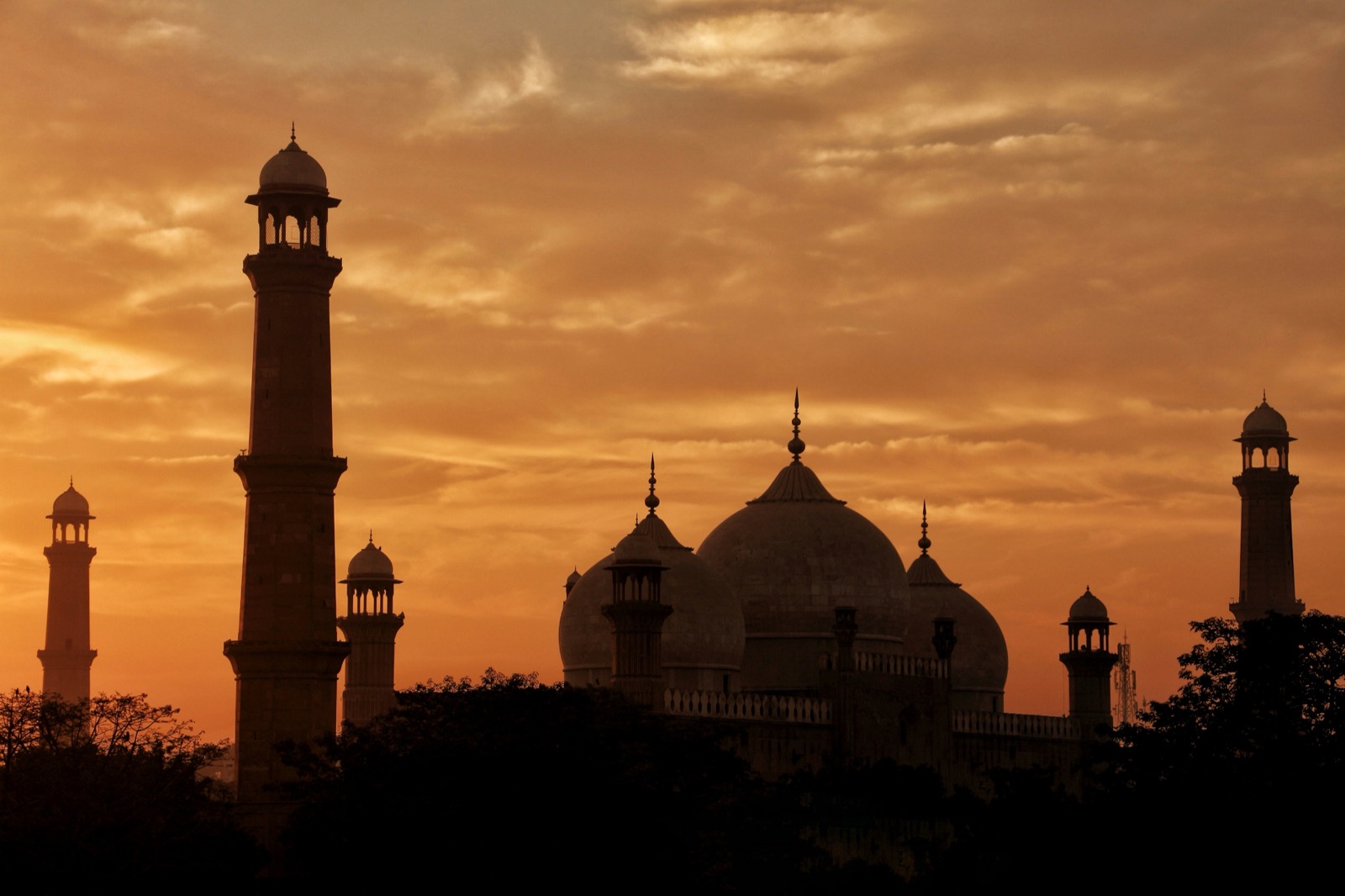
- Badshahi Mosque, the city's icon, built by Emperor Aurangzeb in 1671 to 1673 and one of the largest mosques in the country. Entry is free, it opens roughly 5 am to 8 pm, and it is at its most beautiful at sunset.
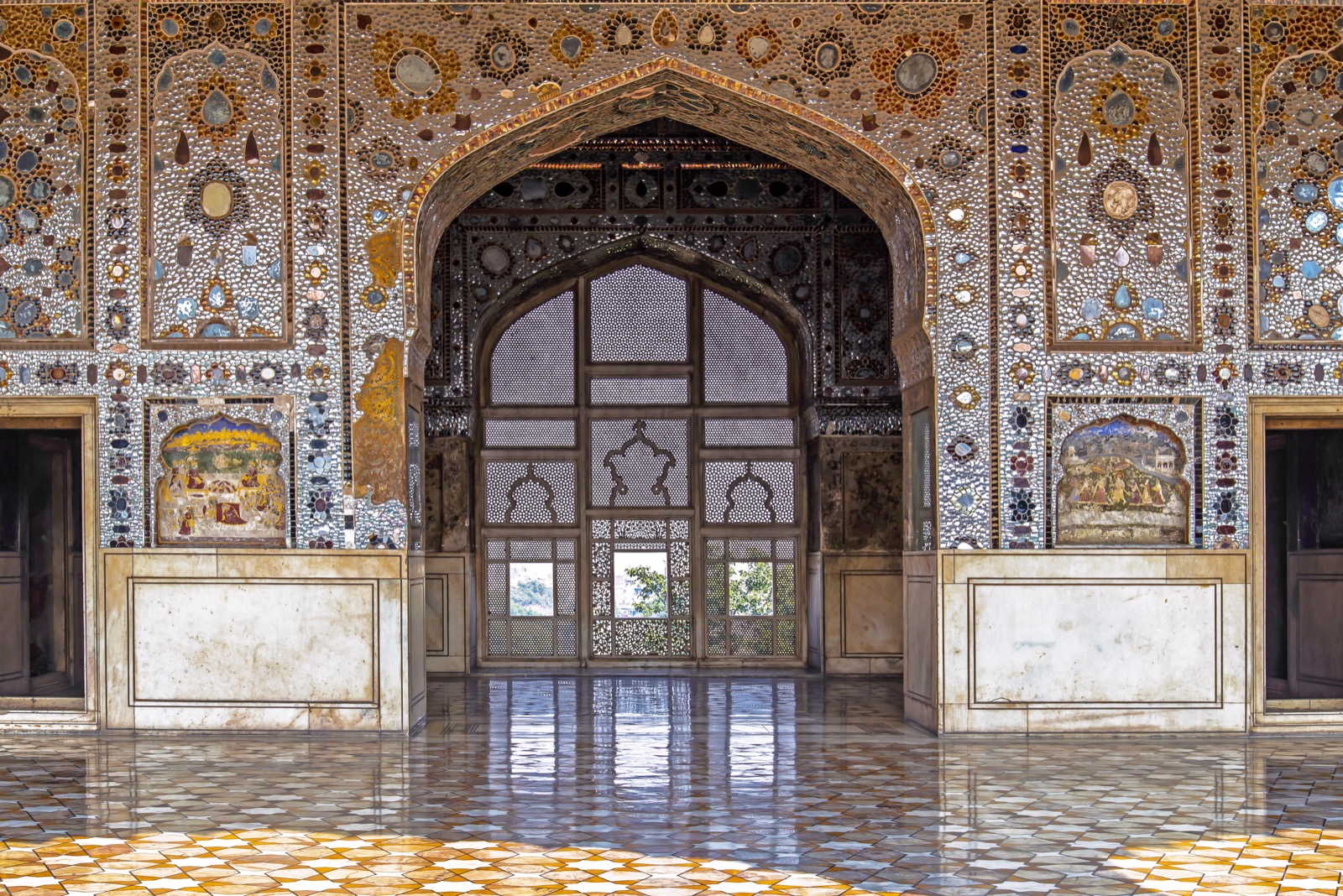
- Lahore Fort (Shahi Qila), the UNESCO listed Mughal citadel beside the mosque, spanning over 20 hectares. Inside, do not miss the Sheesh Mahal, the dazzling Palace of Mirrors. Entry is around 500 rupees, with a small extra fee for the Sheesh Mahal, open about 9 am to 5 pm.
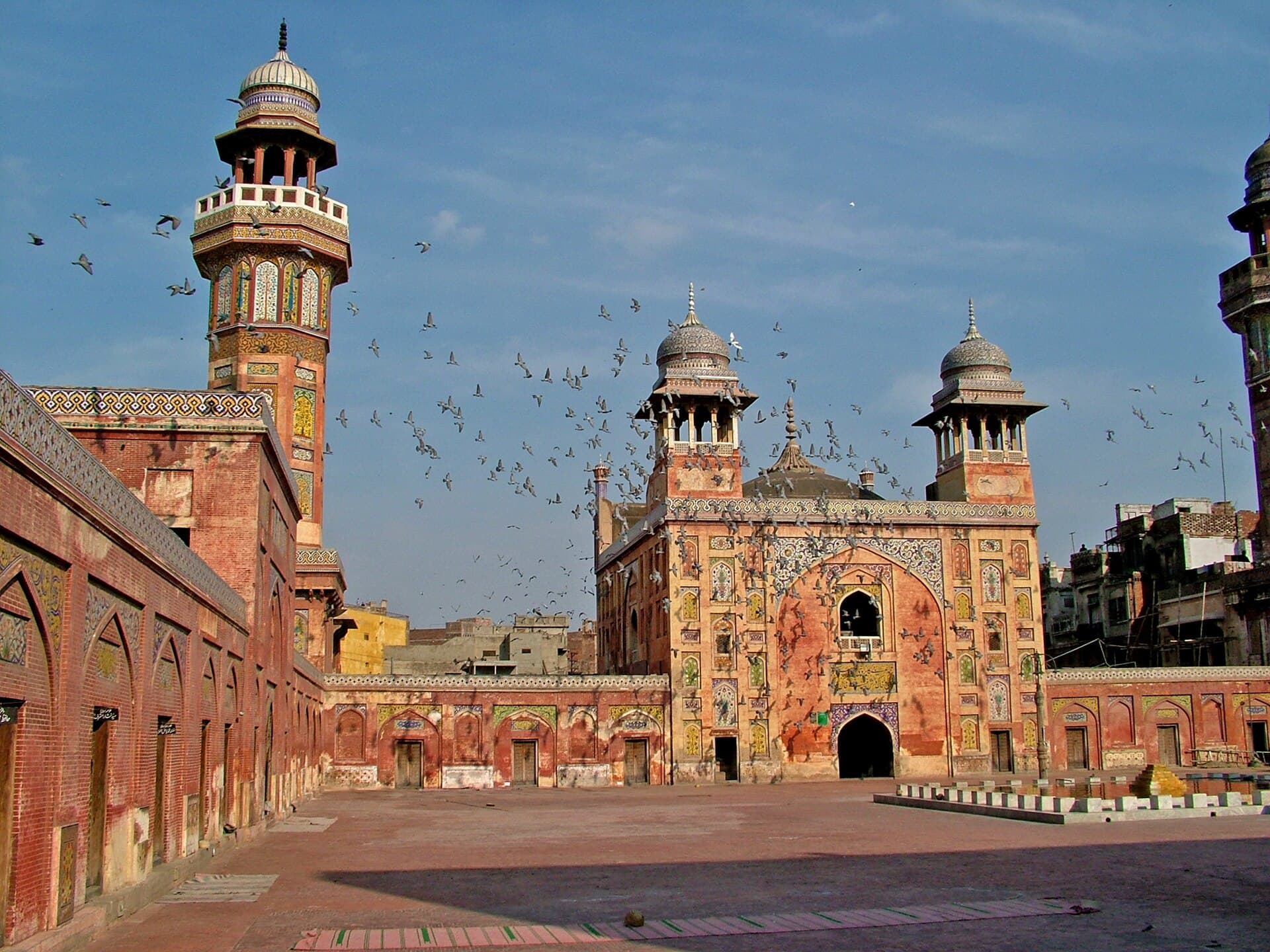
- Wazir Khan Mosque, a 17th century jewel from the reign of Shah Jahan, covered in intricate hand painted tilework and frescoes, and far quieter than Badshahi. Free entry.
- The Walled City, the historic heart entered through Delhi Gate, a warren of bazaars, havelis and the restored Shahi Hammam, a 17th century Turkish bath with revealed frescoes (around 500 rupees). The Akbari Mandi spice market here is roughly 500 years old.
- Shalimar Gardens, the UNESCO listed Mughal pleasure gardens of terraces, fountains and waterways, laid out under Shah Jahan in 1641. Entry around 500 rupees.
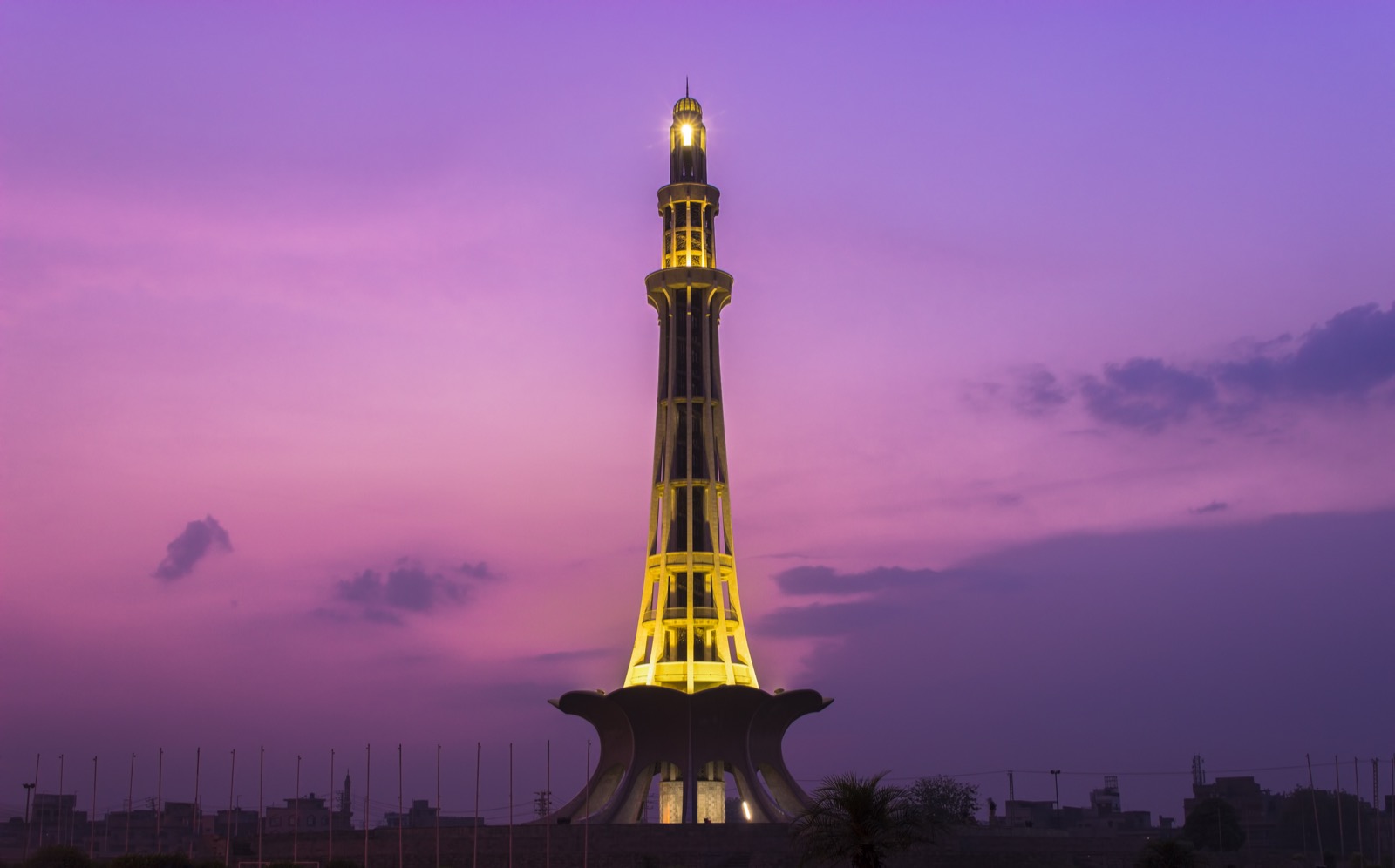
- Minar-e-Pakistan, the 70 metre tower marking the 1940 Pakistan Resolution, set in Greater Iqbal Park.
- Lahore Museum, founded in 1865 and the country's largest, with Gandhara, Indus Valley, Mughal and Sikh era treasures including the famous Fasting Buddha.
- Anarkali Bazaar and Liberty Market, the historic and the modern faces of Lahori shopping, for fabrics, jewellery, shoes and handicrafts.
- Data Darbar, the largest Sufi shrine in South Asia, intense and atmospheric, especially in the evening.
- The Tomb of Jahangir, the serene 17th century mausoleum of the Mughal emperor across the River Ravi.
The Wagah border ceremony
About 24 to 30 km east of the city, the daily flag lowering ceremony at the Wagah border with India is one of Lahore's signature experiences: a loud, theatrical 45 minute parade of high kicking soldiers and roaring crowds, held every evening before sunset. Go early to get a seat, and budget roughly 1,200 to 2,000 rupees for a round trip by car or rickshaw.
Lahori food: the real reason to come
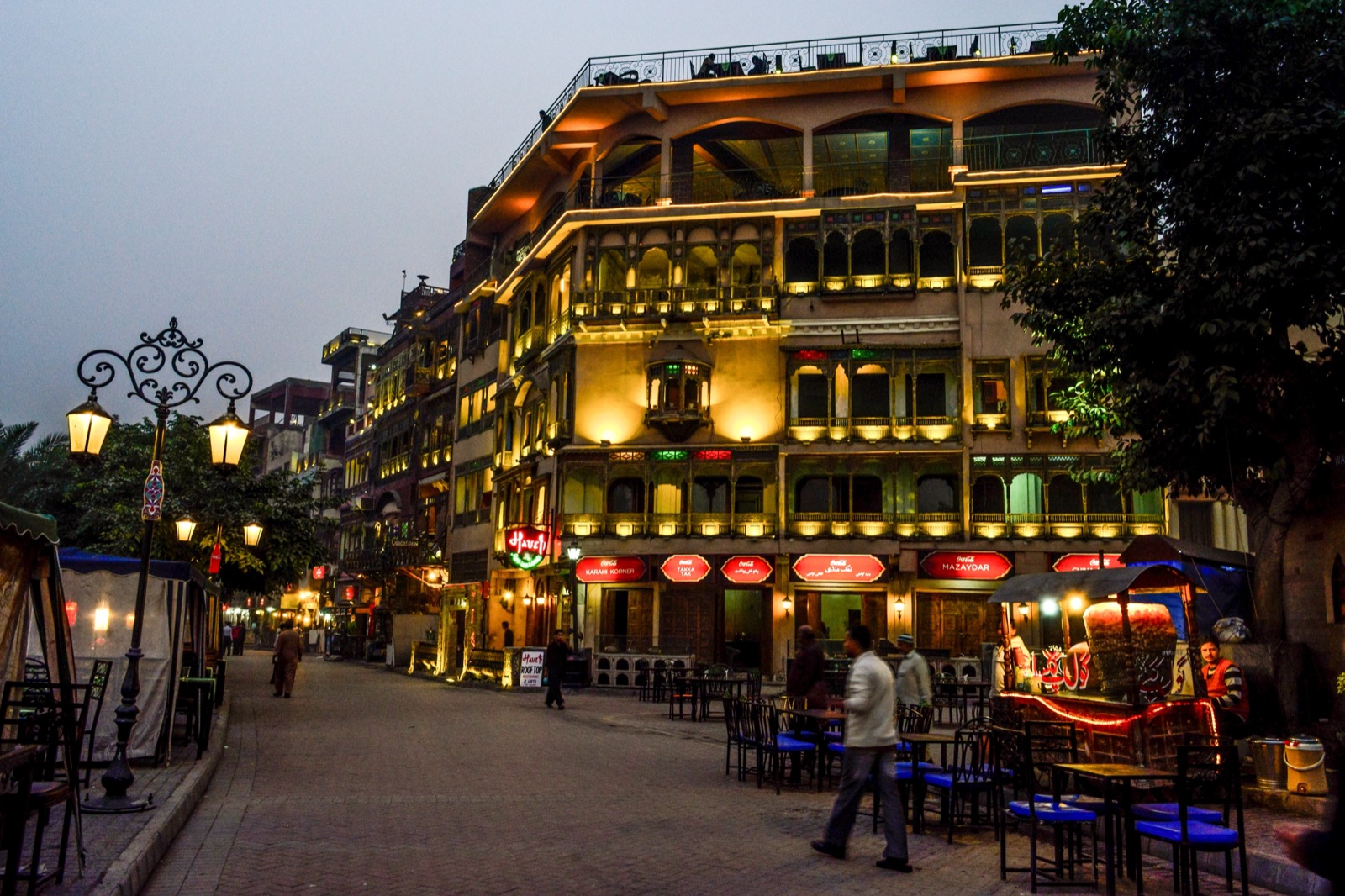
Lahore lives to eat, and no trip is complete without it. Head to Fort Road Food Street, the rooftop strip beside the Badshahi Mosque, or the old food haunts of Gawalmandi, and work through the classics: slow cooked nihari and paya for breakfast, haleem, charcoal seekh and chapli kebabs, whole roasted chargha, fresh naan from the tandoor, and biryani. Save room for falooda, kulfi, creamy lassi and the famous phajjay ke paye. Street food is cheap, generous and a highlight in its own right.
Free things to do in Lahore
You can fill days here for almost nothing. The Badshahi and Wazir Khan mosques are free, as is wandering the Walled City bazaars, the Anarkali markets, Minar-e-Pakistan's park, the riverside, and the Wagah ceremony itself. Window shopping, people watching and street food make Lahore a rewarding city on any budget.
Lahore for families and couples
For families, the gentle picks are the gardens (Shalimar, Bagh-e-Jinnah), the museum, the Lahore Safari Zoo, and the open spaces around Minar-e-Pakistan, with the food a guaranteed crowd pleaser. For couples, the romance is in the details: sunset over the Badshahi Mosque from a Fort Road rooftop restaurant, a slow evening in the lamp lit Walled City, and the Mughal gardens at golden hour.
Best time to visit
The comfortable season is October to March, when days are mild and dry, ideal for the open air monuments and gardens. Avoid the peak summer of May and June, when temperatures soar past 40 degrees, and be aware that November and December can bring heavy smog to Punjab. Spring is pleasant and was the traditional season of the Basant kite festival.
Where to stay
Two good bases. Gulberg is the modern, leafy district with the best hotels, restaurants and shopping. Staying near the Walled City or on Fort Road puts you in the heart of the heritage, within walking distance of Badshahi Mosque and the old bazaars, and close to the rooftop food street. Choose Gulberg for comfort and the old city for atmosphere.
A simple two day plan
- Day 1, the Mughal core. Lahore Fort and the Sheesh Mahal, then Badshahi Mosque, a walk through the Walled City from Delhi Gate via the Shahi Hammam and Wazir Khan Mosque, and dinner on a Fort Road rooftop at sunset.
- Day 2, gardens, museum and the border. Shalimar Gardens and the Lahore Museum in the morning, Anarkali or Liberty Market in the afternoon, then out to the Wagah border for the evening ceremony.
Practical tips
- Dress modestly at the mosques and shrines, and carry a scarf to cover your head where required.
- Beat the smog: if you come in November or December, check air quality and plan indoor sights on bad days.
- Use apps: Uber and Careem are cheaper and easier than negotiating taxis.
- Carry cash for bazaars, rickshaws and street food, though malls and bigger restaurants take cards.
- Start early at the popular monuments to beat both crowds and the midday heat.
A little history
Lahore wears its history on every street. It rose to glory as a Mughal capital, when emperors Akbar, Jahangir, Shah Jahan and Aurangzeb gave it the fort, the great mosque, the gardens and the Walled City you see today. It later became a Sikh capital under Maharaja Ranjit Singh, whose era left its own monuments, and then a major city of British India, which added grand colonial buildings along the Mall. Understanding these three layers, Mughal, Sikh and British, makes wandering the city far richer, since you pass from a 17th century mosque to a Sikh era tomb to a Victorian college in the space of a few streets.
Day trips from Lahore
Beyond the Wagah border, a few rewarding trips sit within easy reach. Nankana Sahib, about an hour and a half away, is the birthplace of Guru Nanak and the holiest site in Sikhism, drawing pilgrims from around the world. Hiran Minar in Sheikhupura is a striking Mughal hunting complex with a tower and a water pavilion, an easy half day. The Kartarpur Corridor further out is another major Sikh pilgrimage site. Closer in, the shady Changa Manga forest is a classic local picnic escape.
Shopping in Lahore
Lahore is a shopper's city. Anarkali Bazaar is the historic maze for fabrics, traditional clothes, shoes (the famous Lahori khussa) and handicrafts, while Liberty Market in Gulberg is the go to for ready wear, jewellery and tailoring. The old book lovers' haunts cluster around Mall Road, and modern malls like Emporium and Packages offer brands, food courts and cinemas with air conditioning, welcome on a hot day. Bargaining is expected in the bazaars and fixed in the malls.
Related guides
Plan your timing with our best time to visit Pakistan guide, see the city's overview on the Lahore destination page, and browse every region on the destinations page.
Last updated
Share this article
Frequently asked questions
- Is Lahore worth visiting?
- Yes. Lahore is Pakistan's cultural capital, home to the Lahore Fort, the Badshahi and Wazir Khan mosques, the Shalimar Gardens and the country's best food. Two to three days lets you cover the Mughal heritage and the famous food streets.
- How much does the Lahore Fort cost?
- Entry is about PKR 500 for foreign visitors and PKR 40 for Pakistani citizens, with the Sheesh Mahal a separate ticket of roughly PKR 300. The fort opens daily from 8:30am, closing at 5:30pm in winter and 6pm in summer.
- How do you get from Islamabad to Lahore?
- By road it is about 4.5 hours on the M2 motorway, with frequent intercity buses by Daewoo and others. There are also short domestic flights, and a fast train service on the main line. Within Lahore, the Orange Line metro and ride-hailing apps cover the city.
- What food is Lahore famous for?
- Lahore is known for nihari, chicken karahi, whole roast chargha, seekh kebabs and tikka, and the morning halwa puri. Gawalmandi and the Walled City bazaars are the classic spots, and Fort Road food street pairs the cuisine with a view of the floodlit Badshahi Mosque.
- What is the best time to visit Lahore?
- October to March, when days are a mild 15 to 25°C and ideal for the forts, gardens and food streets. Summer from May to August is very hot, frequently above 40°C, with monsoon rain and humidity from July.
- How many days do you need in Lahore?
- Two to three days. One for the Lahore Fort, Badshahi Mosque and Fort Road, one for the Walled City walk to Wazir Khan Mosque, and a third for the Shalimar Gardens, museums and unhurried eating.