Photo by Iqbal.mohsin, via Wikimedia Commons (CC BY-SA 3.0)Website
Pakistan is really several countries stacked into one when it comes to weather. On the same week in late June, you can be sweating through 43 degree heat on the plains of Punjab and pulling on a fleece beside a glacier in Hunza. That spread is why there is no single best time to visit Pakistan, only a best time for the trip you actually want to take. This guide breaks it down by season, by month, by region, and by what you came to do, with the real temperatures, road openings and festival dates you need to plan around.
The short answer
If you only remember one thing: October and November are the safest all round months to visit Pakistan. Temperatures settle between about 10 and 30 degrees across most of the country, the summer heat has broken, the monsoon is over, the northern valleys glow with autumn colour, and the mountain roads are still open. Spring, from late March to May, is the other sweet spot, especially for the blossom.
But the country splits cleanly in two:
- Northern Pakistan (Gilgit-Baltistan, the Hunza and Skardu valleys, Fairy Meadows, the Kaghan and Swat valleys): best from April to October, when the snow has cleared the passes and the high valleys are green.
- Southern Pakistan (Islamabad, Lahore and the Punjab plains, Sindh and Karachi): best from November to March, because summer here is brutal.
So the trick is matching the season to the half of the country you are headed for.
Best time to visit northern Pakistan
This is what most international visitors come for: the Karakoram, the Himalaya and the Hindu Kush. The northern season is short and worth timing well.
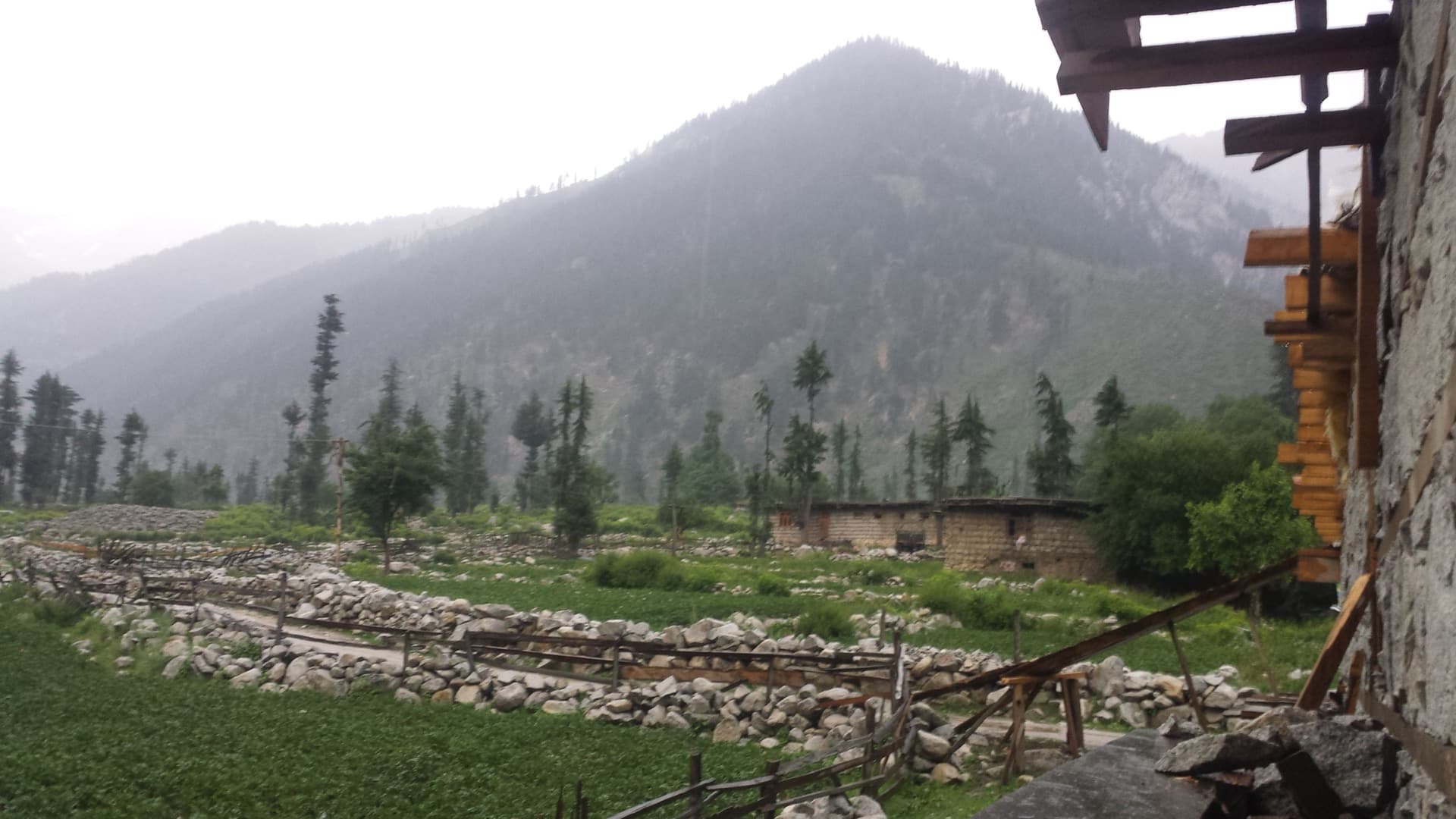
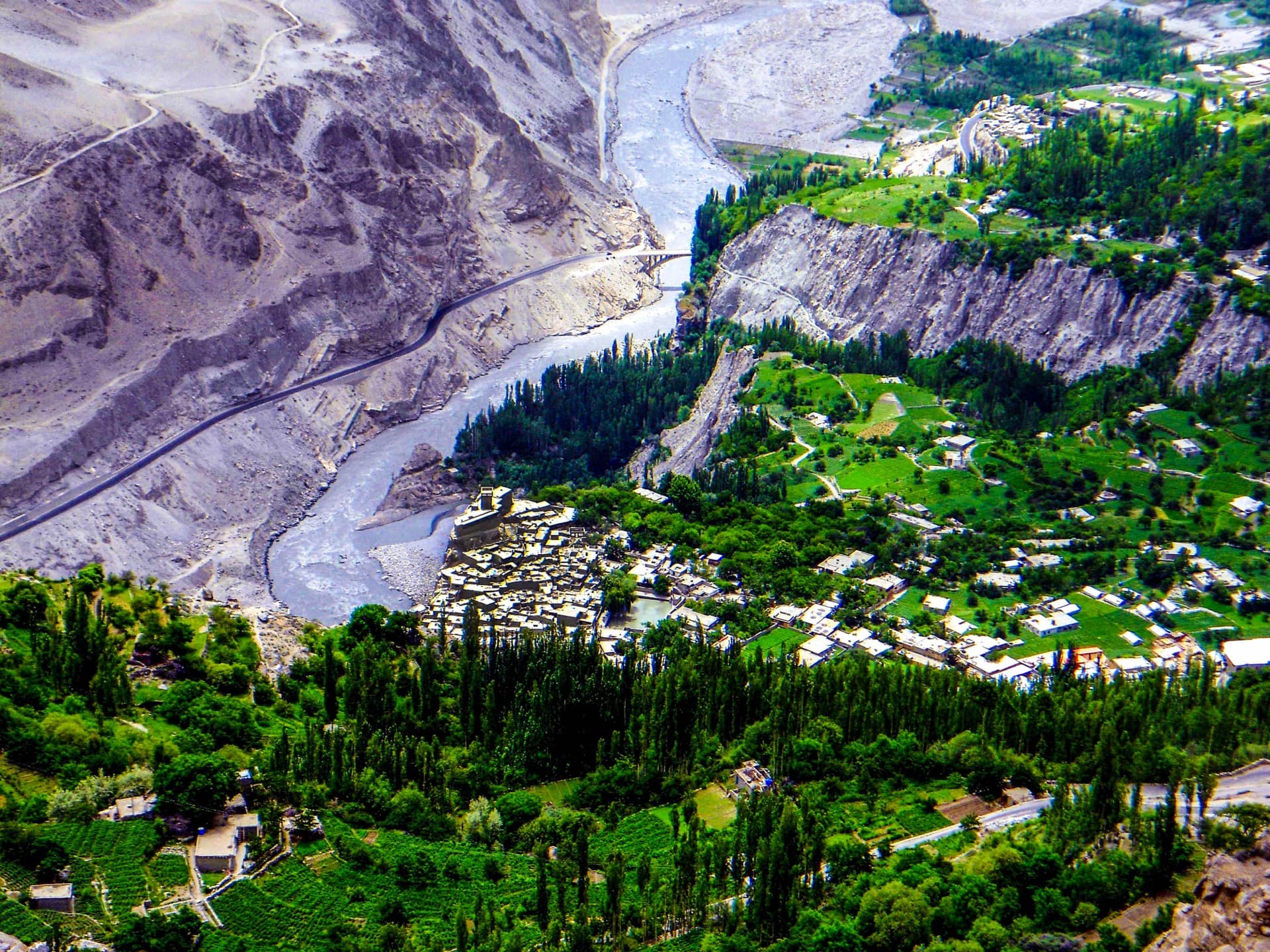
Spring (mid March to May). The valleys wake up. From roughly mid March to mid April, Hunza, Nagar and the Skardu valleys fill with cherry, apricot and apple blossom, turning whole hillsides pink and white. This is one of the most photographed moments in Pakistan and a major reason spring travel is booming. Days are cool and clear, though high passes can still hold snow into May.
Summer (June to August). Peak season for trekkers and for domestic tourists escaping the lowland heat. The trails to Fairy Meadows, Nangma, Naltar and the Deosai Plateau are open, rivers run full, and the high meadows are at their greenest. Deosai, the second highest plateau on earth at about 4,100 metres, is generally only accessible from around late June to September. The downside is crowds at honeypots like Hunza and Naran, and the monsoon brushing the lower valleys in late July and August, which can trigger landslides on mountain roads.
Autumn (late September to early November). Many seasoned travellers call this the finest time in the north. The poplars and apricot orchards turn gold and amber, the air is crisp and dry, visibility over the peaks is at its best, and the summer crowds have thinned. It is the top pick for photographers.
Winter (December to March). Most high valleys are cold, quiet and partly snowed in. Hunza stays accessible and starkly beautiful, and Naltar near Gilgit offers skiing, but many side roads and high passes close.
Key road and pass openings
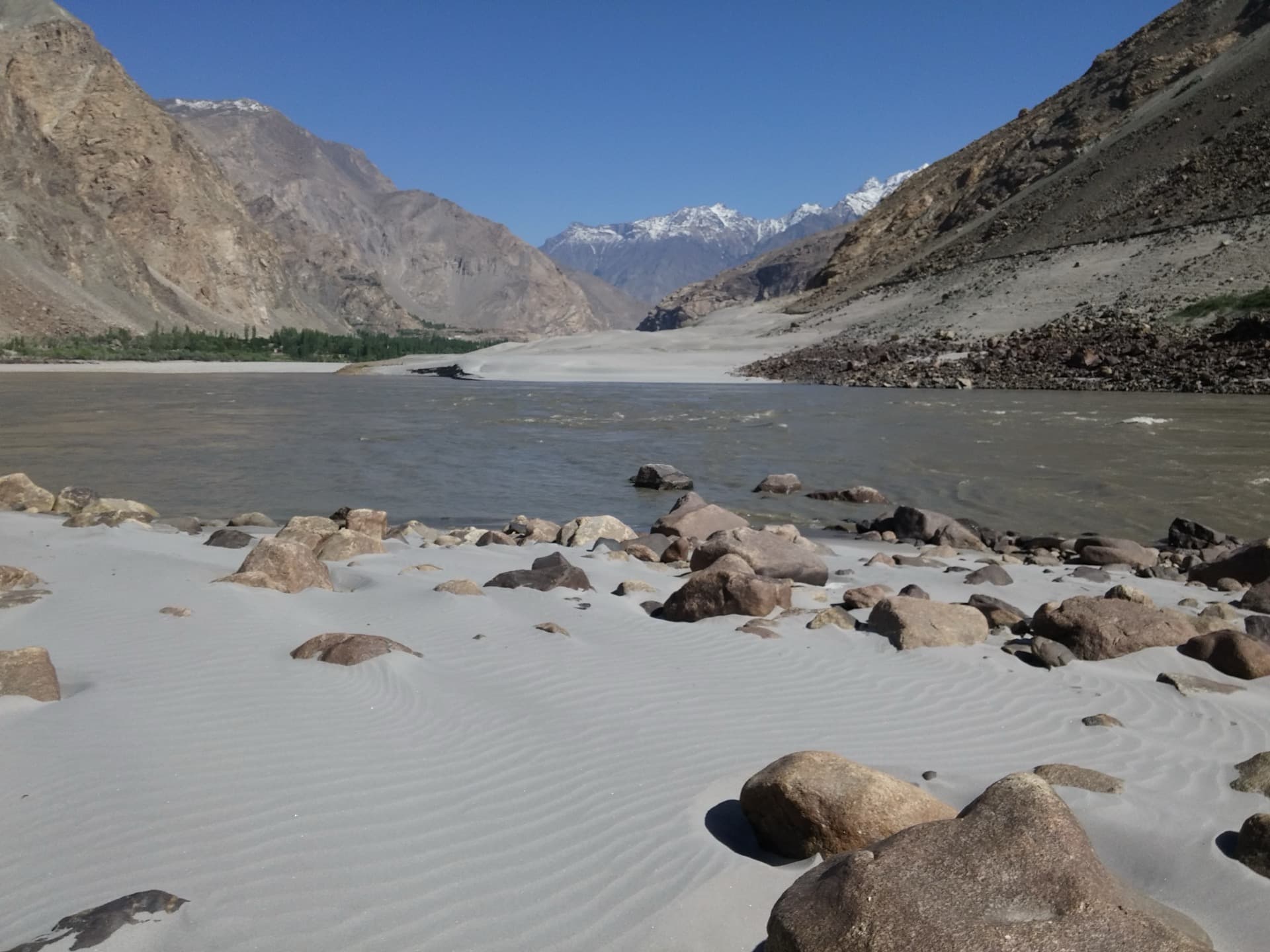
- Khunjerab Pass (4,693 metres, the border crossing to China and the highest point on the Karakoram Highway): reliably open for travel roughly May to October or November, closed by snow in deep winter.
- Babusar Pass (4,173 metres, the scenic shortcut linking Naran and the Kaghan Valley to Gilgit-Baltistan): typically open only from around late June or July to September or October, and shut the rest of the year.
- The main Karakoram Highway through the Hunza valley stays open year round, but expect winter delays.
Always check current conditions before relying on a high pass, since snowfall and landslides can close them at short notice.
Best time to visit southern and central Pakistan
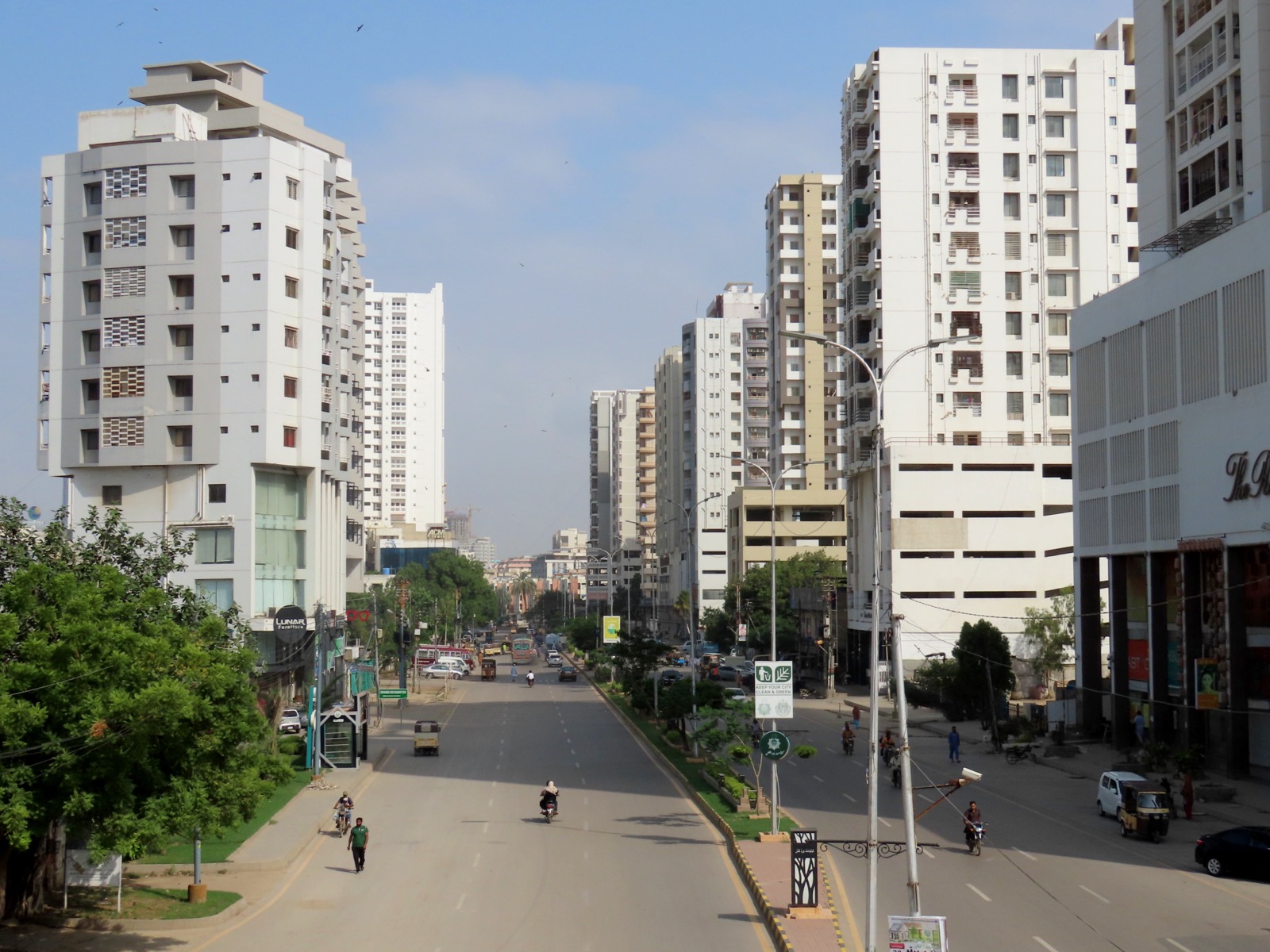
The plains and the capital run on the opposite clock.
Islamabad, Rawalpindi and Punjab (including Lahore). Comfortable from October to March, with mild, sunny winter days perfect for sightseeing in Lahore. From April the heat builds fast, and May and June regularly hit 40 to 43 degrees. July and August bring the monsoon, with August the wettest month at around 160mm of rain and daytime highs still near 36 degrees.
Sindh and Karachi and the coast. Best from November to February, when the humidity eases and the beaches and the Makran coastal highway are pleasant. Summer here is hot and sticky.
This is why a winter trip that would be miserable in Hunza is ideal for Lahore's food streets, the Mughal monuments and Karachi.
Month by month
- January and February. Deep winter. Snow across the north and in the hill stations of Murree and the Galiyat. Cold but clear in Lahore and Islamabad, the best window for the southern cities. Ramadan in 2026 runs roughly from mid February to mid March, when daytime hours and some services slow.
- March. Shoulder season. The plains are pleasant, the blossom begins in the north toward month end, and prices are still low.
- April. One of the prettiest months. Blossom peaks in the north, the plains are warm but not yet punishing, and roads start reopening.
- May. Warm and green up north, hot on the plains. A strong all round month for the mountains before the summer rush.
- June. The lowlands turn fierce, often above 40 degrees, while the north hits its summer stride. Domestic tourism peaks.
- July. High summer in the mountains and monsoon onset in the lowlands. Babusar Pass usually opens. The Shandur Polo Festival, played on the world's highest polo ground at about 3,700 metres, is held in early to mid July.
- August. The wettest month. Beautiful but landslide prone in the hills, so build slack into mountain itineraries.
- September. The monsoon fades, the crowds thin, and the north begins its golden turn. An excellent, underrated month.
- October. Arguably the best single month nationwide: autumn colour up north, comfortable plains, open roads.
- November. Crisp and clear. Late autumn in the north, the start of the ideal season in the south.
- December. Winter sets in. Snow chasers head to Murree, the Galiyat and Hunza, while the southern cities are at their most pleasant.
Best time by what you want to do
- Cherry and apricot blossom: mid March to mid April, in Hunza, Nagar and Skardu.
- High altitude trekking (Fairy Meadows, Deosai, Nangma, K2 base camp routes): June to September.
- Autumn photography: October to early November in Gilgit-Baltistan.
- Snow and skiing: December to February, at Naltar near Gilgit and the hill stations of Murree and the Galiyat.
- City sightseeing and food in Lahore, Islamabad and Karachi: November to March.
- The Shandur Polo Festival: early to mid July, between Chitral and Gilgit.
- The Kalash valley festivals near Chitral: the Chilam Joshi spring festival falls in May, with Uchal in August and Choimus in December.
Weather by altitude: a simple rule
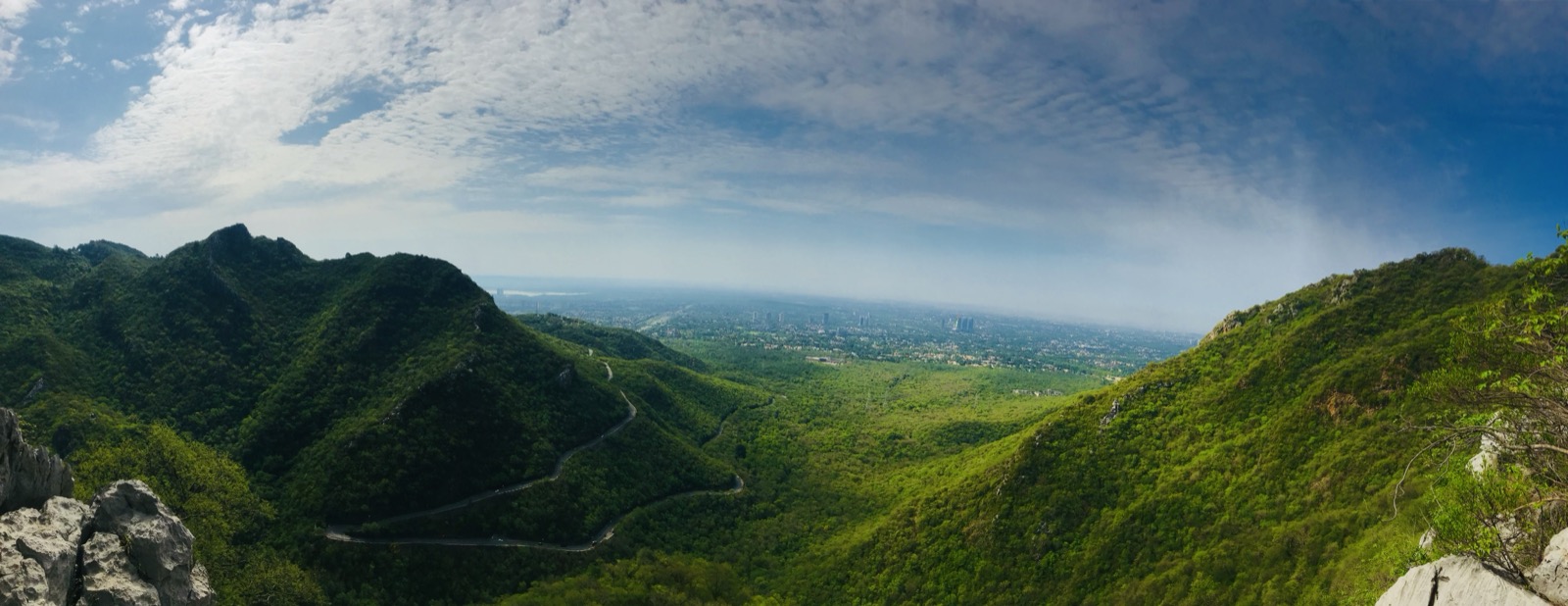
Pakistan's weather is driven as much by elevation as by the calendar. Temperature falls by roughly 6 to 7 degrees for every 1,000 metres you climb. So when Islamabad, at about 500 metres, bakes at 35 degrees in June, Hunza at around 2,400 metres feels more like 22 to 25, and high camps above 4,000 metres such as Deosai or the Fairy Meadows treeline can drop close to freezing at night even in midsummer. The practical lesson: judge the weather by where you are going up, not by the city you flew into, and always pack a warm layer for the mountains regardless of the month.
What to pack for each season
- Spring and autumn in the north: layers, a light down jacket for evenings, a windproof shell, and sturdy shoes for cool, clear days.
- Summer on the plains: light cotton, strong sun protection, a hat and plenty of water for 40 degree heat in Lahore, Islamabad and Sindh.
- Winter in the north and the hill stations: serious insulation, waterproof boots and grip for snow in Hunza, Murree, the Galiyat and Naltar.
- Monsoon travel (July and August): a waterproof jacket, quick dry clothing and patience for the odd road delay.
Festivals and events worth timing your trip around
Pakistan's calendar adds a real reason to pick one month over another:
- Jashn-e-Baharan, the spring festival, brightens Punjab in February and March.
- The Kalash valley festivals near Chitral are among the most unique cultural events in the region: Chilam Joshi in May, Uchal in August and Choimus in December.
- The Shandur Polo Festival, played each July on the world's highest polo ground at about 3,700 metres between Chitral and Gilgit, is the headline summer event.
- Independence Day on 14 August fills the cities with colour, though it falls in the wettest week of the year.
- Gilgit-Baltistan cultural and harvest festivals run through the summer months across Hunza and Skardu.
Best time for budget travel
If price matters more than peak scenery, travel in the shoulder months: March, late September, October and early November. Rooms in Hunza, Skardu and Naran are far cheaper than in the July and August rush, the roads are still open, and you skip the long weekend crowds that push prices up. Deep winter is the cheapest of all in the north, but with many side roads closed you trade savings for limited access. On the plains, the pleasant October to March window is also the high season for the southern cities, so book Lahore and Karachi rooms a little ahead.
A few planning notes
- Monsoon and landslides. July and August rain rarely ruins a northern trip on its own, but it does close roads without warning. Keep buffer days if you travel then.
- Ramadan. During the fasting month, daytime eating options shrink and the pace slows, though evenings come alive. Plan meals and travel around it.
- Booking ahead. Hunza, Skardu, Naran and Murree fill up fast in peak summer and on long weekends, so reserve rooms early from June to August.
Where to go in each season
- Spring: Hunza and Skardu for blossom, Islamabad and Lahore before the heat.
- Summer: the high valleys, Fairy Meadows, Naltar, Deosai, Swat and Kalam.
- Autumn: all of Gilgit-Baltistan, plus Chitral and the Kalash valleys.
- Winter: Lahore, Karachi and the southern plains, with Murree, the Galiyat and Naltar for snow.
For deeper plans, see our northern Pakistan itinerary, and compare the big two valleys in Hunza vs Skardu. Browse every region on the destinations page, or read the full Hunza Valley travel guide and Skardu travel guide to start building a trip.
Last updated
Share this article
Frequently asked questions
- What is the best time to visit Pakistan?
- For the northern mountains, May to October, with June to August best for alpine lakes and October for Hunza's golden autumn. For the cities of the plains like Lahore, visit October to March when the heat breaks. Late March to April brings cherry blossom to Hunza.
- What is the best month to visit northern Pakistan?
- September is arguably the best single month: the valleys are still warm and green but easing into early autumn, the high routes are open, and the summer crowds have thinned. June to August is peak for lakes, and October for autumn colour.
- When does the Khunjerab Pass open?
- The Khunjerab Pass, the high border crossing above Hunza, usually opens around May 1 and stays open until roughly late November or the first heavy snow. In deep winter it is closed. Always check current conditions before planning a trip to the pass.
- When is cherry blossom season in Hunza?
- Cherry and apricot blossom usually peaks in Hunza in late March and early April. It is one of the most beautiful and least crowded times to visit the north, though the highest lakes and passes are still under snow then.
- When is the best time to visit Lahore?
- October to March, when temperatures sit at a pleasant 12 to 20°C. Avoid May to August, when the plains are very hot, often above 40°C, with monsoon rain in July and August.
- Can you visit Pakistan in winter?
- Yes. Winter closes many northern roads and the Khunjerab Pass, but it is the best season for the cities and for skiing at Naltar and Malam Jabba from December to March. Plan around the plains and ski resorts rather than the high valleys.