Photo by Akbar Khan Niazi, via Wikimedia Commons (CC BY-SA 3.0)Website
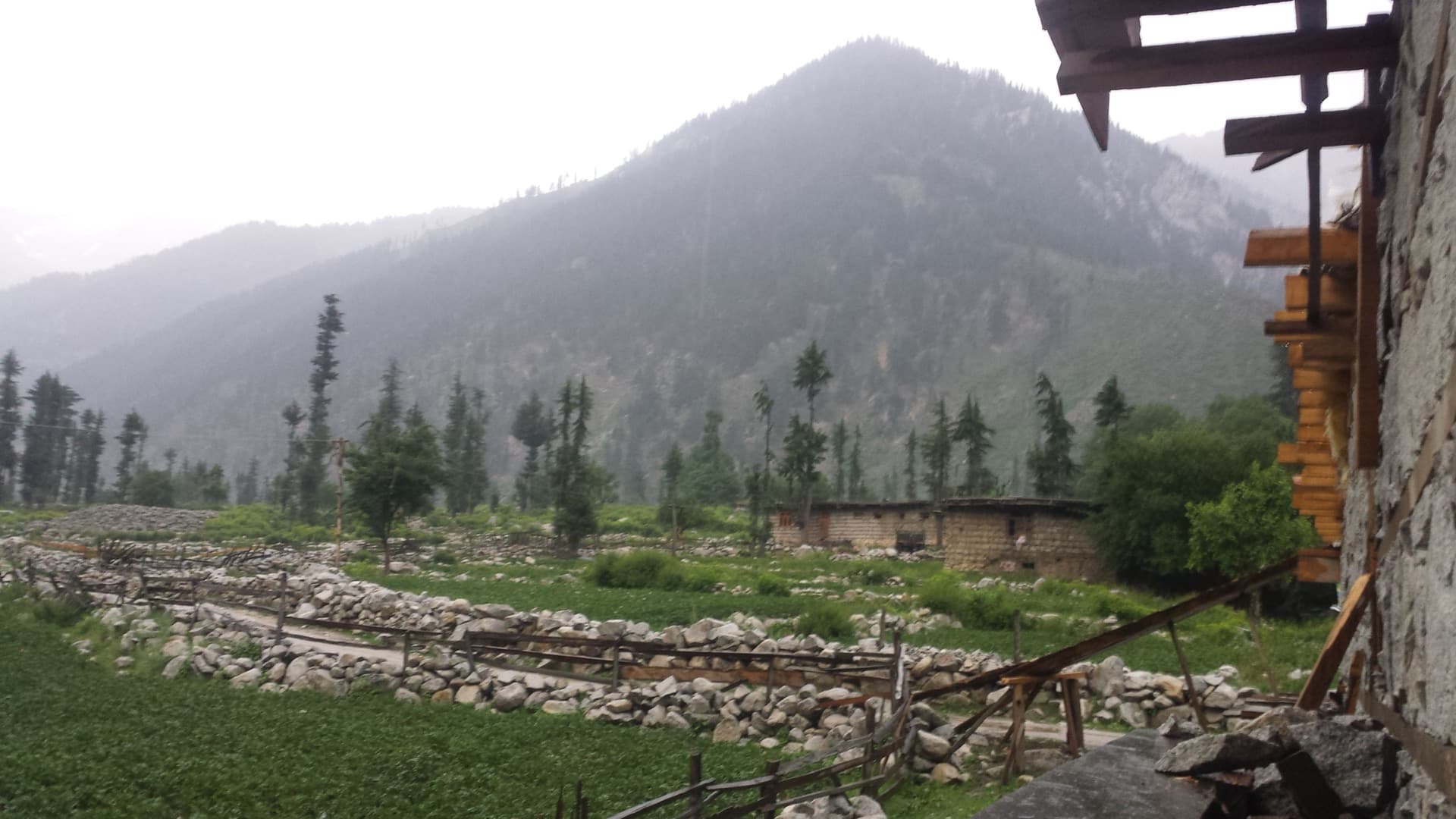
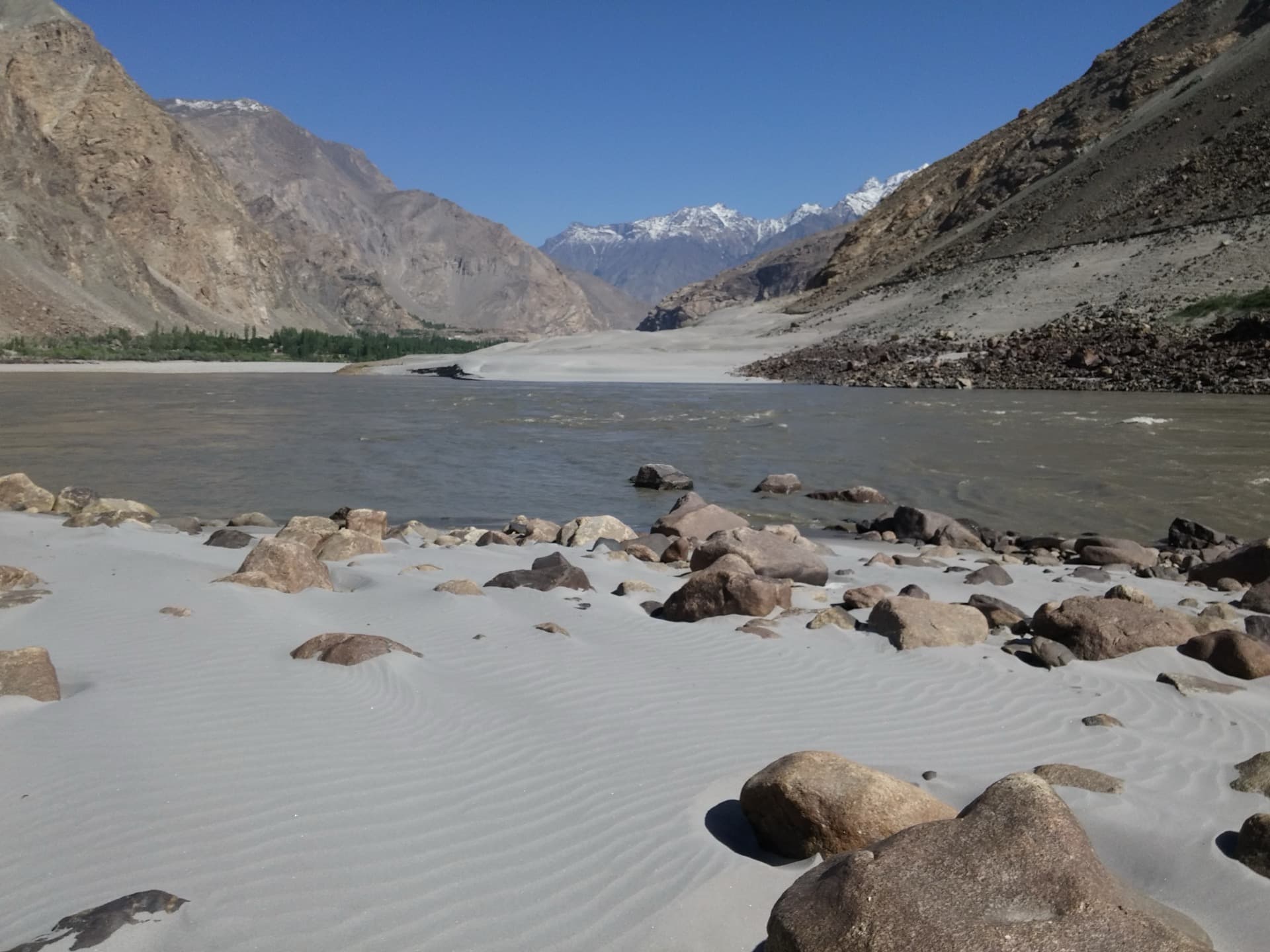
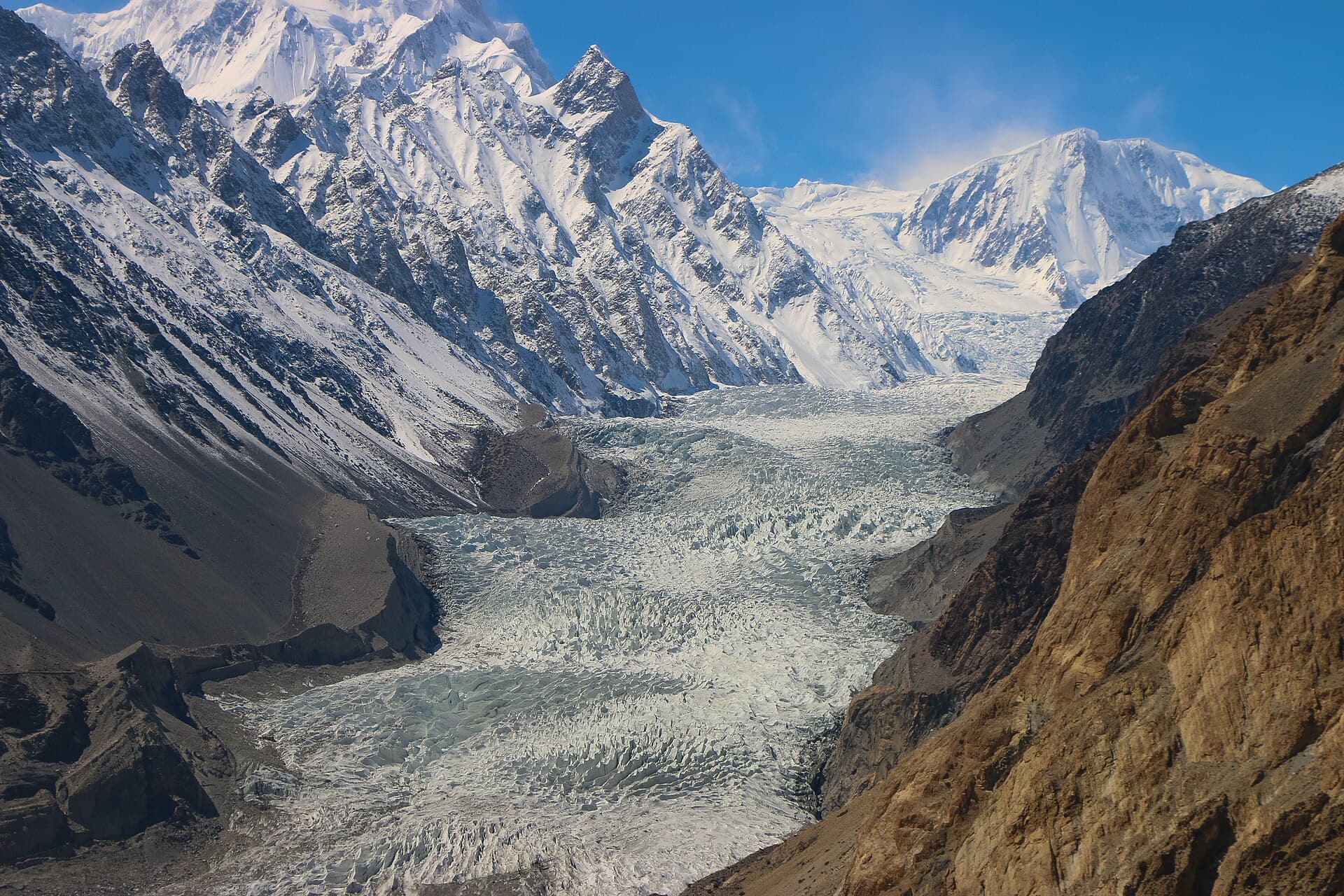
Northern Pakistan is one of the great road trip regions on earth, where three of the world's highest mountain ranges, the Karakoram, the Himalaya and the Hindu Kush, meet in a tangle of glaciers, turquoise lakes and apricot villages. But it is also big, high and seasonal, so a good itinerary is what turns a long drive into the trip of a lifetime. This guide lays out complete day by day plans for 7, 10 and 14 days, shows how to travel by road or by air, and answers the practical questions, whether you are starting from Islamabad, Lahore or Karachi, and whether you are travelling with family.
How long do you need?
- 7 days: enough for one region done well, usually Hunza plus Fairy Meadows, or Skardu on its own.
- 10 days: the sweet spot. You can pair Hunza and Skardu, or add Fairy Meadows to either, without rushing.
- 14 days: the complete northern loop, with time for side valleys, Deosai and slow travel.
Northern Pakistan is high and the roads are slow, so resist the urge to cram. Two regions in ten days beats five in ten every time.
When to go
The northern season runs roughly May to October. May and June bring spring greenery and late blossom, July and August are peak summer (and the only window for Deosai and Babusar Top, though the monsoon can nudge landslides onto the roads), and September to early October offers golden autumn colour with thinner crowds. From November to April most high routes close under snow. See our full best time to visit Pakistan guide for the month by month detail.
Getting to the north: road or air
By road from Islamabad, the classic route runs up the Hazara Expressway, through Besham and Chilas, and onto the Karakoram Highway, the legendary 1,300 km road to the Chinese border. In summer, the scenic alternative climbs the Kaghan Valley over Babusar Pass (4,173 metres), open roughly late June to September. The road to Gilgit is long, anywhere from 15 hours upward by bus, so most road trips break it over two days.
By air, daily flights connect Islamabad with both Gilgit and Skardu in under an hour, slashing the travel time. The catch is that these are mountain flights, frequently delayed or cancelled by weather, so always keep a buffer day and a road plan B. A smart combination is to fly one way and drive the other.
The classic 10-day northern Pakistan itinerary
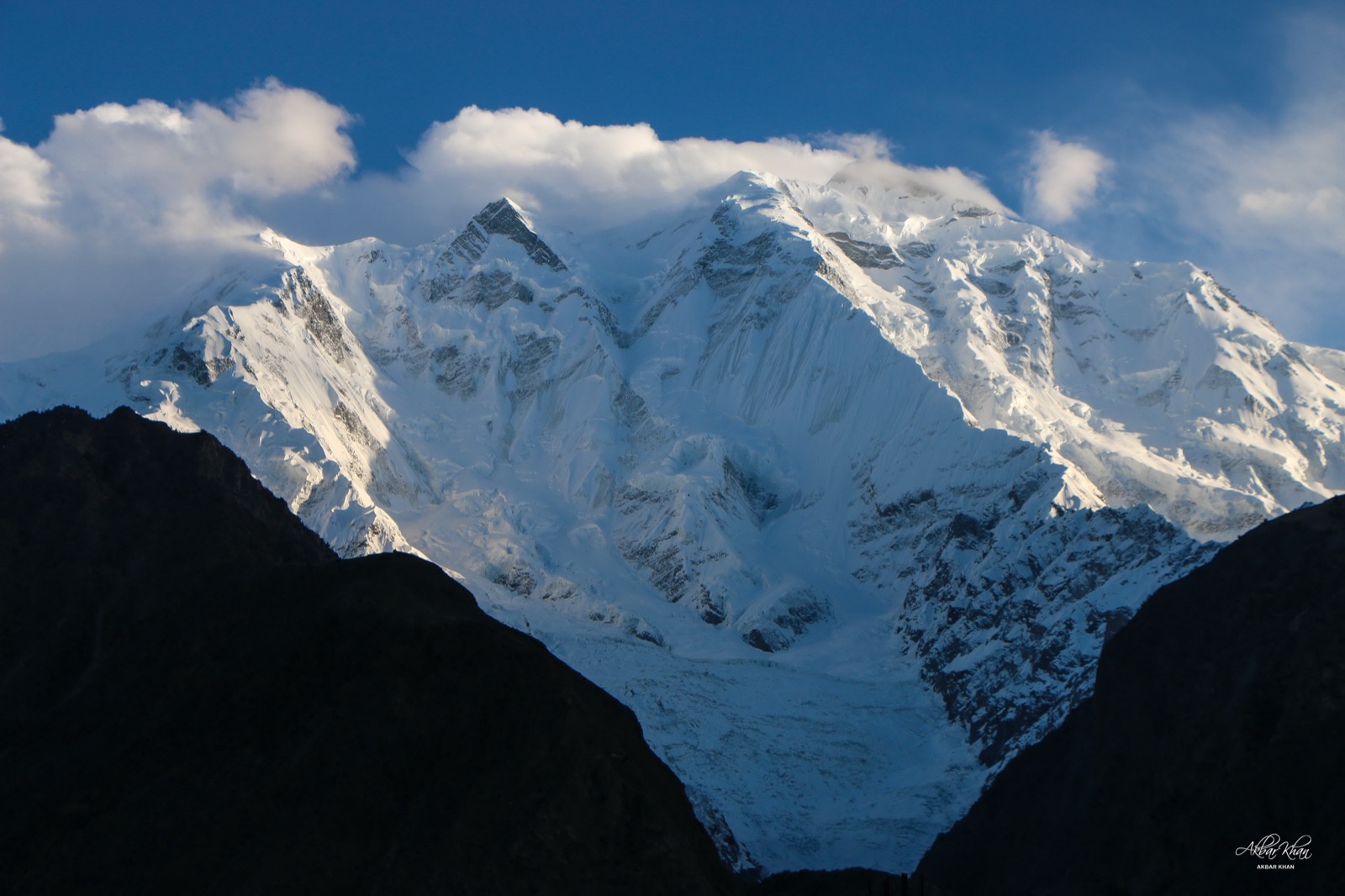
This balanced loop pairs Skardu's wilderness with Hunza's culture, with Fairy Meadows as the finale.
- Day 1, Islamabad. Arrive, see the Faisal Mosque and the Margalla Hills, and stock up on snacks. Overnight in Islamabad.
- Day 2, Islamabad to Skardu. Take the morning flight (or begin the two day drive). Settle in and visit the Kachura lakes near Skardu. Overnight Skardu.
- Day 3, Skardu. A full day for Deosai National Park, the second highest plateau on earth at about 4,100 metres, and Sheosar Lake, or the Katpana cold desert. Overnight Skardu.
- Day 4, Shigar and Khaplu. Drive out to the restored Shigar and Khaplu fort palaces in the side valleys, superb heritage stays. Overnight Khaplu or Skardu.
- Day 5, Skardu to Gilgit. The long, dramatic drive west to Gilgit, the regional hub. Overnight Gilgit.
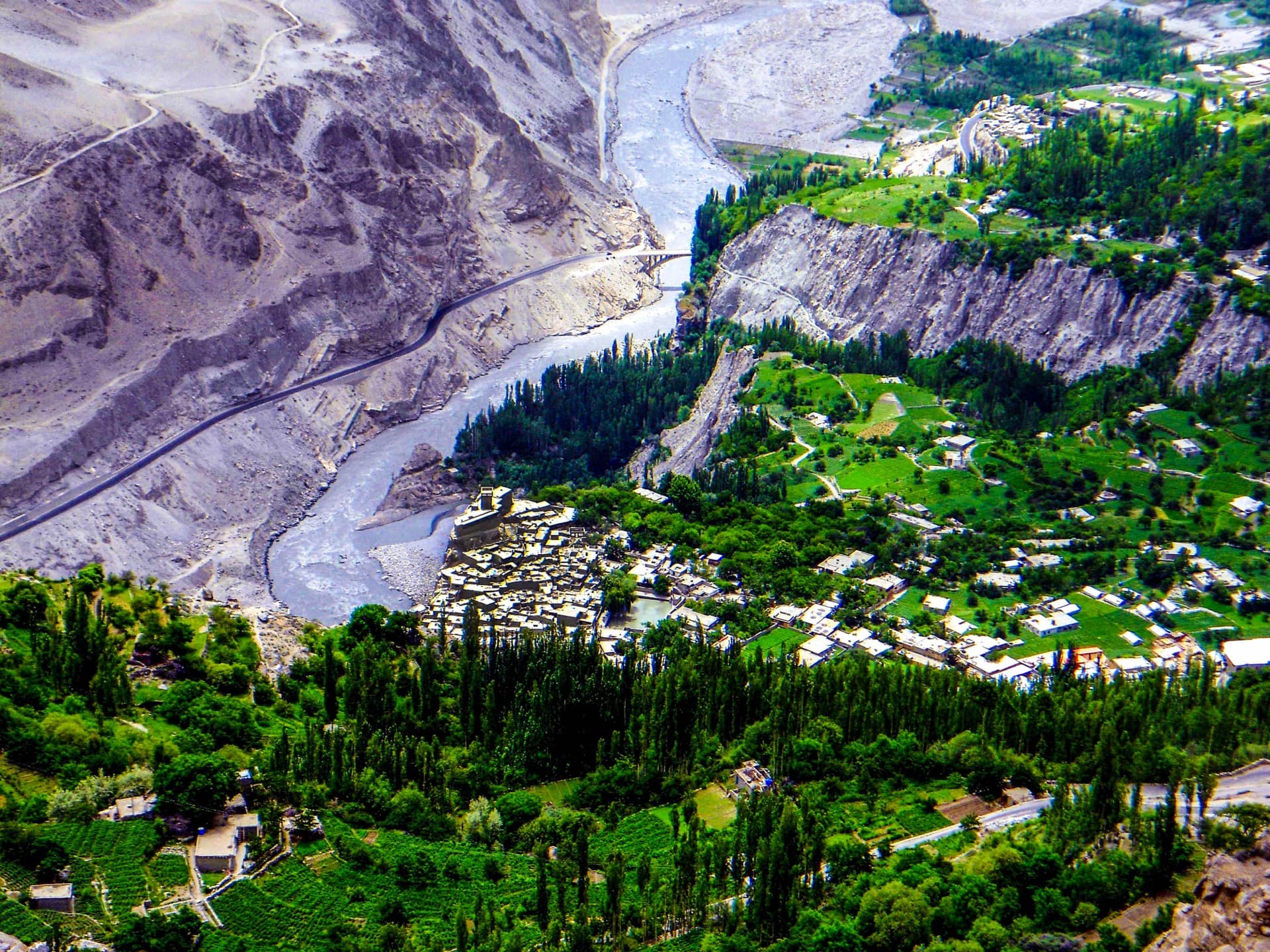
- Day 6, Gilgit to Hunza. Continue up the Karakoram Highway to Karimabad, about three to four hours. Visit Baltit Fort at sunset. Overnight Karimabad.
- Day 7, Hunza. Altit Fort, the old town, Eagle's Nest viewpoint at Duikar, and boating on the turquoise Attabad Lake. Overnight Karimabad.
- Day 8, Upper Hunza and Khunjerab. Drive past the Passu Cones and the Hussaini suspension bridge up to Khunjerab Pass at 4,693 metres, the China border. Overnight Karimabad.
- Day 9, Hunza to Fairy Meadows. Drive south to Raikot Bridge, switch to a jeep, then hike one and a half to three hours up to Fairy Meadows beneath Nanga Parbat. Overnight in a cabin.
- Day 10, Fairy Meadows to Islamabad. A sunrise view of Nanga Parbat, then the long descent and drive (or fly Gilgit to Islamabad). Trip ends.
The 7-day short version
Short on time? Pick one region. A strong seven day plan: Islamabad, then up to Hunza for three full days (forts, Attabad Lake, Khunjerab), across to Fairy Meadows for two nights, and back. Or fly to Skardu and give the whole week to Deosai, the lakes and the fort valleys. You see less, but you travel less too.
The 14-day complete loop
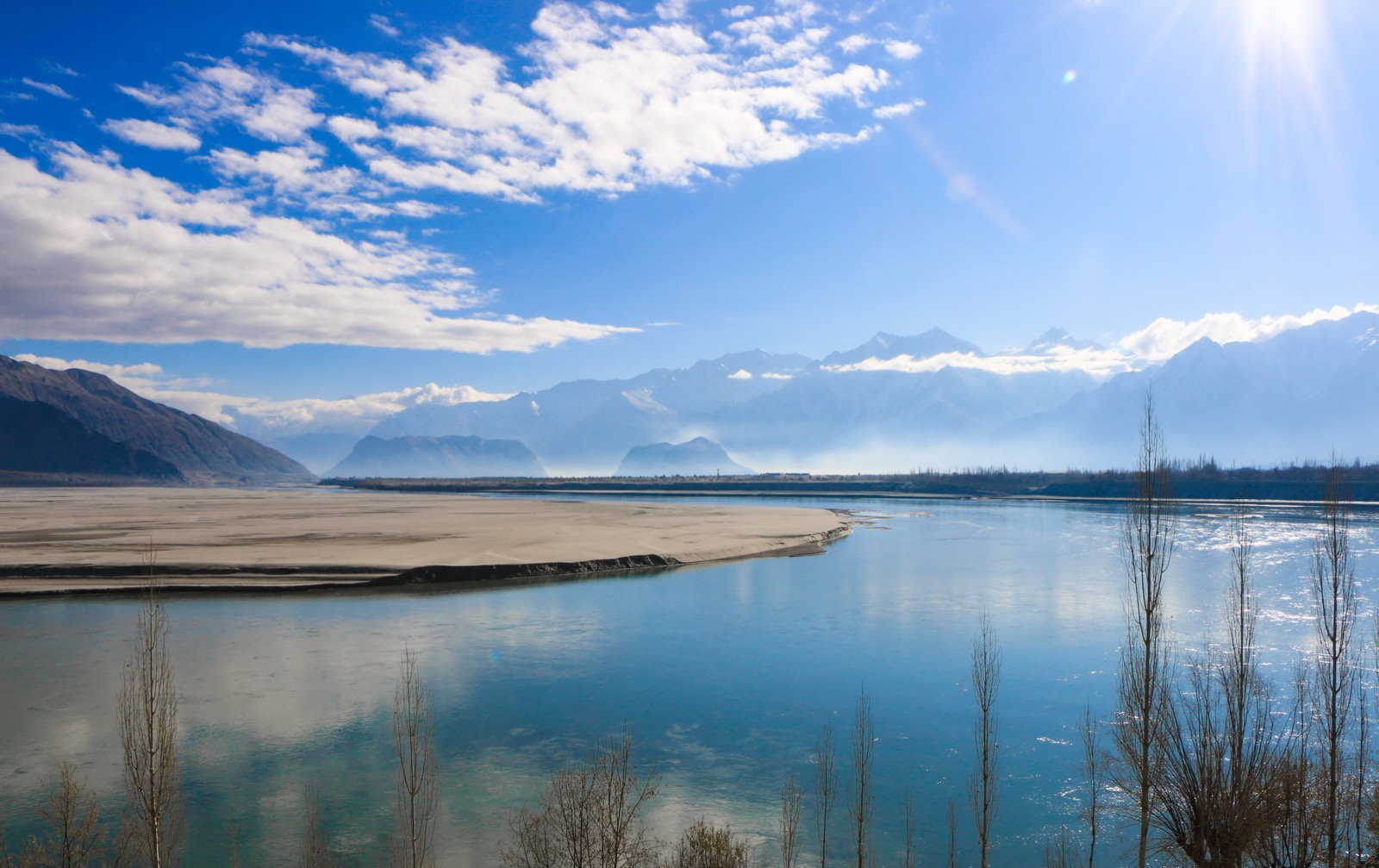
With two weeks, you can do it all without rushing: Islamabad, Naran and the Kaghan Valley, over Babusar Pass to Hunza, up to Khunjerab, across to Skardu for Deosai and the forts, then out via Fairy Meadows, with a couple of slack days for weather and side valleys like Nagar, Hopper Glacier or Astore. This is the trip for slow travellers and photographers.
Starting from Lahore or Karachi
If you are coming from Lahore, add a day: either fly Lahore to Islamabad (or Gilgit/Skardu directly when available) or drive the four to five hours up the motorway to Islamabad, then follow any plan above. From Karachi, flying is the only sensible option for the distance, so book Karachi to Islamabad (or straight to Skardu or Gilgit when flights allow) and pick up the itinerary from there. In both cases, budget one extra travel day at each end.
Travelling with family
The north is family friendly if you plan gently. Favour Hunza, which has the easiest roads, the gentlest sights and plenty of comfortable hotels, over the rougher Skardu side. Fly rather than endure the long bus legs with children, keep daily drives short, and build in rest days. Attabad Lake boating, the forts and the Eagle's Nest viewpoint are all easy crowd pleasers.
What it costs
Costs swing with how you travel. Self drive or public transport is cheap: an air conditioned VIP bus from Islamabad runs around 2,000 rupees, budget rooms are modest, and jeep rides to spots like Fairy Meadows are a few thousand rupees per vehicle. Organised tours, all in with flights, hotels, guide and transport, typically run from about 1,450 to 1,900 US dollars for budget trips, 2,200 to 2,600 for mid range, and toward 2,900 for premium packages. Peak summer and long weekends push prices up, so book ahead.
Practical tips
- Acclimatise. You will cross passes above 4,000 metres. Take altitude gently and carry warm layers even in July.
- Keep buffer days. Mountain flights cancel and roads close, so never plan a tight connection on the last day.
- Book ahead in summer. Hunza, Skardu and Fairy Meadows fill fast from June to August.
- Carry cash. Card machines are rare outside the bigger hotels and towns.
- Pick a good driver or guide. For first timers, a local driver who knows the roads is worth every rupee.
The two road routes north, explained
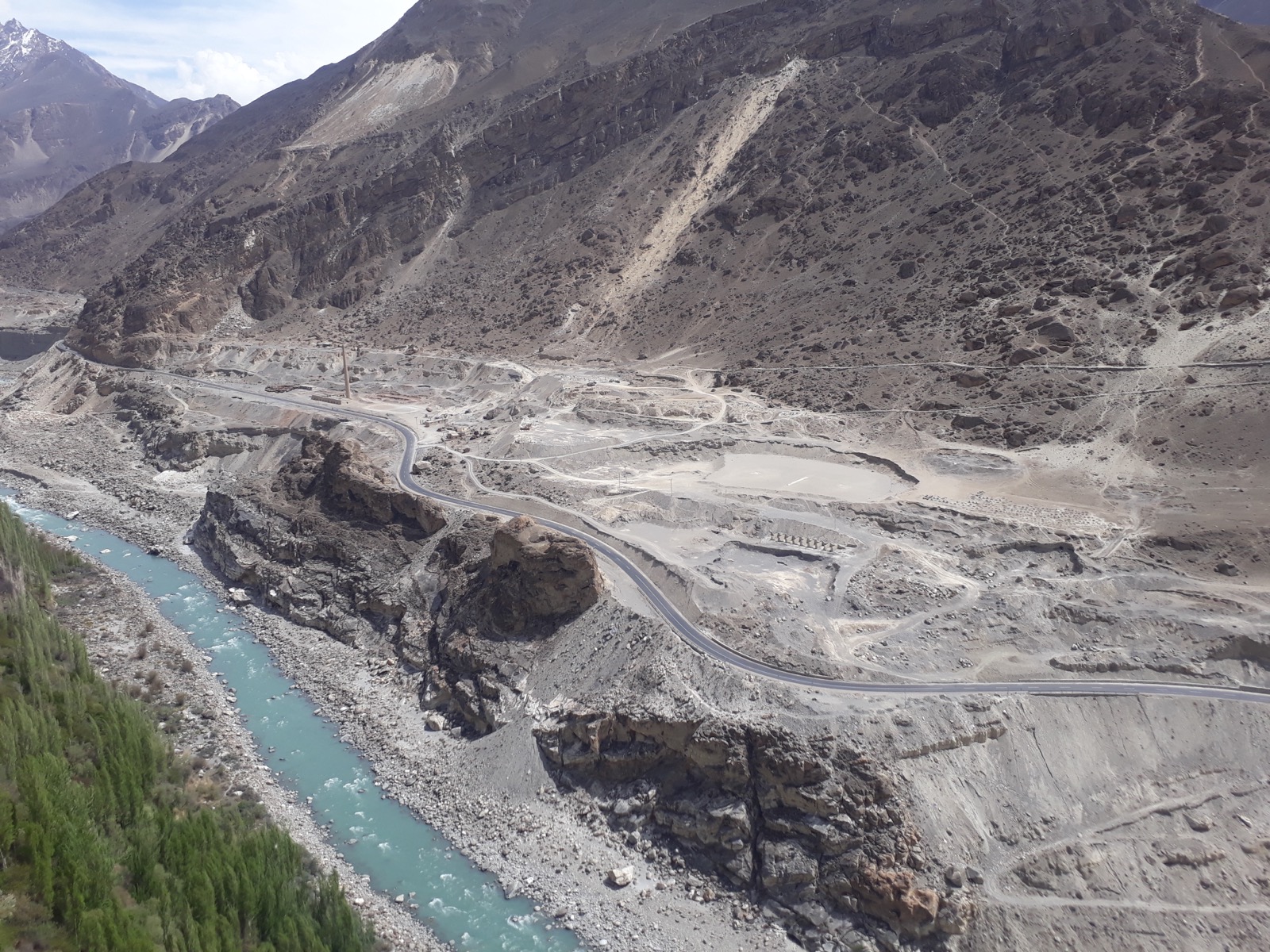
If you drive, you choose between two ways into Gilgit-Baltistan. The year round route runs up the Hazara Expressway from Islamabad to Mansehra, then through Besham and along the Indus to Chilas, joining the Karakoram Highway up to Gilgit and Hunza. It is open in all seasons but long, usually split over two days with a night around Chilas or Besham. The summer scenic route climbs the Kaghan Valley from Balakot through Naran and over Babusar Pass at 4,173 metres before dropping to Chilas, open only from roughly late June to September. Babusar is the more beautiful approach, so many travellers go up one way and back the other. Either way, start early, since mountain driving is slow and afternoon weather is less predictable.
What to pack for the north
- Layers and a warm jacket, even in summer, since nights at altitude are cold and passes can be near freezing.
- Sun protection, a hat and sunglasses for strong high altitude sun.
- Sturdy shoes for the Fairy Meadows hike and lake walks.
- A power bank and offline maps, because power and signal are patchy.
- Cash in rupees, plus any personal medication and a basic first aid kit.
Connectivity, permits and safety
Mobile coverage in the north runs mainly on the regional operator and fades fast once you leave the main towns, so download maps and route notes in advance. No special permit is needed for the main Hunza, Skardu and Gilgit areas, though you pass registration check posts and the Khunjerab border zone has its own rules. The region is broadly safe and a hugely popular family destination, but roads, not security, are the real planning challenge, so build in time and keep that buffer day.
A sample 10-day budget
For a mid range independent trip per person, expect roughly: return mountain flights or fuel for the drive, hotels at around 6,000 to 15,000 rupees a night, jeep hire to Fairy Meadows and the high spots at a few thousand rupees per vehicle, plus modest food costs since mountain meals are inexpensive. All in, an independent ten day trip can be done comfortably in the mid range, while a fully organised tour with flights, guide and hotels typically lands between about 1,900 and 2,600 US dollars.
Where each stop is covered in depth
Use these to flesh out the plan: the Hunza Valley travel guide, the Skardu travel guide, and the head to head Hunza vs Skardu to decide where to spend more time. For the southern approach, see Naran vs Swat. Browse every region on the destinations page.
Last updated
Share this article
Frequently asked questions
- How many days do you need for northern Pakistan?
- Ten days lets you cover both Hunza and Skardu with the Khunjerab Pass and Deosai in between. With a week, focus on Hunza alone: fly to Gilgit and base in Karimabad for four nights. Two weeks lets you add Fairy Meadows or Naltar.
- What is the best route for a northern Pakistan road trip?
- The classic loop runs up the Karakoram Highway from Islamabad through Chilas to Hunza, over to Skardu via Gilgit, then a flight back from Skardu to Islamabad. This keeps the long road haul to the way up and saves time on the return.
- How much does a 10-day northern Pakistan trip cost?
- Sharing a hired 4x4 and guesthouses, it is very reasonable per head. Big line items are the Skardu to Islamabad flight (around PKR 25,000 to 35,000 one way) and the Deosai 4x4 day (PKR 15,000 to 20,000 for the vehicle). Carry cash, as ATMs are scarce.
- When is the best time for this itinerary?
- June to September, when the alpine lakes and Deosai National Park are open and the valleys are green. October is excellent for autumn colour in Hunza but Deosai and the highest routes start to close. Avoid winter, when snow shuts the Khunjerab Pass.
- Should I fly or drive to northern Pakistan?
- A mix is best. Driving up the Karakoram Highway is part of the experience, but it is an 18 to 24 hour haul, so flying back from Skardu to Islamabad saves a long return. Flights can be cancelled by weather, so keep a buffer day.