Photo by Hamzaniazii, via Wikimedia Commons (CC BY-SA 3.0)Website
Naran or Swat. For a trip into Pakistan's green northern valleys, these two are the headline rivals, and they pull in slightly different directions. Swat is the closer, more varied, year round valley, with skiing, ancient Buddhist history and a string of lakes. Naran is the higher, wilder, summer only valley, built around alpine lakes and the dramatic road over Babusar Top. This guide compares them properly on access, altitude, things to do, the best time to go, food, cost and exactly who should pick which, using real distances and elevations so you can plan with confidence. So whether you are asking swat or naran, which is better, or simply comparing swat vs naran for your trip, you will find a clear answer below.
The quick verdict
- Choose Swat if you want easier access, more variety (forests, lakes, skiing and history), and a valley that works year round. It is the stronger pick for shorter trips, families and winter travel.
- Choose Naran if you want classic high alpine scenery: glacial lakes, high passes and raw mountain country. It is the stronger pick for summer lake hunters and photographers, but it closes in winter.
- Do both on a single six day loop if you have the time, since they sit on neighbouring routes north of Islamabad.
At a glance: Swat vs Naran
If you are short on time, here is the quick side by side comparison of Swat vs Naran before the detail below.
| Factor | Swat and Kalam | Naran and Kaghan |
|---|---|---|
| Distance from Islamabad | Around 4 to 5 hours on the motorway to Mingora | Around 7 to 8 hours up the Kaghan Valley |
| Season | Year round, including winter skiing | Summer only, roughly May or June to September or October |
| Terrain | Lower, green and forested, with rivers and lakes | Higher alpine, with passes above 4,000 metres |
| Headline sights | Malam Jabba skiing, Mahodand Lake, Kalam, Buddhist heritage | Lake Saif ul Malook, Babusar Top, Lulusar Lake |
| Best for | An easy first trip, year round access and variety | Classic alpine lakes and a summer road trip |
| Vibe | Varied, forested and historic | High, wild and lake focused |
Where they are and how to get there
Both lie in Khyber Pakhtunkhwa, north of Islamabad, but Swat is noticeably easier to reach.
Getting to Swat. Swat is about 247 km from Islamabad and, thanks to the Swat Expressway and motorway network, the drive to Mingora, the valley's main town, takes only around three to five hours on good, paved road. Comfortable AC coaches (Faisal Movers, Daewoo, Swat Coach and others) run the route for roughly 1,100 to 1,300 rupees. From Mingora it is a further climb up to Bahrain, Kalam and Malam Jabba. The easy approach is one of Swat's biggest advantages.
Getting to Naran. Naran is about 280 km from Islamabad, but the mountain road through Mansehra, Balakot and the Kaghan Valley means the drive takes a longer seven to nine hours. There is no expressway shortcut for most of it. Naran sits at about 2,400 metres and is the launch pad for the high lakes beyond.
So if drive time or a short trip matters, Swat wins on logistics. Naran asks for more road hours but rewards them with higher, starker scenery.
Altitude and terrain
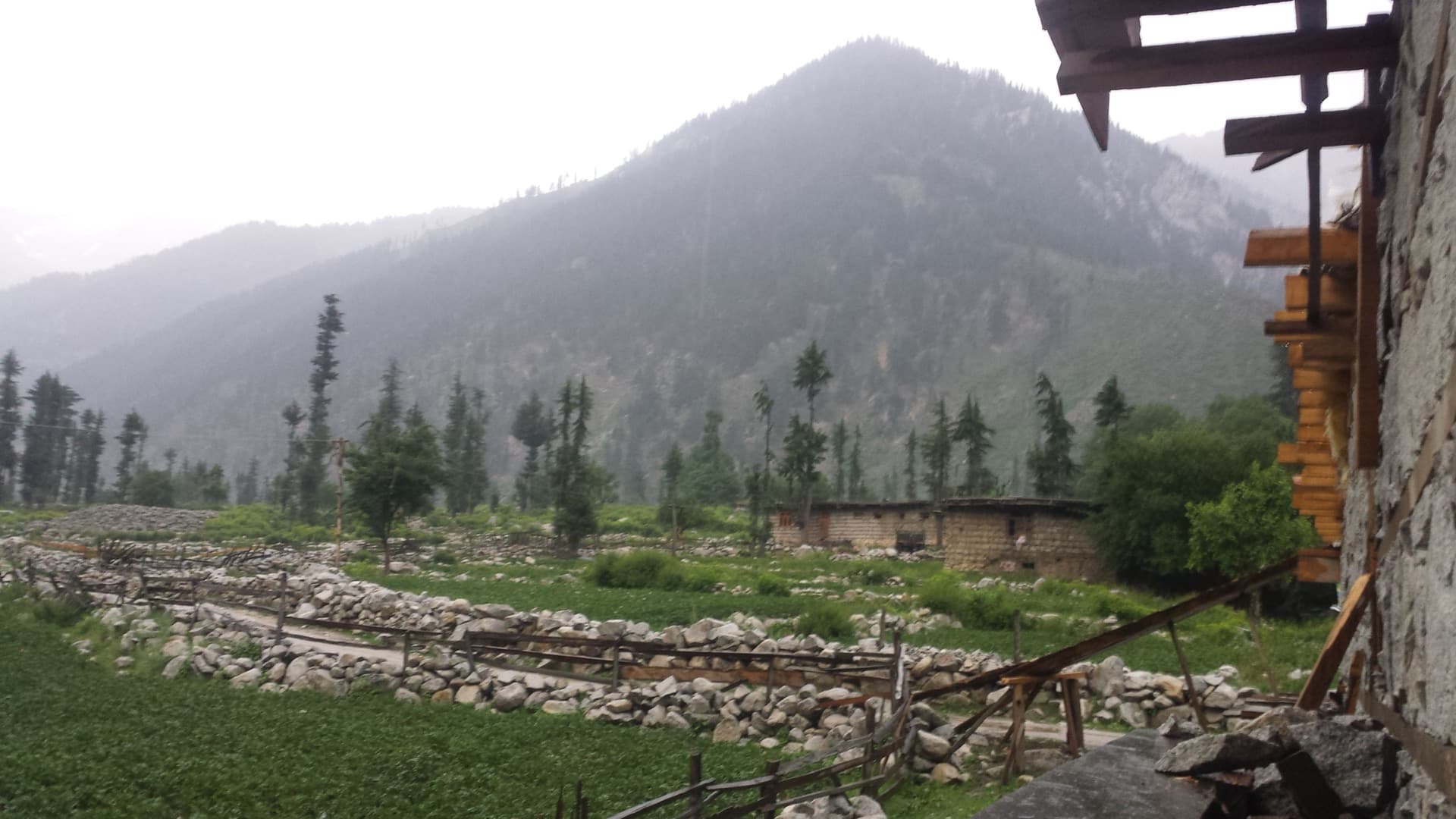
Swat is a broad, layered valley that rises gently from Mingora through forested Bahrain and Kalam (around 2,000 metres) up to high lakes and the Hindu Kush foothills, with peaks beyond 6,000 metres in the far north. Malam Jabba, the ski resort, sits at about 2,804 metres.
Naran is higher and more alpine from the start, at about 2,400 metres, and its signature sights climb steeply: Lake Saif-ul-Malook at roughly 3,200 metres, Lulusar at about 3,400 metres, and Babusar Top at 4,173 metres. Naran feels like true high country, while Swat feels like a green, forested mountain region.
Things to do in Swat
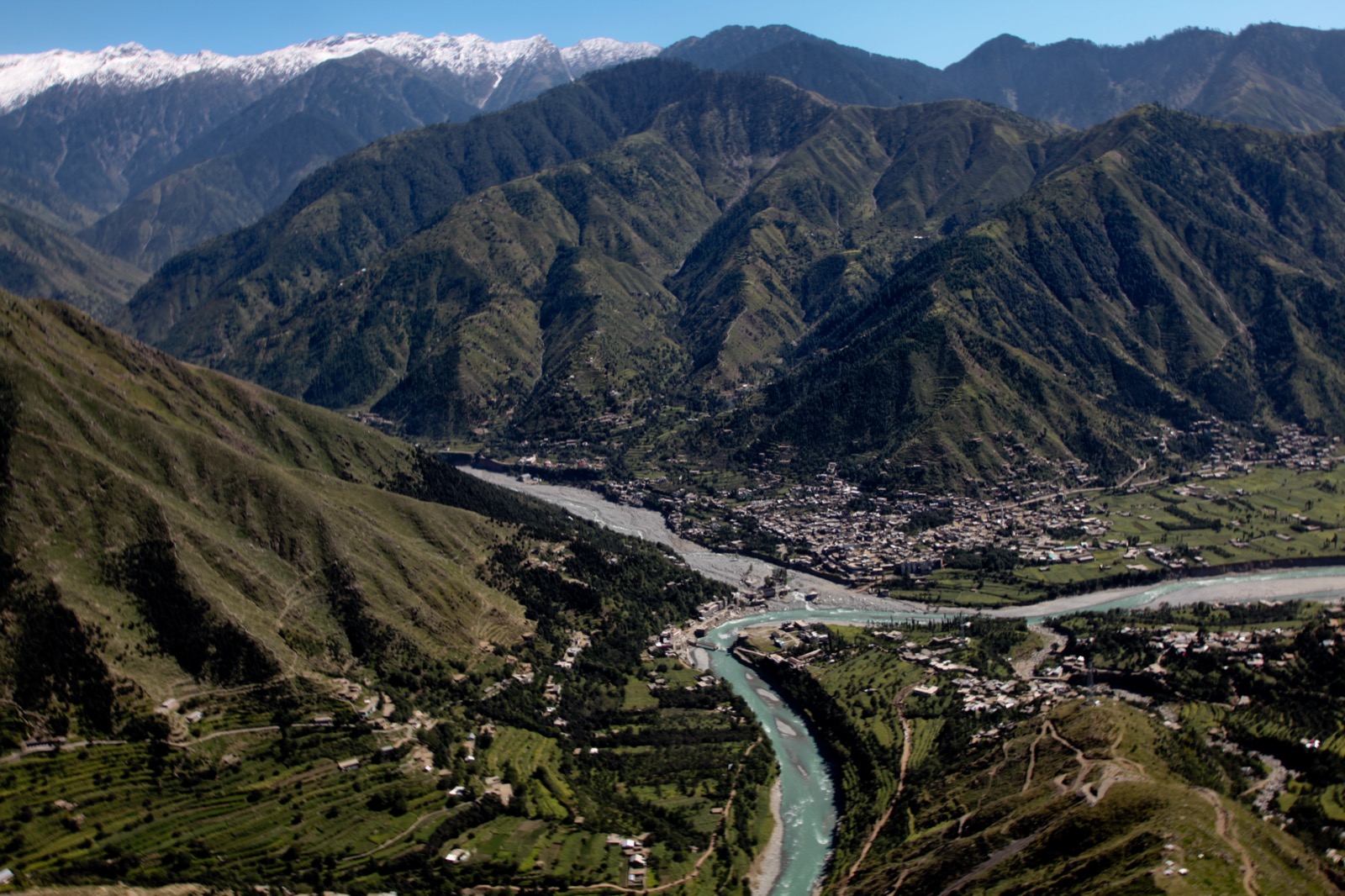
Swat's strength is variety:
- Kalam, the most popular base, at around 2,000 metres, ringed by dense alpine forest, rivers and high meadows.
- Malam Jabba, Pakistan's main ski resort at about 2,804 metres, with a chairlift, zipline and winter snow sports, plus summer activities.
- Mahodand Lake, the "lake of fish" at about 2,865 metres, reached by jeep from Kalam through the Ushu forest, superb for boating and trout.
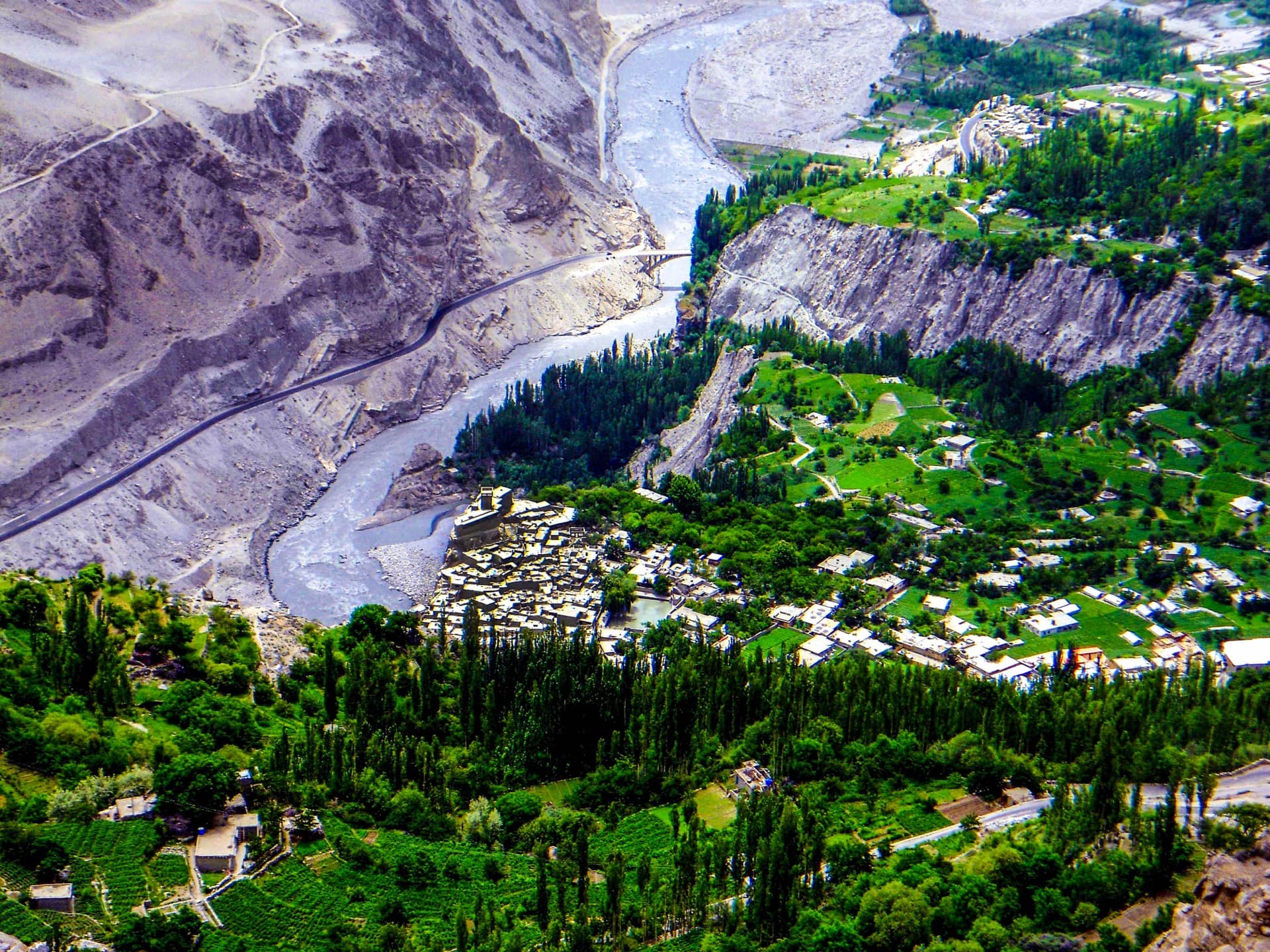
- Bahrain, the riverside town where the Daral and Swat rivers meet, a classic stop on the way up.
- The Gandhara Buddhist heritage, ancient stupas, monasteries and rock carvings that make Swat historically unique among Pakistan's valleys.
- Trout fishing, rafting, paragliding and hiking, with around 35 lakes scattered across the wider valley.
Swat's mix of forest, water, snow and history is hard to match, and three to five days covers the core comfortably.
Things to do in Naran
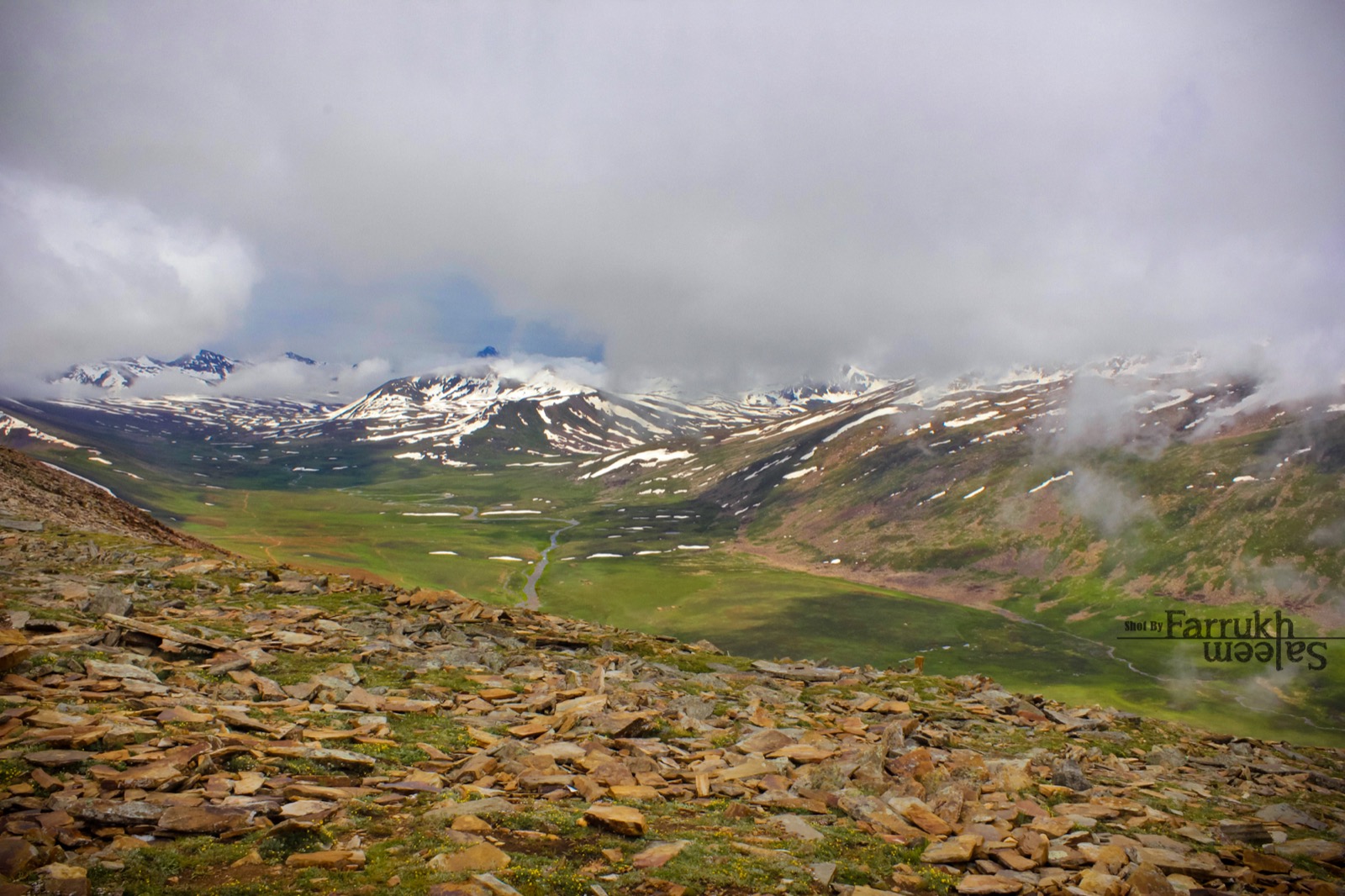
Naran is all about high alpine lakes and the road north:
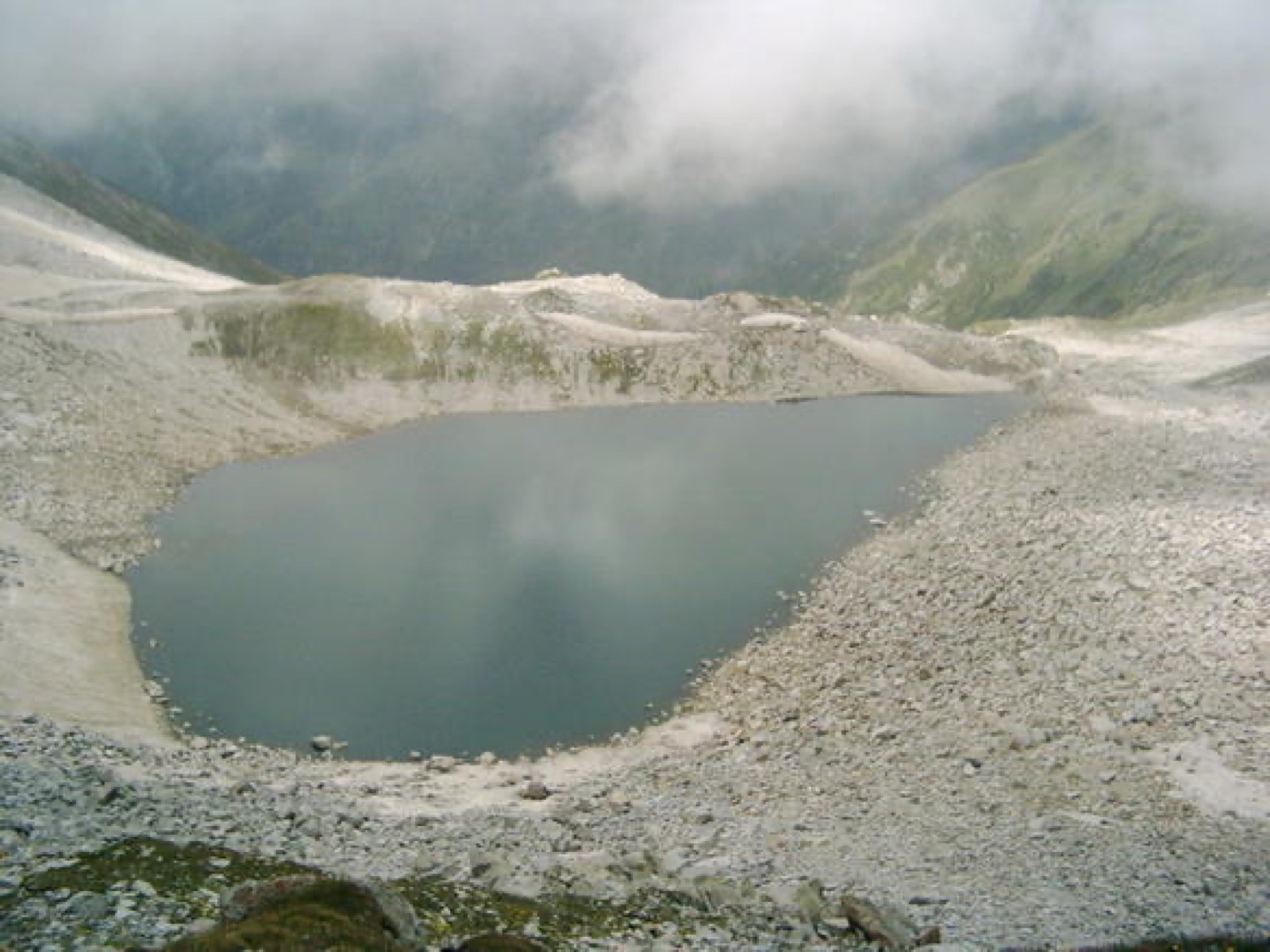
- Lake Saif-ul-Malook, the famous glacial lake at about 3,200 metres beneath Malika Parbat, 7 to 10 km from Naran by jeep or a roughly three hour hike, wrapped in local folklore.
- Lulusar Lake, an alpine lake at about 3,400 metres surrounded by wildflowers, on the way to Babusar.
- Babusar Top, the 4,173 metre pass that links the Kaghan Valley to Chilas and the Karakoram Highway, with huge panoramic views.
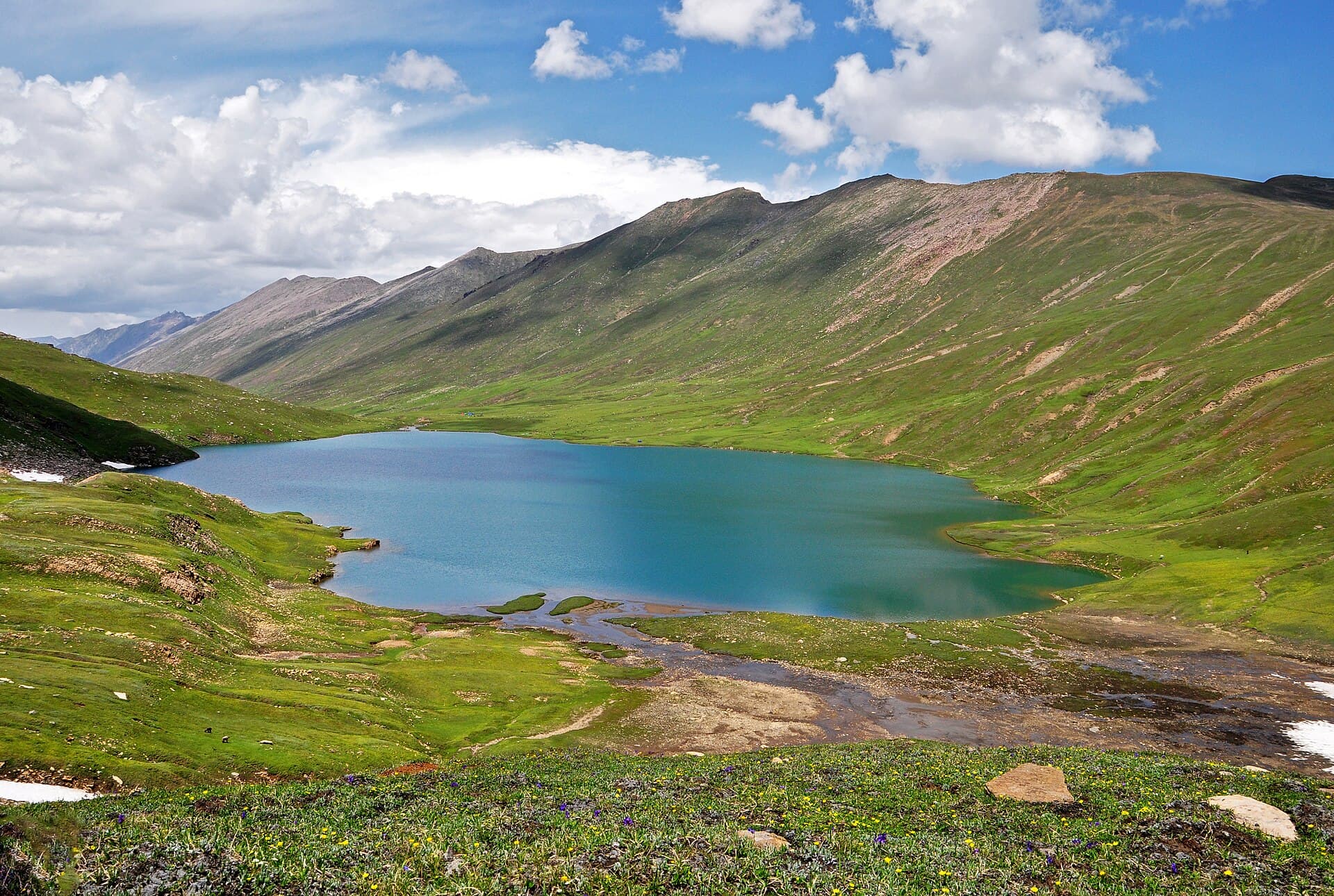
- Dudipatsar Lake, a stunning lake at about 3,800 metres reached on a demanding day hike from Besal.
- Ansoo Lake, the tear shaped lake on a tough six to eight hour trek, famously spotted by air force pilots in 1993.
- Shogran and the Siri Paye meadows, lower down at about 2,400 and 3,400 metres, reached by jeep, ideal for those who want alpine views without a hard trek.
- The Kunhar River, glacier fed, for trout fishing and white water rafting.
Naran rewards time, with several days needed to reach its scattered lakes.
Best time to visit each
This is where they really differ.
- Swat is effectively a year round destination. Spring to autumn (April to October) brings pleasant weather for the lakes and forests, while winter (December to February) is prime time for skiing at Malam Jabba. That four season appeal is a major point in Swat's favour.
- Naran is strictly seasonal. The road and the high lakes are open roughly late May to October, with June to August the peak. Babusar Top is generally only open from about July to September or October. From November to April, heavy snow closes much of the valley.
If you want a winter trip, Swat is the clear answer. For summer alpine lakes, both deliver, but Naran is at its absolute best from June to early September. See our best time to visit Pakistan guide for the full picture.
Food and culture
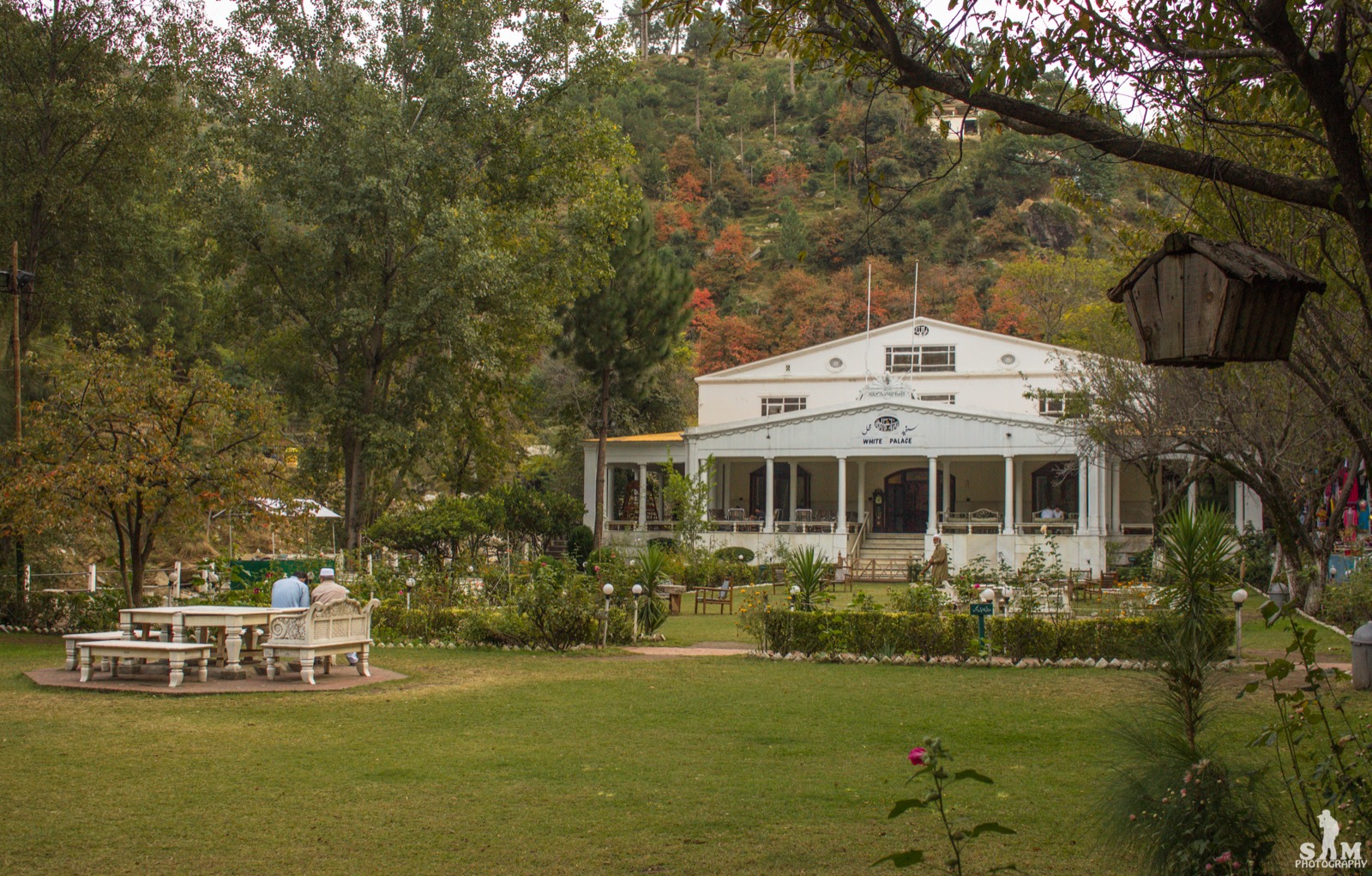
Both valleys serve Pashtun mountain food: barbecued meats, fresh naan, and above all river trout, often grilled simply by the water. Swat adds its layer of Gandhara Buddhist history, with museums and archaeological sites around Mingora that give it real cultural depth. Naran is less about heritage and more about pure mountain scenery and lakeside tea stops. Both are warmly hospitable, and both get busy with domestic tourists in summer.
Where to stay and what it costs
Swat has the broader and more developed spread of hotels, from budget guesthouses in Mingora and Bahrain to resorts in Kalam and at Malam Jabba. Naran has plenty of hotels too, concentrated in Naran town and Shogran, but standards and prices swing with the short season.
Costs are modest. A typical multi day trip runs somewhere between about 25,000 and 80,000 rupees per person depending on transport and comfort, and a combined Swat plus Naran tour package commonly starts around 76,000 rupees for six days. Jeep hire to the lakes (Saif-ul-Malook, Mahodand) is a notable extra, often 10,000 to 12,000 rupees for the vehicle. Prices climb sharply in peak summer and on long weekends, so book ahead.
Which should you choose?
- Short trip or first visit: Swat. It is closer, faster to reach and offers more in less time.
- Winter or skiing: Swat, for Malam Jabba.
- Families and easy sightseeing: Swat, with its gentler access and variety.
- Summer alpine lakes and high passes: Naran, for Saif-ul-Malook, Lulusar and Babusar.
- Serious trekkers: Naran, for Dudipatsar and Ansoo lakes.
- History lovers: Swat, for its Gandhara Buddhist sites.
Can you do both in one trip?
Yes, and it is a popular loop. A typical six day, five night route starts in Swat (Malam Jabba and Kalam with a Mahodand jeep day), crosses east via Shangla toward Balakot, then climbs the Kaghan Valley to Naran for the Siri Paye meadows, Lulusar, Babusar Top and Saif-ul-Malook before heading home. It packs both valleys into one strong week. Our northern Pakistan itinerary shows how to slot them into a longer trip, and the full Swat Valley travel guide and Naran Kaghan travel guide cover each in depth. Browse all regions on the destinations page.
Sample plans
Swat in four days. Day one, drive up via the expressway and visit Malam Jabba for the chairlift and zipline. Day two, continue to Kalam through Bahrain. Day three, a jeep day to Mahodand Lake and the Ushu forest. Day four, the Gandhara sites around Mingora on the way home.
Naran in four days. Day one, the long drive up to Naran via Balakot, with a stop at Shogran or Siri Paye. Day two, the jeep ride to Lake Saif-ul-Malook. Day three, the run north to Lulusar and Babusar Top. Day four, the drive back, with a riverside trout lunch in the Kaghan Valley.
Getting around once you are there
In Swat, the main road is paved as far as Kalam and Malam Jabba, so a normal car covers most of the valley, and you only switch to a four wheel drive for the rough track up to Mahodand Lake and the higher meadows. In Naran, you can drive a car into Naran town, but the signature sights all need a jeep: the bumpy climb to Lake Saif-ul-Malook, the long run to Lulusar and over Babusar Top, and the tracks to the trailheads. Budget for jeep hire on the Naran side, commonly ten to twelve thousand rupees for the vehicle to the main lakes, and expect slow, scenic going.
Connectivity, safety and practicalities
Mobile coverage is reasonable in the main towns of Mingora and Naran but drops off fast in the high valleys and at the lakes, so do not rely on data once you climb. Carry enough cash, since card machines are rare outside larger hotels. Both valleys are peaceful, popular family destinations today and see heavy domestic tourism in summer, which means booking rooms ahead from June to August is essential. If you head to Babusar Top or the high lakes, remember you are climbing past 3,000 and even 4,000 metres, so take the altitude gently and pack a warm layer even in summer.
The bottom line
Swat is the easier, more versatile valley: closer to Islamabad, open all year, and packed with forests, lakes, skiing and ancient history. Naran is the higher, more seasonal one, built for a summer of glacial lakes and the unforgettable drive over Babusar Top. If you have one short trip or want winter snow, go to Swat. If you are chasing alpine lakes in summer, go to Naran. With a spare week, the loop that links them is one of the best green valley road trips in Pakistan.
For accommodation, see our where to stay in Naran guide.
Last updated
Share this article
Frequently asked questions
- Is Naran or Swat better to visit?
- Naran is better for high alpine lakes and rugged mountain scenery like Saif-ul-Malook and Babusar Top. Swat is better for green valleys, an easier drive, more hotels and winter skiing at Malam Jabba. With a week or more you can comfortably do both.
- Which is easier to reach from Islamabad, Naran or Swat?
- Swat is easier: Mingora is about 230 km and 5 to 6 hours on the fast M1 and Swat Motorway. Naran is about 270 km and 6 to 8 hours up the Kaghan valley, with a slower, more mountainous final stretch.
- Does Naran or Swat have a longer season?
- Swat. It sits lower (Kalam is around 2,000 metres), so it greens up earlier, stays open longer, and adds winter skiing. Naran is higher, so its season is roughly May to October, with the Babusar road and highest lakes only reliably open July to September.
- Can you ski near Naran or Swat?
- Only in Swat. Malam Jabba is Pakistan's main ski resort, with a chairlift (around PKR 1,500) and a winter season from December to March. Naran has no ski resort and its high routes are snowbound and closed in winter.
- Can you visit both Naran and Swat in one trip?
- Yes, with about a week or more. They lie on different routes north of Islamabad rather than next to each other, so a combined trip means more driving, but it pairs the green Swat valleys with Naran's high alpine lakes nicely.