Photo by Mvazim, via Wikimedia Commons (CC BY-SA 4.0)Website
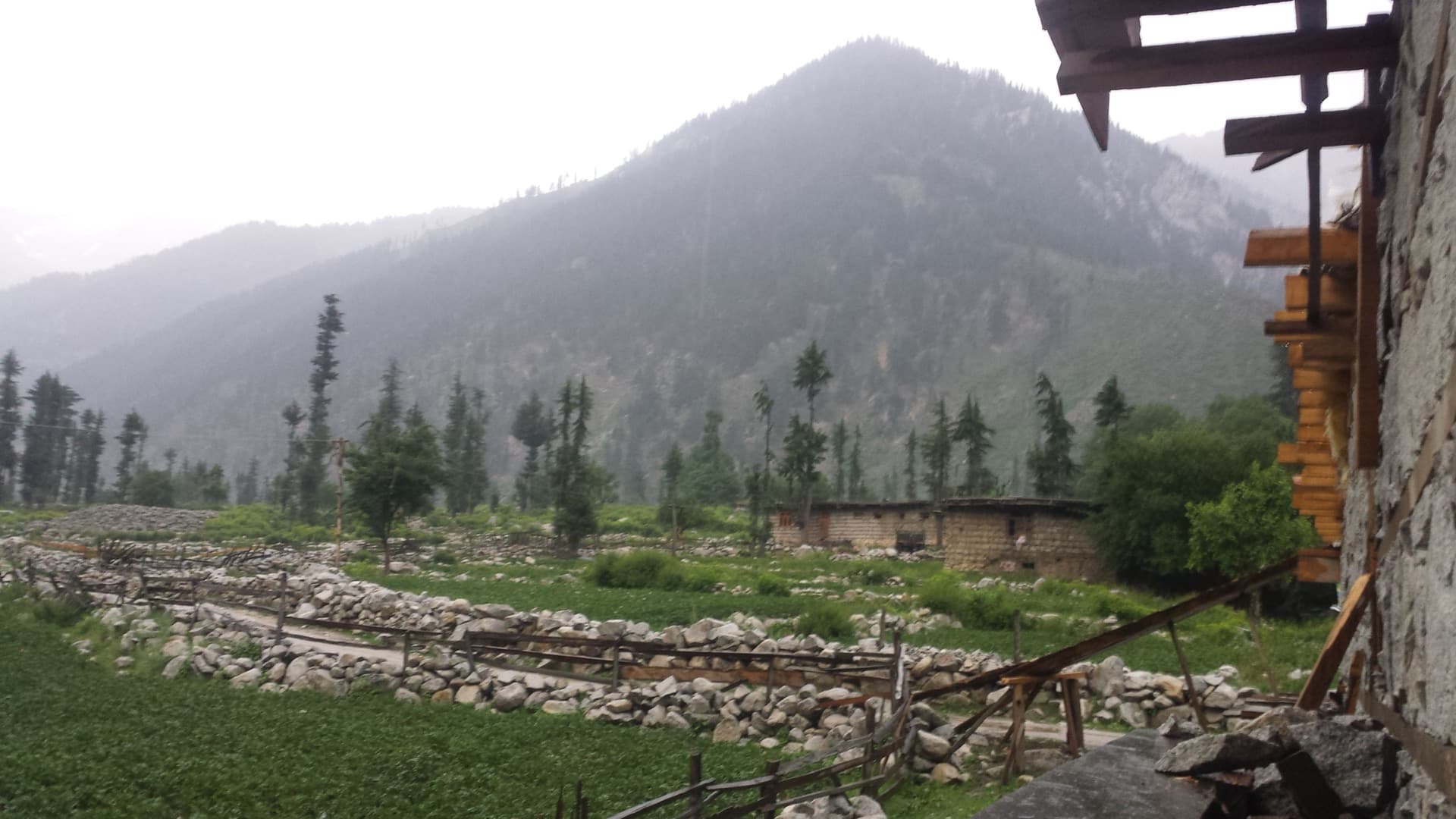
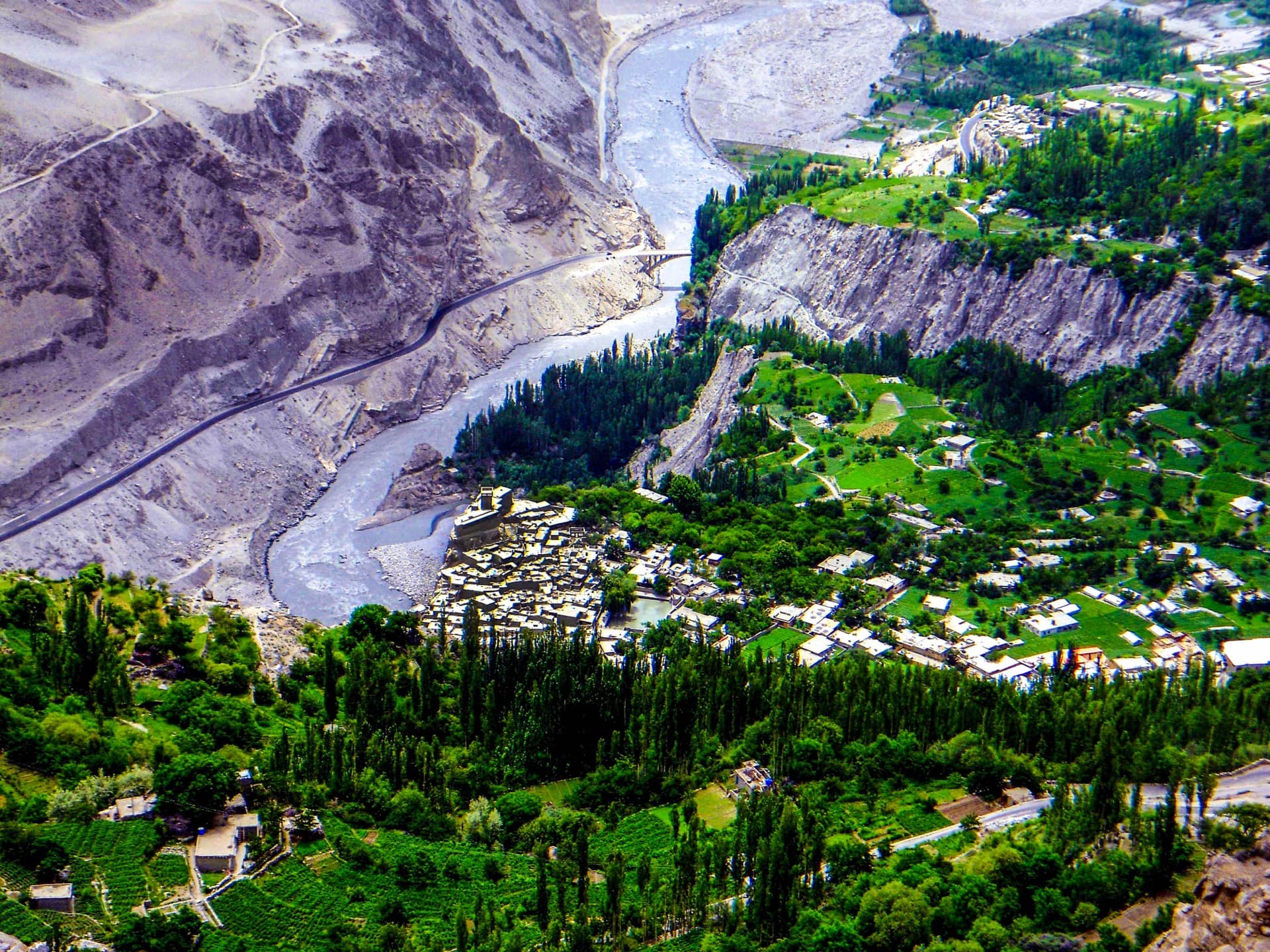
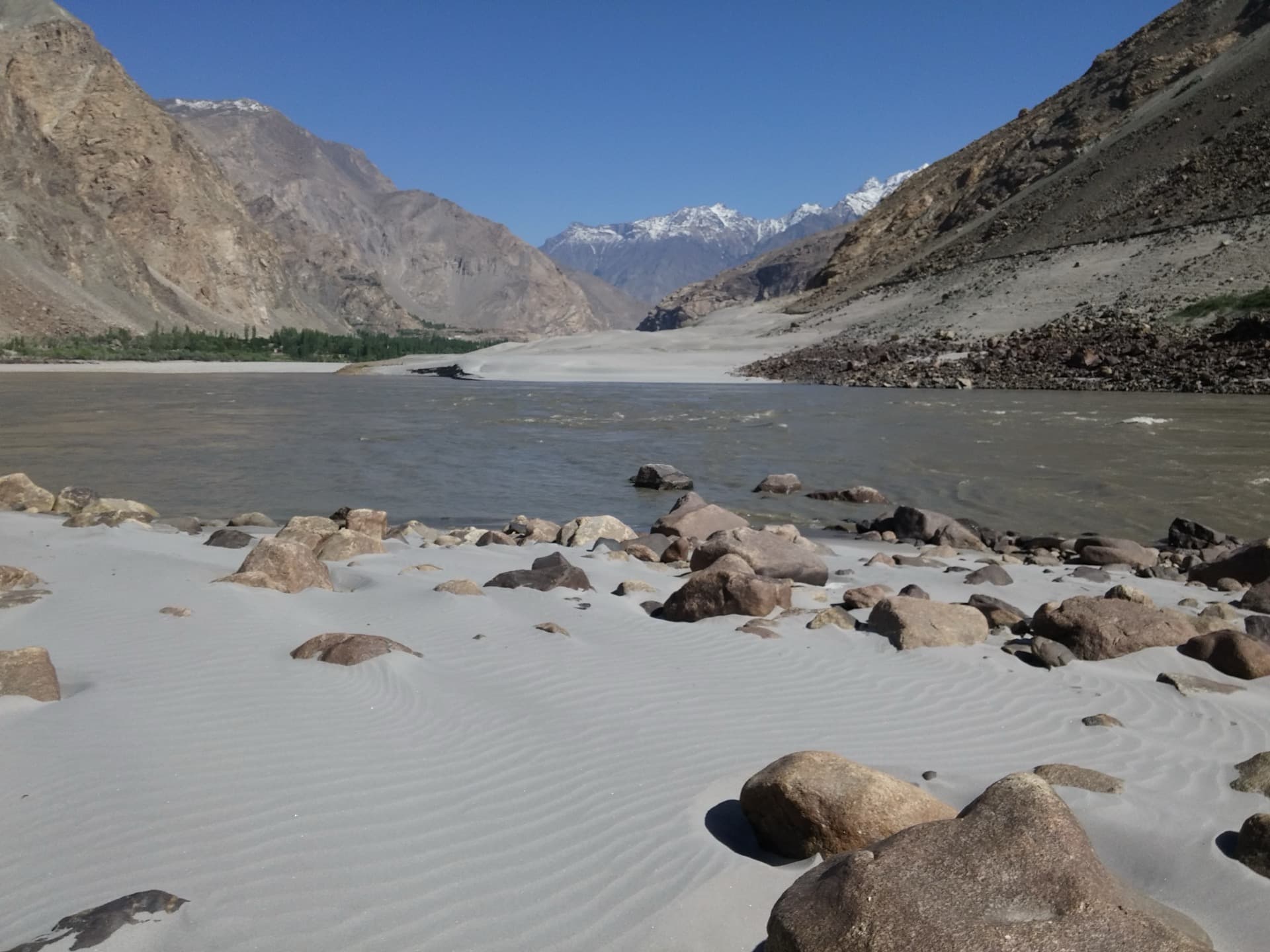
The Kaghan Valley, and its bustling hub town of Naran, is the alpine lake capital of Pakistan and one of the easiest mountain escapes to reach from the cities. In a single valley you get the legendary Lake Saif-ul-Malook, the high drama of Babusar Top, the green meadows of Shogran and Siri Paye, and a glacier fed river full of trout. This guide is a complete, up to date plan: how to get to Naran from Islamabad, Lahore and Karachi, the best places to visit with their real altitudes, the best time to go, what it costs, where to stay, and a simple itinerary to tie it together.
Naran Kaghan at a glance
- Where: the Kaghan Valley, Mansehra district, Khyber Pakhtunkhwa. Naran town sits at about 2,409 metres.
- Distance from Islamabad: roughly 280 to 285 km, about five to eight hours by road.
- Best time: May to October, with June to August the peak summer season.
- Famous for: Lake Saif-ul-Malook, Lulusar Lake, Babusar Top, Shogran and Siri Paye, and trout fishing on the Kunhar River.
- Closed: heavy snow shuts much of the upper valley from about November to April.
How to get to Naran
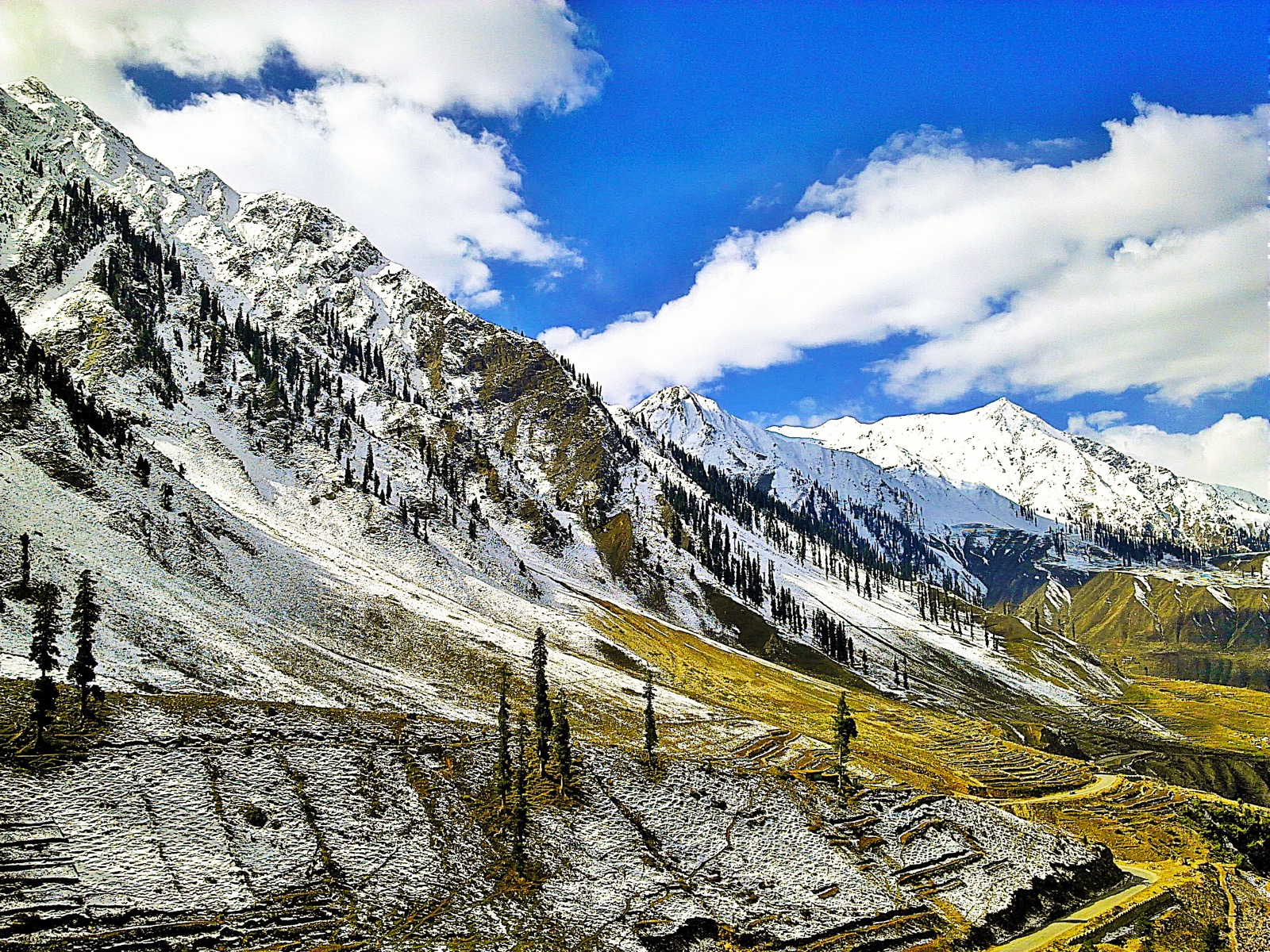
From Islamabad. This is the standard gateway. The drive is about 280 to 285 km and takes roughly five to eight hours via the M-15 Hazara Motorway through Abbottabad and Mansehra, then the N-15 up through Balakot and the Kaghan Valley. A private car transfer from Islamabad runs around 18,000 rupees per vehicle, and AC buses serve Balakot and Mansehra with a local van link onward. Peak season traffic can add an hour or two.
From Lahore. About 611 km and roughly eleven hours. Most travellers drive or bus up to Islamabad first, then continue, or take a direct tour coach.
From Karachi. Around 1,684 km, so flying to Islamabad and continuing by road is the only sensible plan, adding a travel day.
From Abbottabad and Peshawar. Naran is about 150 km from Abbottabad and 340 km from Peshawar, useful if you are already in the region.
A practical note echoed by experienced travellers: do not attempt to self drive the upper mountain roads if you are not used to them. Hire a local driver, who will also know the jeep tracks to the lakes.
The shape of the valley
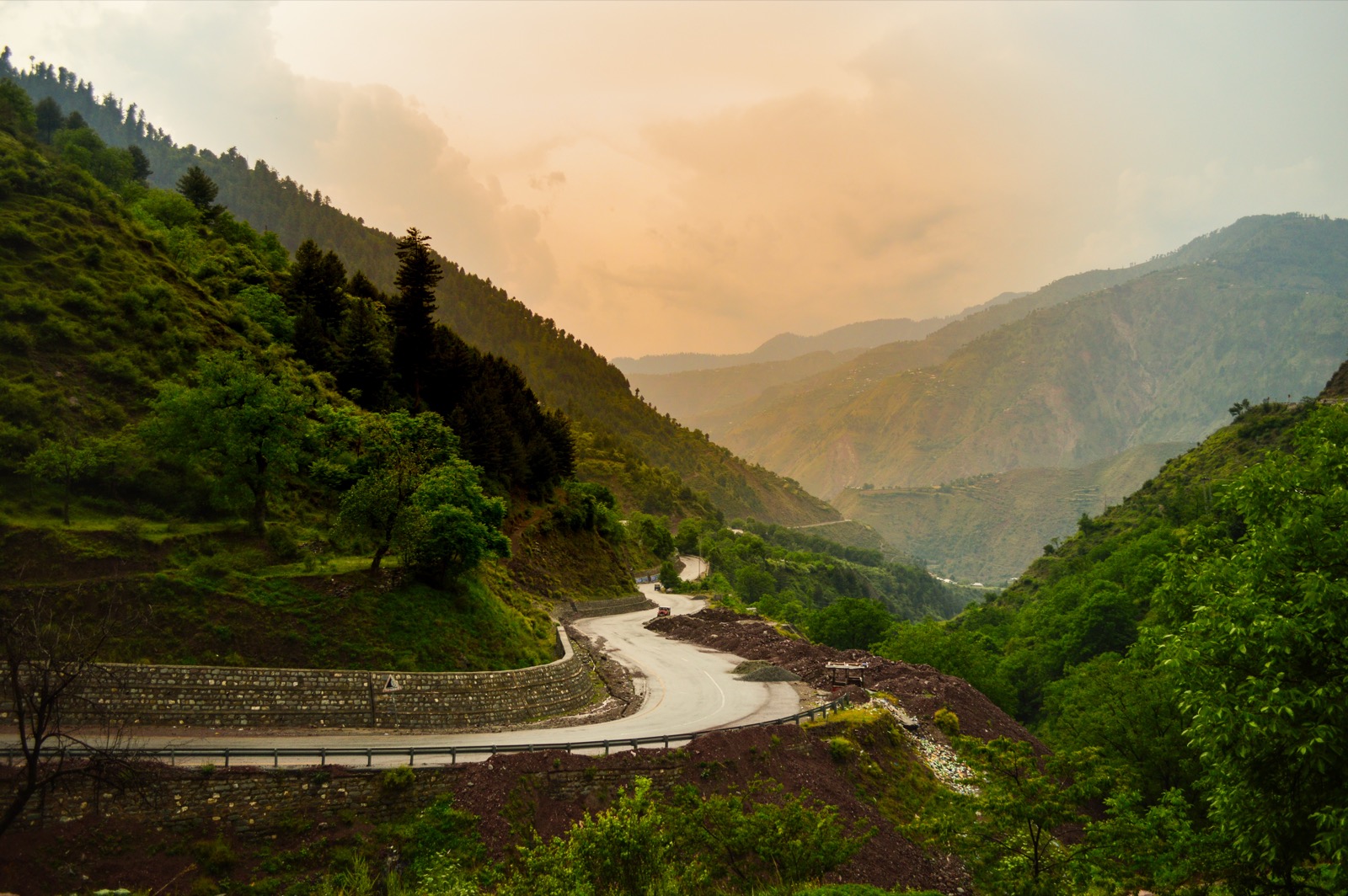
The Kaghan Valley climbs steadily along the Kunhar River. Coming up from Balakot you pass Kiwai (with its roadside waterfall and the jeep turn for Shogran), then Kaghan village, then Naran itself, the main base with hotels and restaurants. Beyond Naran the road continues to Batakundi, Jalkhad, Lulusar Lake and finally Babusar Top, the 4,173 metre pass that drops over to Chilas and the Karakoram Highway. Knowing this order helps you plan day trips out of Naran.
Top places to visit in Naran and Kaghan
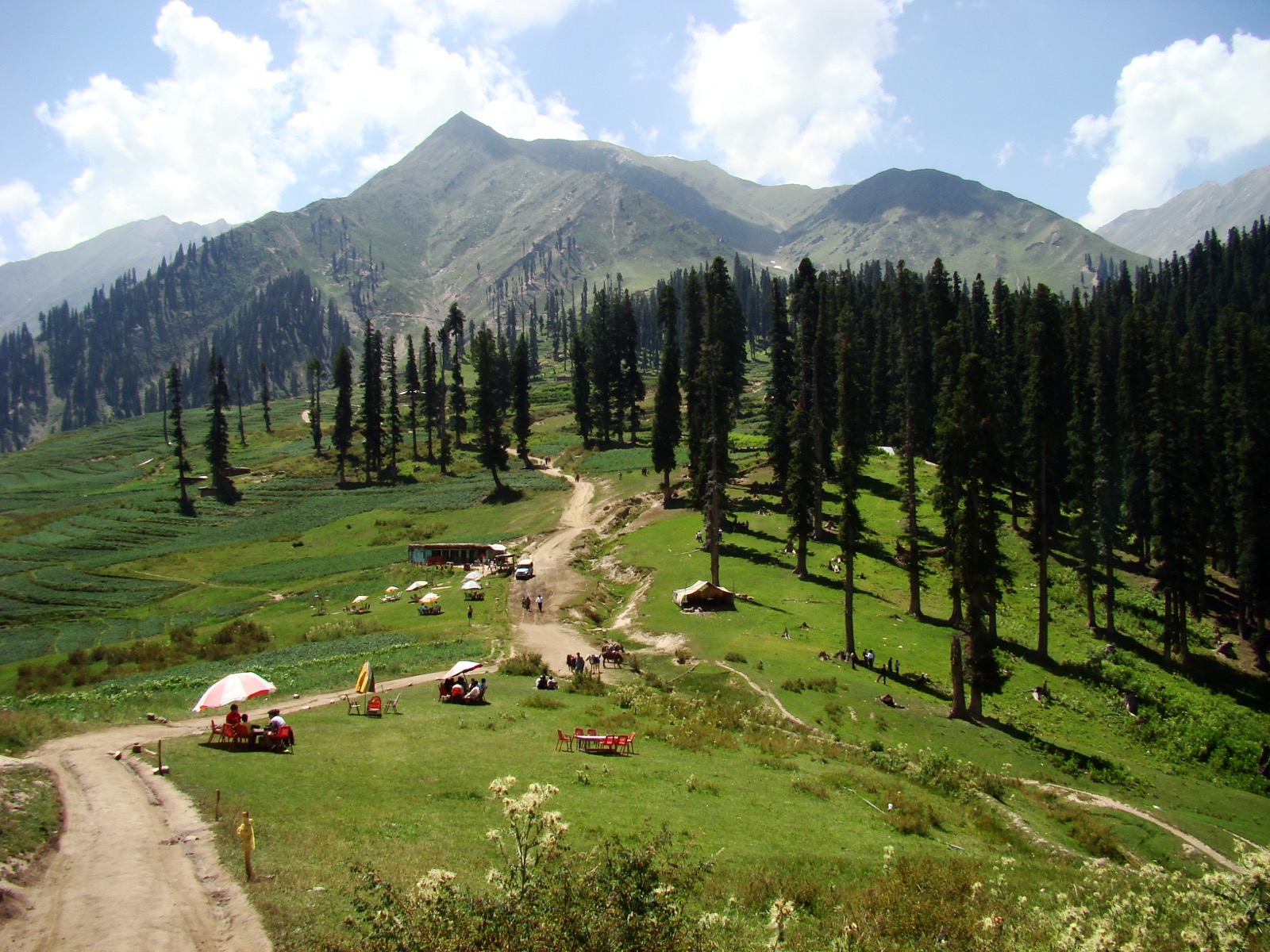
- Lake Saif-ul-Malook, the star attraction, an emerald glacial lake at about 3,210 metres beneath Malika Parbat, roughly 9 to 10 km from Naran. Reach it by a bumpy 4x4 jeep ride or a hike of around three hours, and soak in the folklore of the prince and the fairy that gives the lake its name.
- Babusar Top, the 4,173 metre pass north of Naran, with vast panoramic views, open only from about mid June to late September.
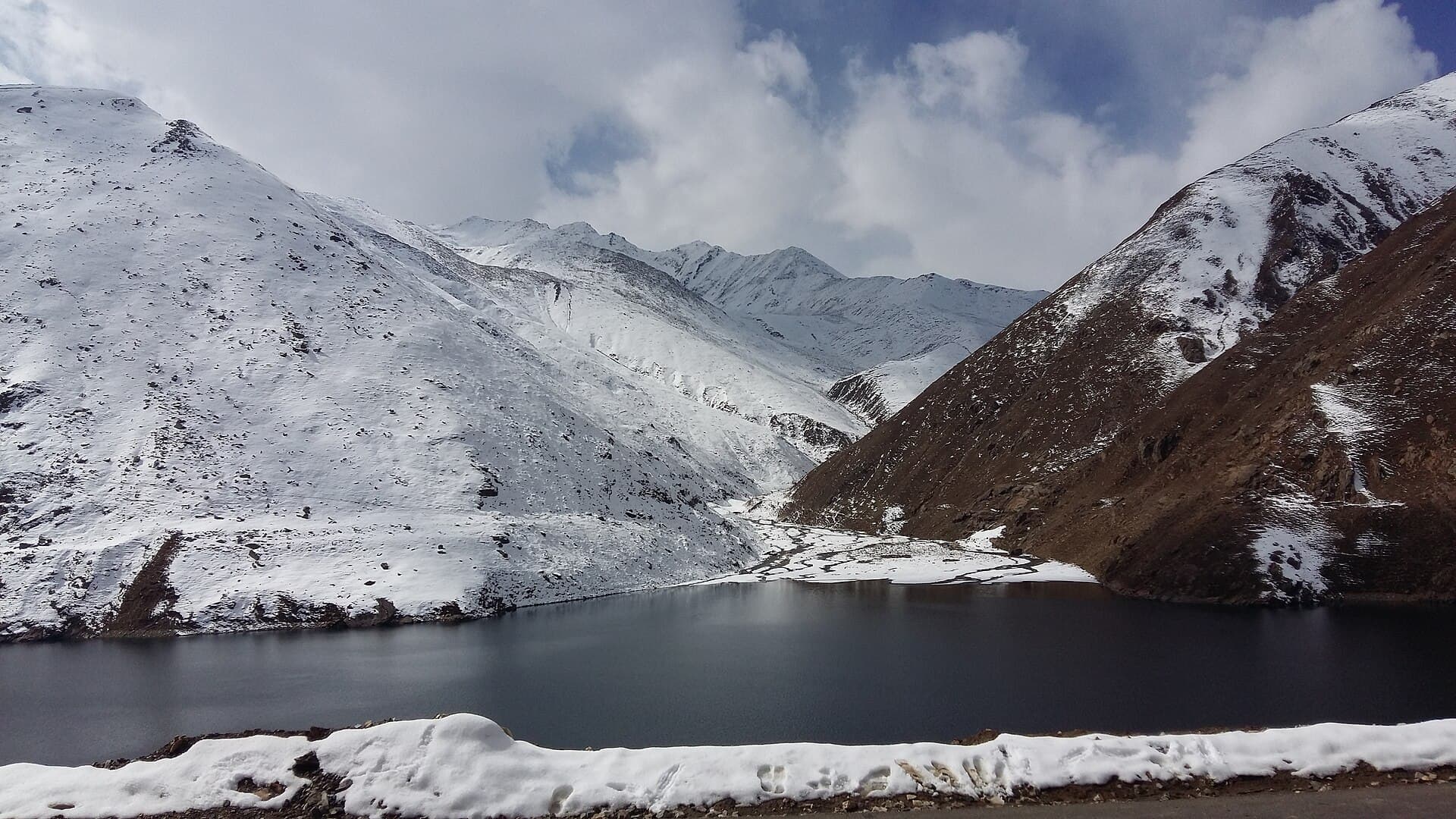
- Lulusar Lake, an alpine lake at about 3,410 metres on the road to Babusar, ringed by wildflowers and the source of the Kunhar River.
- Lalazar Meadows, a flower filled plateau at about 3,294 metres with classic alpine views.
- Shogran and Siri Paye, lower in the valley: Shogran at about 2,400 metres is a forested resort, and a 4x4 or a roughly two and a half hour climb takes you up to the Siri Paye meadows at about 3,414 metres.
- Dudipatsar Lake, a stunning high lake at about 3,800 metres, reached on a demanding day hike from Besal for serious walkers.
- Ansoo Lake, the tear shaped lake famously spotted by air force pilots in 1993, on a tough six to eight hour trek.
- The Kunhar River, for trout fishing and white water rafting, plus the Kiwai waterfall on the way up.
Best time to visit Naran Kaghan
The valley is firmly seasonal. The road and the high lakes open from roughly late April or May through October, with June to August the peak, when days are a pleasant 15 to 25 degrees and every lake is reachable. Babusar Top specifically is usually open only from mid June to late September. Spring (March to May) brings blossom lower down and quieter roads, while September to early November offers autumn colour and far fewer crowds. From December to February heavy snow closes the upper valley, though lower spots like Shogran and Batakundi can stay reachable.
Where to stay
Naran town has the widest choice, from simple guesthouses to mid range and a few upmarket hotels, many along the river. Shogran is the other popular base, set among pine forest. Budget rooms commonly run the equivalent of about ten to twenty dollars a night, climbing steeply in peak summer and around Independence Day in August, so book ahead. Expect limited and unreliable WiFi and power in the higher reaches, and carry a power bank.
What it costs
Naran is affordable however you do it. Independent travel keeps costs low: budget rooms, cheap local food, and shared jeep rides to the lakes. Organised tour packages from Islamabad are popular and typically run, per person, around 40,000 to 60,000 rupees for a three day trip, 65,000 to 75,000 for four days, and more for longer or more luxurious tours, usually including transport, hotels, breakfast and the pre arranged 4x4 transfers to Saif-ul-Malook and Siri Paye. The big extras are jeep hire to the lakes and any guided treks.
Food in Naran
Mountain food here is hearty and fresh: grilled trout pulled from the Kunhar River, mutton and lamb barbecue, chapli kebabs, pakoras with chai at roadside stops, and local honey. Naran bazaar is the place to eat and stock up before heading to the lakes.
A simple three to four day plan
- Day 1: Drive up from Islamabad, with a stop at Kiwai and an afternoon at Shogran or the Siri Paye meadows. Overnight Naran or Shogran.
- Day 2: The jeep ride to Lake Saif-ul-Malook, with time at the lakeside, and the Naran bazaar in the evening.
- Day 3: The full day run north to Lulusar Lake, Lalazar and Babusar Top for the big views, returning to Naran.
- Day 4: A relaxed morning, trout lunch by the river, and the drive back, or a hike toward Dudipatsar for the energetic.
Practical tips
- Altitude: Naran sits at about 2,400 metres and the lakes and passes climb well above 3,000 and 4,000 metres, so take it gently and pack warm layers even in July.
- Use jeeps for the lakes: Saif-ul-Malook, Siri Paye and Babusar all need a four wheel drive on rough tracks.
- Book ahead in summer: the valley is hugely popular with domestic tourists from June to August.
- Carry cash: card machines are scarce outside larger hotels.
- Mind the season: confirm Babusar Top is open before planning to cross it, and never drive into a forecast storm.
Lake Saif-ul-Malook: the legend and the visit
No trip to Naran is complete without Saif-ul-Malook, and its pull is as much story as scenery. Local legend tells of Prince Saiful Malook, who fell in love with the fairy Badar Jamal at this very lake, a tale every jeep driver will happily recount on the way up. Practically, the lake sits about 9 to 10 km from Naran at roughly 3,210 metres, reached on a rough 4x4 track in under an hour or a hike of around three hours. Go early, both for the soft morning light on Malika Parbat and to beat the midday crowds and jeep queues in peak summer. In spring the lake is still partly frozen with floating ice, while by July it is a clear emerald green. Short boat rides are available at the shore.
Getting around the valley
Naran town is walkable, but the highlights are spread out and the lakes need a four wheel drive. Jeeps for Saif-ul-Malook, Siri Paye and Babusar are easy to hire in Naran and Shogran, charged per vehicle and best shared to split the cost. Within the valley, local vans and hired cars link Balakot, Kaghan, Naran and Batakundi on the paved main road, while the jeep tracks branch off to the lakes and meadows. Roughly, Naran to Saif-ul-Malook is about an hour by jeep, and Naran up to Babusar Top is around three to four hours one way, so the high run is a full day out.
Connectivity, safety and what to pack
Mobile coverage runs mainly on the regional operator and fades above Naran, so download maps and route notes before you climb, and do not rely on WiFi, which is limited and unreliable in most hotels. Carry enough cash, since card machines are scarce. The valley is broadly safe and family friendly, but the genuine risks are the mountain roads, the altitude (the base is already 2,400 metres) and the crush of crowds on long weekends and around Independence Day in August, which is best avoided. Pack warm layers and a windproof jacket even in summer, sun protection, sturdy shoes for the lake hikes, and basic medicine.
How many days do you need in Naran Kaghan?
For most visitors, three to four days is the sweet spot for Naran Kaghan. That gives you a comfortable day to travel up from Islamabad and settle into Naran, a full day for the jeep trip to Lake Saif ul Malook and the town itself, and a day to push higher up the valley to Lulusar Lake and, in summer, over Babusar Top. If you only have a weekend, two nights still lets you see the headline sights, though it will feel rushed with the long drive at each end. With five days or more you can add side trips, slow mornings by the Kunhar River, and a relaxed pace that suits families and older travellers. For a day by day plan, see our detailed Naran Kaghan itinerary.
Is Naran Kaghan worth visiting?
Naran Kaghan is one of the most popular mountain destinations in Pakistan, and for good reason. In a single valley you get the legendary Lake Saif ul Malook, the alpine drama of Lulusar Lake and Babusar Top, green meadows, a rushing trout river, and cool summer weather that draws families escaping the heat of the plains. It is also one of the more accessible northern areas, reachable by road from Islamabad in a single day, with plenty of hotels and food to suit every budget. The trade off is that Naran gets busy in peak summer and the higher points are only open for a few months a year, so timing matters. For anyone wanting classic northern Pakistan scenery without the two day drive to Gilgit-Baltistan, Naran Kaghan is very much worth it, and it remains one of the best first trips into the mountains.
Naran Kaghan weather: what to expect
Naran weather is a big part of planning a trip, because the valley is only comfortable, and in places only accessible, for part of the year. In summer, from roughly June to August, daytime temperatures in Naran are pleasantly cool, often in the mid teens to low twenties Celsius, while nights get cold and the higher points like Babusar Top and Lulusar stay chilly even in July. Spring and autumn are crisp and beautiful but colder, and by late autumn the high road closes. In winter Naran is under heavy snow and largely shuts down for tourism. Mountain weather also changes fast, so a sunny morning can turn to rain or cloud by afternoon. Always check the Naran weather forecast for your exact dates before travelling, pack warm layers whatever the season, and build a little flexibility into your plans in case the weather closes a road or a lake for a day.
Related guides
Compare the valley with its neighbour in Naran vs Swat, check timings in our best time to visit Pakistan guide, and see how Naran fits a bigger trip in the northern Pakistan itinerary. Browse every region on the destinations page. For accommodation, see our where to stay in Naran guide. See also our Hunza vs Naran guide.
Last updated
Share this article
Frequently asked questions
- How many days do you need for Naran Kaghan?
- Three to four days is comfortable: the long drive in, a day for Lake Saif-ul-Malook, and a day for the Babusar Top road with Lulusar Lake on the way. Add time for Lalazar or the Dudipatsar trek if you want more alpine scenery.
- How do you get from Islamabad to Naran?
- It is about 270 km and a 7 to 8 hour drive via Mansehra, Balakot and the Kaghan Valley road along the Kunhar River. Cars reach Naran town in season, while the lakes above need a jeep. Summer buses and vans also serve the valley.
- How much does the jeep to Saif-ul-Malook cost?
- Jeeps wait at the Naran stand for the roughly 9 km track to Lake Saif-ul-Malook, with shared seats much cheaper than hiring a whole 4x4. Fares move with season and demand, so confirm at the stand and carry cash, as ATMs are limited.
- When is Babusar Top open?
- Babusar Top, at 4,173 metres, is generally open from about late June to September depending on snow. Naran town and Lake Saif-ul-Malook are reachable from roughly May, but the high pass to Gilgit-Baltistan stays closed through winter and spring.
- What is the best time to visit Naran?
- July and August are peak, with every lake and the Babusar Pass open and the valley green, but also the busiest and most expensive. June and early September are quieter. The valley is a summer destination and is largely snowbound in winter.
- Is Lake Saif-ul-Malook worth it?
- Yes. Saif-ul-Malook is one of Pakistan's most beautiful lakes, a glacial lake at about 3,200 metres ringed by snow peaks and steeped in folk legend. Go early in the morning for mirror-still water and before the day-tripper crowds arrive from Naran.