Photo by Syed Ali SherWebsite
The Kaghan valley, with the resort town of Naran at its heart, is the most popular summer mountain escape in Pakistan, and for good reason: in a few days you can take in the legendary Lake Saif ul Malook, the high Babusar Top pass, the meadows of Shogran and Siri Paye and a string of alpine lakes, all on a manageable loop from Islamabad. This guide lays out a complete Naran and Kaghan itinerary, day by day, built around an ideal five days, with shorter versions, the option to loop on over Babusar toward Gilgit, the best time to go and what it costs.
How many days do you need for Naran and Kaghan?
Naran can be rushed in two days or savoured over a week. A two day trip barely covers the drive up and Saif ul Malook. Three days adds Babusar Top or Shogran. Five days is the ideal, letting you enjoy Naran, the lake, Babusar and Lulusar, and the Shogran meadows without spending all your time in the car. Longer trips can add the Dudipatsar trek or continue over Babusar into Gilgit-Baltistan. This plan is built around a relaxed five day loop.
Getting to Naran
Naran is reached from Islamabad via the motorway to Mansehra, then Balakot and up the Kaghan valley along the Kunhar River, a long but well travelled road of roughly eight to nine hours that has been a tourist route for decades. From Lahore and Karachi most travellers route through Islamabad. The road is paved to Naran but the onward stretches to the lakes and over Babusar are rougher and partly need a four wheel drive. For costs see our Pakistan trip cost guide.
The 5 day Naran and Kaghan itinerary
Day 1: Islamabad to Naran via Shogran
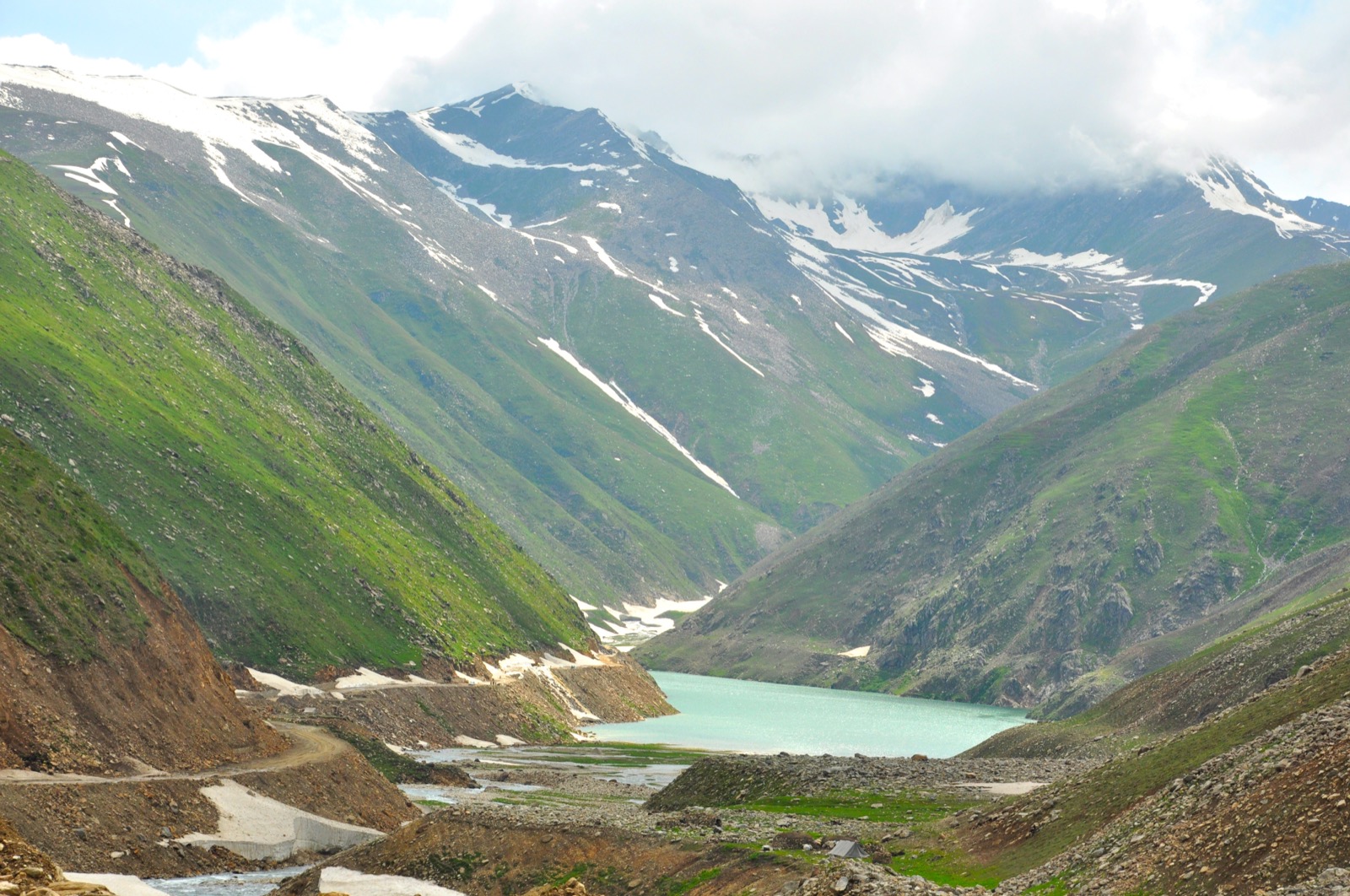
Set off early from Islamabad, driving up through Mansehra and Balakot into the Kaghan valley. Break the long journey at Shogran, a meadow resort at around 2,400 metres reached by a side road, and if time allows take a jeep up to the Siri Paye meadows for your first taste of the high pastures. Continue up the valley to Naran for the night, settling in beside the Kunhar River.
Day 2: Lake Saif ul Malook
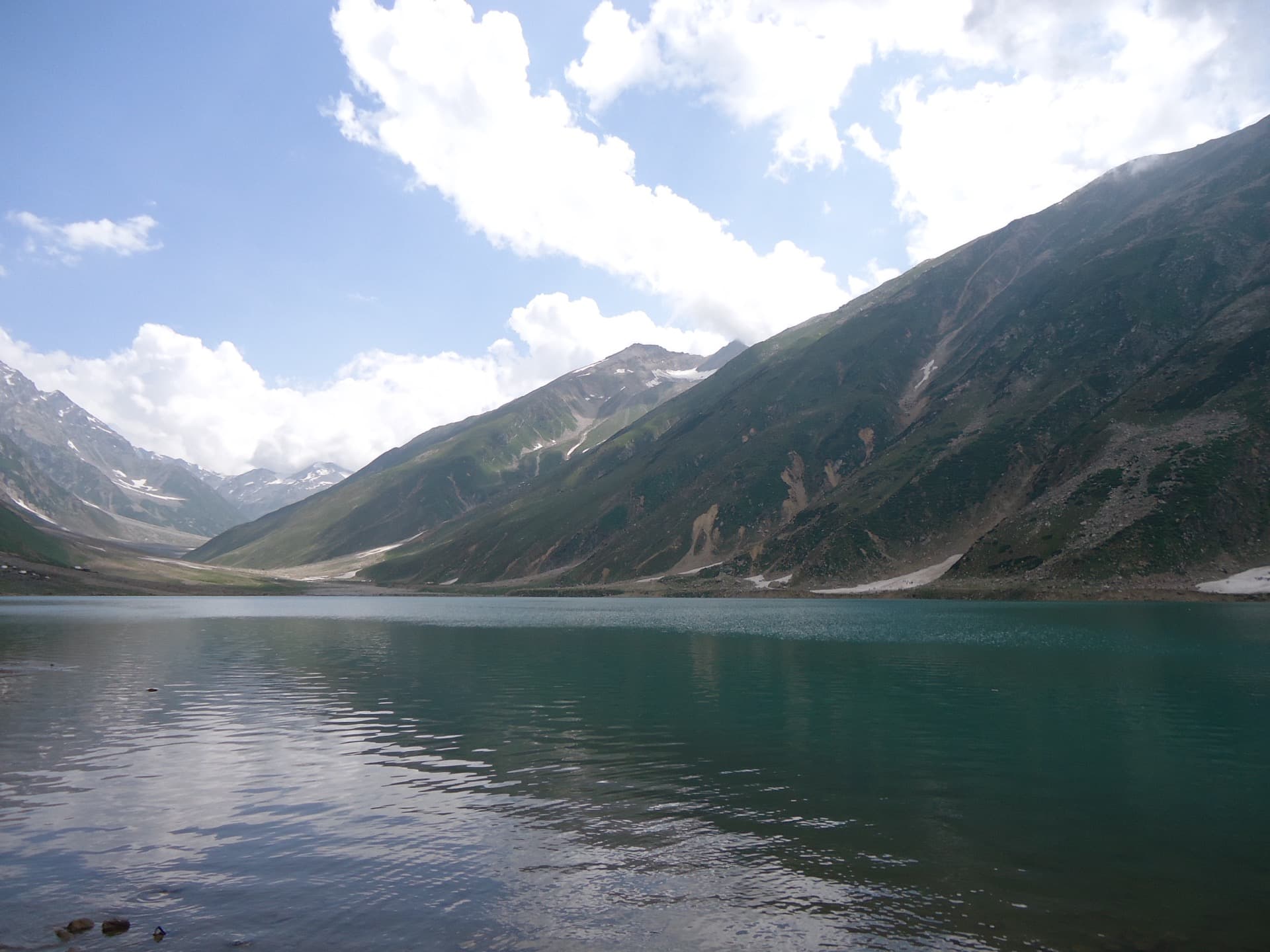
The valley's crown jewel. Take a jeep from Naran up the rough track to Lake Saif ul Malook at around 3,224 metres, a glacial lake of extraordinary beauty beneath Malika Parbat, the queen of the mountains, wrapped in the famous fairy legend that gives the valley its nickname. Spend the morning by the water, take a boat out, and return to Naran for lunch, leaving the afternoon to relax in town or by the river.
Day 3: Lulusar Lake and Babusar Top
A spectacular full day drive north from Naran to Lulusar Lake, the largest natural lake in the valley and the source of the Kunhar River, then on to Babusar Top at around 4,173 metres, the high pass that marks the edge of the valley and looks out toward the peaks of Gilgit-Baltistan, with Nanga Parbat visible on the clearest days. This is the high point of the trip, literally and often figuratively. Return to Naran for the night.
Day 4: Shogran, Siri Paye and Lalazar
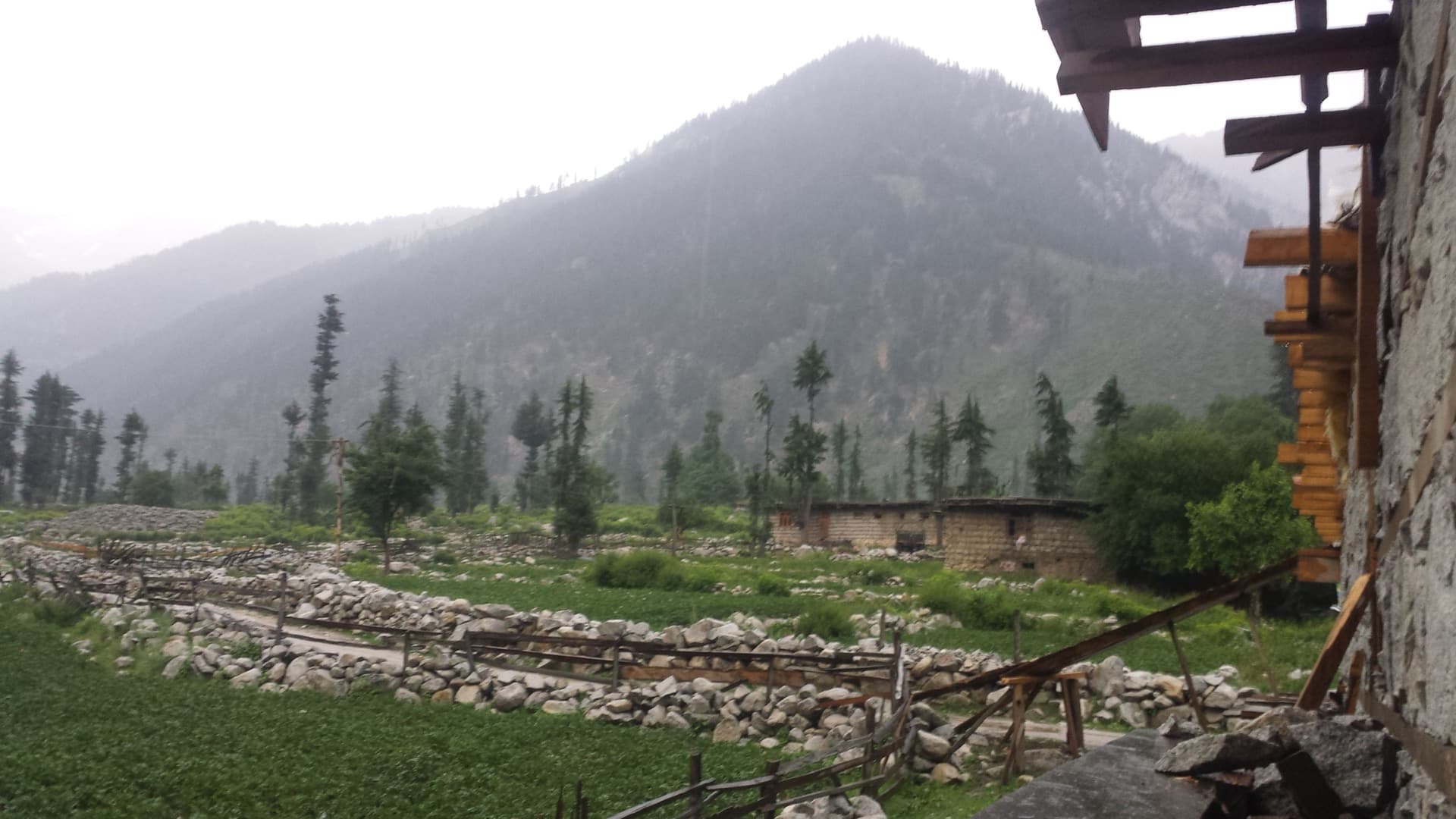
Drive back down to Shogran and spend the day in the meadow country: a jeep up to the lush Siri Paye meadows with their little ponds and mountain views, and for the adventurous the high Lalazar plateau. These rolling green pastures are a softer, gentler contrast to the high lakes and passes, perfect for a relaxed day and family friendly. Overnight in Shogran or back toward Balakot.
Day 5: Return to Islamabad
Make the journey home down the Kaghan valley to the motorway, with a final chance to stop at Balakot or for trout by the Kunhar River. With an early start you reach Islamabad by evening. Alternatively, for the adventurous, this is the day to continue the loop over Babusar Top toward Chilas and on to Gilgit and Hunza, turning the trip into a grand northern circuit.
The Babusar loop option
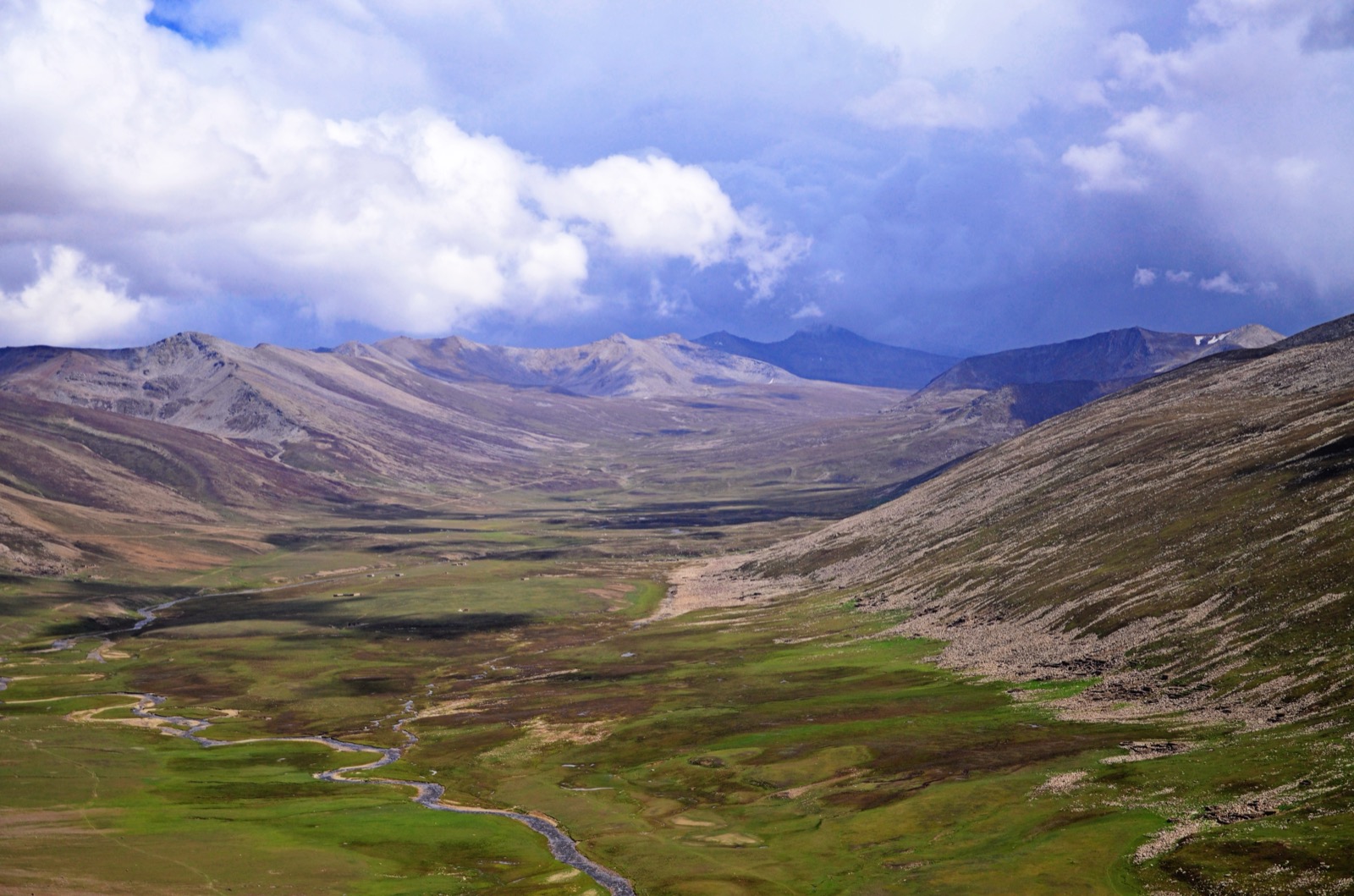
One of the great things about Naran is that it is not a dead end. In summer, when Babusar Top is open, you can carry on over the pass to Chilas on the Karakoram Highway, then north to Gilgit, Hunza and beyond, or south back toward Islamabad, making a full loop rather than an out and back. This turns the Naran trip into the first leg of a classic northern circuit. The pass is only open roughly July to September and closed by snow the rest of the year, so the loop is a summer only option. See our northern Pakistan itinerary for the full circuit.
Shorter versions
A 2 day Naran dash: drive up on day one, do Saif ul Malook on day two morning and return. It is tiring but delivers the iconic lake.
A 3 day trip: add either Babusar Top and Lulusar or the Shogran meadows to the two day plan for a fuller taste without the full five days.
A weekend from Islamabad: Shogran and Siri Paye alone make a satisfying two day escape closer to the city, without going all the way up to Naran.
Best time to follow this itinerary
The Kaghan valley is firmly seasonal. The road to Naran and Saif ul Malook is usually open from May to October, while Babusar Top and the highest lakes need the snow free midsummer window of roughly July to September, which is also when the Babusar loop to Gilgit is possible. July and August are the busy peak, with the valley crowded and hotels full, so book ahead. June and September are quieter and lovely. Shogran sits lower and stays accessible for longer, even into winter for snow. From late October the high country closes under snow and Naran town largely shuts for the season.
What this trip costs
Naran is an affordable, accessible trip. Transport up the valley is straightforward, accommodation ranges from cheap guesthouses to comfortable hotels in Naran and Shogran, and the main variable cost is the jeep hire for Saif ul Malook, Siri Paye and Babusar, which is best shared across a group. Short 2 to 3 day Naran packages from the cities are among the most widely sold trips in Pakistan, commonly from around 17,000 rupees per person, bundling transport, hotels and the jeep excursions. For the full breakdown see our Pakistan trip cost guide.
The legend of Saif ul Malook
No Naran trip is complete without the story behind its famous lake. Saif ul Malook is wrapped in one of the best loved folk tales in Pakistan, the romance of a Persian prince, Saif ul Malook, who fell in love with a fairy princess named Badar ul Jamal at the lake, defying a jealous giant who also loved her. Locals will tell you the fairies still descend to the water on moonlit nights, and standing at the lake beneath the towering Malika Parbat, with the water shifting colour as clouds pass, it is easy to see how the legend took hold. The tale, popularised by the Sufi poet Mian Muhammad Bakhsh, is part of why the Kaghan valley is known as the land of fairies, and it adds a layer of romance to what is already one of the most beautiful lakes in the country. Going early in the morning, before the day trippers arrive, gives you the best chance of seeing the lake at its mirror calm, magical best.
Why Naran is Pakistan's most popular valley
Naran holds a special place as the country's favourite summer escape, and understanding why helps you set expectations. It is close enough to Islamabad and Lahore for a long weekend, it has the best developed tourist infrastructure of any northern valley with plentiful hotels and restaurants, and it packs an extraordinary variety into a small area: a legendary lake, a high pass with views into the Karakoram, gentle flower meadows and rushing trout rivers, all within a day or two of each other. That accessibility and variety also mean crowds, especially in July and August, when the road up and the town itself can be busy and the lake jeeps queue. If you prefer quiet, travel in June or September, or base in Shogran rather than Naran town. For families, first time visitors and anyone wanting a reliable, well served mountain holiday with iconic sights, Naran is hard to beat, which is exactly why it tops the wish list for so many Pakistani travellers each summer. If it is your first trip into the northern mountains, Naran is one of the gentlest and most rewarding places to begin, and it often becomes the trip that hooks people on the high country for life.
Practical tips
- Use a 4x4 for the lakes and passes: Saif ul Malook, Siri Paye and Babusar all need jeeps on rough tracks.
- Watch the weather: Naran's mountain weather is changeable, so do the lake early in your trip in case of rain.
- Book ahead in peak summer: July and August fill the valley and its hotels.
- Carry cash and warm layers: card machines are scarce and the high lakes and passes are cold even in summer.
- Time Babusar for midsummer: the pass and the loop to Gilgit are only open roughly July to September.
- Consider Shogran for an easy escape: it is closer, lower and stays open longer than upper Naran.
Related guides
Read the full Naran Kaghan guide, compare it with the Swat valleys in Kalam vs Naran and Naran vs Swat, time your trip with best time to visit Pakistan, and extend it into the grand circuit with the northern Pakistan itinerary. Browse every region on the destinations page. For accommodation, see our where to stay in Naran guide.
Last updated
Share this article
Frequently asked questions
- How many days do you need for a Naran Kaghan tour?
- Two days is the bare minimum to reach Naran and see Saif ul Malook, three days adds Babusar Top or Shogran, and five days is the ideal, covering the lake, Babusar, Lulusar and the Shogran meadows without spending all your time driving. Longer trips can add the Dudipatsar trek or the loop into Gilgit-Baltistan.
- What can you do in a 5 day Naran Kaghan trip?
- A five day trip takes in the drive up via Shogran, Lake Saif ul Malook, Lulusar Lake and Babusar Top, a meadow day at Siri Paye and Lalazar, and the return journey, a well balanced mix of the valley's famous lakes, its high pass and its gentle pastures.
- What is the best time to visit Naran and Kaghan?
- May to October for Naran and Saif ul Malook, with the high Babusar Top and the loop to Gilgit open only from roughly July to September. July and August are the crowded peak, June and September are quieter, and the valley largely closes under snow from late October.
- Can you drive from Naran to Gilgit over Babusar?
- Yes, in summer. When Babusar Top is open, roughly July to September, you can continue over the pass to Chilas on the Karakoram Highway and on to Gilgit and Hunza, turning the Naran trip into the first leg of a grand northern circuit. The pass is closed by snow the rest of the year.
- How much does a Naran Kaghan tour cost?
- Naran is affordable and accessible, with short 2 to 3 day packages from the cities commonly from around 17,000 rupees per person, bundling transport, hotels and the jeep excursions. Independent travel is cheaper still, with the jeep hire for the lakes and Babusar the main variable cost.
- Do you need a jeep in Naran?
- Yes, for the highlights. Lake Saif ul Malook, the Siri Paye meadows and Babusar Top are all reached on rough tracks that need a four wheel drive, hired in Naran or Shogran. Sharing a jeep across a group is the best way to keep the cost down.