Photo by Mudza100Website
Kalam and Naran are the two great summer valleys of northern Pakistan that families and first time travellers most often choose between. Both are green, river fed mountain escapes within a long day's drive of Islamabad, both fill with domestic tourists every summer, and both deliver alpine lakes, pine forest and cool mountain air. Yet they sit in different valleys with different weather, different roads and a different feel. This guide compares Kalam and Naran head to head, on scenery, lakes, access, weather, season, crowds, accommodation, activities and cost, so you can pick the right one, and shows how to combine them if you have the time.
The quick verdict
- Choose Naran if you want the famous lakes, the best roads and hotels, and a classic, well trodden mountain holiday with plenty of facilities.
- Choose Kalam if you want more stable weather, thick pine forest and rivers, a quieter and more forested feel, and the option of skiing at nearby Malam Jabba.
- Do both on a longer Khyber Pakhtunkhwa loop, since they are different enough to be worth seeing back to back.
At a glance
- Kalam: in the Swat valley at around 2,000 metres, known as the "Switzerland of the East", famous for Mahodand Lake, Ushu forest and the rivers.
- Naran: in the Kaghan valley at around 2,400 metres, the "land of fairies", famous for Lake Saif ul Malook, Lulusar and Babusar Top.
- Weather: Kalam is more stable; Naran is beautiful but notoriously changeable.
- Infrastructure: Naran has better roads and hotels; Kalam is greener and less developed.
So which is better, Kalam or Naran? Here is the side by side comparison at a glance.
| Factor | Kalam (Swat valley) | Naran (Kaghan valley) |
|---|---|---|
| Altitude | Around 2,000 metres | Around 2,400 metres |
| Famous for | Mahodand Lake, Ushu forest, the Swat River | Lake Saif ul Malook, Lulusar, Babusar Top |
| Scenery | Greener, forest and river | Higher, famous alpine lakes and meadows |
| Weather | More stable | Beautiful but notoriously changeable |
| Roads and hotels | Less developed, greener | Better roads and hotels |
| Best for | Forest, rivers and fewer crowds | Lake fame and better infrastructure |
What is Kalam?
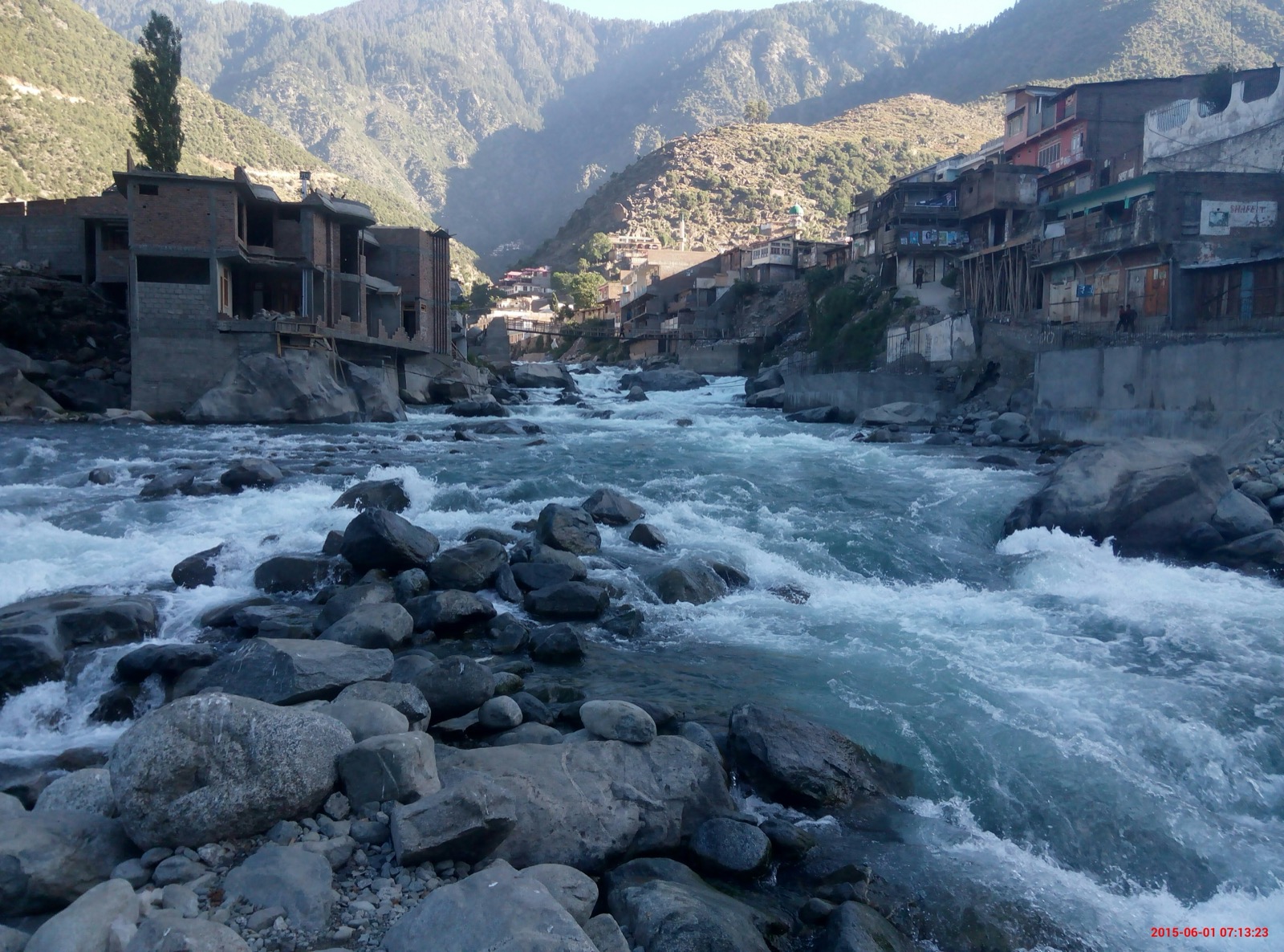
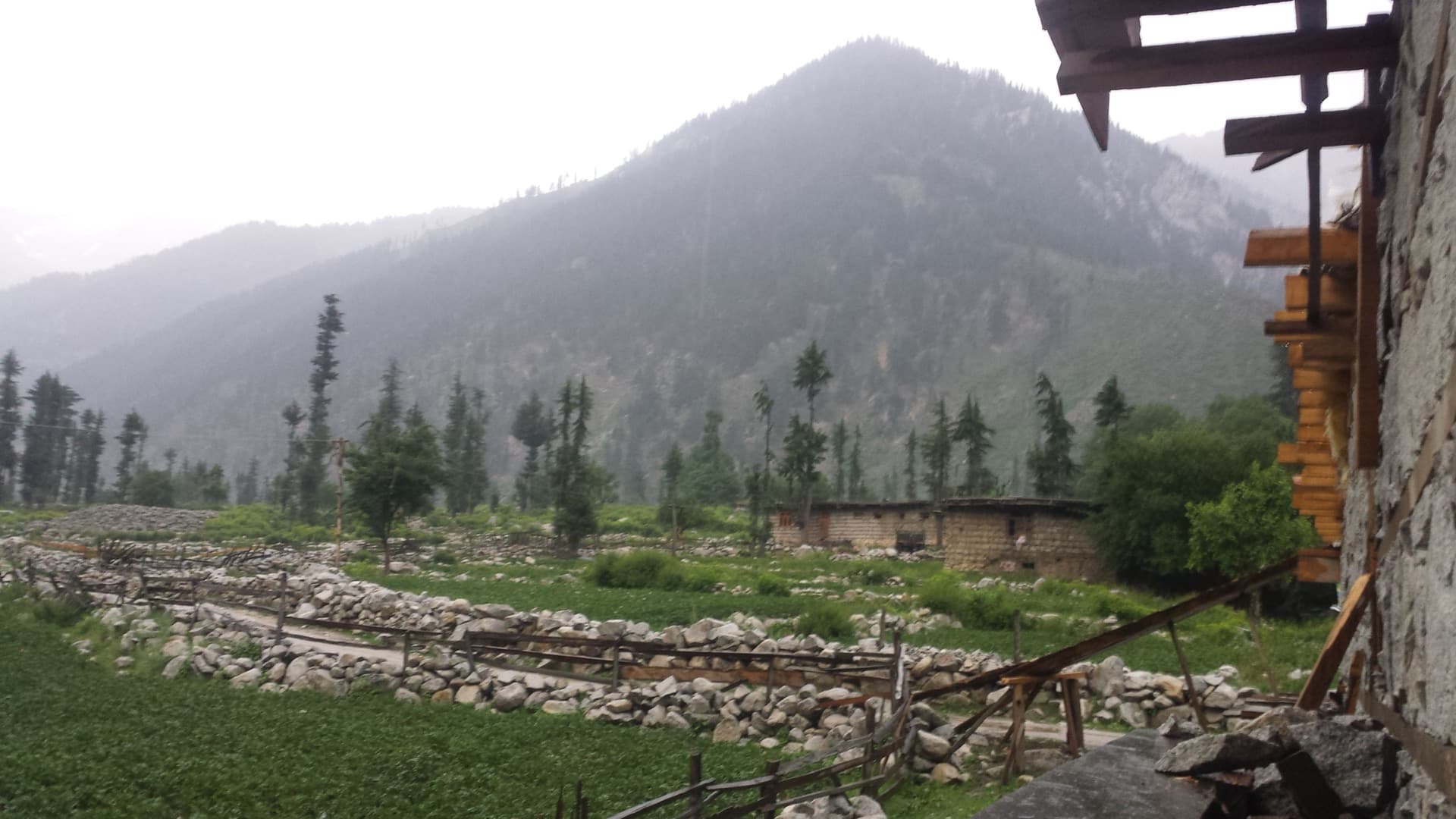
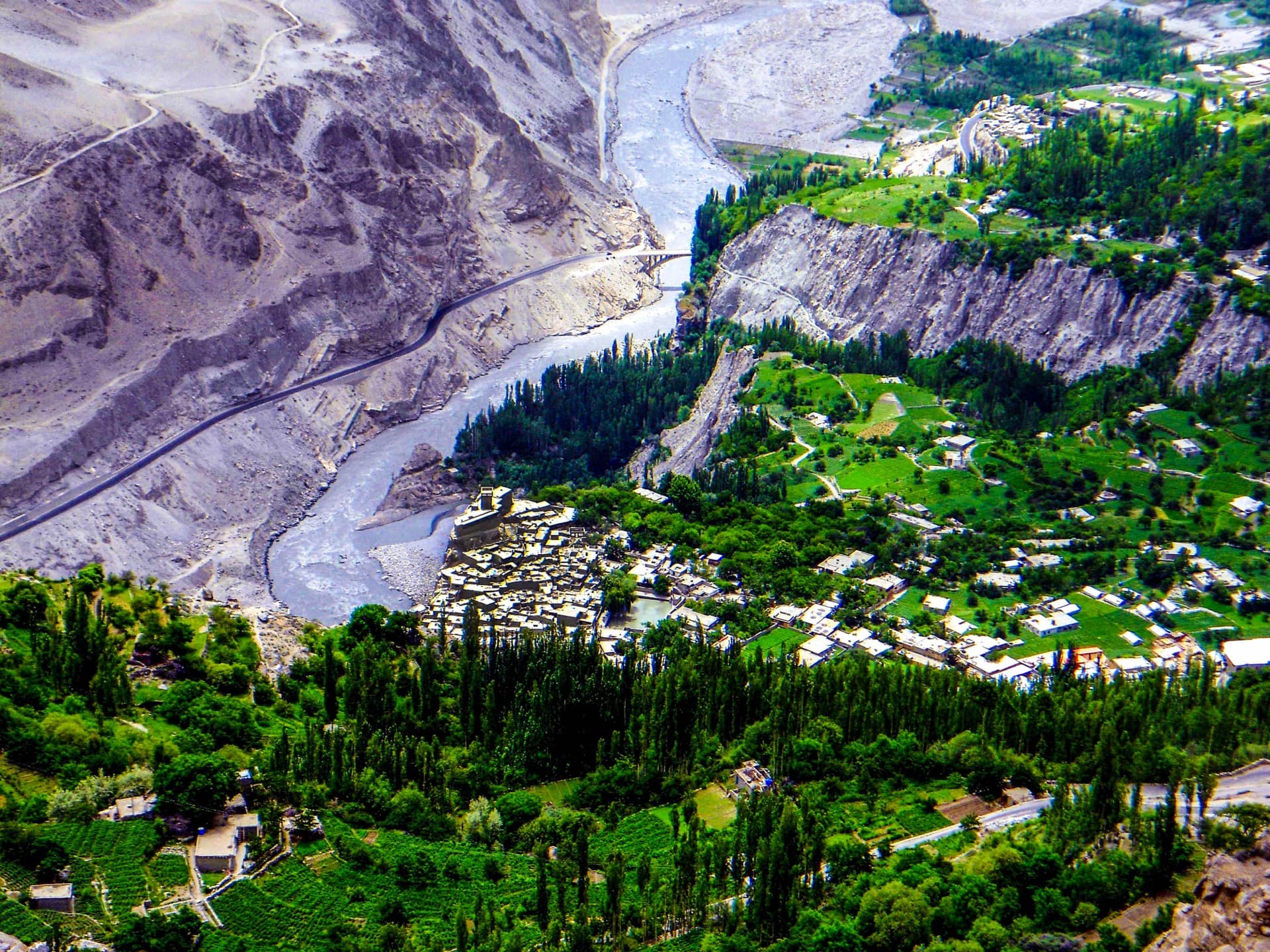
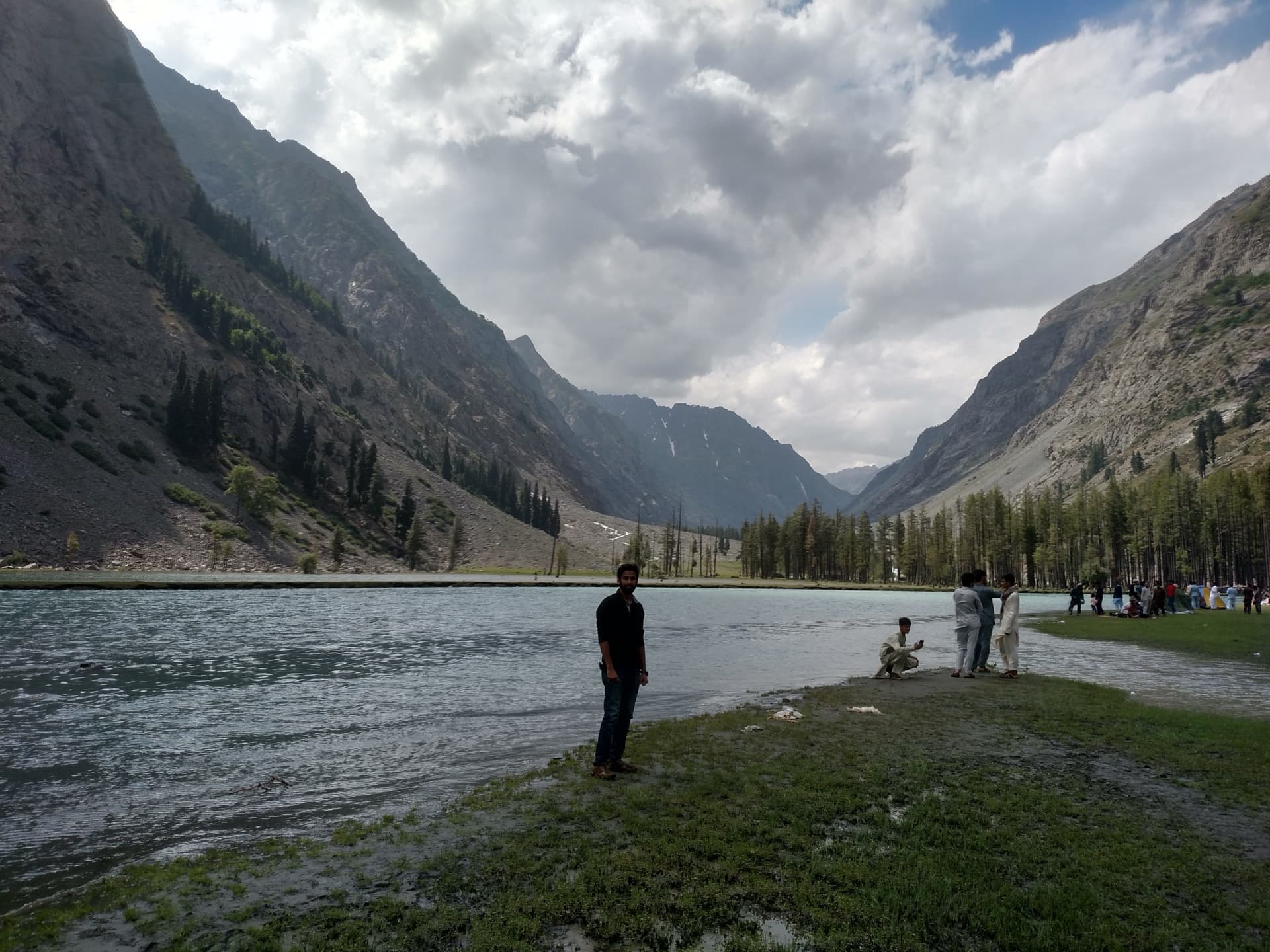
Kalam sits at the head of the Swat valley at around 2,000 metres, surrounded by some of the thickest pine and deodar forest in Pakistan and threaded by the rushing Swat River. Often called the Switzerland of the East, it is greener and more wooded than the bare high valleys further north, with waterfalls, river landscapes and a string of glacial lakes above it. Its headline sight is Mahodand Lake, an alpine glacial lake about 35 km up a rough jeep track through the Ushu forest, alongside Kundol Lake and the riverside towns of Bahrain and Madyan on the way up. The wider Swat region also holds the Malam Jabba ski resort and the highest peak of the area, Falak Sar, at over 19,000 feet. Kalam is reached from Islamabad via the Swat Motorway, Mingora and Bahrain.
What is Naran?
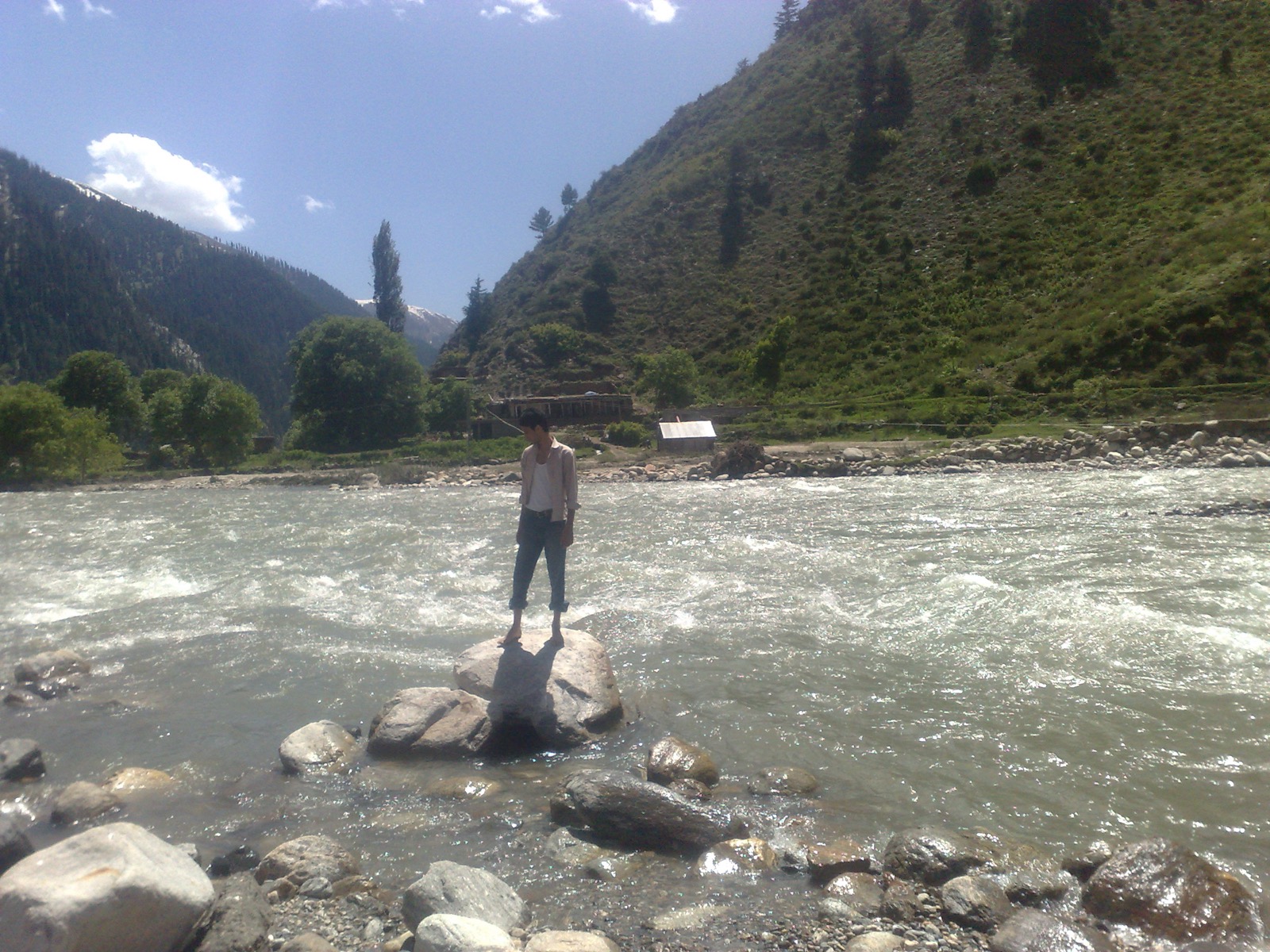
Naran sits higher, at around 2,400 metres in the Kaghan valley, on the banks of the Kunhar River, and is the busier, more famous of the two. Known as the land of fairies, its crowning sight is Lake Saif ul Malook, a stunning glacial lake beneath Malika Parbat, the queen of the mountains at over 17,000 feet, reached by jeep from the town. Beyond it lie Lulusar Lake, the high Babusar Top pass, the remote Dudipatsar Lake and the meadows of Shogran and Siri Paye. Naran is reached from Islamabad via Mansehra and Balakot, a long but well travelled road, and it is the more developed valley, with the widest choice of hotels and the best tourist infrastructure in the region.
Head to head
Scenery and lakes
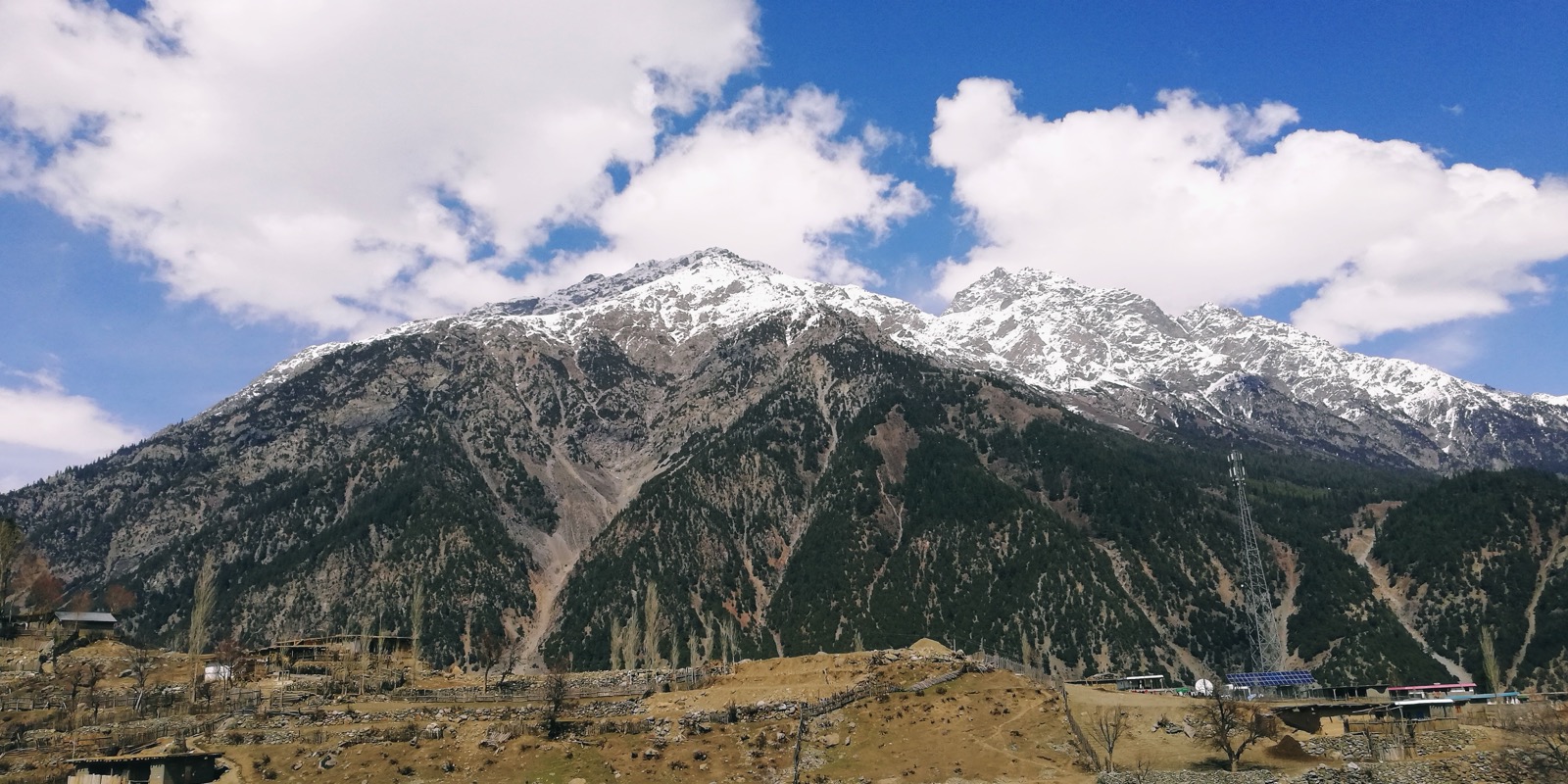
Both are lake country, but with a different character. Naran is the lake capital, with the iconic Saif ul Malook, plus Lulusar, Dudipatsar and the Babusar views, set among high meadows and bare peaks. Kalam is greener and more forested, its scenery built around the Swat River, waterfalls and the deep Ushu pine forest leading up to Mahodand Lake. For sheer lake fame Naran wins; for forest and river scenery Kalam wins.
Weather
This is Kalam's strongest card. Naran's weather is notoriously volatile, with bright skies one minute and rain the next, which can disrupt the lake jeep trips and the high passes. Kalam enjoys a more stable climate with clearer skies, so trekking and exploring are less of a gamble. Travellers who have been rained out of Saif ul Malook often prefer Kalam for reliability.
Access and roads
Naran has the better roads and is more accessible overall, with a well established route from Islamabad through Balakot, though the final jeep tracks to the lakes are rough and Babusar Top closes in winter. Kalam is reached on the good Swat Motorway as far as Mingora, after which the road up through Bahrain to Kalam and especially the jeep track to Mahodand is rougher and less developed. Both need a four wheel drive for the lakes.
Season and year round access
Naran is firmly seasonal, broadly May to October, with the town and Babusar Top snowbound in winter, though nearby Shogran stays accessible. Kalam, sitting a little lower and in a different valley, has a longer usable season and the Swat region offers genuine winter tourism, above all skiing at Malam Jabba. If you want a winter trip, Kalam and Swat win easily.
Crowds
Naran attracts more tourists than Kalam and can be very crowded and congested in the July and August peak, especially around Saif ul Malook. Kalam, while popular, is generally a little quieter and more relaxed, which adds to its appeal for those seeking calm.
Accommodation and facilities
Naran has the edge here, with more hotels and generally better standards built up over years as the region's flagship destination. Kalam has a growing range of hotels and resorts but remains less developed, with fewer facilities in places. For a comfortable family base with plenty of choice, Naran is the safer bet.
Activities
Both offer trekking, boating on the lakes, jeep safaris and riverside relaxation. Naran adds the pilgrimage style draw of Saif ul Malook and the Babusar Top drive. Kalam adds the forests, the Ushu valley, and the proximity of Malam Jabba's ski slopes and chairlift, plus an easy onward link to Kumrat. Adventurous and winter travellers lean to Kalam; classic lake sightseers to Naran.
Cost
Both are affordable and similarly priced for transport, lodging and food, and both are sold as cheap 2 to 3 day group packages from the cities, commonly from around 17,000 rupees per person. Naran's wider hotel range means more high end options, while Kalam can be marginally cheaper for a simple trip. For the full budget picture see our Pakistan trip cost guide.
Which should you choose?
- For families wanting comfort and the famous lakes: Naran, for its facilities and Saif ul Malook.
- For reliable weather and forest calm: Kalam, with its stable skies and pine valleys.
- For a winter trip: Kalam and Swat, for Malam Jabba skiing, since Naran largely closes.
- For first timers chasing the classic sights: Naran, the better known and easier valley.
- For a quieter, greener escape: Kalam, away from Naran's peak season crush.
- For onward adventure: Kalam, with Kumrat and Swat's wider valleys close by.
Can you do both?
Yes, on a longer trip, though they sit in separate valleys so it takes planning rather than a quick hop. A common approach is to tackle them on a wider Khyber Pakhtunkhwa loop, taking the Swat Motorway up to Kalam and the Swat lakes, then crossing toward Kaghan for Naran and Saif ul Malook, or doing them as two separate trips in different summers. If you only have a long weekend, pick one; if you have a week or more, seeing both back to back shows you two distinct faces of the northern summer. Build the route with our northern Pakistan itinerary and compare the wider regions in Naran vs Swat.
Best time for each
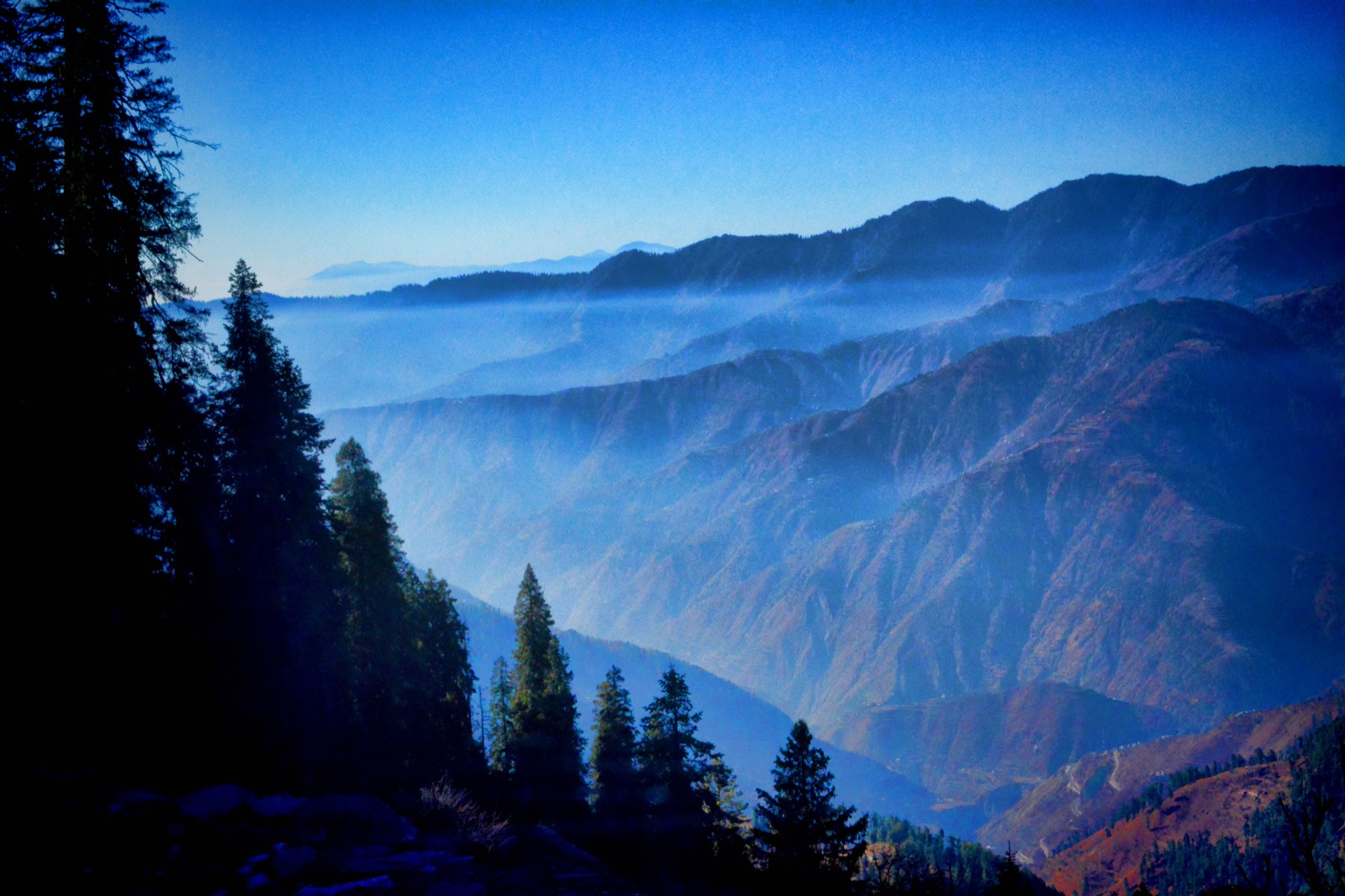
For both, the green summer months of June to September are the heart of the season, when the lakes are open and the valleys lush. May and early October are quieter shoulder windows, beautiful but with some high tracks still closed or closing. For Naran specifically, the Saif ul Malook jeep trip and Babusar Top need the snow free midsummer window. For Kalam and Swat, winter opens a second season for snow and skiing at Malam Jabba that Naran cannot match.
Practical tips
- Use a 4x4 for the lakes: both Mahodand and Saif ul Malook need jeeps on rough tracks.
- Watch Naran's weather: keep plans flexible and the lake trip near the start in case of rain.
- Book ahead in peak summer: both valleys fill in July and August, Naran especially.
- Carry cash: card machines are scarce once you leave the main towns.
- Consider Kalam for winter: for snow and skiing, Swat is the better choice than a closed Naran.
The lakes compared in detail
Since lakes are the main draw of both valleys, they deserve a closer look. In Naran, Lake Saif ul Malook is the undisputed star, a glacial lake at around 3,200 metres beneath Malika Parbat, wrapped in legend and reached by a short, rough jeep ride from the town that almost every visitor makes. Beyond it, Lulusar Lake sits right on the road to Babusar Top, and the harder Dudipatsar trek rewards the fit with one of the most beautiful lakes in the country. In Kalam, the showpiece is Mahodand Lake, a broad glacial lake about 35 km up the Ushu valley reached by a long jeep track through forest and meadow, with Kundol Lake a tougher excursion above. The difference in feel is telling: Naran's lakes are higher, barer and more famous, ringed by rock and snow, while Kalam's are set among trees and river country, greener and a touch wilder. Lake lovers will be happy in either, but the bucket list name remains Saif ul Malook.
A note on getting there
Both valleys are a long day from Islamabad, and the drive shapes the trip. Naran is reached via the motorway to Mansehra, then Balakot and up the Kaghan valley along the Kunhar River, a route lined with hotels and food stops that has been a tourist road for decades. Kalam is reached on the excellent Swat Motorway to Mingora, then north through Bahrain and Madyan to Kalam, a faster modern highway for most of the way before the final mountain stretch. Many visitors find the Swat Motorway approach to Kalam the smoother drive up to the valley itself, even though Naran has the better roads once you are inside it. Either way, start early, since both are full day journeys, and break the trip if you can rather than driving the whole way in one push.
Related guides
Read the full Naran Kaghan guide and the Swat Valley guide, compare the wider regions in Naran vs Swat, time your trip with best time to visit Pakistan, and build the route with the northern Pakistan itinerary. Browse every region on the destinations page. For accommodation, see our where to stay in Naran guide.
Last updated
Share this article
Frequently asked questions
- Which is better, Kalam or Naran?
- Neither is simply better. Naran has the famous lakes, better roads and more hotels, ideal for families and first timers, while Kalam offers more stable weather, thick forests, a quieter feel and winter skiing nearby at Malam Jabba. Choose Naran for the classic lakes, Kalam for forest, calm and reliability.
- Is Naran or Kalam better for families?
- Naran is generally the easier family choice, with better roads, a wider range of hotels and accessible sights around Saif ul Malook. Kalam is also family friendly and greener but a little less developed, so families wanting maximum comfort often pick Naran.
- Which has better weather, Kalam or Naran?
- Kalam has the more stable weather, with clearer skies and fewer sudden changes, while Naran is known for volatile conditions that can disrupt the lake trips and high passes. If reliable weather matters, Kalam is the safer bet.
- Can you visit both Kalam and Naran on one trip?
- Yes, on a longer trip of about a week, since they sit in separate valleys. A common plan tackles Kalam and the Swat lakes via the Swat Motorway, then moves toward Kaghan for Naran. For a short weekend, choose one.
- What is the best time to visit Kalam and Naran?
- June to September is the heart of the season for both, when the lakes are open and the valleys green, with May and early October quieter shoulder windows. Naran largely closes in winter, while Kalam and Swat offer winter snow and skiing at Malam Jabba.
- Is Kalam or Naran better for winter?
- Kalam and the wider Swat region are far better for winter, thanks to the Malam Jabba ski resort and a longer accessible season, while Naran town and Babusar Top are snowbound and largely closed in the cold months.