Photo by Sheikh Al Ahmed, via Wikimedia Commons (CC BY-SA 3.0)Website
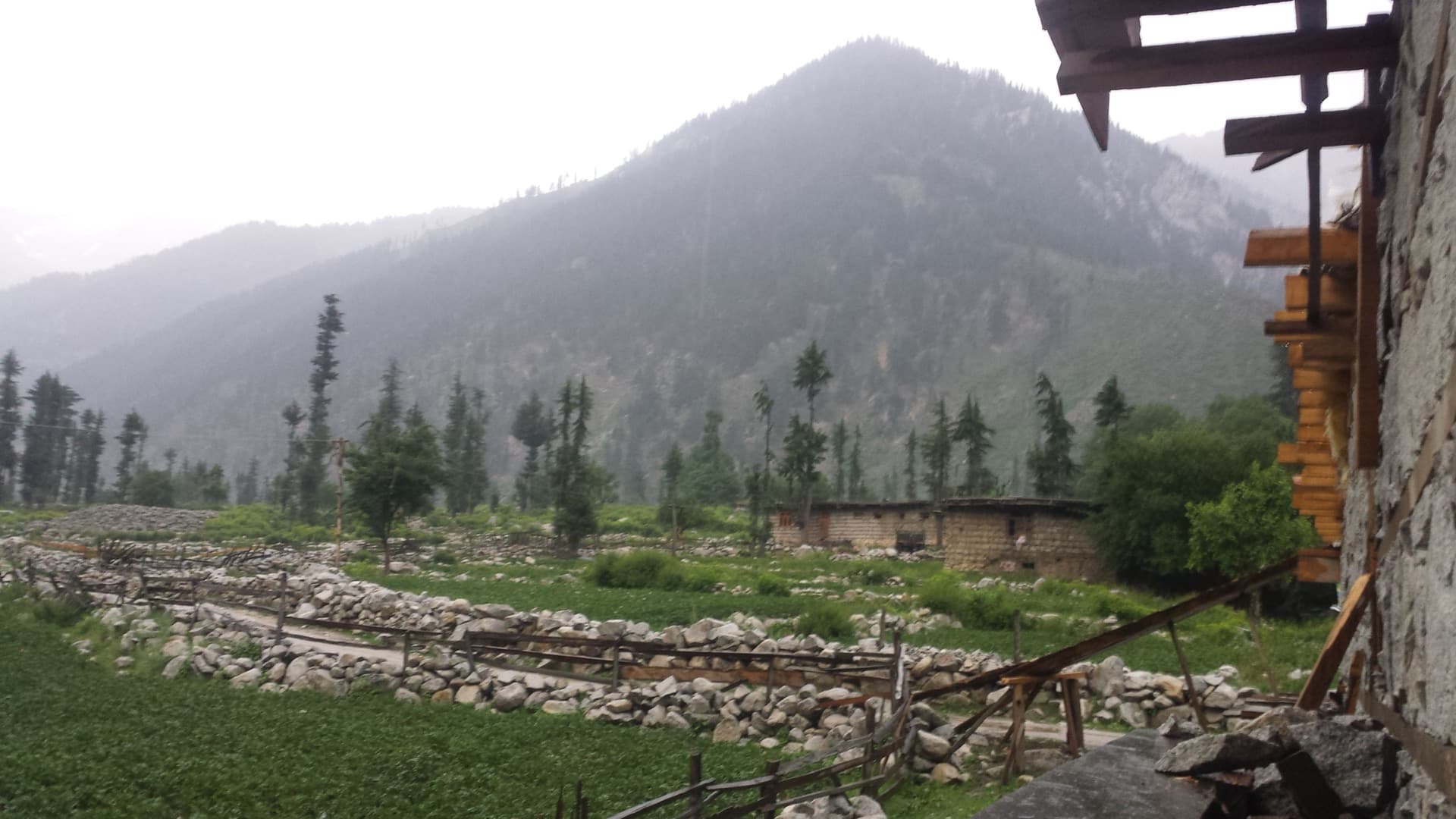
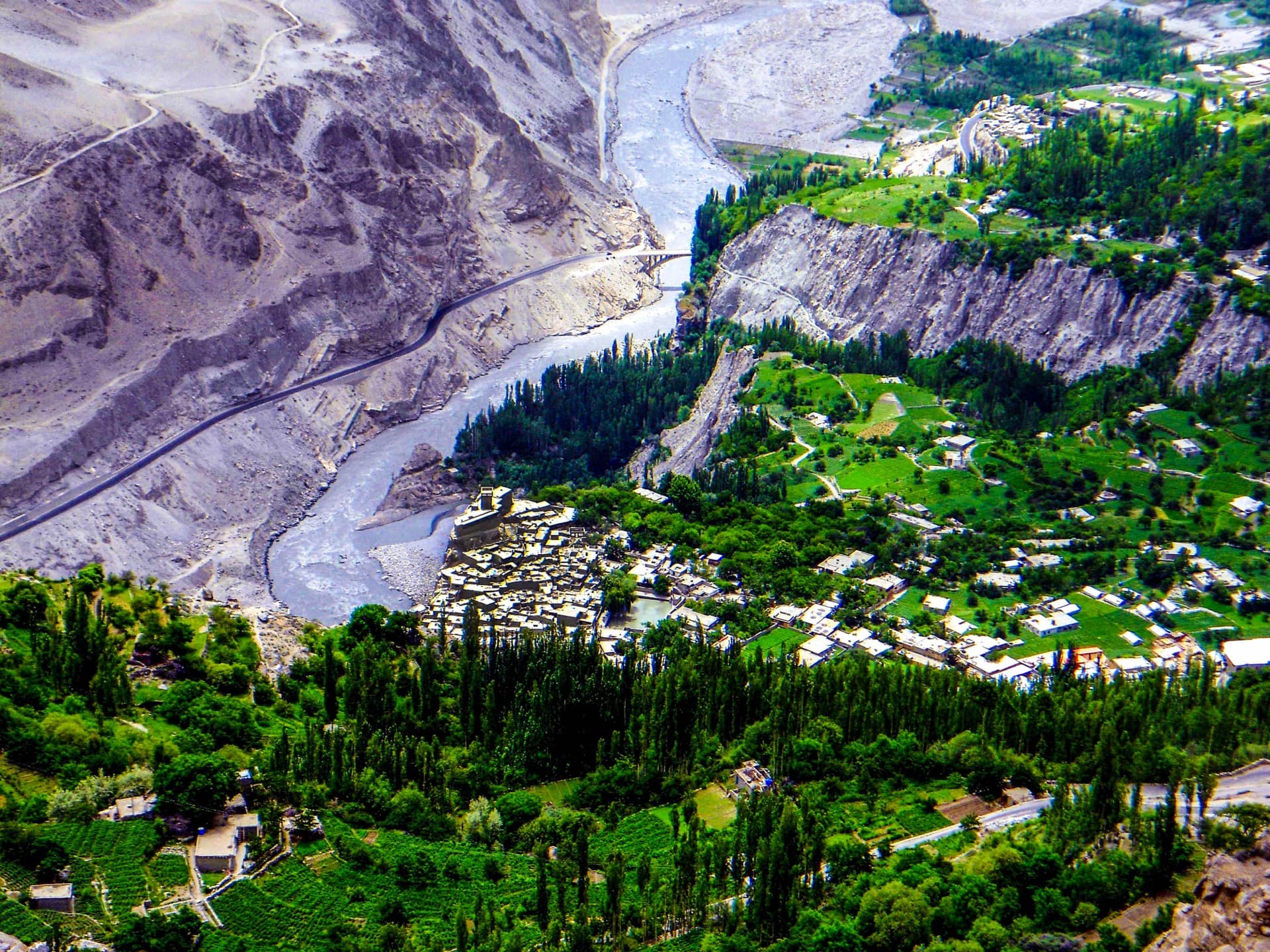
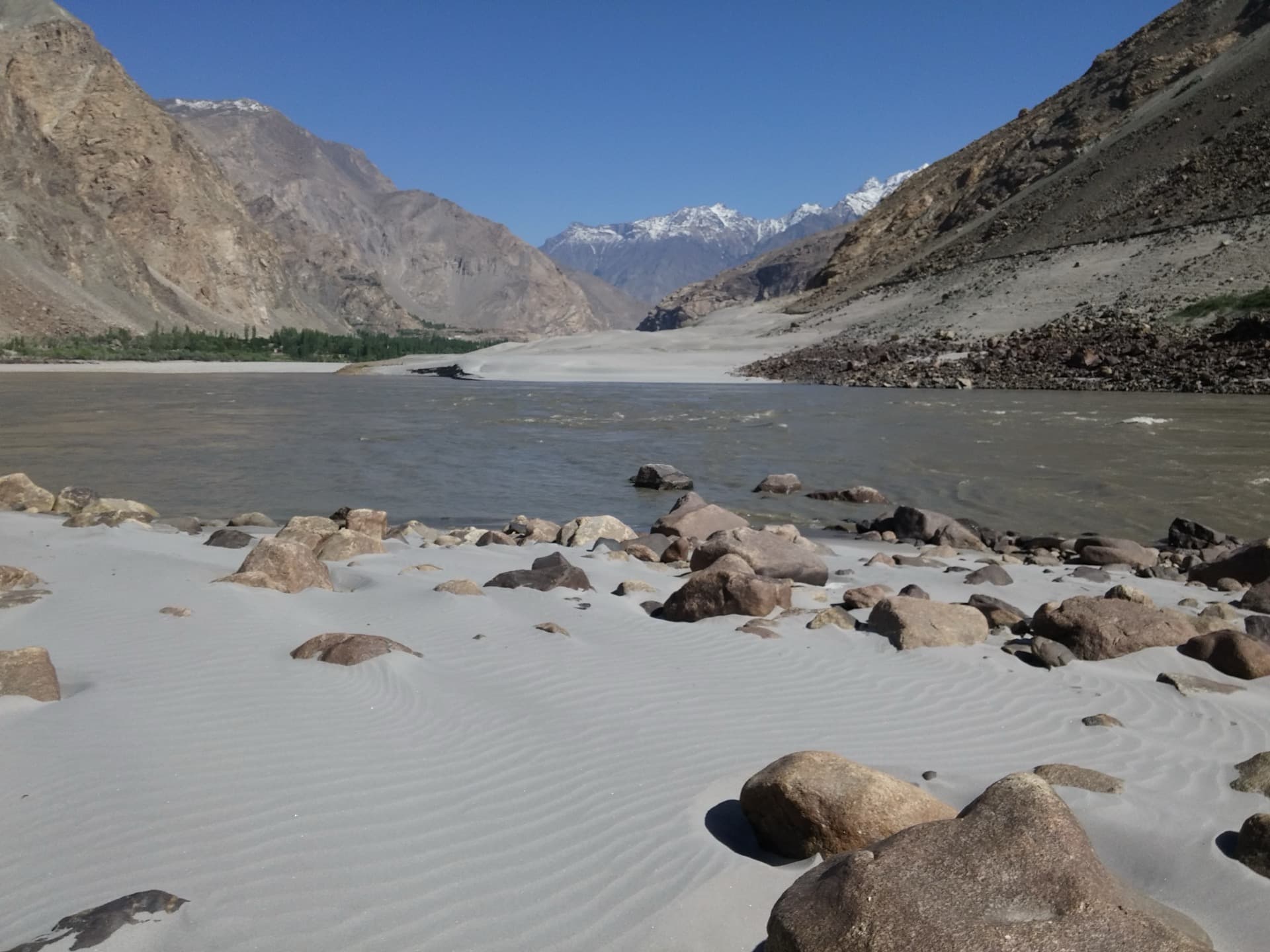
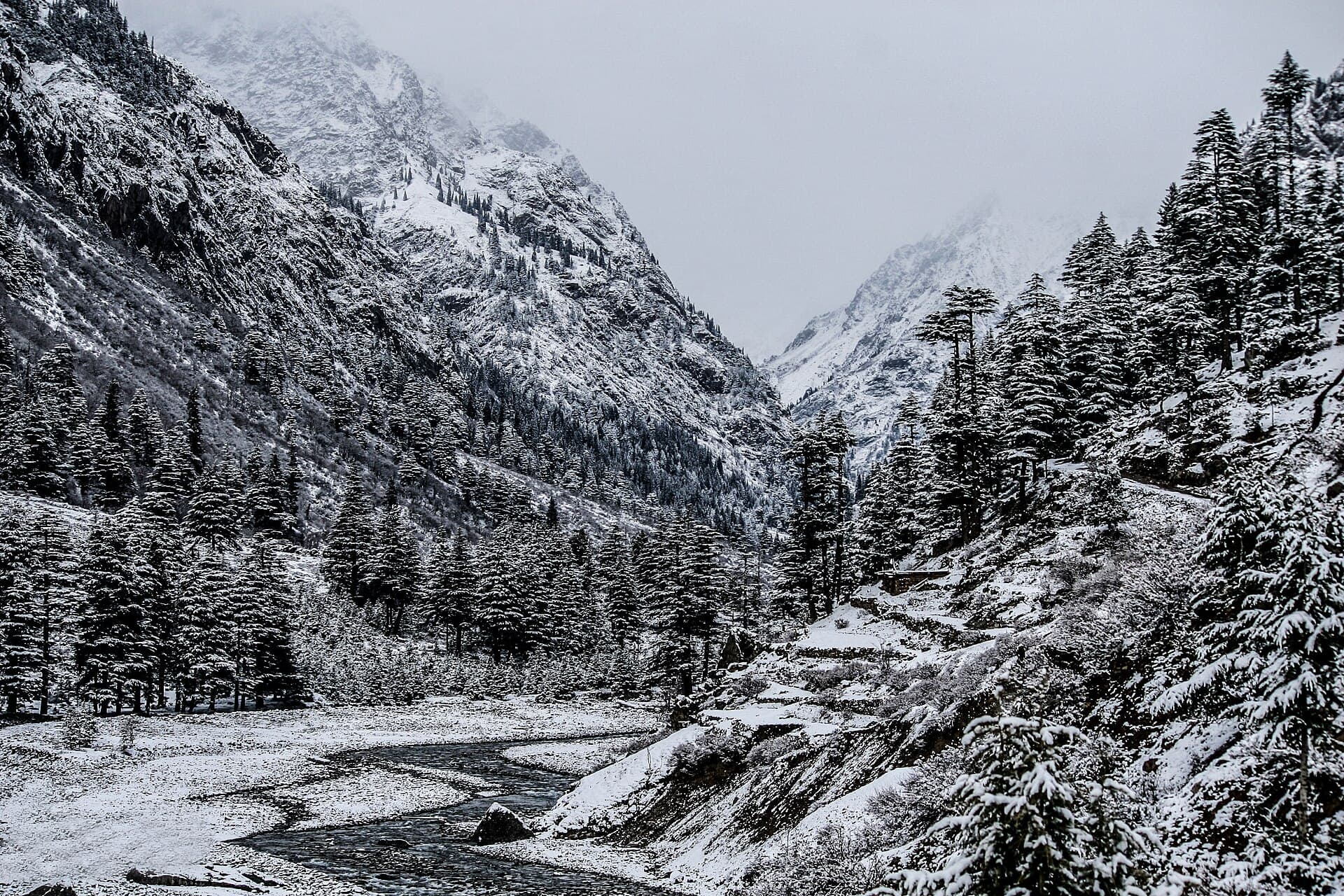
Swat is the valley that earned the nickname "Switzerland of the East," coined by Queen Elizabeth II on her 1961 visit, and it lives up to it: alpine forests and rushing rivers, a string of glacial lakes, Pakistan's main ski resort, and beneath it all a 2,000 year layer of Gandhara Buddhist history. Best of all, Swat is one of the easiest mountain regions to reach, just five hours from Islamabad on the expressway, and it works in every season. This guide covers the top places to visit in Swat, the best time to go, how to get there and around, what it costs, and a simple plan to put it together.
Swat at a glance
- Where: Khyber Pakhtunkhwa, northern Pakistan, about 247 km and five hours from Islamabad.
- Best time: April to October for green valleys and lakes, December to February for skiing.
- How long: 3 to 5 days covers the valley, more to add Kumrat or the high lakes.
- Famous for: Kalam, Malam Jabba ski resort, Mahodand Lake, Gandhara Buddhist sites, and trout.
How to get to Swat
Swat is refreshingly accessible. By road it is about 247 km from Islamabad, roughly five hours via the motorway and the Swat Expressway through Chakdara to Mingora, the valley's main town. Comfortable AC coaches run from Islamabad, Lahore, Peshawar and beyond, and PIA operates short flights from Islamabad to Saidu Sharif airport in about half an hour. From there the valley climbs north through Madyan and Bahrain to Kalam, the high base. From Lahore or Karachi, travel up to Islamabad first, or take a direct tour coach.
The shape of the valley
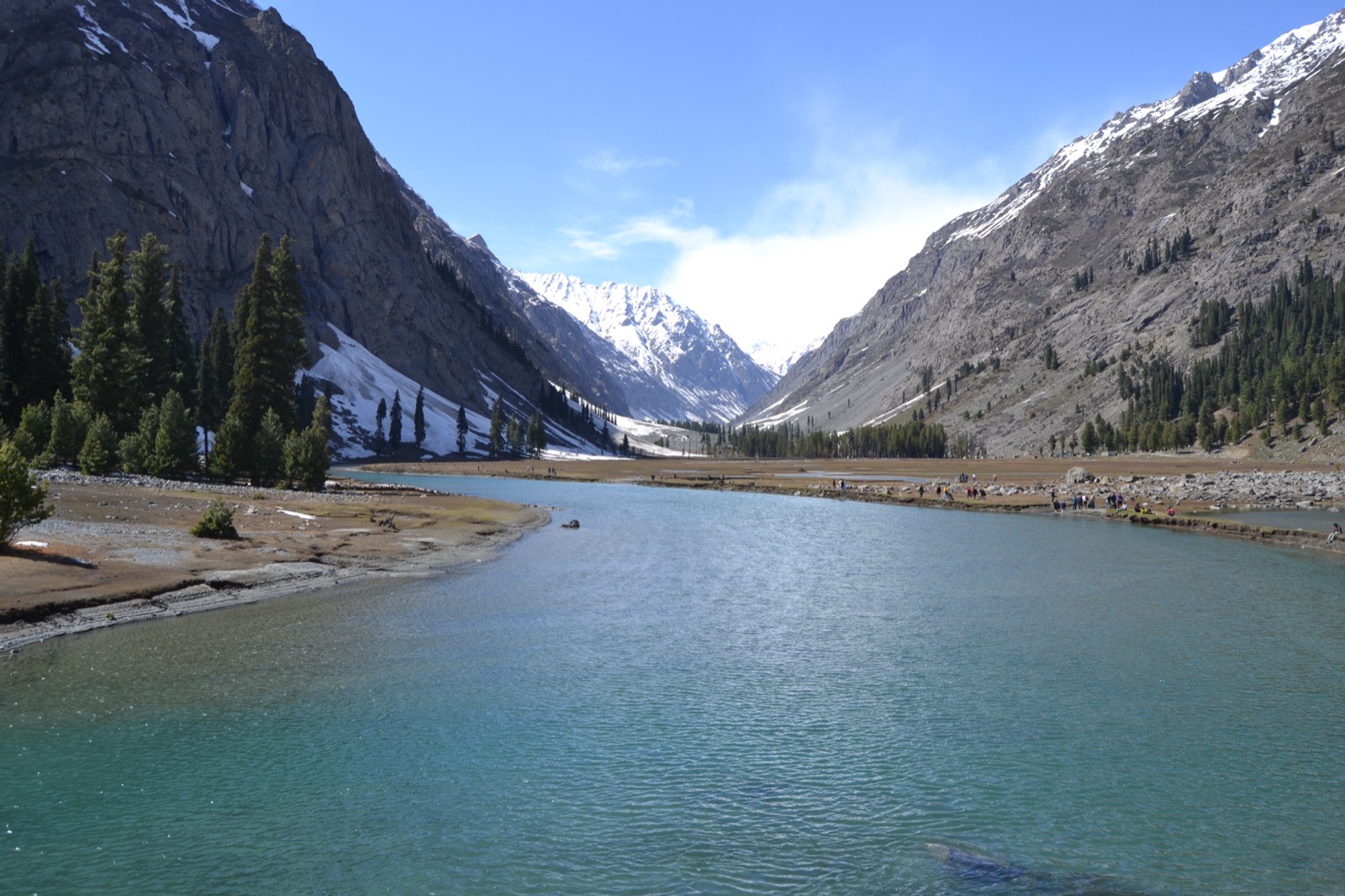
Swat unfolds along the Swat River. Mingora and the capital Saidu Sharif sit at the lower, warmer end, home to the bazaars, the museum and the Buddhist sites. Heading north you reach Madyan at about 1,320 metres, then Bahrain at about 1,400 metres where the Daral and Swat rivers meet, and finally Kalam at about 2,000 metres, the gateway to the high country, the Ushu forest and Mahodand Lake. Knowing this order helps you plan, since the lower valley is about culture and the upper valley is about alpine scenery.
Top places to visit in Swat
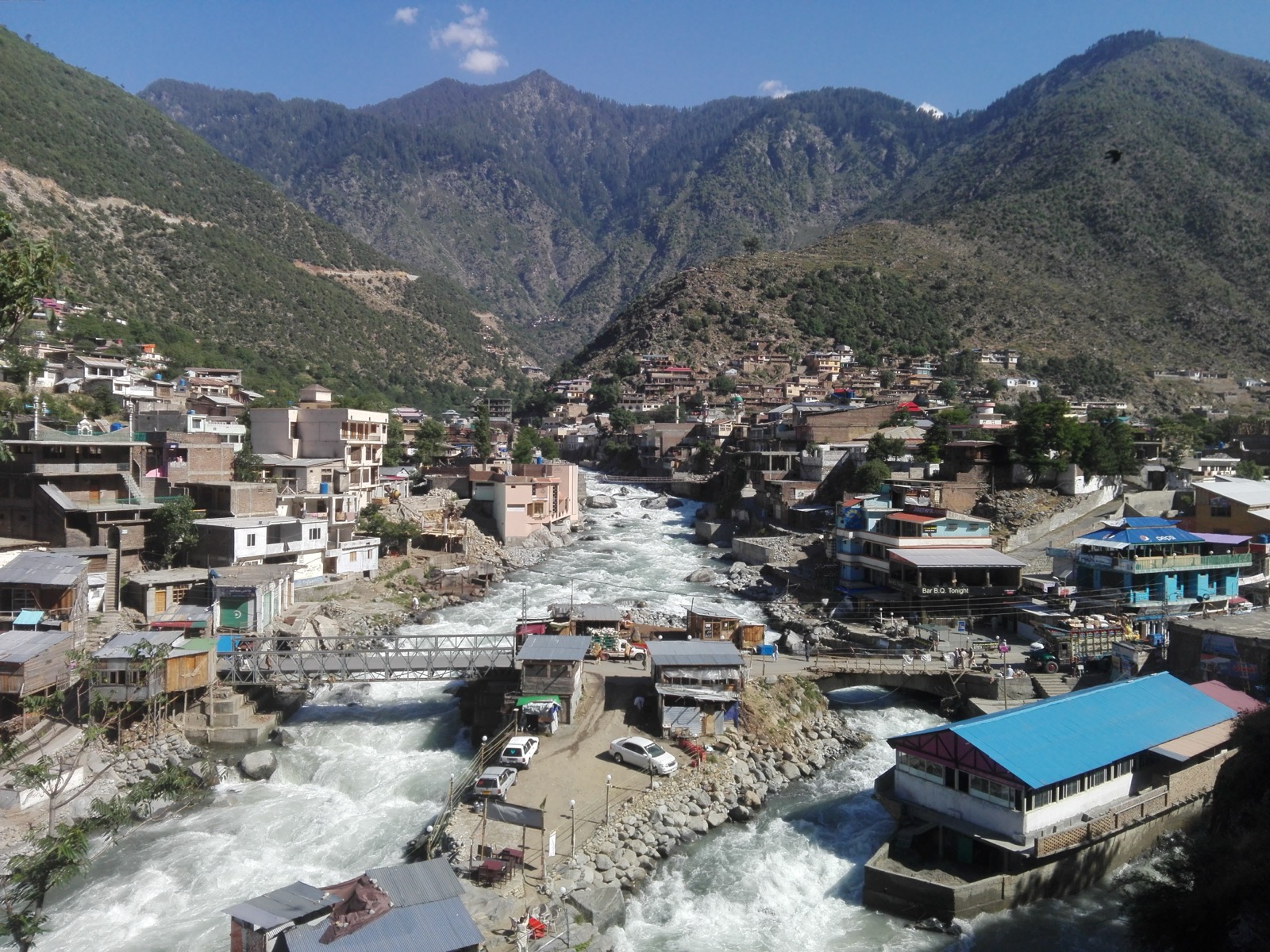
- Kalam, the star of upper Swat at about 2,000 metres, around 96 km from Mingora, ringed by pine forest, rivers and meadows, with a lively bazaar and easy access to the high lakes.
- Malam Jabba, Pakistan's largest ski resort at about 2,804 metres, roughly 45 km from Mingora, with a chairlift, zipline and winter snow sports, plus summer activities and forest walks.
- Mahodand Lake, the "lake of fish" at about 2,865 metres, reached by a jeep track from Kalam through the Ushu forest, superb for boating, trout fishing and glacier views.
- Bahrain, the riverside town at about 1,400 metres where two rivers meet, known for its trout hatcheries and as a classic stop on the way up.
- Madyan, a relaxed hill station at about 1,320 metres with handicraft shops and the Miandam side valley nearby.
- Marghazar White Palace, the marble summer palace built in 1940, about 12 km from Mingora, which hosted Queen Elizabeth II in 1961 and is now a heritage stop.
- The high lakes, beyond Mahodand: Kundol, Spin Khwar, Daral, Bashigram and others, part of the nearly 35 lakes scattered across the valley, mostly reached on jeep tracks and treks.
Swat's Buddhist heritage
Long before it was a hill resort, Swat was a heartland of the Gandhara civilisation, dotted with more than a hundred Buddhist sites. Do not miss the Butkara Stupa in Mingora, the giant Jahanabad Buddha, a seventh century rock carving about seven metres high, the Saidu Sharif and Amlukdara stupas, and the Swat Museum, with its excellent collection of Gandhara sculpture, coins and pottery. The famous Takht-i-Bahi monastery lies just outside the valley on the way in. This deep history sets Swat apart from Pakistan's other green valleys.
Things to do and activities
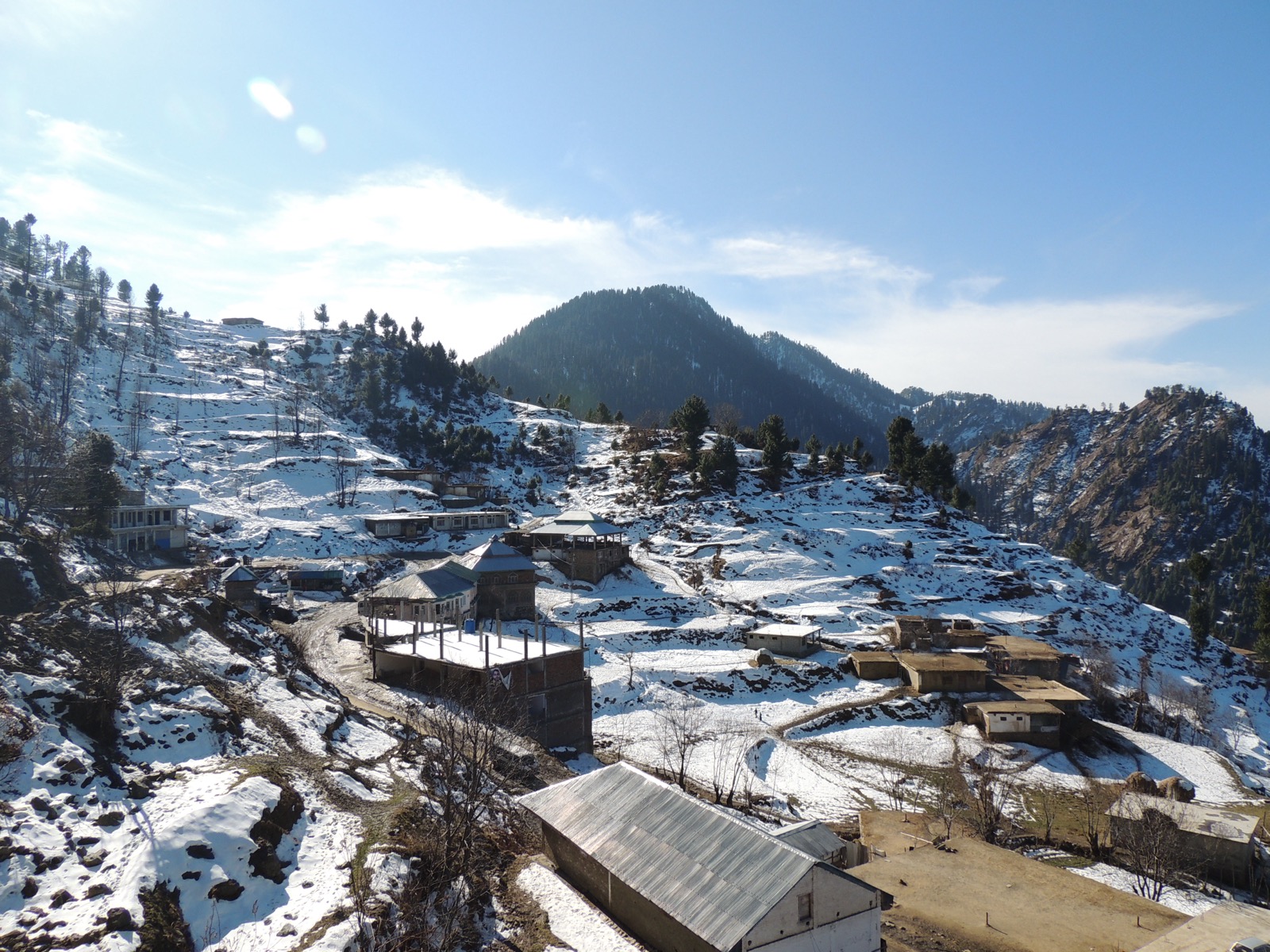
Swat is a year round playground. In winter, Malam Jabba offers skiing, snowboarding and a chairlift. In the warmer months you can go trekking and hiking to the high lakes, trout fishing and white water rafting on the Swat River, camping in the Ushu forest near Kalam, ziplining at Malam Jabba, and jeep safaris up to Mahodand. Add the bazaars, the museum and the riverside tea stops, and there is enough to fill several days.
Best time to visit Swat
Swat is a four season valley. April and May bring spring greenery, June to August is the peak summer season with the lakes at their best, though August can be wet, and October and November offer crisp autumn weather that many rate as the finest time to visit. December to February is the snow season, when Malam Jabba comes alive for skiing. So unlike the strictly summer valleys, Swat gives you a reason to come at almost any time of year.
Where to stay
Mingora has the widest range of hotels and is the practical base for the lower valley and the Buddhist sites. Kalam is the favourite for upper Swat, with riverside hotels and easy access to Mahodand and the Ushu forest. Bahrain and Madyan offer quieter mid valley options, and Malam Jabba has resort style stays for skiers. Book ahead in the June to August peak and over winter weekends at Malam Jabba.
What it costs
Swat is affordable. Independent travel by coach and local transport is cheap, with modest hotels and inexpensive food. Organised tour packages from Islamabad are popular and typically run, per person, from around 40,000 rupees for a three day trip and 55,000 for four days, up to 112,000 or more for longer or more luxurious tours, usually including transport, hotels, breakfast and the jeep transfers to Mahodand and Malam Jabba. The main extras are jeep hire to the high lakes and chairlift or activity tickets at Malam Jabba.
Food in Swat
The valley's signature dish is fresh trout, often grilled simply by the river, fed by Swat's hatcheries and cold streams. Beyond that, expect hearty Pashtun fare: chapli kebabs, barbecued meats, fresh tandoor naan, and plenty of green tea. Kalam and Bahrain both have riverside spots where the fish comes straight from the water.
A simple four day plan
- Day 1: Drive up from Islamabad to Mingora, with the Butkara Stupa, the Swat Museum and the White Palace at Marghazar.
- Day 2: Continue north to Kalam, stopping at Madyan and Bahrain along the river.
- Day 3: A jeep day to Mahodand Lake and the Ushu forest for boating and trout.
- Day 4: Malam Jabba for the chairlift, zipline or a meadow walk, then the drive home.
Practical tips
- Roads: the main valley is paved, but a four wheel drive is needed for Mahodand and the high lakes.
- Season: confirm conditions if you travel in winter, when snow can limit upper valley access, and avoid the wettest spells in August.
- Book ahead: Swat is hugely popular with domestic tourists in summer and over winter weekends.
- Carry cash: card machines are scarce outside Mingora and the bigger hotels.
- Respect local custom: dress modestly, especially in the towns and at religious sites.
A short history of Swat
Swat is far older than its resort reputation. In ancient times it was Uddiyana, a cradle of Buddhism and, by tradition, the homeland of Padmasambhava, the master who carried Buddhism to Tibet, which is why the valley is so thick with stupas and carvings. It later passed through Hindu, Muslim and colonial eras, and for much of the twentieth century it was the princely State of Swat, ruled by the Wali of Swat until it merged into Pakistan in 1969. After a difficult period around 2007 to 2009, Swat has seen a strong tourism revival, with new roads, the rebuilt Malam Jabba resort and a steady return of visitors. That long arc, from Buddhist heartland to princely state to modern hill resort, gives the valley unusual depth.
Getting around Swat
The main valley road from Mingora up through Bahrain to Kalam is paved and fine for a normal car, so the spine of the trip is easy. The high points need a four wheel drive: the jeep track to Mahodand Lake from Kalam, the climb to Malam Jabba, and the rough routes to the upper lakes. Local vans link the valley towns cheaply, but for sightseeing most travellers hire a car with a driver, switching to a jeep for the lake and mountain legs, which is easily arranged in Mingora or Kalam.
Day trips and nearby valleys
Swat pairs well with its neighbours. The stunning Kumrat Valley in upper Dir is a popular add on for those with extra days, full of pine forest and waterfalls. Closer in, Fizagat Park near Mingora is a riverside picnic favourite, Miandam and Gabin Jabba offer quieter green escapes, and Shahi Bagh beyond Kalam rewards the adventurous. Many tour itineraries combine Swat with Kalam and Kumrat into a single loop.
Related guides
Compare Swat with its neighbour in Naran vs Swat, time your trip with the best time to visit Pakistan guide, see the city overview on the Swat destination page, and fit it into a bigger route with the northern Pakistan itinerary. Browse every region on the destinations page.
Last updated
Share this article
Frequently asked questions
- How many days do you need for Swat Valley?
- Three to four days is comfortable: a night in Mingora or Bahrain, two nights in Kalam for Mahodand Lake and the Ushu Valley, and a day at Malam Jabba. Add more if you want to slow down in Miandam or explore the Buddhist sites.
- How do you get from Islamabad to Swat?
- Drive about 5 to 6 hours to Mingora, roughly 230 km, on the M1 and the M16 Swat Motorway through Mardan and Malakand. From Mingora it is about 96 km to Kalam and 45 km to Malam Jabba. Buses and vans also run from Islamabad.
- How much does a Swat trip cost?
- Beyond transport, the main costs are the Kalam to Mahodand jeep at about PKR 7,000 to 9,000 round trip, the Malam Jabba chairlift near PKR 1,400 to 1,500, and guesthouse lodging. Organised multi-day tours from Islamabad typically start around PKR 65,000 per person.
- Is Mahodand Lake worth visiting?
- Yes. Mahodand is an emerald alpine lake about 40 km up the Ushu Valley from Kalam, ringed by pine forest and peaks, with boating and trout fishing. The rough jeep track is the price of admission, and the lake is the highlight of upper Swat in summer.
- Can you ski at Malam Jabba?
- Yes. Malam Jabba is Pakistan's main commercial ski resort, about 45 km from Mingora, with groomed winter slopes and rental gear roughly December to February, plus a year-round chairlift around PKR 1,400 to 1,500 and a zipline near PKR 3,500.
- What is the best time to visit Swat?
- June to September for the lakes, rivers and green forests, with July and August busiest. December to February is the snow and ski season at Malam Jabba, while the highest jeep tracks to Mahodand are closed in winter.