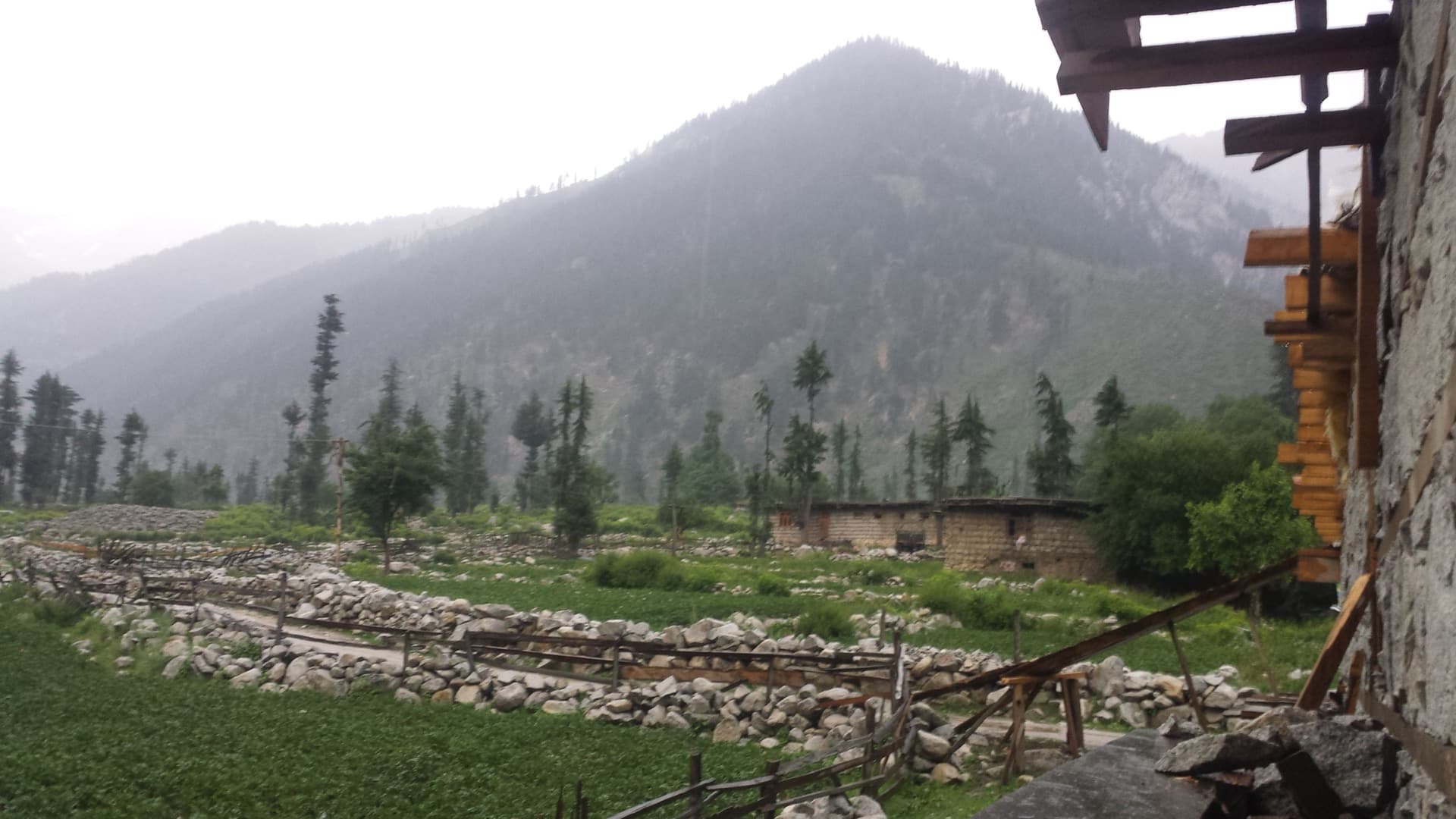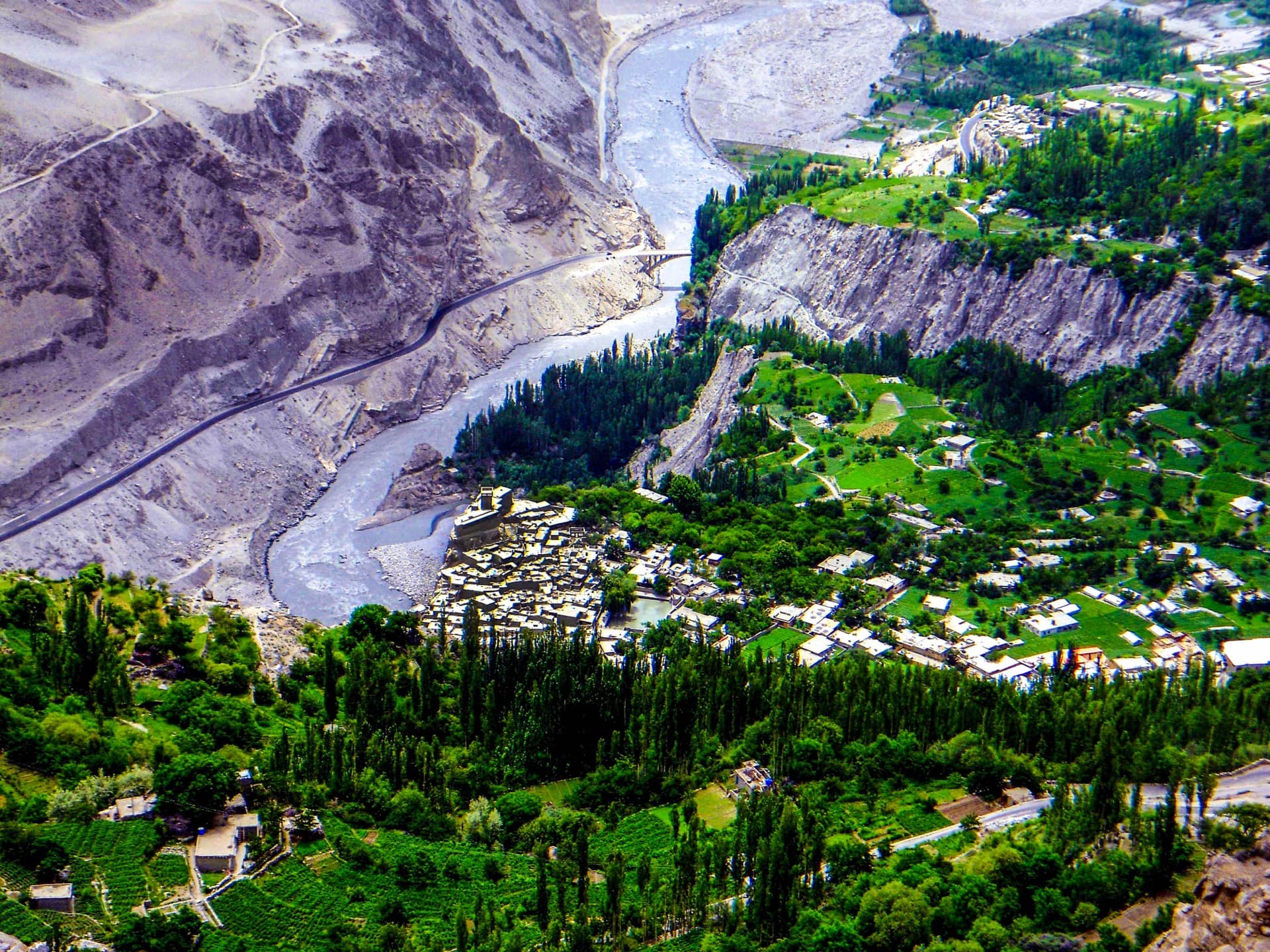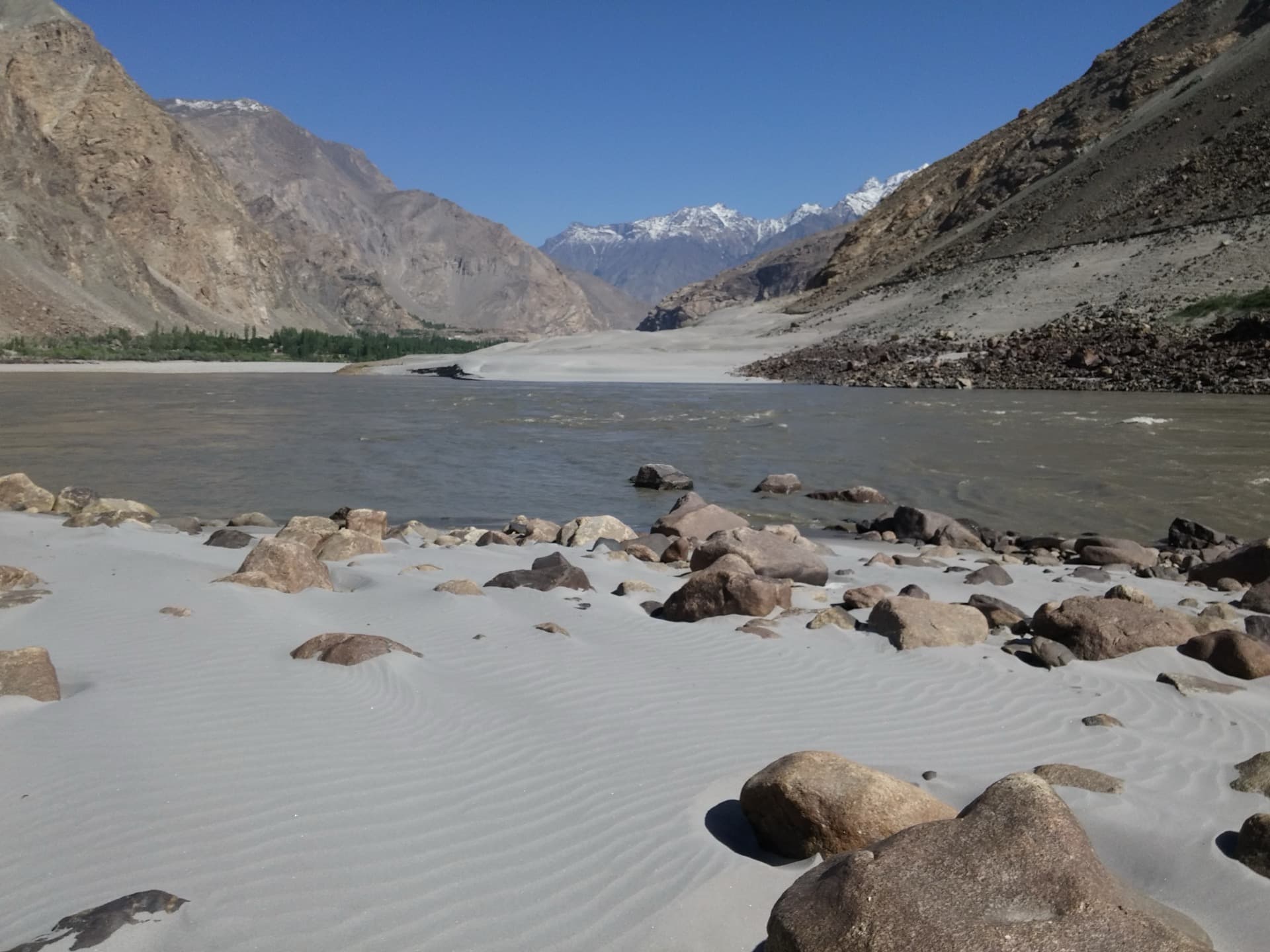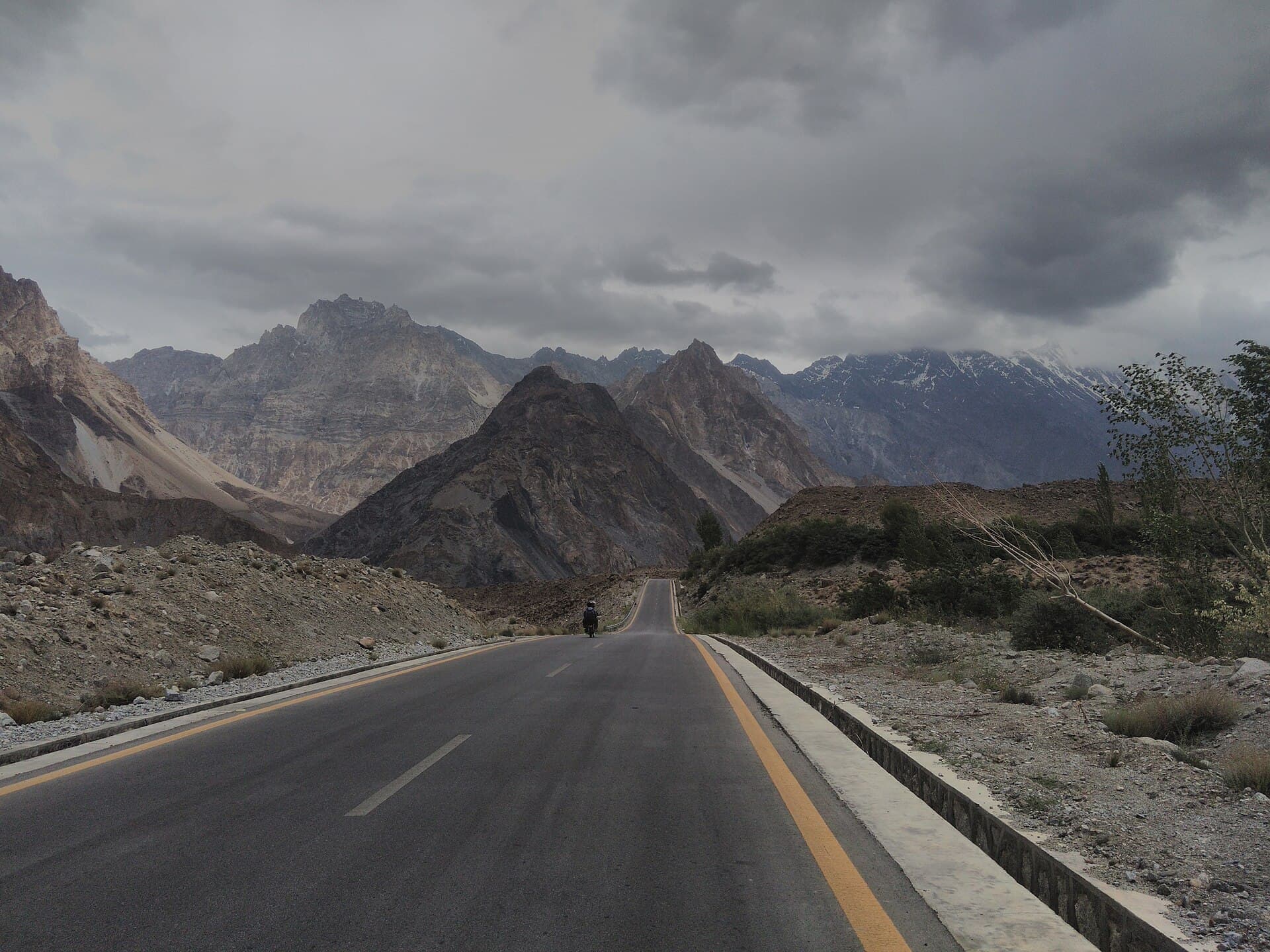
Photo by Asfandyarlahor, via Wikimedia Commons (CC BY-SA 4.0)Website
Hunza or Skardu. It is the question almost every first trip to northern Pakistan comes down to, and the honest answer is that they are two very different experiences wearing the same Karakoram backdrop. Hunza is the polished, cultural, easy to love valley. Skardu is the wild, adventurous, big country gateway to the world's highest peaks. This guide compares them head to head on access, altitude, things to do, food, cost, the best time to go, and exactly who should pick which, so you can plan with confidence instead of guessing.
Hunza vs Skardu at a glance
Wondering whether Hunza or Skardu is better for your trip? Here is a quick side by side comparison before the detail below.
| Hunza | Skardu | |
| Getting there | By road on the Karakoram Highway via Gilgit, or fly to Gilgit then drive | By road, or a direct flight from Islamabad to Skardu |
| Landscape | Green terraced valleys, orchards and villages under Rakaposhi | High desert, the Indus, cold deserts and giant peaks |
| Top sights | Attabad Lake, Baltit and Altit forts, Passu Cones, Khunjerab Pass | Shangrila and Kachura lakes, Deosai plateau, Shigar and Khaplu, Sarfaranga desert |
| Best for | Culture, forts, villages and gentler sightseeing | Wild landscapes, lakes, adventure and trekking |
| Altitude | Around 2,500 m at Karimabad | Around 2,200 m at Skardu town |
| Best time | Spring blossom, summer and autumn colours | Summer, when Deosai and the high routes are open |
The quick verdict
- Choose Hunza if you want easier access, rich living culture, gentle sightseeing, and a relaxed, scenic base. It suits families, older travellers and first timers.
- Choose Skardu if you want raw adventure: high altitude lakes, the Deosai Plateau, a cold desert, jeep safaris and the gateway to K2. It suits trekkers and landscape hunters with more time.
- Do both if you can spare ten days or more. They are about 270 km apart and pair into one of the great road trips on earth.
Where they are and how to get there
Both sit in Gilgit-Baltistan, but on different arms of the mountains, and Gilgit city is the hinge between them. There is no direct road, so you travel Hunza to Skardu (or the reverse) through Gilgit, a drive of roughly 270 km that takes around seven to nine hours.
Getting to Hunza. Hunza is reached on the famous Karakoram Highway, about three to four hours north of Gilgit on mostly paved, comparatively stable road. There is no airport in Hunza itself, so most visitors fly Islamabad to Gilgit (a short but weather dependent flight) or drive the Karakoram Highway, then continue by road. The smooth approach is a big part of why Hunza feels so accessible.
Getting to Skardu. Skardu has its own airport with flights from Islamabad, which is the fastest way in when the weather cooperates, though mountain flights are often delayed or cancelled. By road, Skardu is around six to seven hours from Gilgit on the much improved Skardu Road. The journey in is more remote and dramatic than the run to Hunza.
For most travellers, Hunza is the simpler logistics, and Skardu rewards a little more patience.
Altitude and difficulty
The two valley centres are similar in elevation. Karimabad, the heart of Hunza, sits at about 2,400 to 2,500 metres, while Skardu town is around 2,230 metres. Neither base is a serious altitude challenge.
The difference is what you do from there. Hunza's main sights, the forts, the viewpoints and Attabad Lake, are low effort and family friendly. Skardu's signature experiences climb much higher: the Deosai Plateau averages about 4,100 metres, and the treks beyond Skardu reach into serious mountaineering country, including the approach to K2 base camp. If your trip involves Deosai or high lakes, plan for thinner air and acclimatise.
Things to do in Hunza
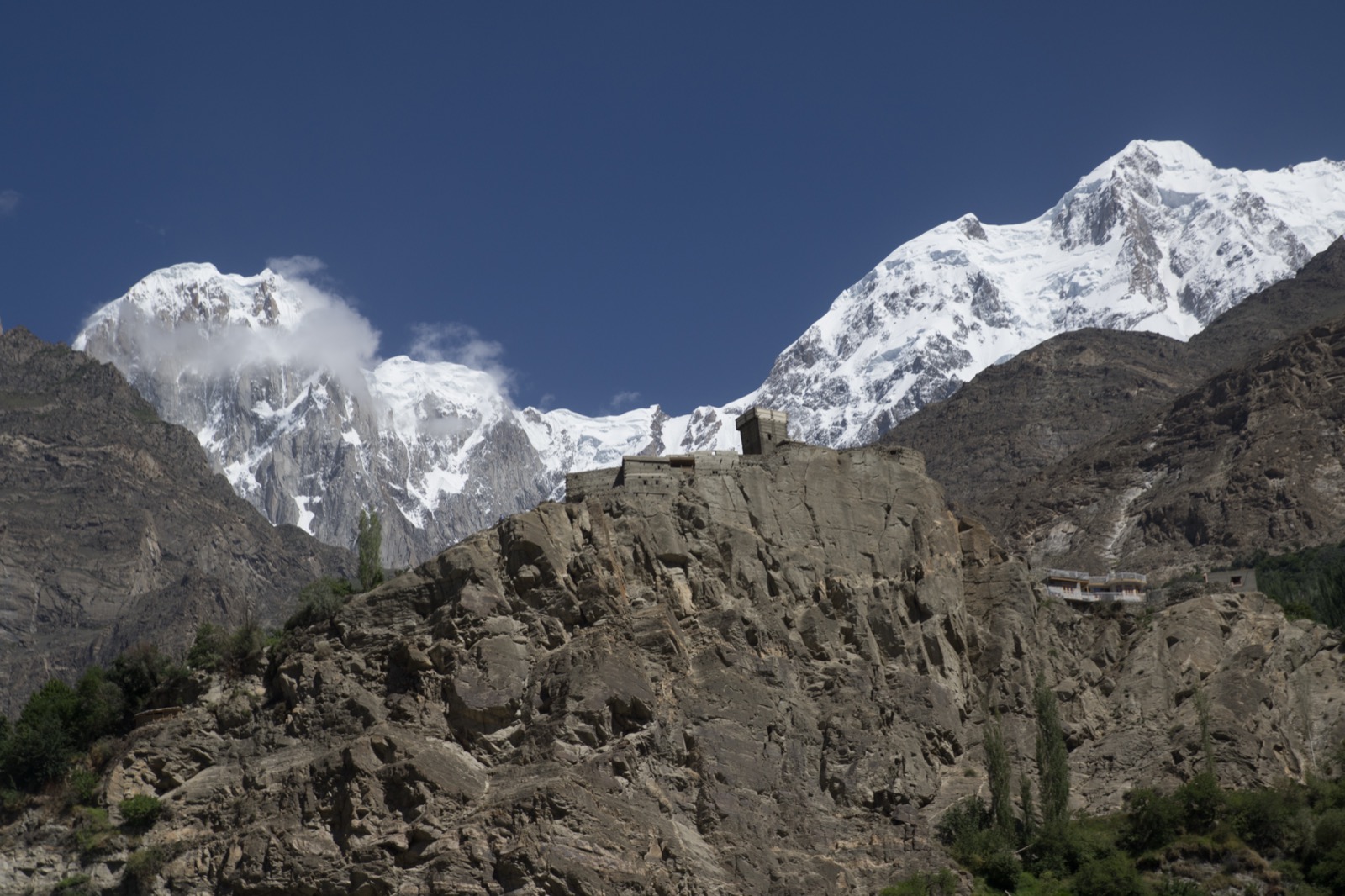
Hunza is about culture and easy beauty:
- Baltit Fort and Altit Fort, centuries old former royal residences above Karimabad, beautifully restored, with sweeping valley views.
- Karimabad, the lively main town, full of cafes, craft shops and some of the most genuine hospitality in the country.
- Attabad Lake, the surreal turquoise lake formed by a 2010 landslide, now ringed with boating and resorts.
- Passu Cones, the cathedral like spires that are among the most photographed mountains in Pakistan.
- Eagle's Nest viewpoint at Duikar for sunrise and sunset over Rakaposhi and Ladyfinger Peak.
- Khunjerab Pass, the 4,693 metre border with China at the top of the Karakoram Highway, an easy day trip in summer.
Hunza is also famous for its literacy, longevity and a culture that blends Central Asian and Pakistani influences. Three to four days covers the highlights comfortably.
Things to do in Skardu
Skardu is the adventurer's base camp:
- Deosai National Park, the second highest plateau on earth, a vast wildflower wilderness home to the Himalayan brown bear, open roughly late June to September.
- Shangrila and the Kachura Lakes, the postcard Lower Kachura (Shangrila) resort lake and the deeper, clearer Upper Kachura.
- The Katpana cold desert, high altitude sand dunes that turn silver under moonlight.
- Shigar and Khaplu forts, superbly restored palaces in the side valleys, now heritage hotels.
- The Chaqchan Mosque in Khaplu, centuries old, blending Tibetan and Islamic styles, and the Italian K2 Museum.
- The gateway to the great treks, including K2 base camp and the Concordia routes, which start from here.
Skardu rewards time. Plan at least five to seven days to take in Deosai, the lakes, the cold desert and the nearby Shigar and Khaplu valleys.
Food and culture
Both valleys serve hearty mountain food, but with different accents. Hunza is known for apricots in every form, walnut and mulberry, chapshuro (a meat filled pastry) and a strong cafe culture in Karimabad. Skardu and wider Baltistan lean Tibetan, with butter tea, mamtu dumplings, balay noodles and apricot soup. Hunza feels more set up for visitors, while Skardu's food scene is rawer and more local.
Where to stay and what it costs
Hunza has the broader spread of guesthouses, boutique stays and a few high end hotels, concentrated around Karimabad and Duikar. Skardu has good hotels in the town plus the standout heritage options at Shigar and Khaplu forts, and simpler lodges out in the valleys.
Costs are broadly similar and modest by international standards, though Skardu's longer distances mean more spent on jeeps and fuel, especially for Deosai and the far valleys. Both spike in peak summer and on long weekends, so book ahead from June to August.
Best time to visit each
The northern season runs roughly April to October for both:
- Hunza is glorious in spring (mid March to mid April) for the cherry and apricot blossom, and again in autumn (late September to October) for golden orchards.
- Skardu is at its best in summer (late June to September), the only window when Deosai is open and the high lakes and treks are accessible.
If blossom or autumn colour is the goal, lean Hunza. If Deosai and high adventure are the goal, you are tied to Skardu's short summer. See our full guide to the best time to visit Pakistan for the month by month picture.
Hunza or Skardu: which is better, and which is more beautiful?
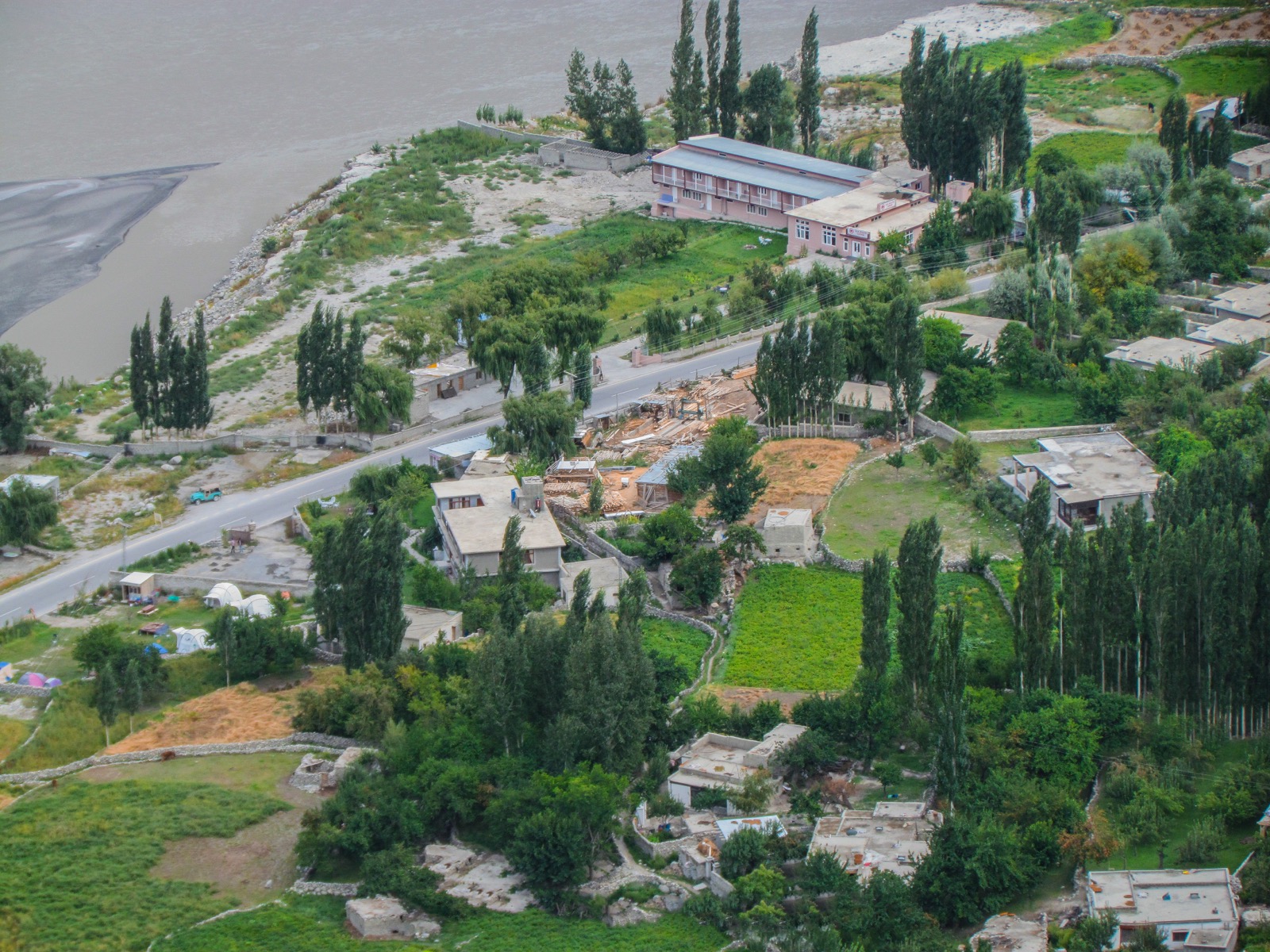
The honest answer is that neither is simply better, they are beautiful in different ways, and which is best depends on the trip you want. If you are asking which is more beautiful, Hunza tends to win hearts with its green, storybook valleys, apricot and cherry blossom, historic forts and the perfect cone of Rakaposhi, a softer, more cultivated kind of beauty. Skardu is more raw and dramatic, a landscape of turquoise lakes, cold deserts, the mighty Indus and enormous bare peaks, the gateway to Deosai and the great Karakoram. For a first trip focused on culture, villages and easy sightseeing, many travellers find Hunza the better pick. For lakes, wild scenery and adventure, Skardu is hard to beat. If you possibly can, the best answer of all is to visit both.
Which should you visit first?
- First trip to the north, limited time, travelling with family: Hunza. It is easier, gentler and endlessly photogenic.
- Confident traveller chasing adventure, lakes and trekking: Skardu.
- Photographer: Hunza for blossom and autumn, Skardu for Deosai's wildflowers and raw scale.
- You want it all and have the days: do both, ideally Islamabad to Hunza by the Karakoram Highway, across to Skardu via Gilgit, and out by the Skardu flight, or the reverse.
Is Hunza or Skardu better for families?
Both valleys work well for families, but in slightly different ways. Hunza is often the easier choice with younger children: the drives between sights are shorter, the villages and forts are gentle to explore, and boating on Attabad Lake and wandering the orchards are simple pleasures kids enjoy. Skardu suits families who do not mind a little more driving, and rewards them with boating on the Kachura lakes, the sand dunes of the cold desert, marmots on the Deosai plateau and a direct flight option that avoids the long road journey. For a relaxed family holiday, many parents lean toward Hunza, while adventurous families love Skardu.
Can you do both in one trip?
Yes, and many people do. The classic loop links Hunza and Skardu through Gilgit over a single ten to fourteen day journey, giving you Hunza's culture and Skardu's wilderness back to back. The drive between them is long but spectacular. Our northern Pakistan itinerary lays out exactly how to combine them, and the Hunza Valley travel guide and Skardu travel guide cover each in depth. You can also dig into the best of each with things to do in Hunza Valley and things to do in Skardu.
Sample plans to picture the difference
Hunza in four days. Day one, drive up from Gilgit and settle in Karimabad. Day two, explore Baltit and Altit forts and wander the old town. Day three, boat on Attabad Lake and drive out to Passu to see the cones and the suspension bridges. Day four, an early run to Khunjerab Pass and back, with a sunset at Eagle's Nest. It is a gentle, scenic rhythm with short drives and plenty of cafe time.
Skardu in six days. Day one, arrive by flight or the long road in. Day two, the Kachura lakes and the Katpana cold desert. Days three and four, a full Deosai Plateau excursion with a night near the lakes if you have camping appetite. Day five, the Shigar valley and its fort palace. Day six, Khaplu fort, the Chaqchan Mosque and the drive back. It is bigger, rougher and more rewarding for the effort.
The contrast tells you everything: Hunza is short hops and culture, Skardu is long jeep days and wilderness.
Getting around once you are there
In Hunza, distances are short and most roads are paved, so taxis and a hired car cover everything easily, and Karimabad itself is walkable. In Skardu, the town is a base but the highlights are spread far out, and Deosai, the cold desert and the side valleys need a four wheel drive with a local driver. Budget more time and more fuel for moving around Skardu.
Connectivity and practicalities
Mobile coverage in Gilgit-Baltistan runs mainly on the regional operator, and data is patchy to non existent once you leave the main towns, more so in Skardu's far valleys and on Deosai than around Karimabad. Carry enough cash, since card machines are rare outside the bigger hotels, and fill fuel whenever you can on the Skardu side. Tourists do not need a special permit for the main Hunza and Skardu areas, though some border zones near Khunjerab and high trekking routes have their own rules, so confirm locally.
The bottom line
If you want the Karakoram made easy, full of forts, orchards, cafes and warm hospitality, go to Hunza. If you want the Karakoram at its rawest, with a high plateau, glacial lakes, a cold desert and the road to K2, go to Skardu and give it time. Neither is better in the abstract, they simply answer different questions, and the lucky traveller does both.
For accommodation, see our where to stay in Hunza and where to stay in Skardu guides.
Last updated
Share this article
Frequently asked questions
- Is Hunza or Skardu better to visit?
- Hunza is better for a first trip, easy access, culture, forts and blossom. Skardu is better for raw adventure, trekking, Deosai and cold deserts. With 10 days or more, do both on one loop, since they connect by a single mountain road.
- Is Hunza or Skardu easier to reach?
- Hunza is easier by road: 2 to 3 hours from Gilgit on the paved Karakoram Highway. Skardu is fastest by air, with direct flights from Islamabad, but its road approach is a longer 6 to 7 hours from Gilgit.
- Can you visit both Hunza and Skardu in one trip?
- Yes, and it is the classic northern trip. They are linked by road via Gilgit, so a 10 to 14 day loop can cover Hunza, the Khunjerab Pass, Skardu and Deosai. Our Northern Pakistan itinerary is built around exactly this.
- Which has better scenery, Hunza or Skardu?
- Both are spectacular. Hunza offers green terraced valleys, forts, Attabad Lake and the Passu Cones. Skardu offers bigger, starker landscapes: Deosai plateau, cold deserts, alpine lakes and the approach to K2. It depends on whether you prefer cultural valleys or raw wilderness.
- How many days do you need for Hunza and Skardu?
- Three to four days each does them justice. A combined trip covering both, plus the Khunjerab Pass and Deosai, works well over 10 to 14 days. If you only have a few days, pick one rather than rushing both.