Photo by Muhammad Awais, via Wikimedia Commons (CC BY-SA 4.0)Website
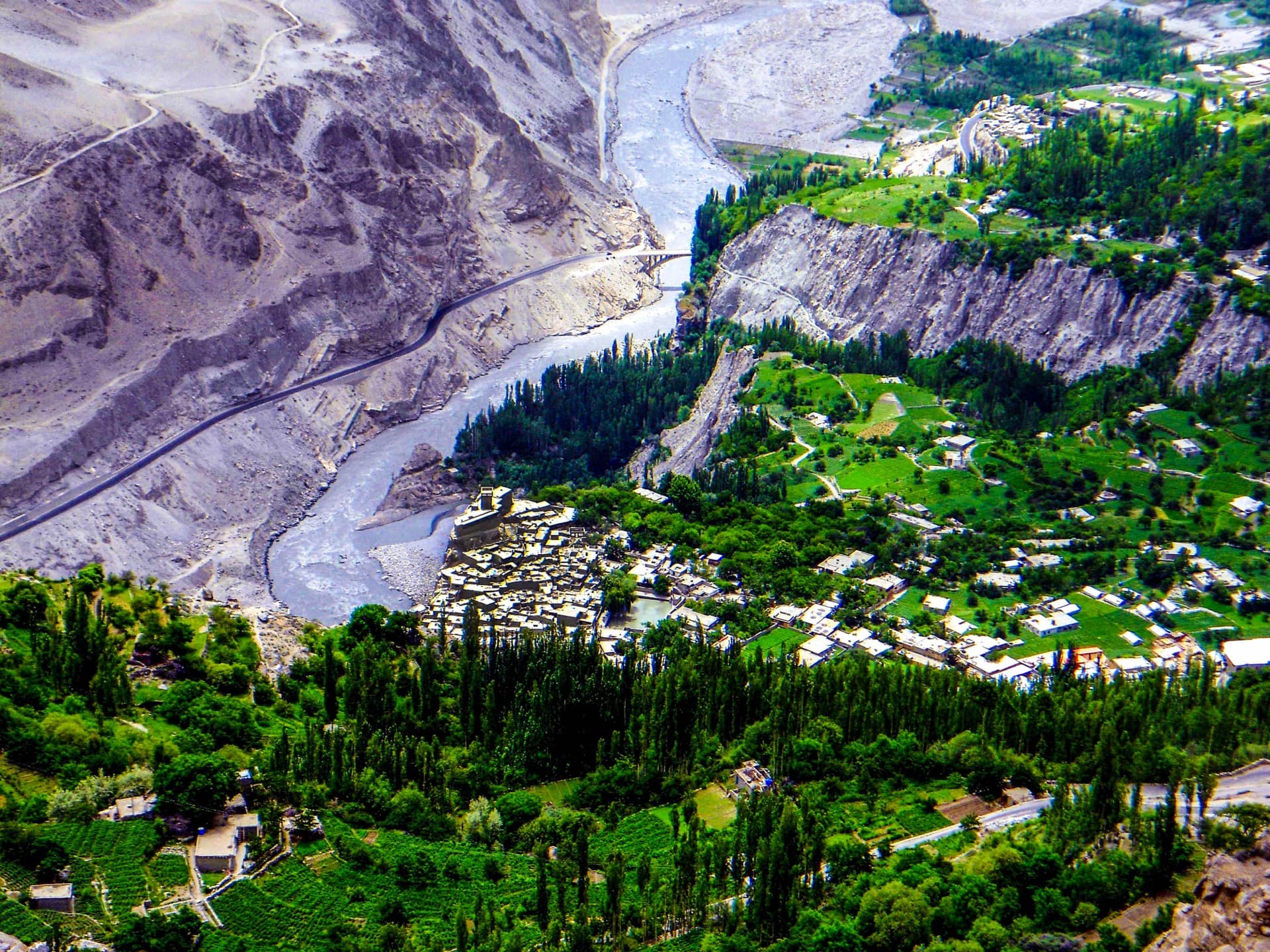
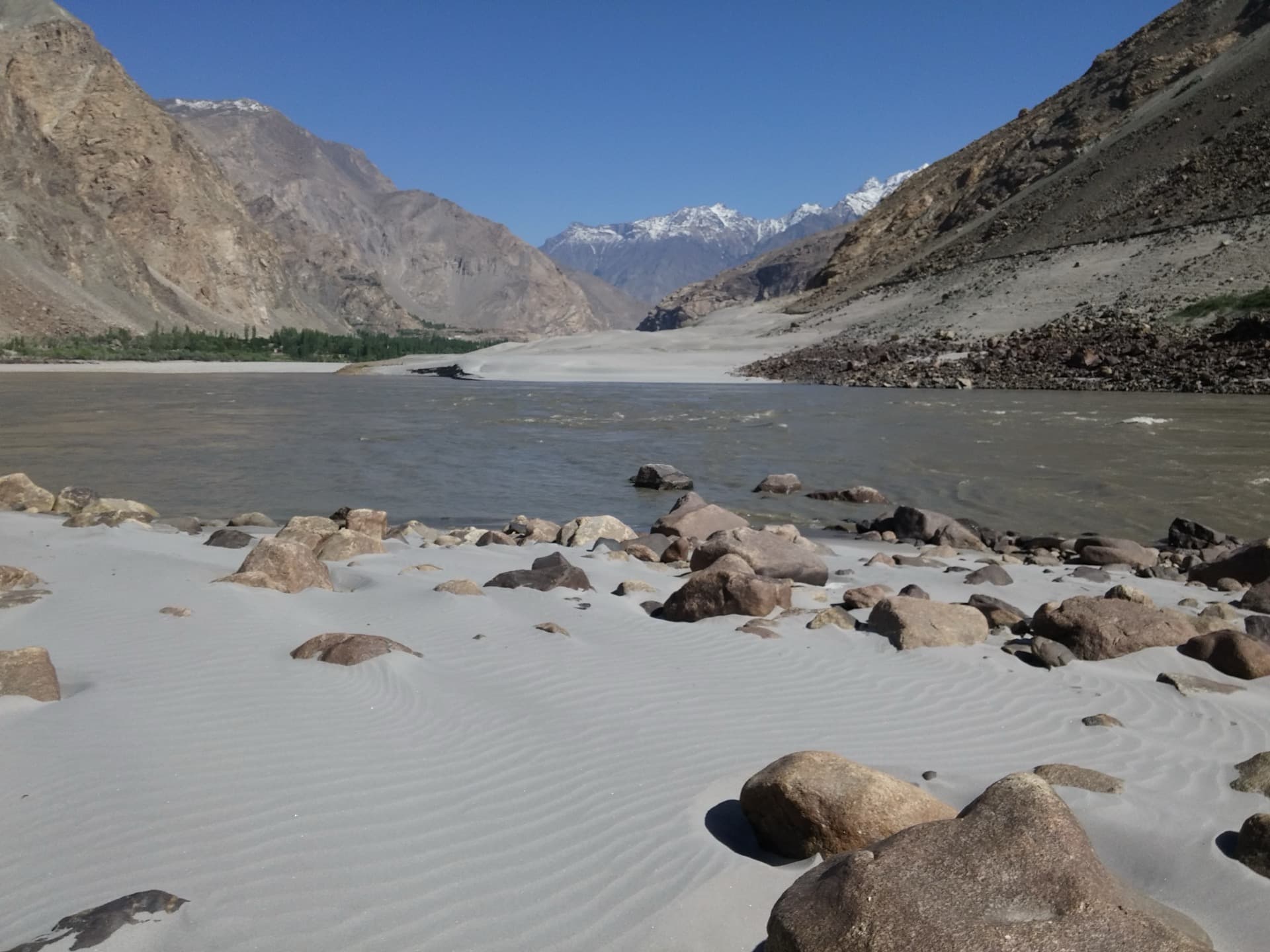
Skardu is the adventure capital of Pakistan, the town where the Indus and Shyok rivers meet and the road to the world's greatest mountains begins. This is the gateway to K2, the Gasherbrums and Broad Peak, but you do not need to be a mountaineer to fall for it: Skardu packs glacial lakes, high cold deserts, restored fort palaces, an alpine plateau roamed by brown bears, and ancient Buddhist rock carvings into one extraordinary valley. Here are the best things to do in Skardu, with real distances, altitudes and tips, plus how to get there, when to go, and how many days you need.
Getting to Skardu
You can reach Skardu two ways. The fast option is the 45 minute flight from Islamabad, a spectacular glide over the Karakoram, though these mountain flights are frequently delayed or cancelled by weather, so keep a buffer day. The slow but scenic option is the road, roughly 20 to 22 hours up the Karakoram Highway, or the shorter Babusar Pass route in summer. Skardu town sits at about 2,230 metres and makes a comfortable base for everything below.
The best things to do in Skardu
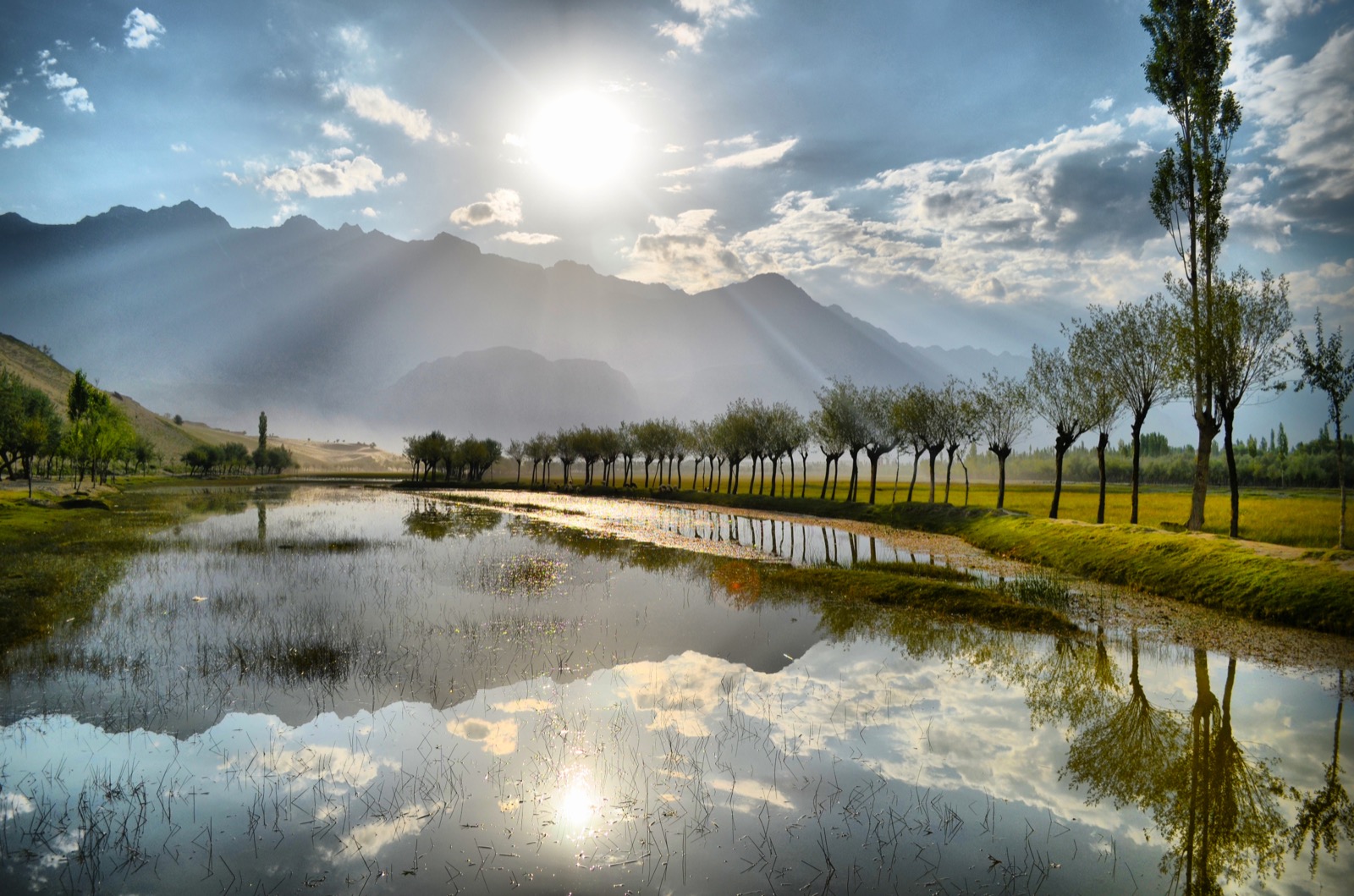
- Deosai National Park, the headline day trip, about 35 km away. The second highest plateau on earth at around 4,100 metres, a vast rolling wilderness of wildflowers and Himalayan brown bears, with Sheosar Lake at about 4,250 metres and views of Nanga Parbat on clear days. Open summer only, roughly June to October. Entry is modest for locals and higher for foreigners, and a shared jeep for the day runs in the region of 22,000 to 25,000 rupees.
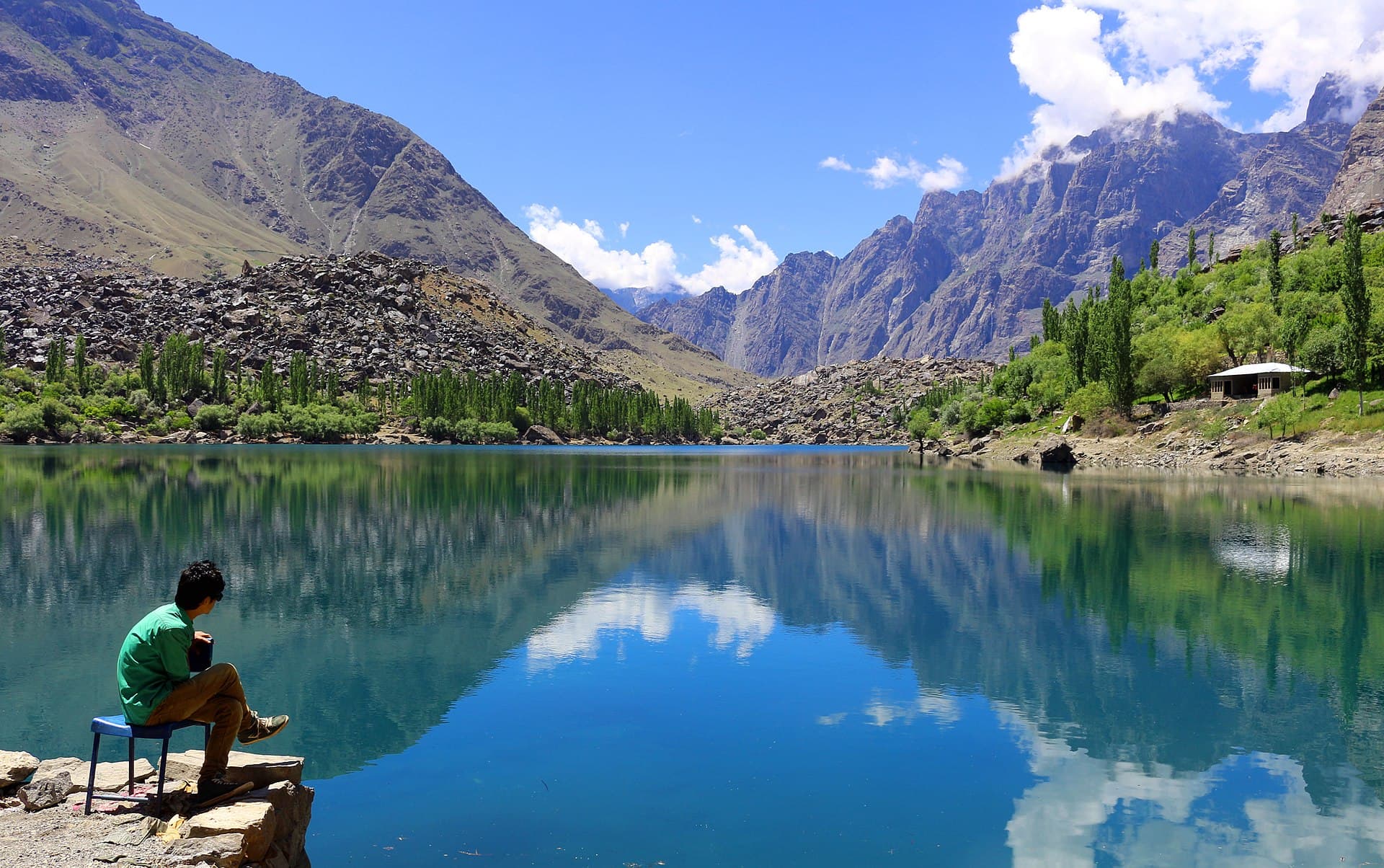
- The Kachura Lakes, about 35 km from town. Upper Kachura is the serene, crystal clear one for boating, while Lower Kachura, the famous Shangrila, has the resort with its aircraft turned restaurant. A classic, easy half day.
- Katpana Cold Desert, just minutes from the airport, one of the highest deserts in the world. Soft dunes, superb stargazing after dark, and a white wonderland when it snows in winter.
- Sarfaranga Cold Desert, a little further out at about 7,500 feet, with bigger dunes for jeep safaris, sandboarding and the occasional desert rally.
- Shigar Fort and Valley, about 30 to 40 minutes away, a beautifully restored 17th century royal residence, now a heritage hotel and museum, and the gateway to the K2 and Baltoro Glacier treks.
- Khaplu Palace, about 100 km east, a 19th century royal residence showcasing Balti and Tibetan architecture, near the 400 year old Chaqchan Mosque with its intricate woodwork.
- Kharpocho Fort, right above town, a short steep climb to a 16th century hilltop fort with sweeping views over Skardu, the Indus and the desert.
- The Italian K2 Museum, about 4 km from town, with free entry and gear and stories from the 1954 first ascent of K2.
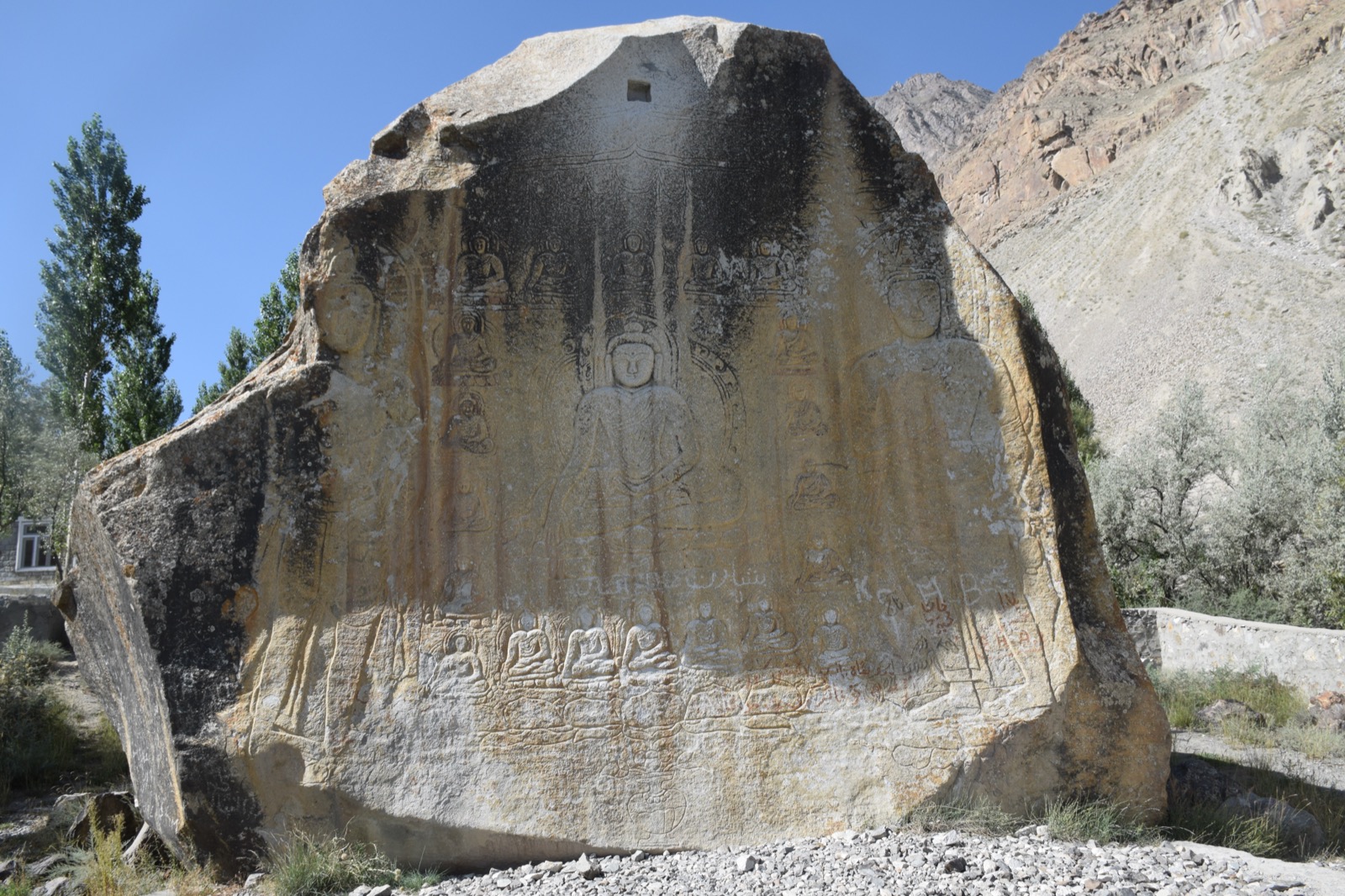
- Manthal Buddha Rock, about 3 km out, an 8th century carving that survives from the region's pre Islamic Buddhist past.
- Satpara Lake, about 8 to 10 km south, the deep blue lake that supplies Skardu's water, ringed by stark brown mountains.
- Manthokha Waterfall, a roughly two to three hour drive toward Khaplu, a 50 metre plus cascade with picnic spots and food stalls.
- Marsur Rock, a challenging hike to a viewpoint around 3,600 metres for one of the finest panoramas of the Skardu valley and the Indus.
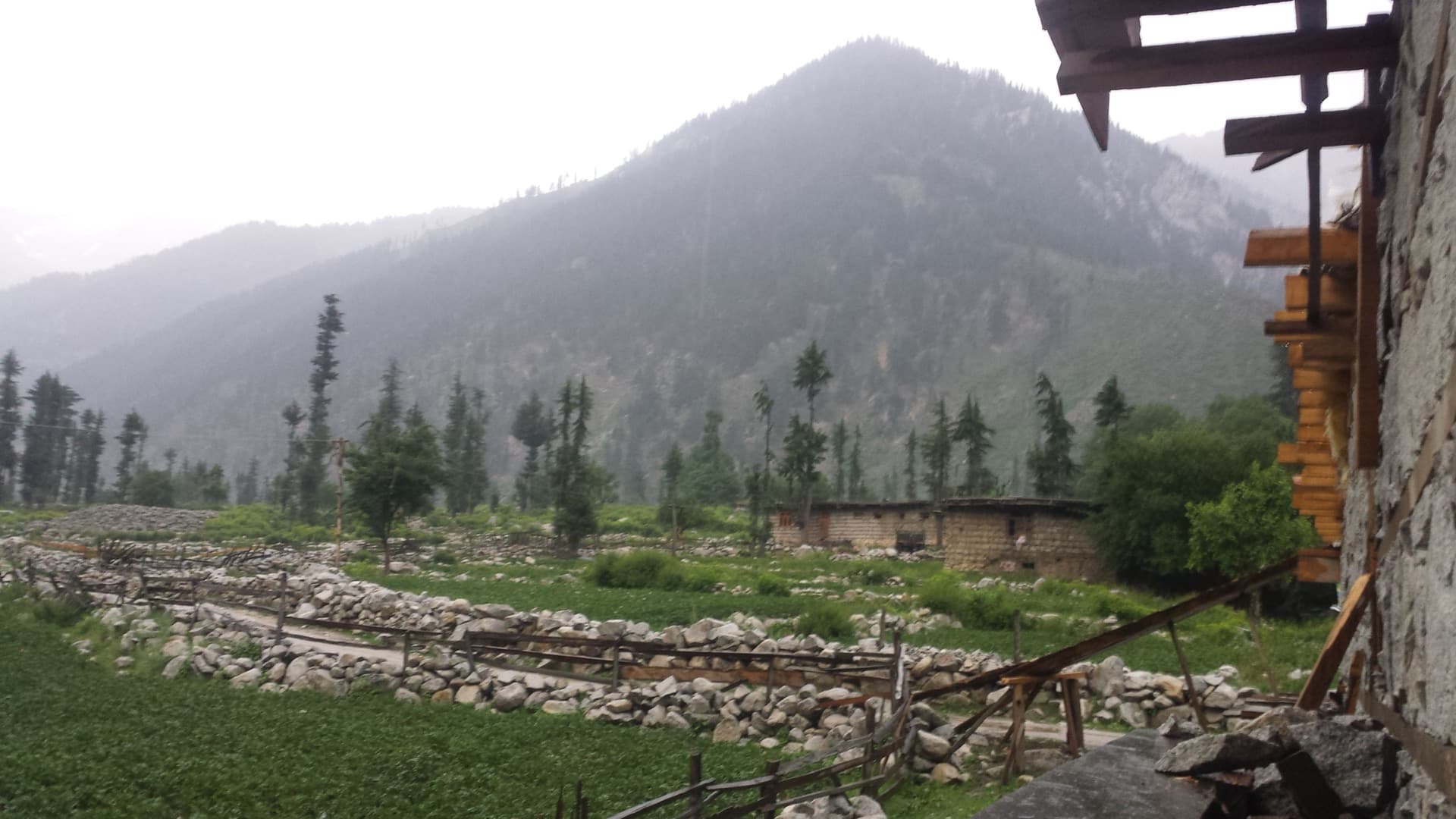
- Soq Valley and Nansoq, just a few km out, home to one of Pakistan's first organic farming communities, with traditional Balti homes and a gentle valley walk.
- Basho Valley, about 50 km away, alpine meadows and pine forest reached by jeep, lovely for camping.
Adventure activities
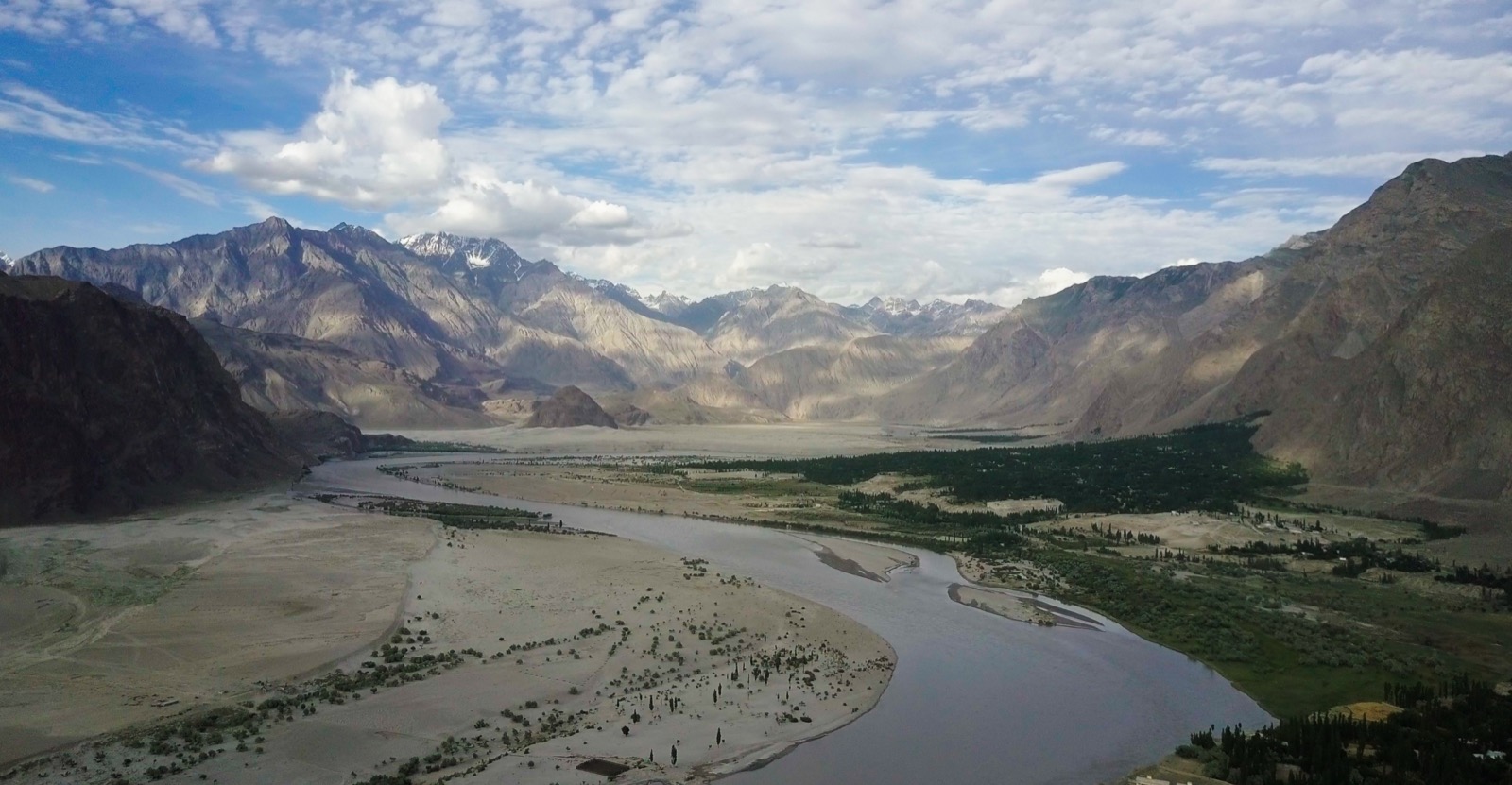
Skardu is built for the adventurous. It is the trailhead for the legendary K2 Base Camp and Concordia trek, often called tougher than Everest Base Camp, and for expeditions into the Hushe Valley toward Masherbrum, Laila Peak and the K6 and K7 base camps. Closer to town you can go sandboarding and jeep safari on the cold deserts, paragliding, trout fishing and boating on the lakes, rock climbing and mountain biking, and there is even traditional polo on the local ground. For most of these you arrange a jeep and a local driver or guide through your hotel.
Things to do in Skardu with family
Skardu is family friendly if you stick to the gentler highlights. Boating on Upper Kachura, the Shangrila resort lake, the easy dunes and stargazing at Katpana, the K2 Museum, the climb to Kharpocho Fort and a day on the Deosai plains are all manageable with children, while the harder treks and the far valleys can wait for another trip. Keep daily drives short and build in rest, since the altitude tires young travellers.
Skardu in winter
Winter turns Skardu stark and quiet. Many high routes close, Deosai is shut, and flights are even less reliable, so most travellers avoid December to February. The reward for those who do come is the cold deserts under snow, frozen lakes, and local winter festivities like the Mayfung bonfire celebration. It is for the hardy, not the first timer.
Food and shopping
Skardu is the place to try Balti cuisine: balay, a goat broth noodle soup, prappu and mamtu dumplings, and apricot based dishes, all distinctly Tibetan in flavour. The bazaar is the spot to pick up handwoven carpets, traditional woollen caps, gemstones and the region's famous dried apricots and nuts.
How many days do you need?
Plan a minimum of four to five days for Skardu's core: Deosai, the Kachura lakes, the cold deserts, the forts and the in town sights. Give it seven to ten days if you want the remote valleys like Hushe and Basho, or you are heading out on a serious trek toward K2.
Best time to visit
Skardu shines from June to September, when Deosai is open, the lakes are at their fullest and the high trails are clear. Spring, in April and May, brings apricot blossom and quieter roads, and autumn in October offers golden colour with thinner crowds. Winter is harsh and largely closed.
Can you see K2 from Skardu?
Not from the town itself. K2 lies deep in the Karakoram, and seeing it means trekking in from Skardu via Askole to Concordia, a multi day expedition. What Skardu gives you is the role of base camp to the giants: it is where every K2 journey is organised, supplied and begun, which is a thrill in itself. If you want a taste of high Karakoram scenery without the expedition, a day on the Deosai Plateau or the drive up the Shigar and Hushe valleys brings you closer to the great peaks.
A suggested 4 to 5 day plan
- Day 1: Arrive by flight or road, settle in, and ease into the altitude with the in town sights: Kharpocho Fort, the Italian K2 Museum and Skardu bazaar.
- Day 2: A full day on the Deosai Plateau, with Sheosar Lake and the chance of spotting marmots and brown bears, returning to Skardu by evening.
- Day 3: The Kachura lakes and the Shangrila resort, plus the cold deserts at Katpana and Sarfaranga for sandboarding and sunset.
- Day 4: Drive out to Shigar Fort and valley, with the option to continue toward Khaplu Palace and the Chaqchan Mosque if you have time.
- Day 5: A gentle finish with the Manthal Buddha Rock, the Soq Valley walk, or a hike up Marsur Rock for the big view, before flying or driving out.
Getting around Skardu
Skardu town is small and walkable, but every highlight sits a drive away on roads that often turn to rough track, so a hired jeep with a local driver is the standard way to explore. Day rates are negotiated through your hotel and shared to split the cost: Deosai runs in the region of 22,000 to 25,000 rupees for the vehicle, and shorter trips to the lakes or deserts are much less. Minivans link the nearer villages cheaply. Distances add up quickly out here, with Khaplu around 100 km and Manthokha Waterfall a two to three hour drive, so plan one major outing per day rather than trying to cram several.
Where to stay
Skardu has a wide spread of places to sleep, from budget guesthouses in town to comfortable mid range hotels and the standout heritage stays at Shigar Fort and Khaplu Palace, both restored royal residences turned hotels. Basing yourself in Skardu town keeps you central for the day trips, while a night at Shigar or Khaplu is worth it for the experience itself. Book ahead in the June to September peak and around long weekends, when rooms fill fast and prices rise.
Practical tips
- Altitude: the town is at about 2,230 metres and Deosai climbs past 4,000, so take it gently for the first day and carry warm layers even in summer.
- Connectivity: mobile data is patchy outside town and runs mainly on the regional and one or two national operators, so download offline maps.
- Cash: card machines are scarce, so carry enough rupees for jeeps, fees and meals.
- Weather buffer: flights cancel and high roads close, so never plan a tight last day connection.
- Respect local custom: dress modestly in villages and at the mosques and shrines.
Related guides
For the full picture, read the Skardu travel guide, weigh it against its rival in Hunza vs Skardu, time your trip with the best time to visit Pakistan, and fit Skardu into a bigger route with the northern Pakistan itinerary. Browse every region on the destinations page. For accommodation, see our where to stay in Skardu guide.
Last updated
Share this article
Frequently asked questions
- What are the top things to do in Skardu?
- The highlights are the Upper and Lower Kachura (Shangrila) lakes, the Katpana cold desert and its stargazing, a Deosai National Park safari, the Shigar and Khaplu heritage forts, the Kharpocho Fort viewpoint, Manthoka waterfall and the green Basho Valley.
- How many days do you need in Skardu?
- Four to five days lets you cover the town sights, the Kachura lakes and Katpana, a full day in Deosai, and a trip to Shigar or Khaplu. A week is better if you want to add Basho Valley or push toward the Baltoro side.
- How much does a Deosai trip from Skardu cost?
- A full-day 4x4 to Deosai National Park, in a Prado for five or six people, runs roughly PKR 15,000 to 20,000 for the vehicle. Deosai is open only in summer, about July to September, when the plateau is free of snow and the wildflowers are out.
- Is Skardu good for stargazing?
- Yes. The Katpana cold desert on the edge of Skardu is one of the best stargazing spots in Pakistan, thanks to high altitude, dry air and very little light pollution. Clear summer and autumn nights are ideal.
- Are the Kachura lakes worth visiting?
- Yes. Lower Kachura is the famous Shangrila Resort lake with boat rides and a lakeside restaurant, while Upper Kachura nearby is quieter and clearer, a deep blue lake good for a swim or a peaceful walk. Both are an easy half-day from Skardu town.