Photo by Jehan Sher, via Wikimedia Commons (CC BY-SA 4.0)Website
Skardu is the capital of Baltistan and the launch pad for the greatest mountains on earth, from K2 to the Gasherbrums. It is also, increasingly, one of Pakistan's most popular holiday valleys, ringed by glacial lakes, cold deserts, a high alpine plateau and restored fort palaces. This is a complete trip planning guide to Skardu: how to get there by air or road, the best time to go, how many days you need, where to stay, what it costs, how to get around, what to eat, and the practical tips that make the trip smooth. For the full rundown of sights, see our companion guide to the best things to do in Skardu.
Skardu at a glance
- Where: Baltistan, Gilgit-Baltistan, at the confluence of the Indus and Shyok rivers.
- Altitude: about 2,230 metres, so mild altitude, not extreme.
- Best time: May to October, with summer for the high lakes and Deosai and autumn for colour.
- How long: 4 to 5 days for the core, 7 to 10 for the surrounding valleys and treks.
- Famous for: the gateway to K2, Deosai Plateau, Kachura lakes, cold deserts and fort palaces.
How to get to Skardu
By air. The fast, scenic way. PIA flies daily to Skardu from Islamabad in about 45 minutes, with services also from Lahore, Multan and Karachi, and round trip fares typically run around 25,000 to 65,000 rupees. The huge caveat is weather: these are mountain flights flown on sight, and a large share are delayed or cancelled, so always keep a buffer day and a backup road plan.
By road. The adventurous way. From Islamabad the drive is long, roughly 15 to 22 hours up the Karakoram Highway through Chilas, or via the seasonal Babusar Pass route in summer. From Gilgit the Skardu road takes about 4 to 7 hours depending on conditions. Public NATCO buses are cheap, but most travellers hire a car with an experienced driver and break the journey overnight. Avoid night driving and the landslide prone spells.
The smart move is often to fly one way and drive the other, so you get the speed of the flight and the drama of the highway, while hedging against a cancelled flight.
Best time to visit Skardu
Skardu's season runs May to October. Summer, from June to September, is the peak, with mild days around 20 to 30 degrees, fully open roads, and the only window for the Deosai Plateau and the high lakes. Autumn, in late September and October, brings golden foliage, clear skies and fewer crowds, a favourite of photographers. Spring, in April and May, has apricot blossom and quieter sights. Winter, December to February, is harsh and largely closed, with snow blocking roads and even less reliable flights.
How many days do you need?
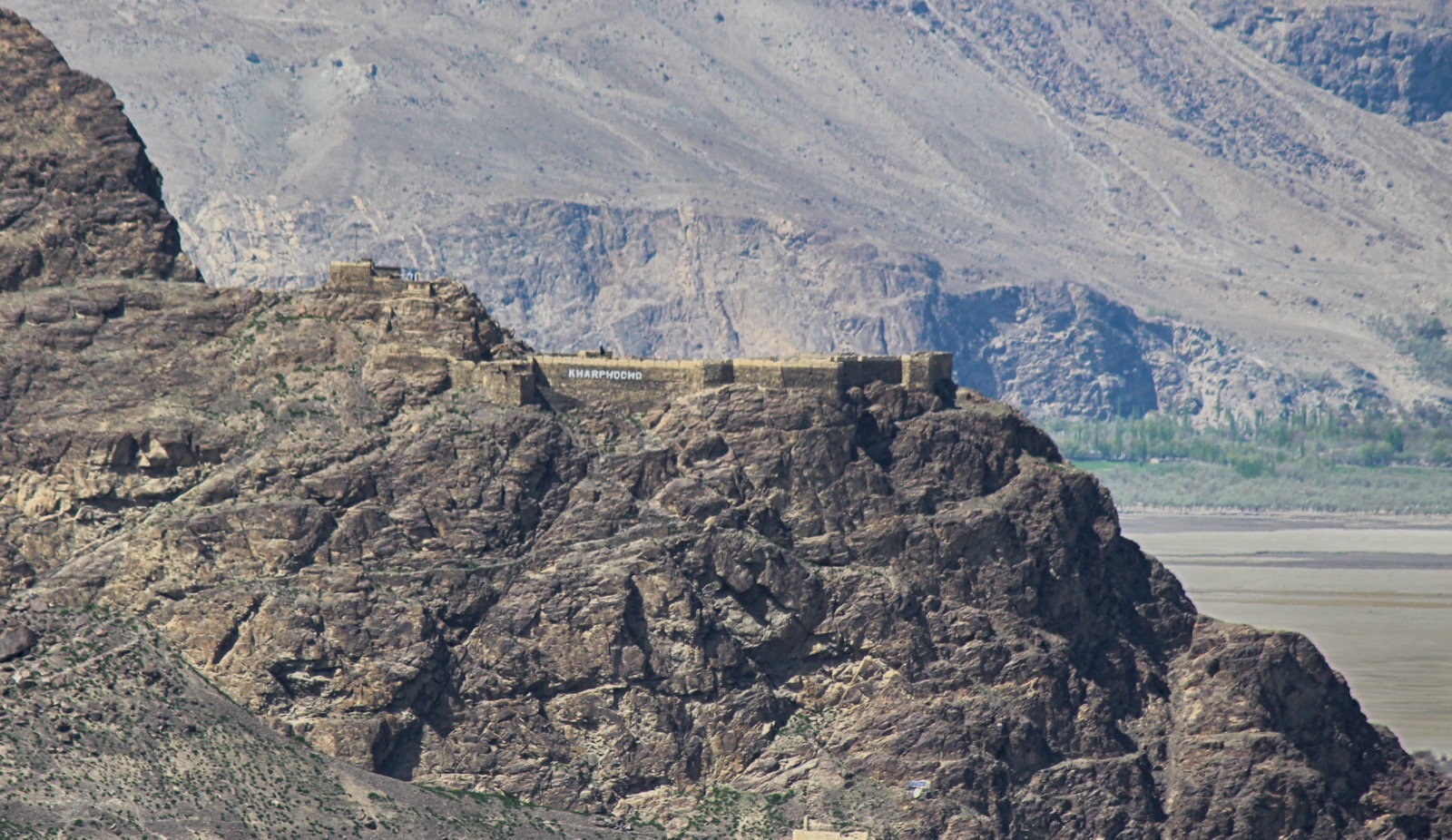
Plan a minimum of four to five days for Skardu's core: the Kachura lakes, the cold deserts, Kharpocho Fort, the K2 Museum and a full day on Deosai. Give it seven to ten days to add the Shigar and Khaplu valleys or to slow down, and two weeks or more if you are heading out on a serious trek toward K2 Base Camp. Build in at least one buffer day for weather, especially if you fly.
Where to stay
Skardu has grown a wide range of places to sleep:
- Budget: simple guesthouses and small hotels in and around the bazaar, homely and inexpensive. The bazaar is convenient but can be dusty and busy.
- Mid range: comfortable hotels a few minutes outside the centre, quieter and often with garden or river settings.
- Luxury and heritage: the standout options are the restored fort palaces, the Serena Shigar Fort and Khaplu Palace, plus high end resorts like Shangrila on Lower Kachura Lake, where rooms run well above the rest.
Basing yourself in or near Skardu town keeps you central for day trips, while a night at Shigar or Khaplu is an experience in itself. Book ahead in the June to September peak.
Getting around
Skardu town is compact and walkable, but the highlights are spread out on roads that often turn to rough track, so a hired jeep with a local driver is the standard way to explore, arranged easily through your hotel. A four wheel drive is essential for Deosai, the cold deserts and the far valleys, and day rates are shared to split the cost, with a Deosai day running in the region of 22,000 to 25,000 rupees for the vehicle. Cheap minivans link the nearer villages, and taxis cover short hops in town.
What it costs
Skardu suits every budget. Independent travel is affordable, with cheap guesthouses, inexpensive local food and shared jeeps. As a rough mid range guide for a five day trip per person, expect round trip flights of about 25,000 to 65,000 rupees, hotels from roughly 6,000 to 30,000 a night, daily food and transport of about 5,000 to 15,000, and lake or park fees on top, for a total often in the 150,000 to 200,000 rupee range. Organised tour packages start around 74,000 rupees for a four day fly in trip and climb steeply for longer road based or luxury itineraries.
What to see (in brief)
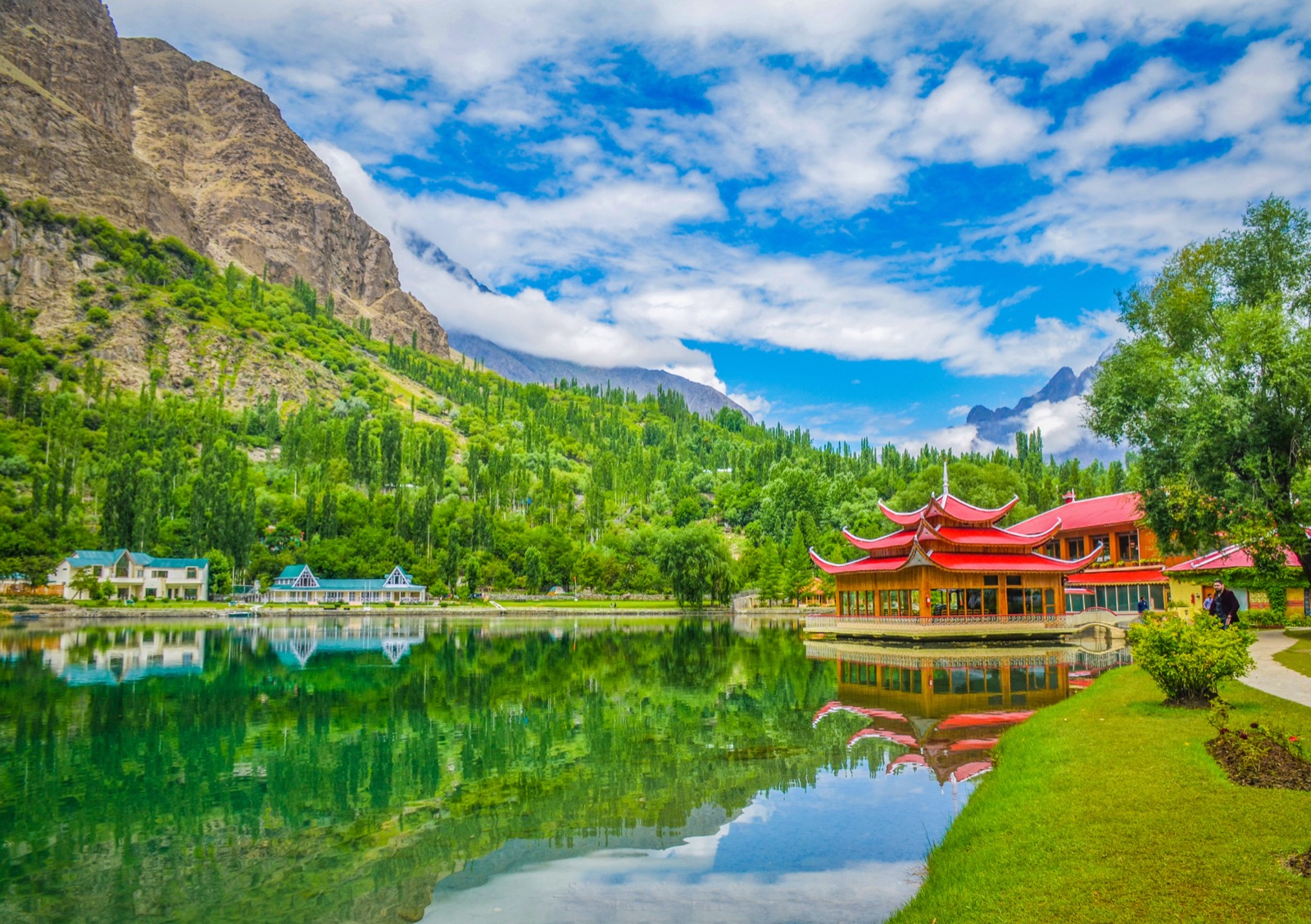
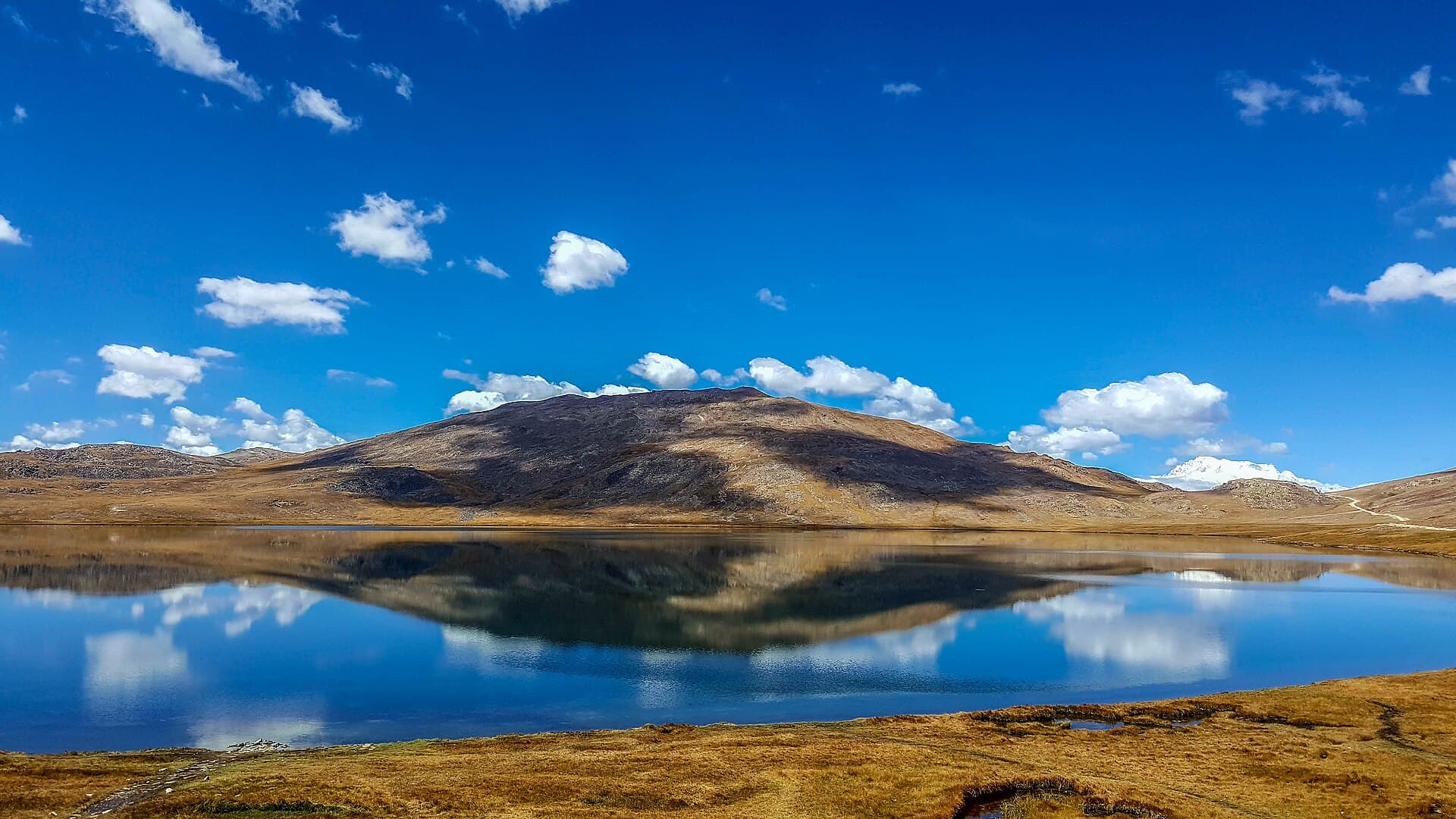
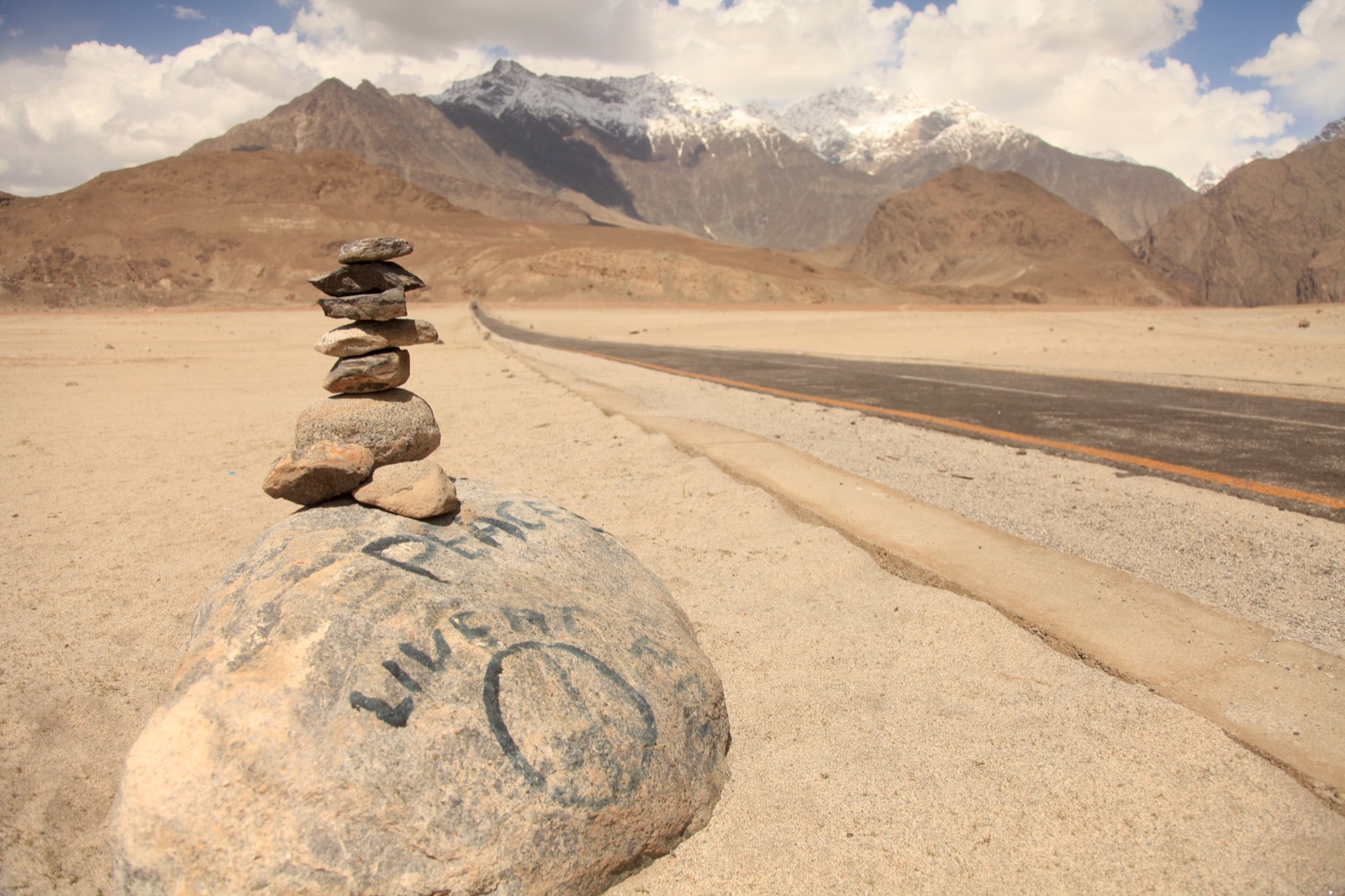
Skardu's headline sights include the Deosai Plateau and Sheosar Lake, the Upper and Lower Kachura (Shangrila) lakes, the Katpana and Sarfaranga cold deserts, Kharpocho Fort, the Italian K2 Museum, Satpara Lake, and the Shigar and Khaplu fort palaces, with the great treks toward K2 starting from here. Each of these, with distances, altitudes and fees, is covered in depth in our things to do in Skardu guide.
Balti food
Skardu is the place to try Baltistan's distinctive, Tibetan influenced cuisine: balay, a goat broth noodle soup, prappu, dough with a nut and apricot sauce, mamtu dumplings like Nepali momos, the salty namkeen chai, apricot soup, and of course fresh grilled trout from the lakes and rivers. The bazaar is the spot to eat and to buy dried apricots, nuts and gemstones.
Connectivity and practical tips
- SIM and signal: the regional operator gives the best coverage, so pick up a local SIM, and expect data to fade fast outside town. Download offline maps.
- Cash: ATMs are limited, so carry enough rupees for jeeps, fees and meals.
- Altitude and water: the base is mild at 2,230 metres but Deosai climbs past 4,000, so take it gently, and stick to bottled or filtered water.
- Weather buffer: flights cancel and high roads close, so never plan a tight last day connection.
- Pack layers: even summer nights are cold at altitude, and the deserts swing hot to cold.
A suggested 4 to 5 day plan
- Day 1: Arrive, ease into the altitude, and see the in town sights: Kharpocho Fort, the K2 Museum and the bazaar.
- Day 2: A full day on Deosai with Sheosar Lake, returning by evening.
- Day 3: The Kachura lakes and Shangrila, plus the Katpana and Sarfaranga cold deserts at sunset.
- Day 4: Shigar Fort and valley, with the option to push on to Khaplu Palace.
- Day 5: A gentle finish at Satpara Lake or a short hike, before flying or driving out.
Day trips from Skardu
Skardu works best as a base for day and overnight trips, since the highlights fan out in every direction. The big one is Deosai, the high plateau about 35 km out, a full day in itself. Shigar and its fort are close, around 30 to 40 minutes, while Khaplu and its palace sit further east, about 100 km and a longer drive. For the adventurous, the remote Hushe Valley (around 140 km) is the trailhead toward Masherbrum and Laila Peak, and Basho Valley (around 50 km) offers meadows and camping. The Manthokha Waterfall is a two to three hour drive toward Kharmang. Plan one major outing per day and keep the distances in mind when you book a driver.
Skardu in winter
From December to February, Skardu turns cold and quiet. Snow closes Deosai and many high routes, flights are even less reliable, and most travellers stay away. The reward for the hardy is the cold deserts under snow, frozen lakes and a stark, empty beauty, but for a first visit, come between May and October instead.
What to pack
- Warm layers and a down jacket, since even summer nights are cold at altitude.
- Sun protection, a hat and sunglasses for the strong high desert sun.
- Sturdy shoes for fort climbs and lake walks, and a windproof shell for Deosai.
- A power bank, offline maps and a local SIM, because signal and power fade outside town.
- Cash, personal medicine and altitude drops, with bottled water for the stomach.
Related guides
For the full list of attractions see things to do in Skardu, compare it with its rival in Hunza vs Skardu, time your trip with the best time to visit Pakistan, and fit Skardu into a longer route with the northern Pakistan itinerary. See the overview on the Skardu destination page or browse all regions on the destinations page. For accommodation, see our where to stay in Skardu guide.
Last updated
Share this article
Frequently asked questions
- How many days do you need in Skardu?
- Five to seven days. The headline sights, Deosai, Khaplu and Shigar, are long jeep days out from Skardu town, so the valley needs more time than its size suggests. Add two days if driving in rather than flying.
- How much does a Skardu trip cost from Islamabad?
- Independently, roughly PKR 45,000 to 65,000 per person backpacker-style, PKR 90,000 to 140,000 mid-range with a flight and private day jeeps, and PKR 180,000 and up for flights with heritage stays. Jeep hire is the biggest cost, so share it in a group.
- How do you get to Deosai National Park?
- Only by 4x4, and only in summer when the plateau is snow-free. A full-day jeep from Skardu runs PKR 15,000 to 20,000 split among the group, plus park entry of about PKR 8,500 for foreigners. You can day-trip or camp overnight near Sheosar Lake.
- Is Skardu safe for tourists?
- Yes, it is one of the safest regions in Pakistan, with welcoming Balti hosts and routine solo travel. The real challenges are altitude, long rough jeep roads and thin winter infrastructure, not safety. Dress modestly in villages and at religious sites.
- What is the best time to visit Skardu?
- Late May to early October. June to September brings the bluest lakes and open trails, autumn brings golden valleys and fewer crowds. Avoid winter, when flights are unreliable and most high sights and lodgings close.
- Should I visit Hunza or Skardu?
- Hunza is greener, easier and stronger on village culture and hotels along the Karakoram Highway. Skardu is wilder and the base for Deosai, the cold deserts and K2-region treks, with deep Balti heritage. With a week or more, combine both, they are a 5 to 7 hour drive apart.