Photo by mhtoori, via Wikimedia Commons (CC BY-SA 4.0)Website
Hunza is the valley people fall in love with: a string of apricot orchard villages beneath 7,000 metre giants, ancient forts on the cliffs, a turquoise lake born from a landslide, and the road to the Chinese border at the top of the world. It is also widely called the safest and friendliest corner of Pakistan. There is far more to do here than first meets the eye, so here are the best things to do in Hunza Valley, with real altitudes, distances and entry fees, from the famous forts and viewpoints to glacier walks and the high Khunjerab Pass. For trip logistics like how to get here and where to stay, see our full Hunza Valley travel guide.
The best things to do in Hunza
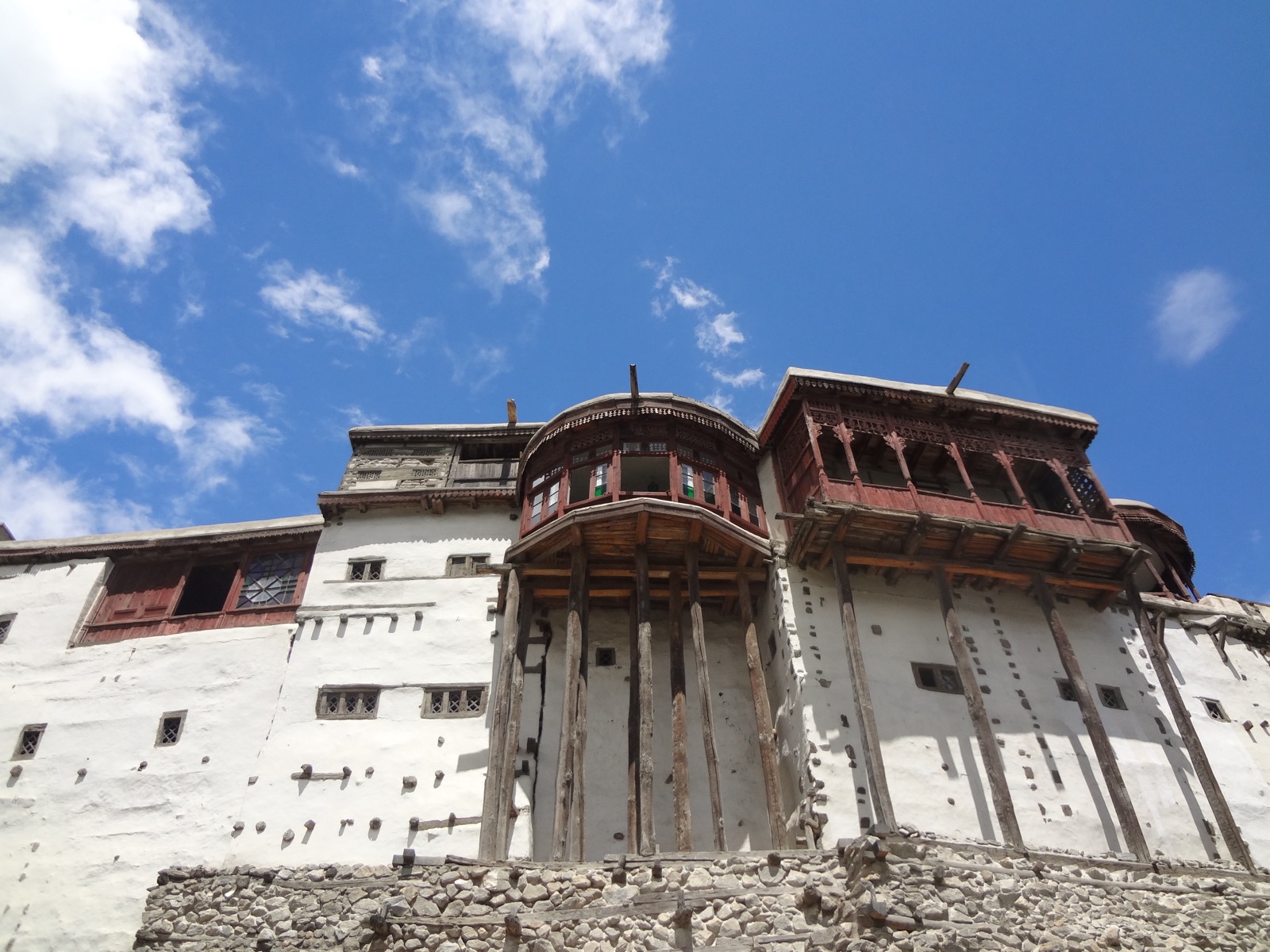
- Baltit Fort, the valley's icon, a roughly 700 year old former royal residence perched above Karimabad, beautifully restored by the Aga Khan Cultural Service, with carved wooden balconies and sweeping views of Ultar Peak. Open about 9 am to 5 pm.
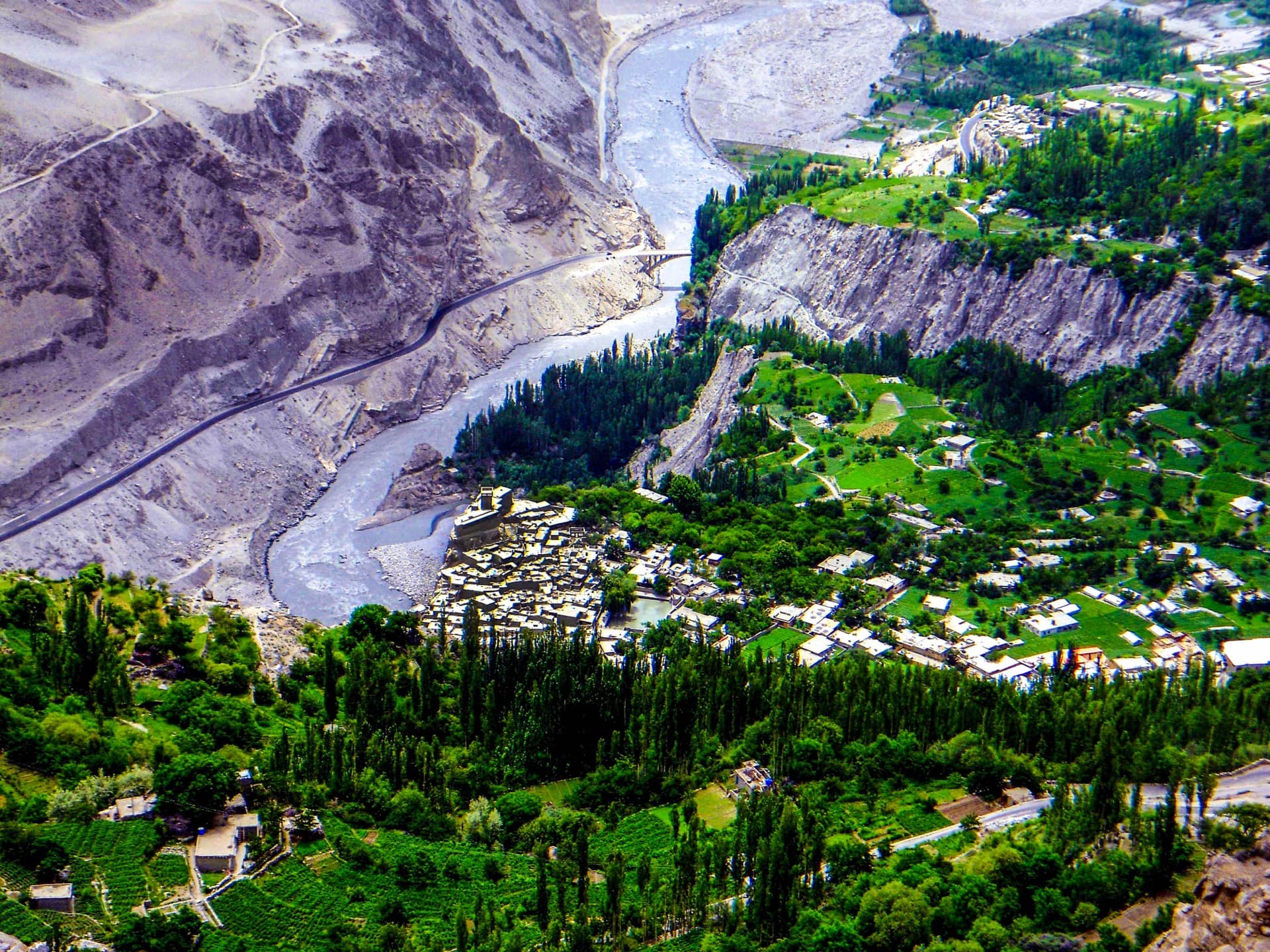
- Altit Fort, even older at around 900 to 1,100 years, the original seat of the Mir of Hunza, with a royal garden and an award winning restoration. Entry is roughly 500 to 650 rupees for locals and more for foreigners.
- Eagle's Nest viewpoint at Duikar, a 15 to 30 minute drive above Karimabad, the classic sunrise and sunset spot with a panorama of Rakaposhi, Lady Finger (Bublimating) and Spantik. Go at dawn to beat the crowds.
- Attabad Lake, the surreal turquoise lake formed by the 2010 landslide, now about 21 km long and ringed with boating, jet skis, ziplines and camping. Best from June to September, with a small entry fee.
- Passu Cones (Passu Cathedral), the cathedral like granite spires rising to about 6,106 metres in upper Hunza, among the most photographed mountains in Pakistan.
- Passu Glacier, a short walk or drive off the Karakoram Highway, with a glacier front cafe famous for apricot cake.
- Hussaini Suspension Bridge, the thrilling plank bridge over the Hunza River near Gulmit, around 100 feet above the water and built of some 400 wooden planks, for a small fee.
- Khunjerab Pass, the 4,693 metre Pakistan China border, the highest paved border crossing in the world, about 100 km and two and a half to three hours from central Hunza, set within Khunjerab National Park where you may spot ibex, marmots and yaks. Allow a full day for the round trip.
- Borith Lake, an alpine lake at about 2,600 metres near Gulmit, good for a quiet stop, camping and the Zero Point view of the Passu Cones.
- Hopper (Hopar) Valley and Glacier, across in Nagar about 40 to 45 minutes from Karimabad, a dramatic bowl of glaciers, the trailhead for Rush Lake, the highest lake in Pakistan at about 4,694 metres.
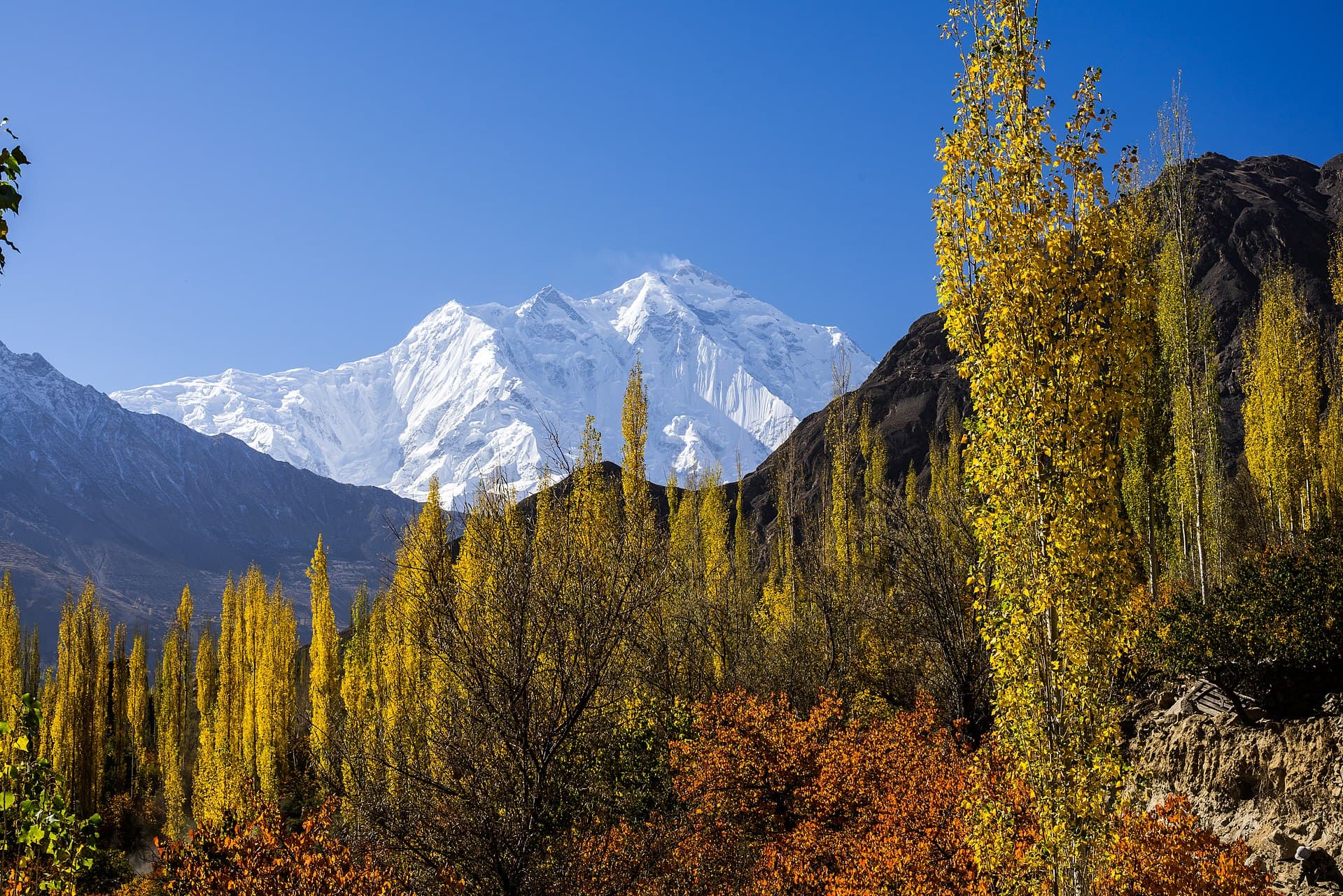
- Rakaposhi Viewpoint at Ghulmet, on the way into Hunza, where the 7,788 metre giant rises almost straight from the road, with a cafe perched opposite.
- Ganish village, the oldest settlement in Hunza, a UNESCO award winning heritage site with centuries old carved wooden mosques, watchtowers and the sacred Haldeikish rocks.
- Karimabad bazaar, the lively heart of the valley, for handicrafts, gemstones, dried apricots and the warmest hospitality in the country.
Treks and adventure
Hunza is a trekker's dream. Beyond the easy glacier walks at Passu and Hopper, the classics include the Rakaposhi Base Camp trek, a two to three day route from Minapin into the shadow of the peak, the demanding Rush Lake trek above Hopper to the highest lake in the country, and the remote Shimshal Valley, five hours beyond Passu, a high village world of yak pastures and serious mountaineering. Closer to Karimabad, the hike up the Ultar Nala toward the base of Lady Finger is a rewarding day out. Most treks need no permit, though a local guide is wise on the higher routes.
Cultural experiences
Part of Hunza's magic is its culture. The valley is largely Ismaili, famously literate and welcoming, with its own languages, Burushaski and Wakhi. Beyond the forts and Ganish, look for the women run carpet and craft centres in Gulmit, traditional music and polo, and the apricot and cherry orchards that turn the whole valley pink in spring and gold in autumn. Simply walking the old village lanes of Karimabad, Altit and Ganish is an experience in itself.
Hunza food to try
Hunza's cuisine is hearty mountain fare built on apricots, walnuts and buckwheat. Do not miss chapshuro, a baked meat filled pastry, hoilo garma and doudo noodle dishes, fresh apricots and apricot oil flatbreads, walnut cake in the Karimabad cafes, and the famous local mulberry and apricot. The valley's produce is a big part of its reputation for long, healthy lives.
Best time to do what
- Cherry and apricot blossom: mid March to mid April, when the orchards bloom pink and white.
- Lakes, Khunjerab and treks: June to September, the warmest months with everything open.
- Autumn colour: late October to mid November, when the poplars and orchards turn gold, a photographer's favourite.
- Snow and quiet: December to March, starkly beautiful but with limited services and a closed Khunjerab.
See our best time to visit Pakistan guide for the full month by month view.
Hunza with family
Hunza is one of the easiest northern valleys for families. The forts, the Eagle's Nest viewpoint, boating on Attabad Lake and the Karimabad cafes are all gentle and accessible, the roads are comparatively good, and the valley's reputation as the safest in Pakistan makes it a relaxed choice with children. Save the hard treks for another trip and keep the Khunjerab day flexible for the altitude.
A simple three to four day plan
- Day 1: Settle in Karimabad, explore Baltit and Altit forts and the old town, and catch sunset from Eagle's Nest.
- Day 2: Drive up the Karakoram Highway to Attabad Lake for boating, then on to the Passu Cones, Passu Glacier and the Hussaini Bridge.
- Day 3: The full day run to Khunjerab Pass and the national park, returning to Karimabad.
- Day 4: Cross to Nagar for the Hopper Valley glaciers, or visit Ganish and relax in the Karimabad bazaar.
Practical tips
- Altitude: Karimabad is comfortable at about 2,500 metres, but Khunjerab climbs to 4,693, so take that day gently and carry warm layers.
- Use jeeps and drivers: the main highway is paved, but side trips to Hopper, Borith and the trailheads want a four wheel drive arranged through your hotel.
- Book ahead in summer and autumn: Hunza fills fast in peak season and over the blossom and foliage windows.
- Carry cash: card machines are scarce, and the highest ATM in the world at Khunjerab is more novelty than reliable.
- Mind the season: Khunjerab and the high treks close in winter, and the Karakoram Highway can see landslides in the July to August rains.
Upper Hunza: Gojal and beyond
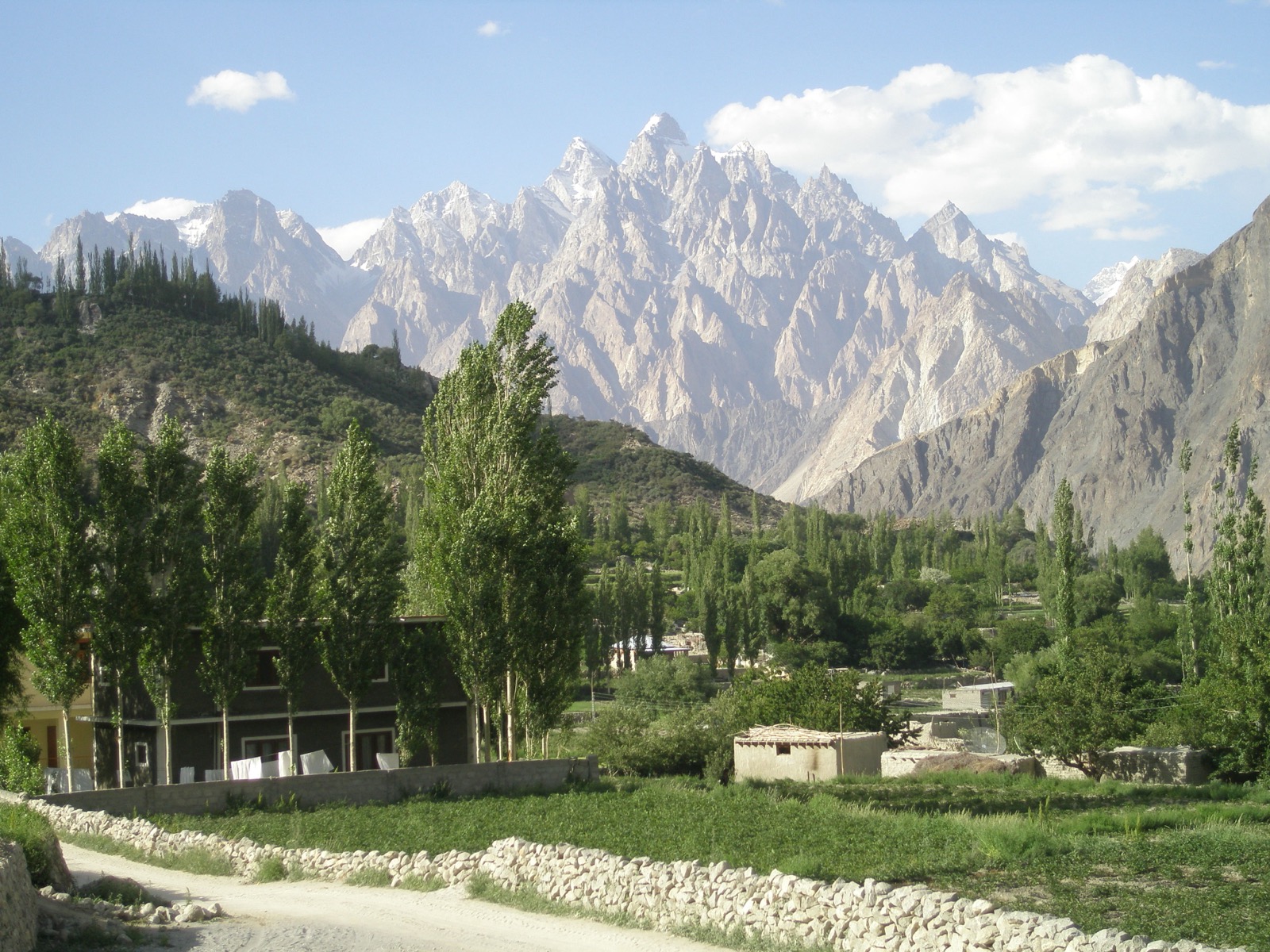
Above Attabad Lake lies Gojal, or Upper Hunza, a quieter, wilder world worth a day or two of its own. Gulmit is the friendly hub, with its women run carpet centre, traditional Wakhi food and views of the Passu Cones. Further up, Ghulkin hides glacier hikes off the main road, and Sost is the last town before China and the staging point for the Khunjerab run. For the truly adventurous, the remote Chapursan Valley with its Baba Ghundi shrine and the Misgar Valley on the old Silk Route offer a genuine off grid escape, while the vast Batura Glacier near Passu is one of the longest outside the polar regions. These upper valleys are where Hunza feels most timeless.
Nagar Valley across the river
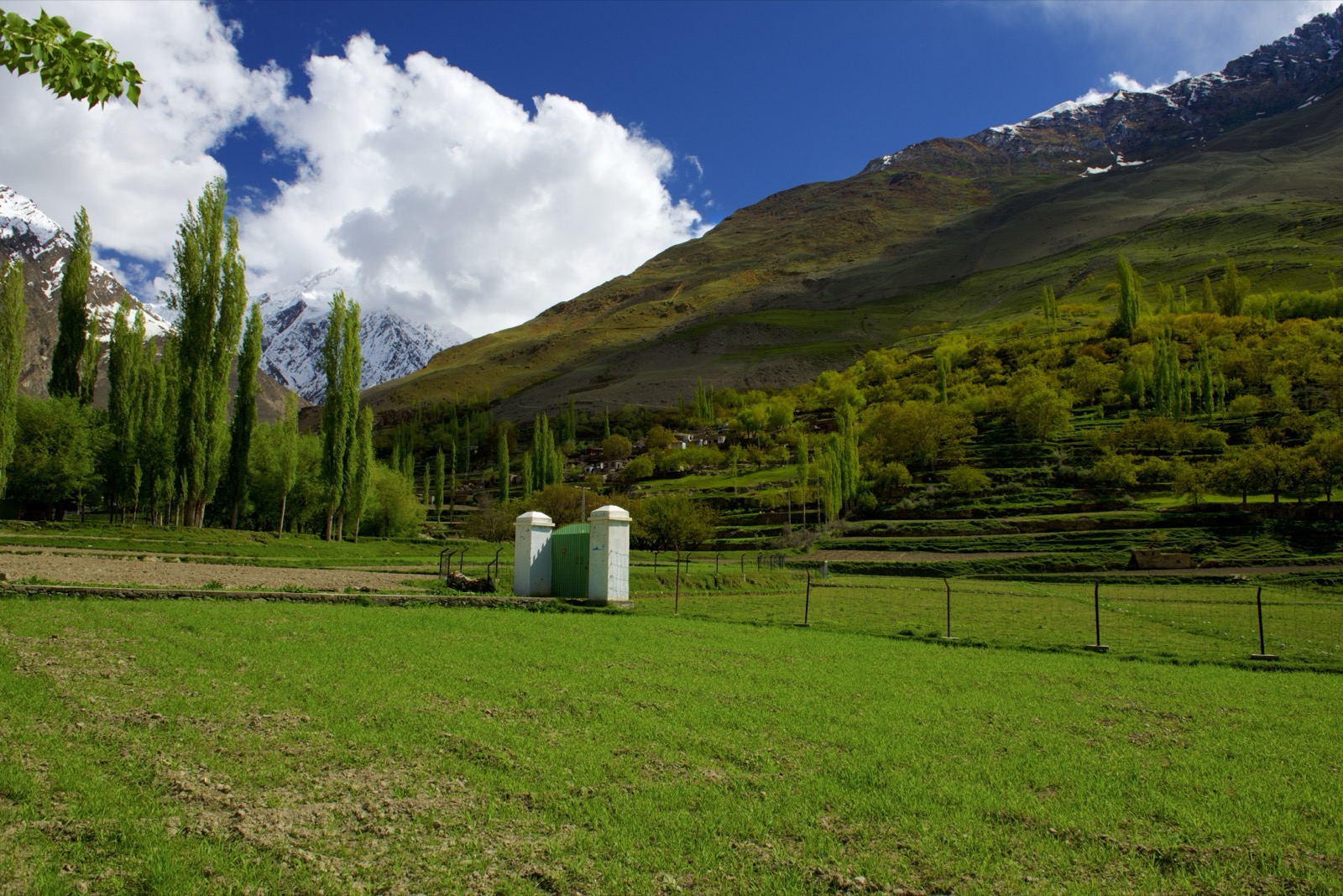
Facing Hunza across the river is Nagar, often overlooked but spectacular. This is the side for glaciers: the Hopper bowl with its grinding ice, the trek to Rush Lake, and the base camps of Rakaposhi and Diran reached from Minapin. Nagar has its own forts, orchards and quiet villages, and a day trip across the bridge adds a different flavour to a Hunza trip.
Getting around the valley
The Karakoram Highway runs the length of Hunza and is paved, so a normal car or shared jeep covers the spine from Karimabad up to Attabad, Passu and Sost. Karimabad itself is walkable, with the forts, bazaar and cafes all close together. For the side trips, the climb to Eagle's Nest, the crossing to Hopper and Nagar, and the trailheads, you want a four wheel drive, easily arranged through hotels in Karimabad or Aliabad, the main market town. Shared jeeps from Aliabad are the budget way to reach nearby villages.
Related guides
For planning logistics see the full Hunza Valley travel guide, weigh Hunza against its rival in Hunza vs Skardu, and fit it into a longer trip with the northern Pakistan itinerary. See the overview on the Hunza destination page or browse all regions on the destinations page. For accommodation, see our where to stay in Hunza guide.
Last updated
Share this article
Frequently asked questions
- What are the top things to do in Hunza Valley?
- The essentials are Baltit and Altit Forts in Karimabad, Attabad Lake, the Eagle's Nest viewpoint at Duikar, the Passu Cones, a glacier walk at Passu or Hopar, and the drive to Khunjerab Pass on the China border. Add the Rakaposhi Base Camp trek if you have a week.
- How many days do you need to see Hunza properly?
- Three days covers the forts, Attabad Lake, Eagle's Nest and one Gojal trip. Five days adds Khunjerab Pass and a glacier walk. A week lets you trek to Rakaposhi Base Camp or visit Shimshal. Add two travel days if driving from Islamabad.
- What is the entry fee for Baltit and Altit Forts?
- Each fort costs around PKR 500 to 600 for Pakistani visitors and about PKR 1,200 for foreigners, open 9am to 5pm daily. They are different enough that most visitors do both.
- Can you walk on a glacier in Hunza?
- Yes. Passu Glacier via Borith Lake's Zero Point and Ghulkin Glacier are both reachable in under two hours of walking, and you can drive close to Hopar Glacier in Nagar. Hire a local guide before stepping onto live ice and never go alone.
- Is the Rakaposhi Base Camp trek hard?
- It is a moderate trek, not a climb. From Minapin village it is about 12 km and 1,500 metres of ascent to roughly 3,700 metres, 6 to 8 hours one way, with the option to camp overnight. Reasonable fitness and proper boots are enough.
- What food should you try in Hunza?
- Chapshoro (a baked meat pie), mamtu (steamed dumplings), dowdo (noodle soup), and the walnut cake at Cafe de Hunza. The cuisine is spice-free and built on apricots, walnuts and local cheese, unlike anywhere else in Pakistan.