Photo by KaleemUllah550Website
Chitral is the wild, far western frontier of Khyber Pakhtunkhwa, a remote district of deep valleys and towering Hindu Kush peaks crowned by Tirich Mir, and it holds one of the most extraordinary cultures in all of Pakistan: the Kalash, an ancient people who still follow a pre Islamic religion in three hidden valleys. For travellers willing to make the long journey, Chitral and the Kalash valleys offer something found nowhere else, a living window into an older world set against some of the most dramatic mountains on earth. This guide covers how to get there, what to see in Chitral, the three Kalash valleys and the people who live in them, the festivals and their dates, the costs and entry fees, the best time to visit, and a simple plan to tie it together.
Chitral and Kalash at a glance
- Where: the far west of Khyber Pakhtunkhwa, against the Afghan border, in the Hindu Kush.
- The Kalash valleys: Bumburet, Rumbur and Birir, southwest of Chitral town near Ayun.
- Famous for: the Kalash people and their festivals, Tirich Mir, Chitral Fort and the Shandur polo ground.
- Getting there: by road from Islamabad via the Lowari Tunnel, or from Gilgit over the Shandur Pass.
- Best time: spring to autumn, with the festival windows of May, August and December the cultural highlights.
How to get to Chitral
From Islamabad and the south. The main route runs north through Dir and over or under the high Lowari range via the Lowari Tunnel, which keeps the road open through much of the year where the old pass was snowbound in winter. It is a long drive, broadly a full day or more, and from the Swat side Mingora to Chitral is around 300 km. Many travellers break the journey in Dir or Swat.
From Gilgit over Shandur. In summer, when the pass is open, you can reach Chitral from Gilgit over the famous Shandur Pass at around 3,700 metres, the highest polo ground in the world, through the beautiful Ghizer and Phander valleys and on through Mastuj, about 107 km from Chitral. This is one of the great mountain roads of Pakistan but needs a sturdy vehicle and only works in the warmer months.
Into the Kalash valleys. From Chitral town you travel southwest to the village of Ayun, then turn up a steep, rocky track that needs a four wheel drive to reach Bumburet, Rumbur or Birir. Shared transport runs the legs cheaply, roughly 100 rupees per seat from Chitral to Ayun and another 100 from Ayun up into the valleys, while a private jeep is the comfortable option.
Things to do in Chitral town and around
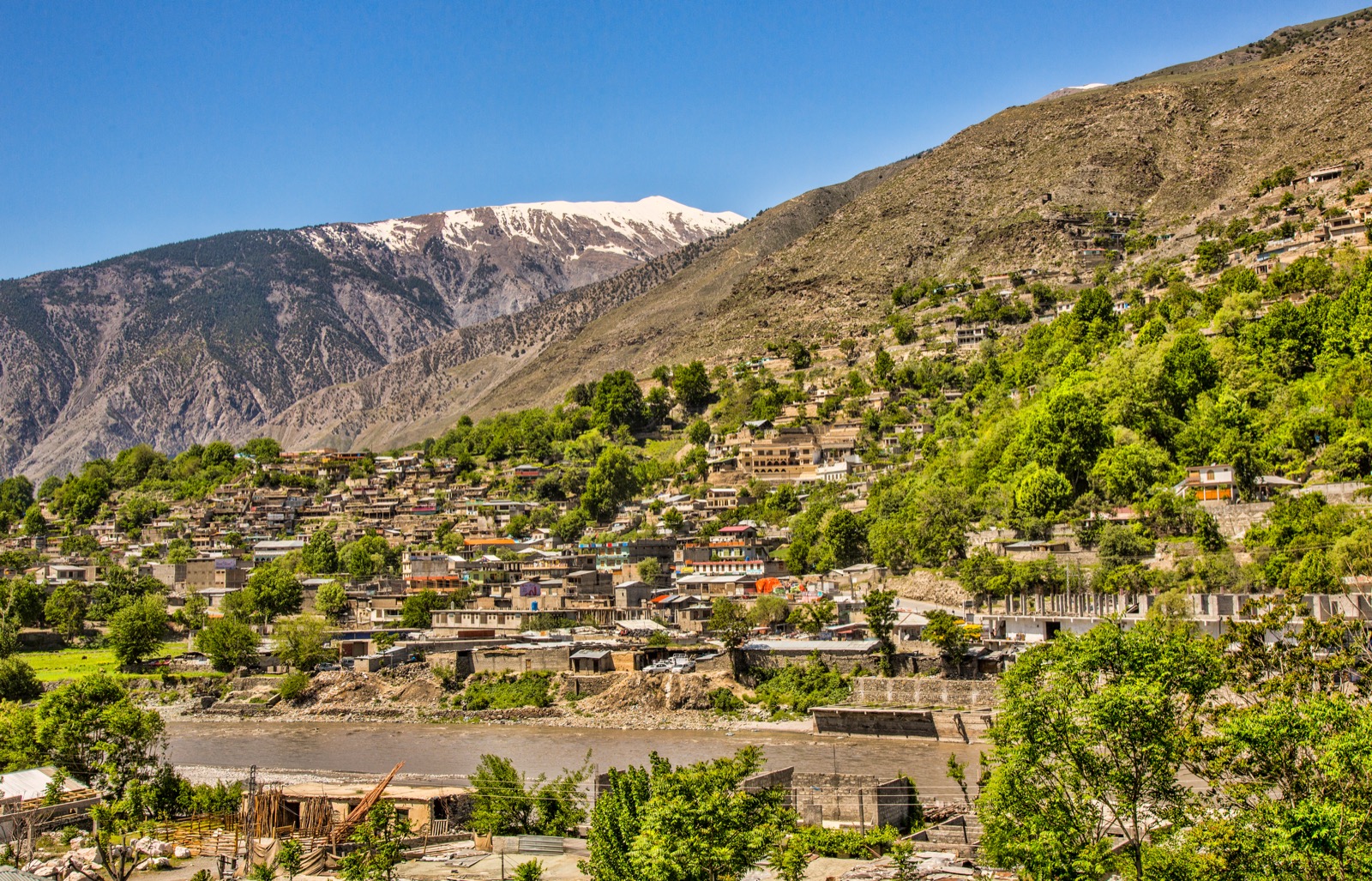
- Chitral Fort, the historic seat of the former princely state, standing above the Chitral River with the great pyramid of Tirich Mir behind it.
- Shahi Mosque, the elegant royal mosque beside the fort, one of the town's landmarks.
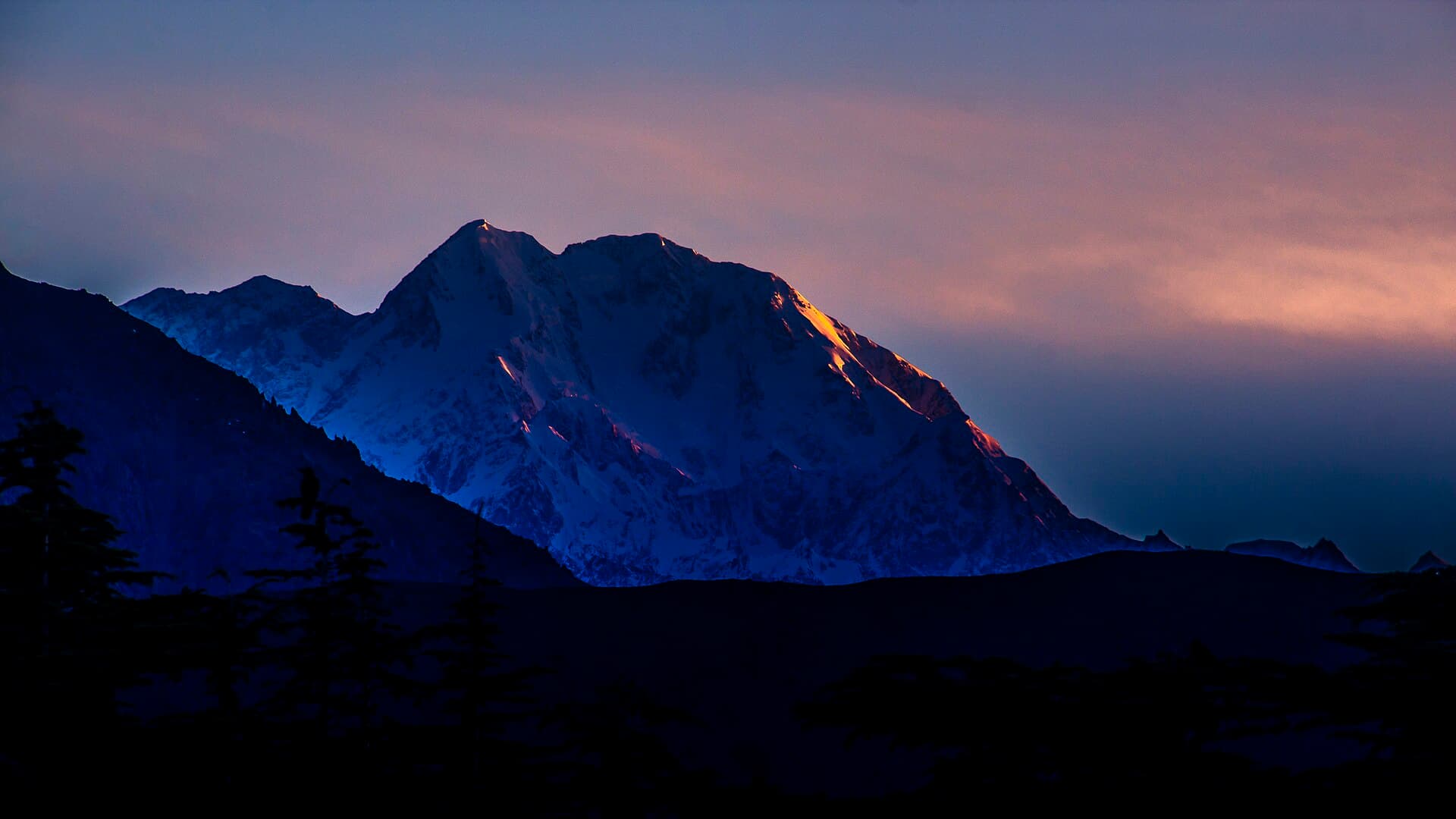
- Tirich Mir, at 7,708 metres the highest peak in the Hindu Kush, which dominates the skyline above Chitral on a clear day.
- Chitral Gol National Park, a protected valley of forest and high pasture famous for its markhor, the spiral horned wild goat that is Pakistan's national animal.
- Garam Chashma, the hot springs northwest of Chitral, a traditional place to soak after the long mountain roads.
- The Shandur Pass and polo ground, east of Chitral, home each July to the legendary Shandur polo festival between Chitral and Gilgit teams.
The three Kalash valleys
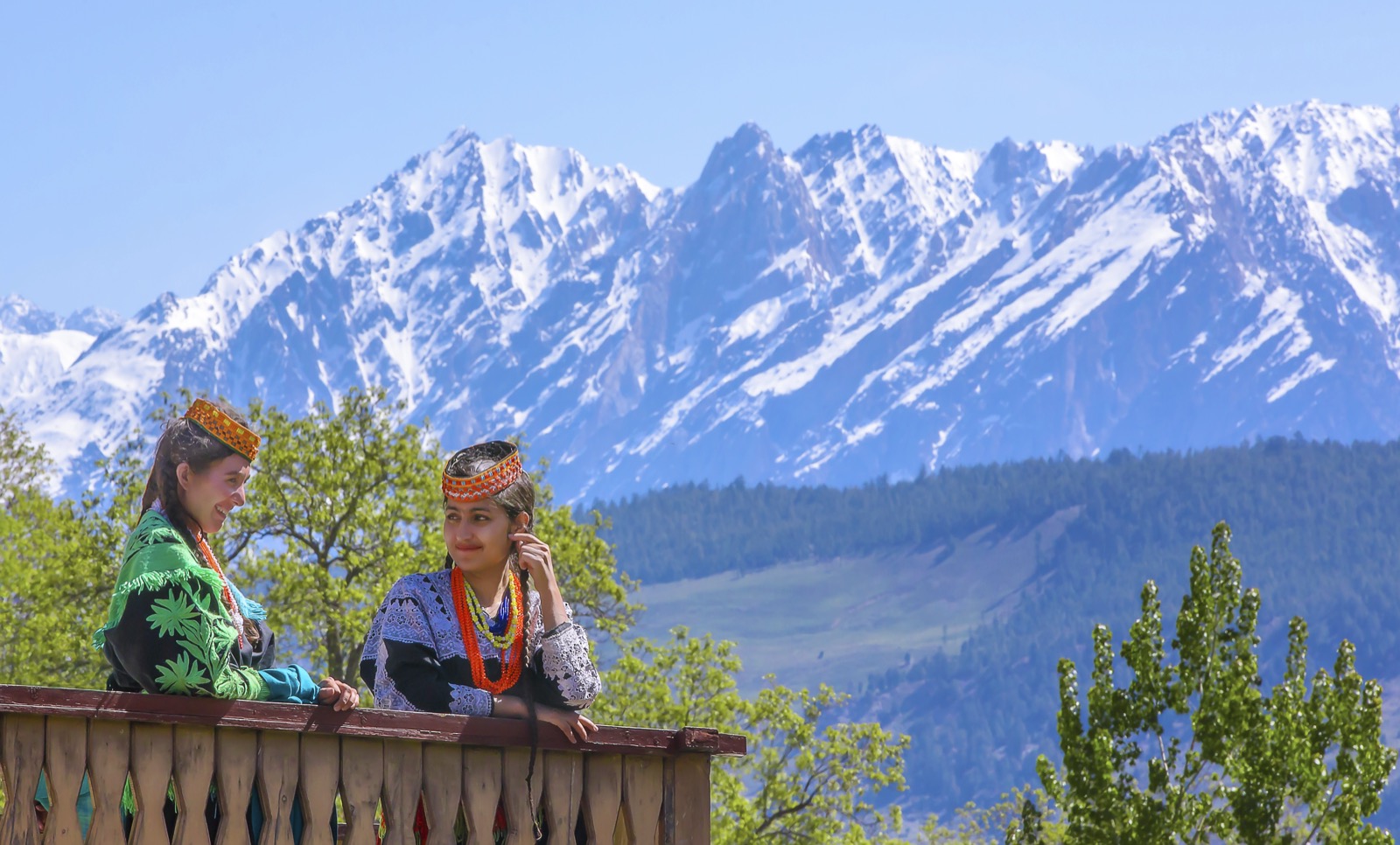
The Kalash live in three adjacent valleys southwest of Chitral, each with a different character.
- Bumburet is the largest and most developed, the easiest to reach and the most popular with domestic tourists, with the widest choice of guesthouses.
- Rumbur is less developed and remains strongly Kalash in character, which makes it a favourite of foreign visitors looking for a quieter, more authentic stay.
- Birir is the smallest and least visited, the most traditional and remote of the three.
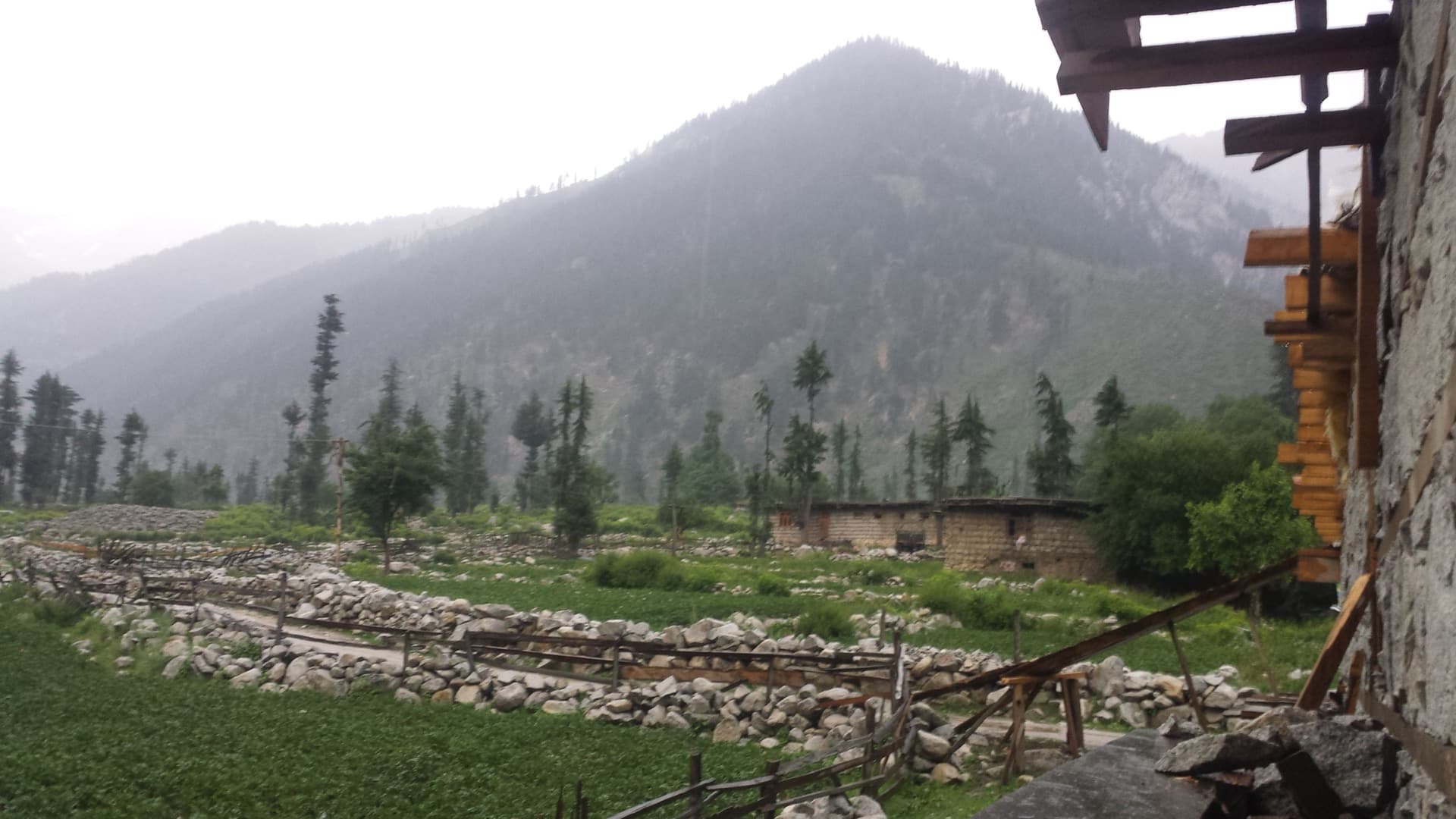
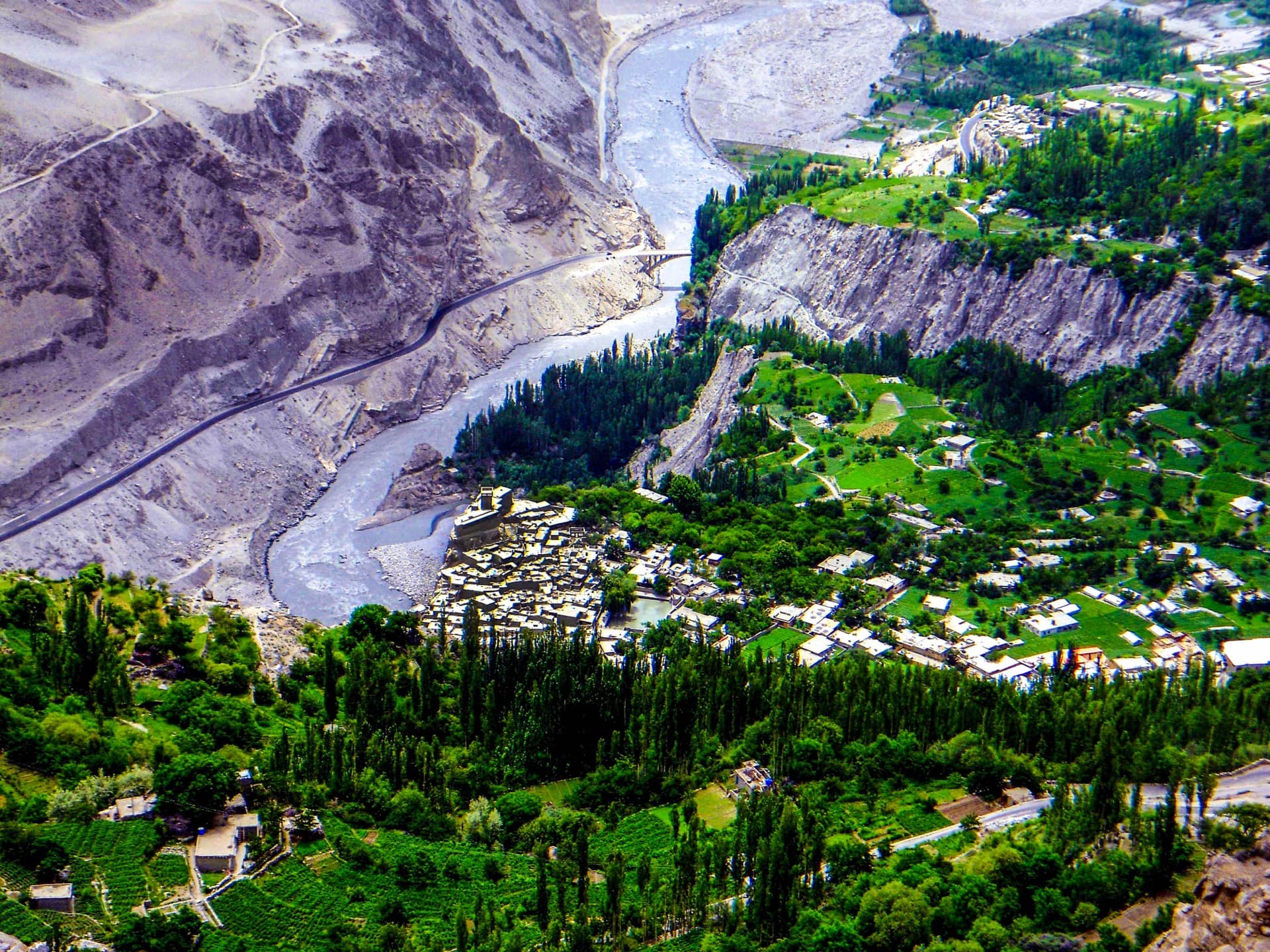
All three are green, terraced valleys of walnut and mulberry trees, wooden houses stacked on the hillsides, and clear streams, set beneath bare Hindu Kush ridges.
The Kalash people
The Kalash are what make these valleys unique. They are an ancient people, often said by tradition to descend from the armies of Alexander the Great, who still follow a polytheistic pre Islamic religion with deep roots in the region's distant past. Their culture is vivid and distinct: women wear elaborate black robes with cowrie shell and bead headdresses and bright embroidery, the calendar turns on a cycle of religious festivals, and rituals around birth, marriage and death follow customs unchanged for centuries. The community is small and under pressure, with a significant share having converted to Islam over the years, which makes respectful, low impact tourism all the more important. Visit as a guest, not a spectator: ask before photographing people, dress modestly, do not touch the ritual graveyard objects, and support the community by staying in local guesthouses and buying local crafts.
The Kalash festivals
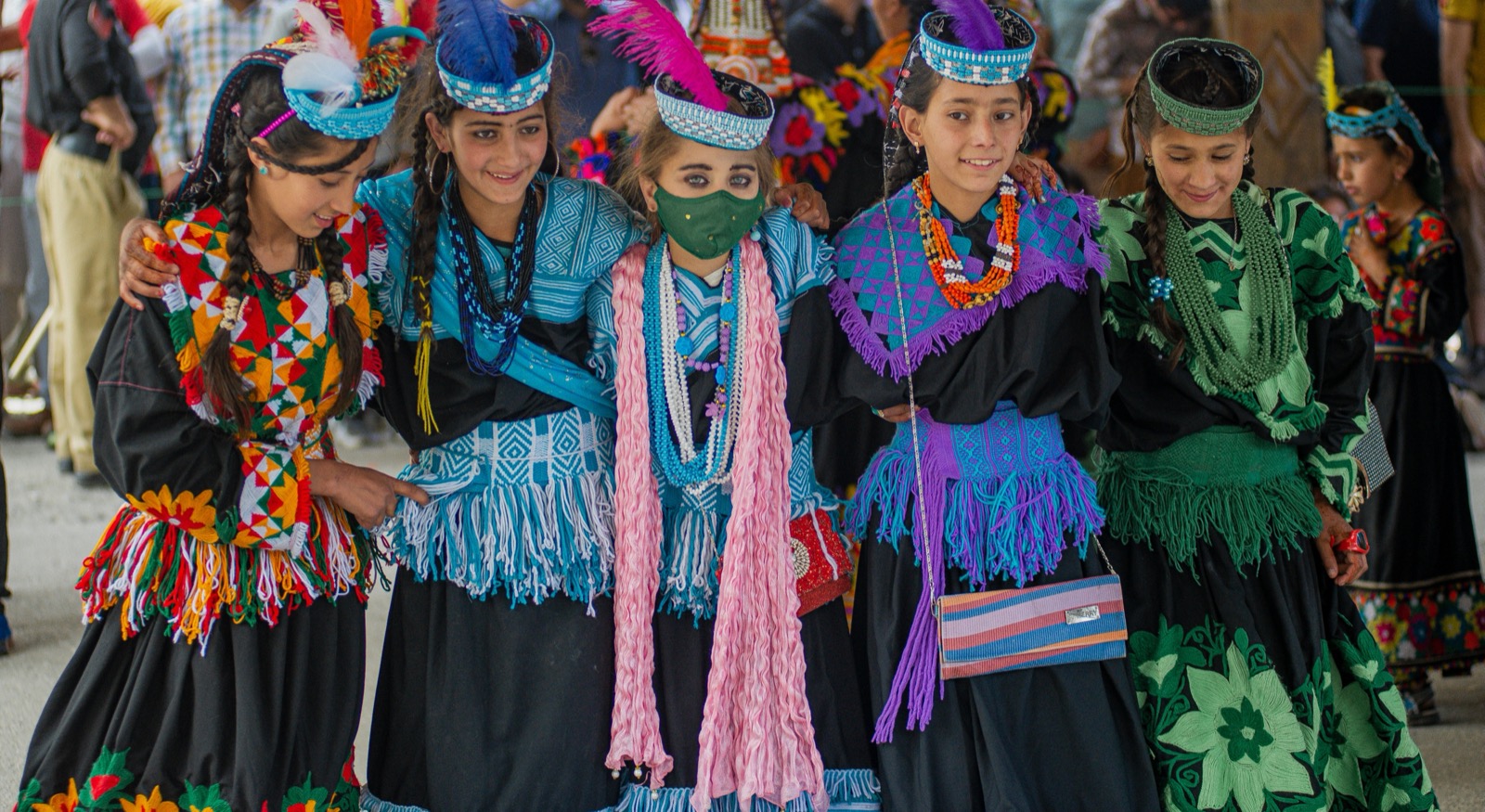
The festivals are the cultural heart of a Kalash visit, with days of dancing, music, feasting and ceremony. The main three, with their 2026 dates, are:
- Chilam Joshi, the spring festival, around 13 to 16 May 2026, with dancing, the blessing of livestock and flower crowns, the most popular with visitors.
- Uchal, the harvest festival, around 20 to 22 August 2026, celebrating the wheat and walnut harvest with night dances.
- Choimus (Chaumos), the great winter solstice festival, around 15 to 22 December, with torch processions and rituals marking the turn of the year, the most sacred of all.
If you want to attend a festival, book accommodation many months ahead, as the valleys fill completely. Outside festival time the valleys are quieter and offer a gentler immersion in daily Kalash life.
Entry fees and practicalities
Foreign visitors pay a modest entry fee, around 600 rupees per person, collected for the welfare of the Kalash community. Electricity in the valleys is sporadic, mobile coverage is patchy, and there are no card machines, so carry enough cash for your whole stay. The roads into the valleys are steep and rocky and need a four wheel drive. Respect local customs at all times, especially around the graveyards and religious sites, which are sacred and not tourist attractions.
Best time to visit
Chitral and the Kalash valleys are best from spring through autumn, roughly April to October, when the roads are open and the valleys are green. The three festival windows, May, August and December, are the cultural high points, though they bring crowds and require booking far ahead. The Shandur route from Gilgit is only open in summer. Winter is cold and quiet, the Shandur Pass closes, and only the Lowari Tunnel keeps Chitral connected, but the Choimus festival in December is a remarkable time for the committed traveller. For most visitors, late spring around the Chilam Joshi festival or the clear days of autumn are the sweet spot.
Where to stay and what it costs
Accommodation in the Kalash valleys is simple and local. In Bumburet the PTDC motel runs to around 5,000 rupees a night, guesthouses such as the Kalash Guest House around 3,500, and in Rumbur family run guesthouses cost roughly 2,000 to 3,000 rupees per person, often with food included. Chitral town has a wider range of hotels for the night before or after the valleys. As a guide to package costs, organised 8 day Chitral and Kalash tours from the cities are sold from around 29,500 rupees per person on a shared basis, including transport, jeep legs, accommodation and a guide. For a fuller budget picture, see our Pakistan trip cost guide.
A simple plan
- Day 1: Travel to Chitral via the Lowari Tunnel, overnight in Chitral town, and see the fort and Shahi Mosque in the evening light.
- Day 2: Drive to Ayun and up into Bumburet or Rumbur by jeep, settle into a guesthouse, and spend the afternoon walking the valley and meeting the community.
- Day 3: A full day in the Kalash valleys, ideally timed to a festival, with cultural dances in the evening.
- Day 4: Return to Chitral, with an optional soak at the Garam Chashma hot springs, then begin the long journey home or continue over Shandur in summer.
Practical tips
- Allow plenty of time: the roads are long and slow, so do not try to rush Chitral and Kalash into a short trip.
- Carry cash: there are no card machines and power is unreliable in the valleys.
- Use a 4x4 for the valleys: the tracks from Ayun are steep and rocky.
- Travel respectfully: the Kalash are a living community, not a museum, so ask before photographing and follow their customs.
- Book far ahead for festivals: the valleys fill months in advance for Chilam Joshi and Choimus.
- Check the season: the Shandur route closes in winter, leaving the Lowari Tunnel as the only way in.
A little history
Chitral was, until it joined Pakistan, a princely state ruled by its own Mehtar, and that long independent history still colours the place. The fort above the river was the seat of that power, and the town retains a distinct identity shaped by its isolation behind the Lowari range and its position on old routes toward Central Asia and Afghanistan. The Kalash, meanwhile, are the last of a culture that once spread far wider across these mountains before the arrival of Islam, and their survival in three small valleys is one of the most remarkable cultural stories in South Asia. Understanding that history, a frontier state and an ancient people clinging on at the edge of it, deepens any visit far beyond the scenery, and it explains why both the Chitrali and the Kalash carry such a strong sense of their own distinct heritage.
Crafts and what to bring home
Supporting the local economy is part of travelling here well. Chitral is known for its woollen patti cloth and the rolled woollen Chitrali cap worn across the north, as well as embroidered shawls and waistcoats. In the Kalash valleys the women's beadwork, the cowrie shell headdresses and woven items are made by hand, and buying directly from the makers puts money straight into a community that needs it. Walnuts, mulberries, dried apricots and local honey are also good, portable buys. Choosing local guesthouses, local guides and locally made crafts over imported souvenirs is the single most useful thing a visitor can do to help these valleys sustain their way of life.
Related guides
Time your visit with our best time to visit Pakistan guide, budget with the Pakistan trip cost breakdown, reach Chitral over Shandur from the Gilgit travel guide, and build the wider route with the northern Pakistan itinerary. Browse every region on the destinations page.
Last updated
Share this article
Frequently asked questions
- How do you get to Chitral?
- By road from Islamabad it is about 330 km and 10 to 12 hours via Dir and the Lowari Tunnel, then Drosh to Chitral town. PIA also flies Islamabad to Chitral in about 70 minutes, weekly with extra flights in summer, from around 70 USD one way, though the flight is weather-dependent.
- How many Kalash valleys are there and which is best?
- Three: Bumburet (largest, most developed, easiest to reach), Rumbur (quieter, strongly Kalash, popular with foreign travellers) and Birir (least visited, most traditional). Bumburet is the simplest first visit; Rumbur is the most peaceful.
- When are the Kalash festivals?
- Chilam Joshi in mid-May (spring, the most popular), Uchal in August (harvest) and Choimus around the winter solstice in December (the most sacred). Chilam Joshi is the best balance of good weather and full celebration.
- Do foreigners need a permit or escort for the Kalash valleys?
- No. Foreign visitors no longer need police escorts or special registration for the Kalash valleys, although you pass routine checkpoints on the roads and pay a small community welfare fee of around PKR 600.
- What is the best time to visit Chitral?
- April to October. Spring around the May festival is the prettiest, and July opens the high road to the Shandur polo festival. The Lowari Tunnel keeps Chitral road-accessible most of the year, but high routes like Shandur close in winter.
- Is it worth visiting Chitral beyond the Kalash valleys?
- Yes. Chitral town has the old fort and Shahi Masjid, Tirich Mir towers over the skyline, Chitral Gol National Park holds the world's largest markhor population, and Shandur, the highest polo ground in the world, lies on the summer road to Gilgit.