Photo by YmblanterWebsite
Murree and the Galiyat are the nearest mountain escape to Islamabad, a string of pine clad hill stations along a high forested ridge that have drawn families, honeymooners and snow seekers for well over a century. Murree is the bustling, nostalgic old hill station with its famous Mall Road, while the Galiyat, the chain of cooler, greener "gali" villages running north toward Abbottabad, offer the real forest walks, the alpine peaks and the calm. Together they make the easiest and most popular weekend getaway in Pakistan. This guide covers how to get there, what to see and do in both Murree and the Galiyat, the best hikes, the difference between them, the best time to visit, where to stay, costs, and a simple plan to tie it together.
Murree and Galiyat at a glance
- Where: along a high ridge northeast of Islamabad, spanning Punjab and Khyber Pakhtunkhwa.
- Murree: the historic hill station at around 2,300 metres, famous for the Mall Road.
- The Galiyat: the chain of villages, Nathia Gali, Ayubia, Dunga Gali and more, running north at around 2,400 metres and above.
- From Islamabad: Murree is about an hour and a half, Nathia Gali about 2.5 to 3 hours.
- Best time: April to October for green forests and walks, December to February for snow.
How to get there
To Murree. From Islamabad it is a drive of around an hour and a half up the well built Murree Expressway, one of the easiest mountain trips in the country, suitable for any car.
To the Galiyat. From Murree the road continues north along the ridge through Bhurban, Khaira Gali and Changla Gali to Nathia Gali, about 34 to 39 km and roughly an hour and a half from Murree, or about 86 to 90 km and 2.5 to 3 hours from Islamabad. From the Abbottabad side, Nathia Gali is only about 35 km away. The road is paved throughout and scenic, winding through thick pine forest with valley views, though it can be slow and congested on summer weekends.
Murree: the old hill station
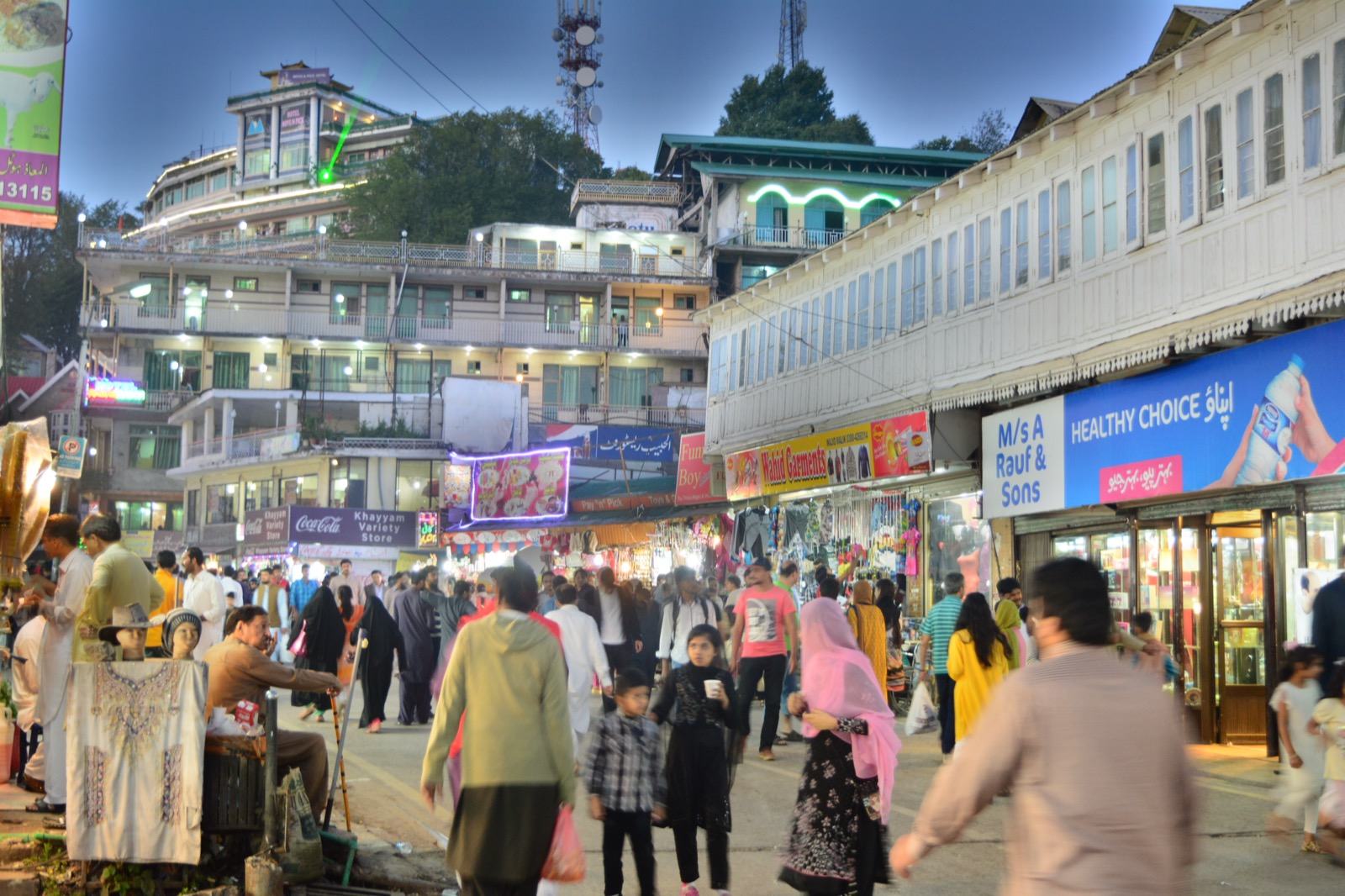
Murree is all nostalgia and bustle, a colonial era hill station that remains the most visited in Pakistan.
- The Mall Road, the heart of Murree, a long pedestrian promenade lined with shops, bakeries, cafes and stalls, busy with holidaymakers day and night.
- Pindi Point and Kashmir Point, the two classic viewpoints at either end of the ridge, looking out toward the plains and the Kashmir hills respectively.
- Patriata, or New Murree, a few kilometres on, home to the famous chairlift and cable car that carry you up through the forest to a hilltop with sweeping views, the area's most popular paid attraction.
- Mall Road food, from hot pakoras and corn on a cold evening to the old bakeries, a big part of the Murree experience.
Murree is best treated as a lively, family friendly stop rather than a quiet retreat; for peace and forest, push on into the Galiyat.
The Galiyat: forest, peaks and calm
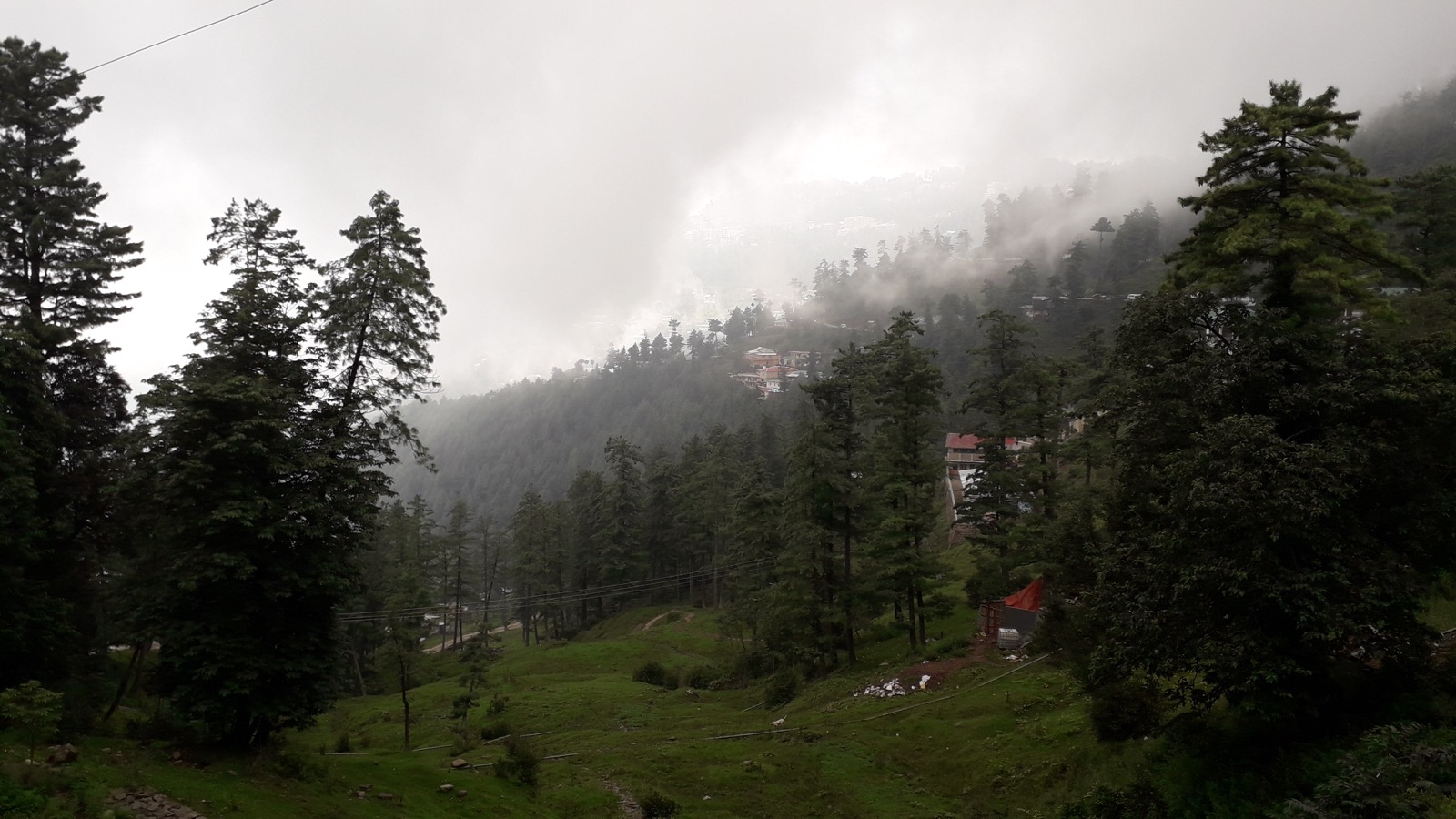
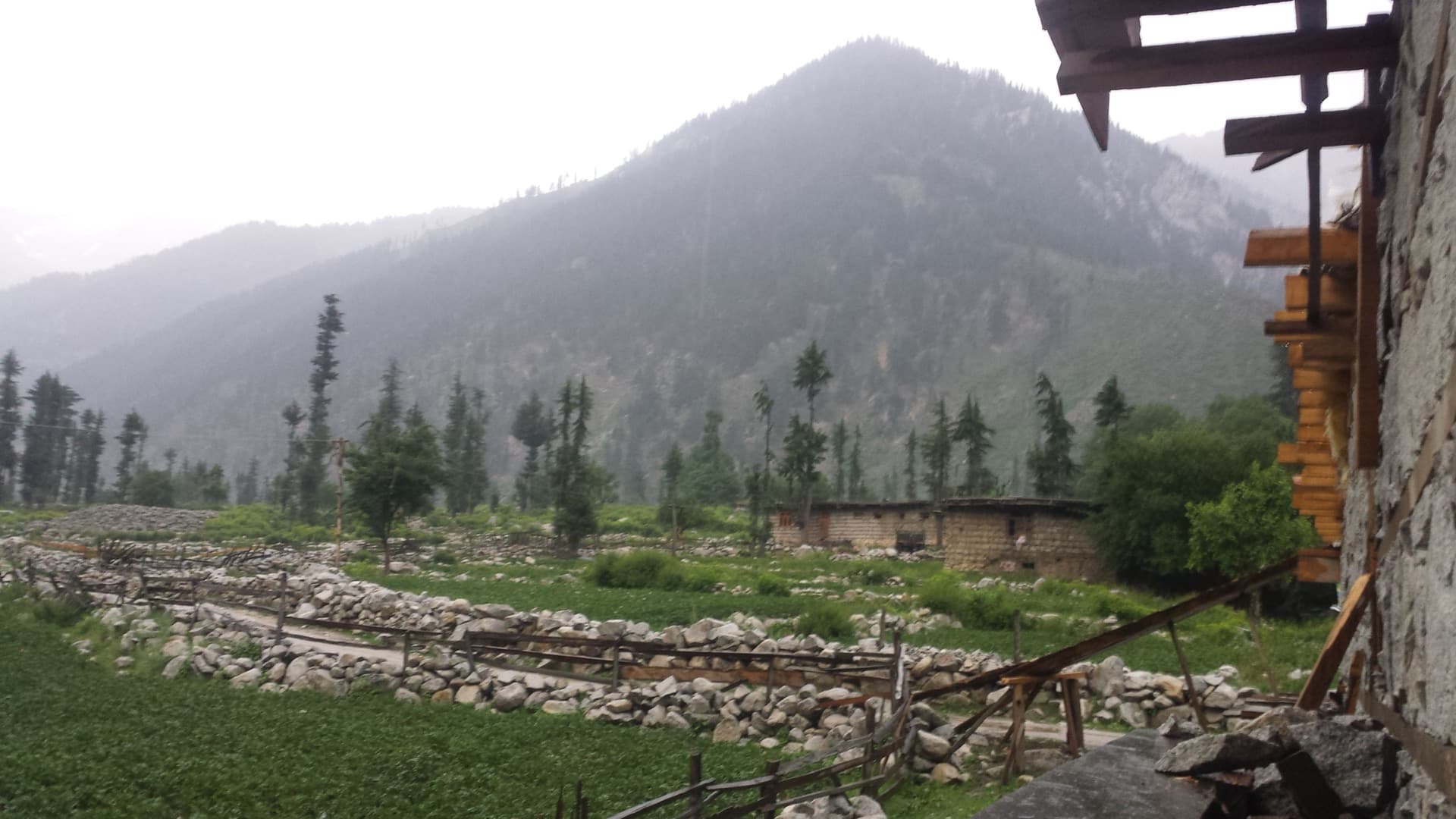
North of Murree the ridge becomes the Galiyat, a chain of higher, cooler, greener villages whose names end in "gali", meaning a mountain pass or hamlet. Nathia Gali, at around 2,410 metres, is the jewel: a relaxed village of wooden cottages and pines that was once the summer capital of the province, with cool air, walking trails on every side, and far more charm than crowded Murree. Around it lie Ayubia, Dunga Gali, Changla Gali, Khanspur and Thandiani, each a base for forest walks and views.
- Nathia Gali Bazaar, a low key strip of cafes and craft shops, pleasant for an evening stroll.
- St Matthew's Church, a century old wooden church built in 1914, lovingly maintained, a quiet historic gem.
- Governor House and the old colonial cottages, scattered through the pines, a reminder of the area's summer capital past.
- The Zulfi and Namli Maira waterfalls nearby, easy natural stops.
The best hikes in the Galiyat
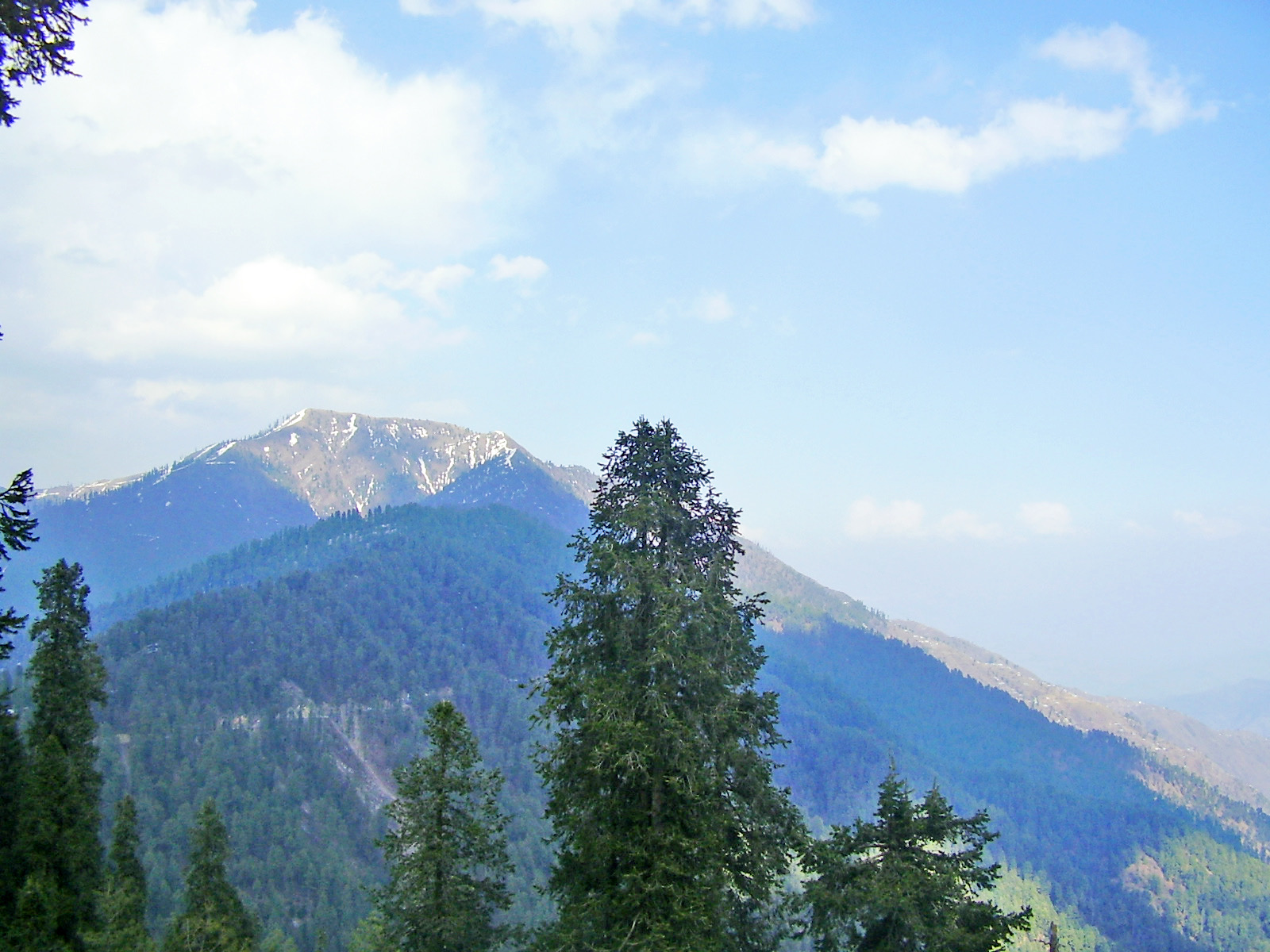
This is where the Galiyat shine, with some of the most accessible and rewarding forest hikes in Pakistan.
- The Pipeline Track, the area's signature walk, an easy and almost flat 3.5 km path of about 40 minutes that follows an old water pipeline through dense forest from Dunga Gali to Ayubia, perfect for families and stunning in autumn and under snow.
- Mukshpuri Top, a moderate climb to 2,800 metres, about 4 km and two to three hours up from Dunga Gali, rewarding you with panoramic views over Ayubia National Park and toward the Kashmir hills.
- Miranjani, the highest peak in the Galiyat at 2,992 metres, about 8 km and four to five hours from Nathia Gali, from whose summit you can see Nanga Parbat on a clear day.
- Ayubia National Park, the protected forest of oak, cedar and pine, around 3,300 hectares, threaded by these trails and home to the chairlift at Ayubia.
Carry water, wear proper shoes, and watch for monkeys and the occasional leopard sign in the deeper forest. The Pipeline Track suits everyone; Mukshpuri and Miranjani need reasonable fitness.
Murree or Nathia Gali: which to choose?
The most common question is whether to base in Murree or Nathia Gali. The simple answer: Murree for buzz, shopping and easy family fun close to Islamabad, Nathia Gali for forest, hiking, cooler air and calm. Murree is busier, more developed and more crowded, especially on weekends, while Nathia Gali sits higher and greener with the best walks on its doorstep. Many visitors do both, stopping in Murree for the Mall Road and Patriata on the way up, then staying in the Galiyat for the quiet and the trails. If you only have time for one and want nature over nostalgia, choose Nathia Gali.
Best time to visit
The Galiyat are a true year round destination. Summer, June to August, is the peak, when the hills are a cool green escape from the heat of the plains, with pleasant days of 9 to 25 degrees. Spring, March to May, brings mild weather and blossom, and autumn, September to November, the loveliest light and vibrant colour with clear skies. Winter, December to February, is snow season, with temperatures from minus seven to seven degrees and the forests and the Pipeline Track under snow, hugely popular for snow play but prone to road closures and heavy traffic after a fresh fall. Whenever you go, avoid the Eid holidays and long weekends if you can, when the roads jam with day trippers from the cities.
Where to stay
Both Murree and the Galiyat have a wide range of accommodation. Murree has the most hotels, from budget rooms off the Mall Road to comfortable resorts, plus the upscale options at Bhurban. The Galiyat offer characterful forest hotels and resorts, especially around Nathia Gali, with names like Green Retreat, Elites, Arcadian Sprucewoods and Heritage Resort among the many choices. For the best of the area, stay in or near Nathia Gali, where you wake among the pines with the trails on your doorstep. Book well ahead for summer weekends, the snow season and any holiday period, when the best rooms fill fast and prices rise.
What it costs
Murree and the Galiyat are an affordable, accessible escape. Because they sit so close to Islamabad, transport is cheap, and a private car or a short tour package covers a weekend easily. Accommodation spans budget rooms to comfortable resorts, the Patriata chairlift and cable car carry modest ticket prices, and food on the Mall Road and in the villages is inexpensive. Short two day couple and family packages from the cities are commonly sold and bundle transport, a hotel and sightseeing. For a fuller picture of trip budgets across the country, see our Pakistan trip cost guide.
A simple two day plan
- Day 1: Drive from Islamabad to Murree, walk the Mall Road, ride the Patriata chairlift and cable car, then continue to Nathia Gali in the late afternoon and settle into a forest hotel.
- Day 2: An early walk on the Pipeline Track from Dunga Gali to Ayubia, then for the energetic a climb up Mukshpuri or Miranjani, finishing with the bazaar and St Matthew's Church in Nathia Gali before the drive home.
Practical tips
- Go midweek if you can: weekends, holidays and especially Eid bring heavy traffic and crowds.
- Pack layers: even in summer the higher Galiyat are cool, and winter is genuinely cold and snowy.
- Check the road in winter: fresh snow can close or choke the route, so travel prepared and early.
- Wear proper shoes for the trails: the Pipeline Track is easy, but Mukshpuri and Miranjani are real hikes.
- Base in Nathia Gali for nature: it is greener, calmer and closer to the best walks than Murree.
- Carry cash: card acceptance is patchy in the villages and on the trails.
Food in Murree and the Galiyat
Eating is part of the fun here. On Murree's Mall Road the tradition is street snacks against the cold: hot pakoras and samosas, roasted corn and chestnuts, fresh fish, and the old colonial era bakeries selling cakes and patties. In the Galiyat the village cafes serve hearty mountain food, barbecued meats, fresh parathas, daal and rice, and endless cups of tea and the salty Kashmiri pink chai. After a walk on the Pipeline Track, a plate of hot food and a cup of tea at a forest cafe in Dunga Gali or Ayubia is one of the simple pleasures of the trip. Prices are gentle, and trying the local snacks is half the experience.
A little history
Murree and the Galiyat owe their character to the British, who developed them as summer retreats in the nineteenth century to escape the heat of the plains. Murree became a major hill station and for a time the summer headquarters of the Punjab government, while Nathia Gali served as the summer capital of the wider frontier province, and the old wooden churches, cottages and Governor House scattered through the pines date from that era. Long before that, these forested ridges were grazing grounds and trade paths between the plains and the mountains. Today the same cool air and pine forest that drew colonial officials draw millions of Pakistani families and honeymooners each year, making the Galiyat one of the most beloved and accessible holiday regions in the country, with a gentle, nostalgic atmosphere that sets it apart from the wilder high north.
Related guides
Pair this with our Islamabad travel guide for the gateway city, plan timing with best time to visit Pakistan, budget with the Pakistan trip cost breakdown, and see how the hills fit a bigger trip in the northern Pakistan itinerary. Browse every region on the destinations page.
Last updated
Share this article
Frequently asked questions
- How far is Murree from Islamabad?
- Murree is about 54 km from Islamabad and takes roughly two hours by car on the Murree Expressway. Daewoo coaches and local vans also run the route for a few hundred rupees each way.
- How much is the Patriata chairlift?
- The Patriata cable car and chairlift costs about PKR 1,500 per person. The chairlift leg runs roughly 1.4 km in about 12 minutes, and operating hours are around 10 a.m. to 6 p.m.
- What is the Pipeline Track in Ayubia?
- It is a level forest walk of about 4 km between Dunga Gali and Ayubia, following an old water pipeline through pine and fir at roughly 2,500 metres. It takes 40 to 50 minutes one way and is suitable for almost anyone.
- How high is Miranjani and is it hard?
- Miranjani is the highest peak in the Galiyat at 2,992 metres, about 9,816 feet. The trail from Nathia Gali is around 8 km and takes four to five hours. It is moderately hard and best done with a local guide, especially in snow.
- Is it safe to visit Murree in the snow?
- It can be, with care. After about 22 people died in trapped cars during the January 2022 blizzard, the rule is to check the forecast, never drive into a coming storm, book a room rather than day-tripping, and turn back if roads are choked.
- How many days do you need for Murree and the Galiyat?
- One long day covers Murree alone. To add Nathia Gali, Ayubia and a forest walk or two, plan two to three days and sleep in Nathia Gali, which is the calmest and most central base in the Galiyat.