Photo by Hollern1, via Wikimedia Commons (CC BY-SA 3.0)Website
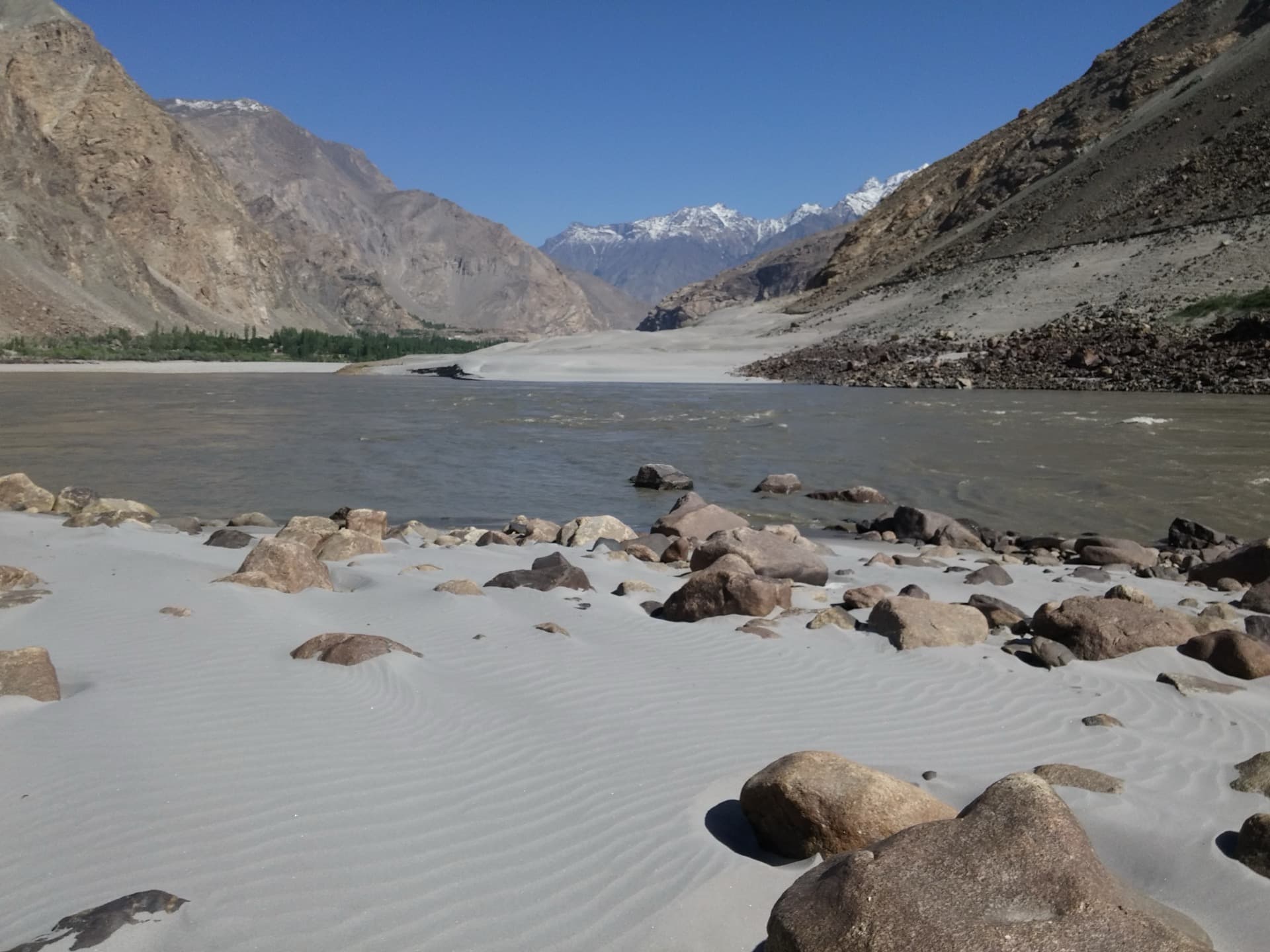
Naltar Valley is one of the most beautiful and least crowded corners of Gilgit-Baltistan, a high side valley of pine forest, alpine meadow and jewel coloured lakes just a short, rough drive from Gilgit city. It is famous for two things above all: the rainbow Bashkiri lakes, where the water shifts through turquoise, emerald and deep blue, and Pakistan's oldest ski resort, which keeps the valley alive through the deep winter. This guide covers everything you need to plan a trip: how to get to Naltar, the lakes and attractions with real altitudes, the season by season weather, where to stay, what it costs, and a simple plan to tie it together.
Naltar Valley at a glance
- Where: a side valley northwest of Gilgit, in Gilgit-Baltistan.
- Distance from Gilgit: about 34 to 48 km, roughly 1.5 to 2.5 hours, the last stretch on a rough track.
- Altitude: the valley floor sits around 2,900 to 3,000 metres, with the lakes higher at around 3,050 to 3,200 metres and peaks rising above 4,000.
- Famous for: the rainbow Bashkiri lakes, the ski resort, pine forests and trout streams.
- Best time: June to September for the lakes and trekking, December to March for skiing.
How to get to Naltar Valley
From Gilgit. Naltar is close to Gilgit as the crow flies but slow to reach. The drive runs about 34 to 48 km and takes roughly 1.5 to 2.5 hours. The first stretch follows the smooth Karakoram Highway and the paved road through the town of Nomal, but the final 14 km or so up into the valley is a narrow, rocky, often broken track that needs a four wheel drive jeep. Ordinary cars are not suitable, and the road is prone to landslides, so travel by day and check conditions, especially after rain or in winter.
From Islamabad. Naltar is a long haul from the capital. Most travellers reach Gilgit first, either by the roughly 18 to 20 hour drive up the Karakoram Highway or by the short but weather dependent flight from Islamabad, then make the Naltar jeep trip as a side excursion from Gilgit.
From Skardu. Naltar pairs naturally with a wider Gilgit-Baltistan loop. From Skardu you drive back toward Gilgit, then take the Naltar turn off at Nomal, so it slots in alongside Hunza on a longer northern trip.
Getting to the lakes. The settlements of Naltar Bala and Naltar Payeen are reachable by jeep, but the onward track to the Bashkiri lakes, about 12 to 13 km further on, is totally unpaved, rough and subject to flooding. Hire a local jeep and driver for the lakes run, and share the vehicle to split the cost, since the price is the same whether one or six people ride.
The rainbow lakes of Naltar
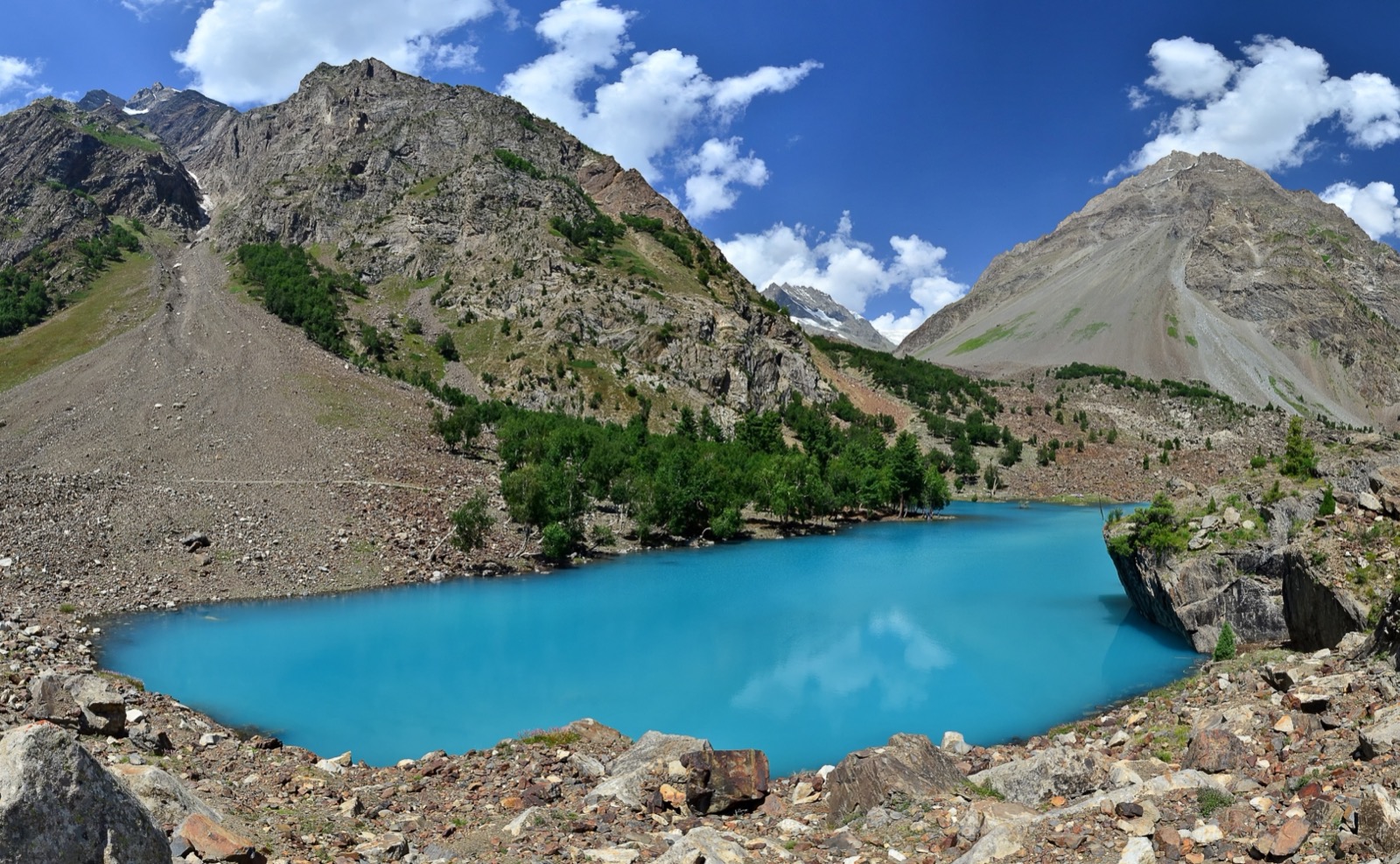
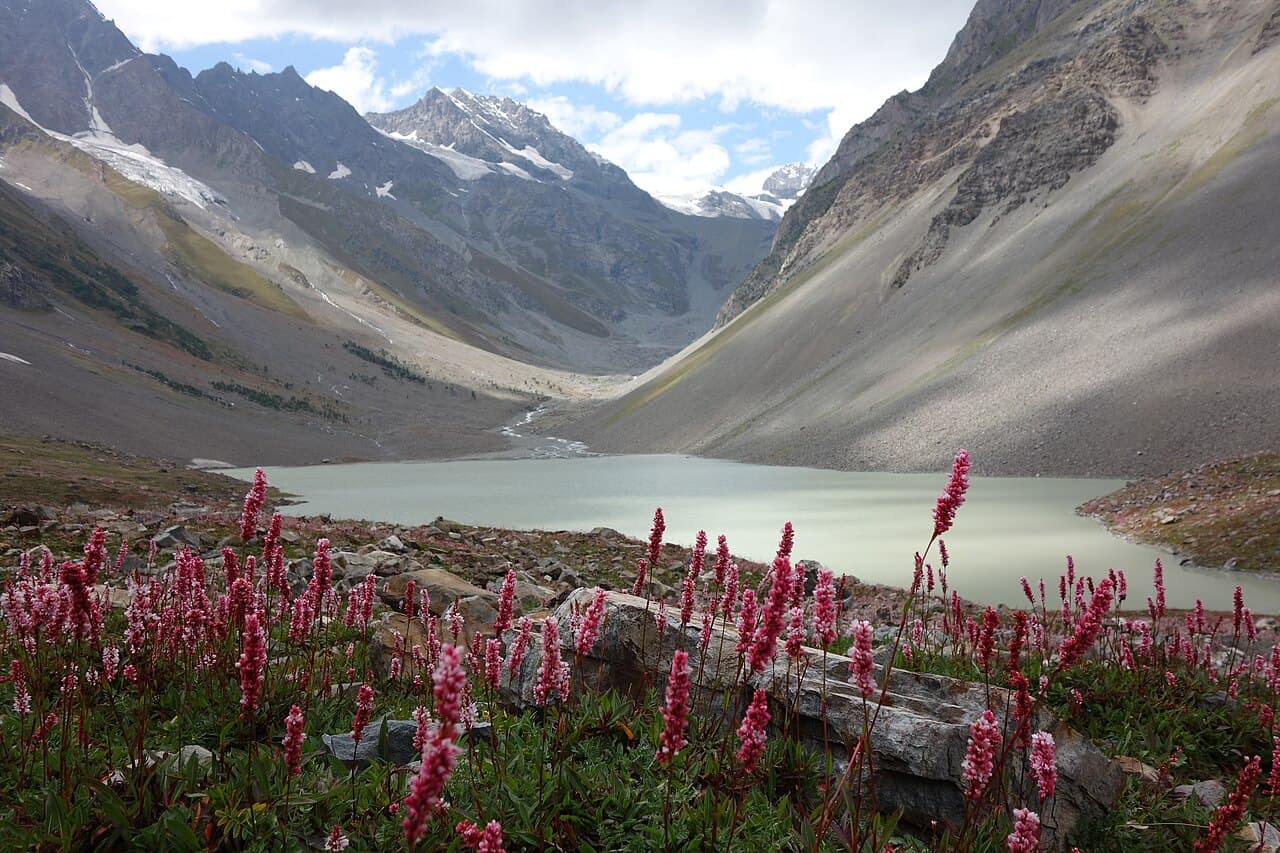
The headline sight is the Bashkiri lake system, a cluster of five or six alpine lakes set in pine forest and meadow, each holding a slightly different colour.
- Satrangi Lake, the most famous, whose name means "rainbow", shifts through turquoise, green and deep blue as the light and angle change. It covers around 21,000 square metres and sits at roughly 3,100 metres.
- Blue Lake, the largest at around 36,000 square metres, holds a stable, deep blue tone.
- Feroza or Sheesha Lake, the smallest and deepest in hue, glows a light turquoise.
- Naltar Lake and Pari Lake, emerald and deep turquoise respectively, complete the rainbow set, framed by forest and bare peaks.
Reaching them is half the adventure: a rough jeep track followed by short walks between the lakes, best tackled from June onward once the snow has cleared the trails.
The ski resort
Naltar is home to Pakistan's oldest ski facility, set high near Naltar Bala and run with support from the air force. It has hosted national championships and international teams, and a chairlift, spanning roughly 3.2 km with a ride of about 20 minutes, carries skiers and summer sightseers up the slope. Winter, from December to March, is ski season, when the valley lies under 10 to 15 feet of snow and the resort comes alive. In summer the same slopes and chairlift give easy access to high views without a hard climb.
Other things to do
- Jeep safaris to the lakes and the upper meadows, the classic Naltar day out.
- Trekking and hiking through the pine forest and alpine meadow, with routes ranging from gentle strolls to multi day treks over Naltar Pass toward Ishkoman.
- Trout fishing in the cold streams that feed the valley, a local tradition.
- Camping among the pines and beside the lakes, the best way to catch the light at dawn and dusk.
- Wildlife and wildflower photography, with the valley at its most colourful in early summer.
- Skiing and snowboarding in winter, the reason many visitors brave the cold and the road.
Best time to visit Naltar
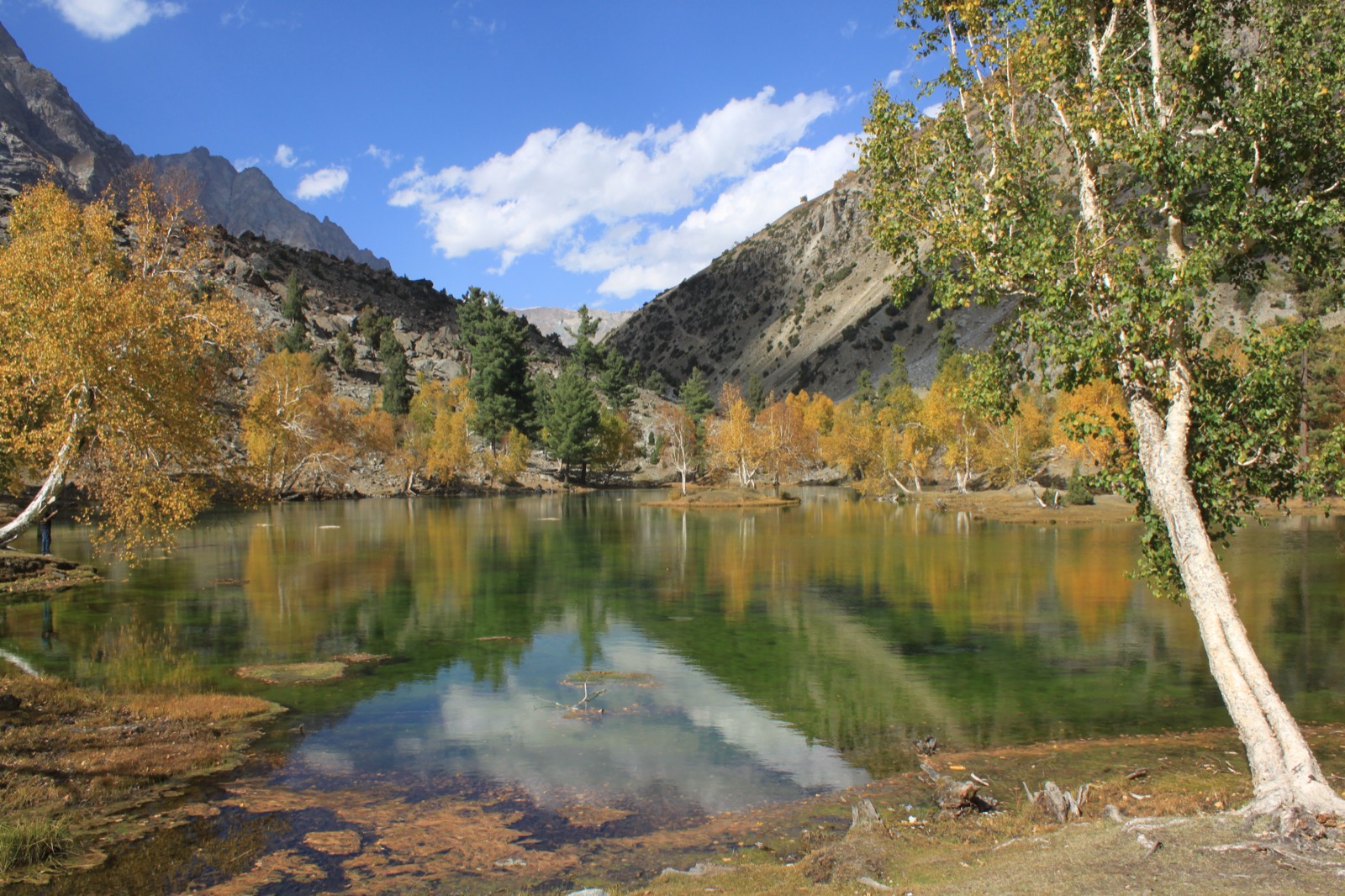
Naltar is a year round destination with two very different faces.
- Spring (April to May): days of 10 to 20 degrees, cold nights, snowmelt and the first wildflowers, though the upper track may still hold snow.
- Summer (June to August): the peak, with pleasant 15 to 25 degree days, full access to the lakes and trails, and the valley at its greenest.
- Autumn (September to October): clear skies, golden foliage and thinner crowds, one of the loveliest and most underrated windows.
- Winter (November to March): ski season, with daytime temperatures from minus five to ten degrees, bitter nights and heavy snow that closes the lakes track but opens the slopes.
For the lakes and trekking, aim for June to September, with September into early October the sweet spot for quiet and clear weather. For skiing, come in the depth of winter.
Where to stay
Most accommodation is in and around Naltar Bala, the upper settlement, and ranges from simple to surprisingly comfortable. Options include the government PTDC motel and army rest houses, family run guesthouses and wooden cottages, and a handful of resorts and hotels such as Mehmaan Resort, Yak Tail Guest House for budget travellers, and higher end options like the Canopy Nexus. As a rough guide, mid range and resort rooms run in the region of 70 to 80 US dollars a night, while guesthouses and camping are far cheaper. Designated camping areas sit near the lakes and in the forest for those who bring a tent. In the June to September peak and over long weekends the best rooms fill fast, so book two to three weeks ahead.
What it costs
Naltar is an affordable side trip if you travel smart. The main variable cost is the jeep: the lakes run from Gilgit or Nomal is the big line item, and sharing it across a full vehicle is the single best way to cut the price. Accommodation spans cheap guesthouses and camping up to resort rooms at around 70 to 80 dollars a night, and local food is inexpensive. Many travellers fold Naltar into a Hunza or Gilgit package, and 6 day Hunza and Naltar combined tours are commonly sold from the cities, which spreads the transport cost across more of the trip. For a fuller picture of northern budgets, see our Pakistan trip cost guide.
A simple two to three day plan
- Day 1: Drive from Gilgit through Nomal up to Naltar Bala by jeep, settle into a guesthouse or cottage, and spend the afternoon walking the pine forest and meadows around the village.
- Day 2: The full day jeep trip to the Bashkiri lakes, Satrangi, Blue and Feroza, with time to walk between them, picnic and photograph the colours, returning to Naltar for the night.
- Day 3: A morning at the ski resort and chairlift for the high views, or a longer trek toward Naltar Pass, then the drive back to Gilgit to continue your northern loop.
Practical tips
- 4x4 only: the valley track and especially the lakes road need a jeep; ordinary cars cannot make it.
- Travel by day: the broken, landslide prone road is no place for night driving.
- Carry cash: there are no card machines, so bring enough rupees for the jeep, lodging and food.
- Pack warm layers: even in summer the nights and the lakes are cold at altitude.
- Book ahead in peak season and for skiing: rooms are limited and fill quickly.
- Respect the forest: carry your rubbish out and camp responsibly to keep Naltar pristine.
The villages and the wider valley
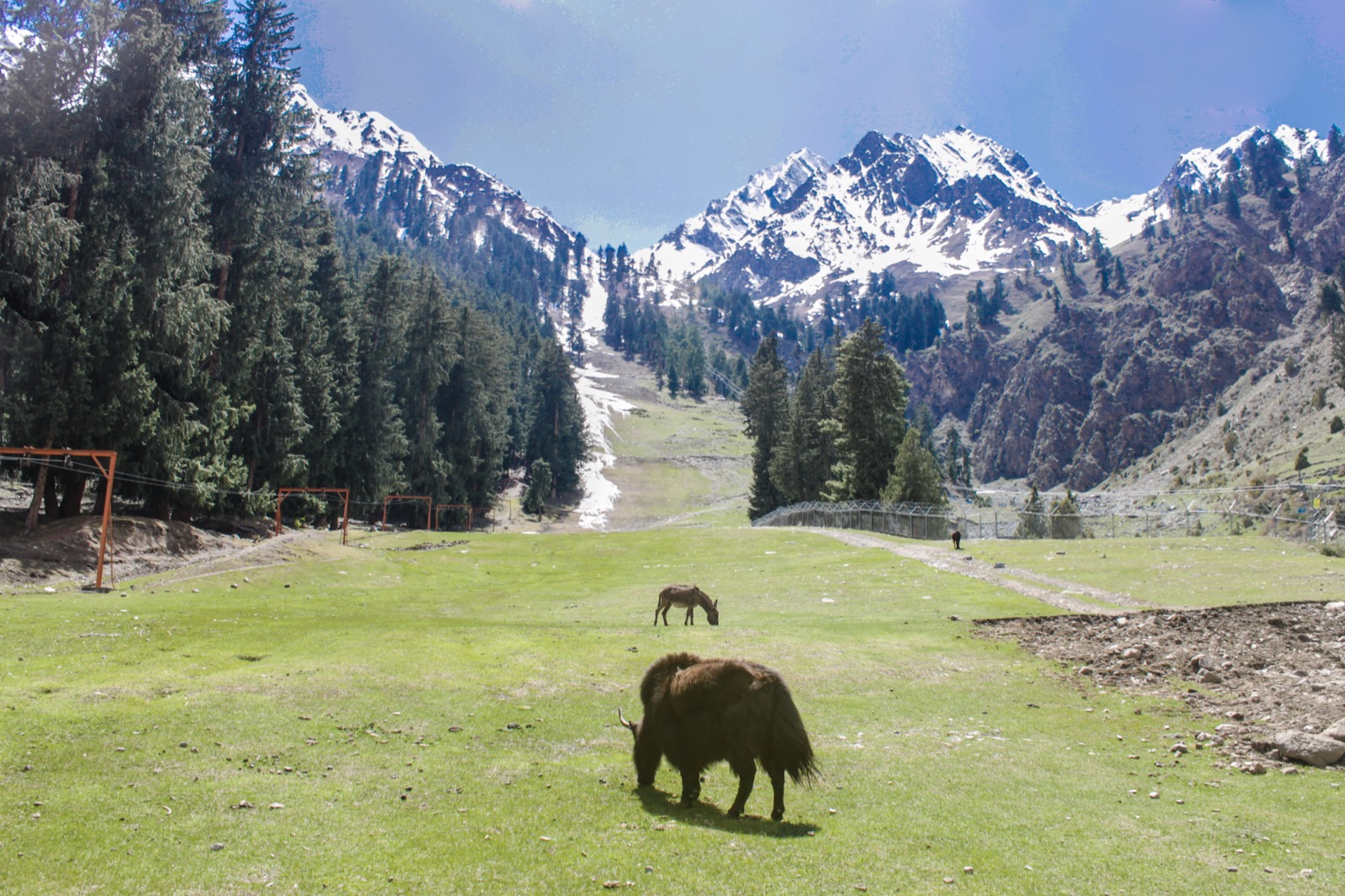
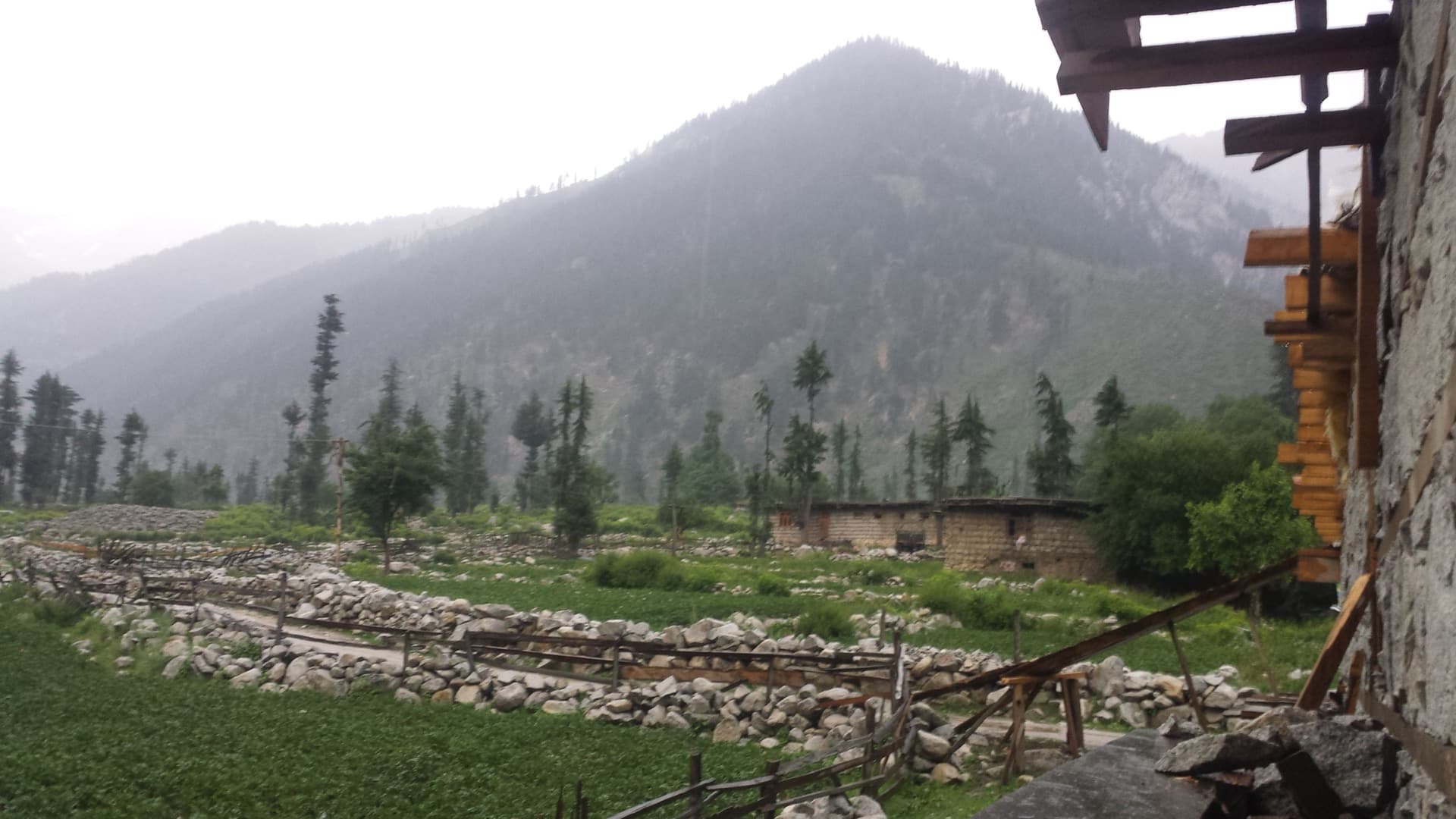
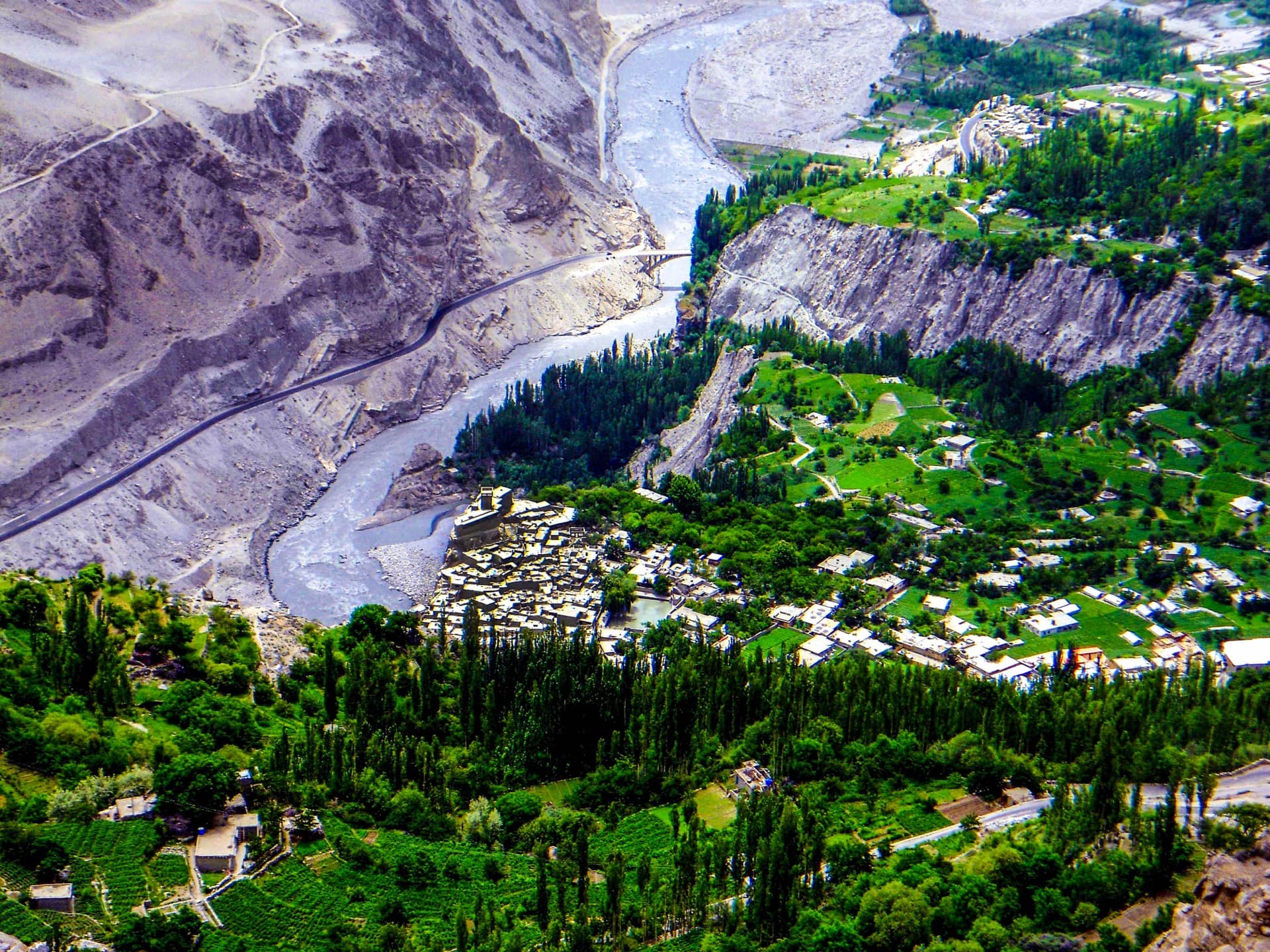
Naltar is really two linked settlements and the wild country above them. Naltar Payeen, the lower village, is the first you reach, set among orchards and fields where the valley begins to open out. Naltar Bala, higher up, is the main base for visitors, with most of the guesthouses, the ski resort and the jeep stand for the lakes. Beyond Naltar Bala the valley narrows into forest and meadow before climbing toward the lakes and, eventually, the high Naltar Pass that links over the mountains toward the Ishkoman valley, a serious multi day trek for the experienced and well equipped. The people of Naltar are mostly herders and farmers who move their livestock to the high pastures in summer, and the valley keeps a quiet, traditional rhythm despite its growing fame. That mix of accessible beauty and genuine remoteness is exactly what makes Naltar special: you can reach a world class alpine landscape in an afternoon from Gilgit, yet still feel a long way from anywhere.
How Naltar compares with the other valleys
If you are weighing Naltar against the bigger northern names, the difference is intimacy and the rainbow lakes. Where Hunza is about grand views, ancient forts and orchards, and Skardu is about vast desert, lakes and the highest peaks, Naltar is a smaller, greener, more forested pocket built around its coloured lakes and its ski slope. It does not need a week; two or three days from a Gilgit base is plenty, which makes it an ideal add on to a Hunza trip rather than a destination you travel to on its own. Many of the best northern itineraries pair a few days in Hunza with a Naltar side trip, using Gilgit as the hinge between them, and that is exactly how we would build it.
Related guides
Time your trip with our best time to visit Pakistan guide, plan the budget with the Pakistan trip cost breakdown, use Gilgit as your base with the Gilgit travel guide, and build the wider route with the northern Pakistan itinerary. Browse every region on the destinations page.
Last updated
Share this article
Frequently asked questions
- How many days do you need for Naltar Valley?
- Two days is enough for the jeep in, the rainbow lakes and a night in the valley. Add a day or two if you come to ski in winter, or to trek to the smaller upper lakes. It pairs well with Gilgit and Hunza on a wider northern loop.
- How much does a Naltar trip cost?
- The main cost is the jeep: about PKR 9,000 one way from Gilgit, or PKR 15,000 to 18,000 to the lakes, plus PKR 5,000 to 6,000 for a round tour in the valley. Sharing the jeep cuts the per-head cost sharply. Lodging is modest guesthouse pricing; carry cash as there are no ATMs.
- Are the Naltar lakes worth the rough road?
- Yes. The Bashkiri lakes, especially Satrangi which shifts colour through the day, are among the most striking in Pakistan, set in pine forest below snow peaks. The last 12 to 13 km is a rough 4x4 track, but the lakes reward the jolting drive.
- Is Naltar good for skiing?
- Yes. Naltar has Pakistan's oldest ski resort, with a chairlift around PKR 1,500 and slopes for beginners through to the national team. The season runs December to March. It is small but authentic and uncrowded, the best ski option in the country.
- What is the best time to visit Naltar Valley?
- May to September for the lakes and green meadows with mild days, October for golden autumn colour and fewer people, and December to March for skiing. At 2,900 to 3,000 metres the valley stays cold at night all year, so pack layers.
- Do you need a 4x4 for Naltar?
- For the lakes, yes. The first 20 km from Nomal is paved, but the final stretch to the Bashkiri lakes is a rough unpaved track that requires a 4x4 jeep. Hire one in Gilgit with an experienced local driver rather than risk a normal car.