Photo by Adeel ur Rehman MughalWebsite
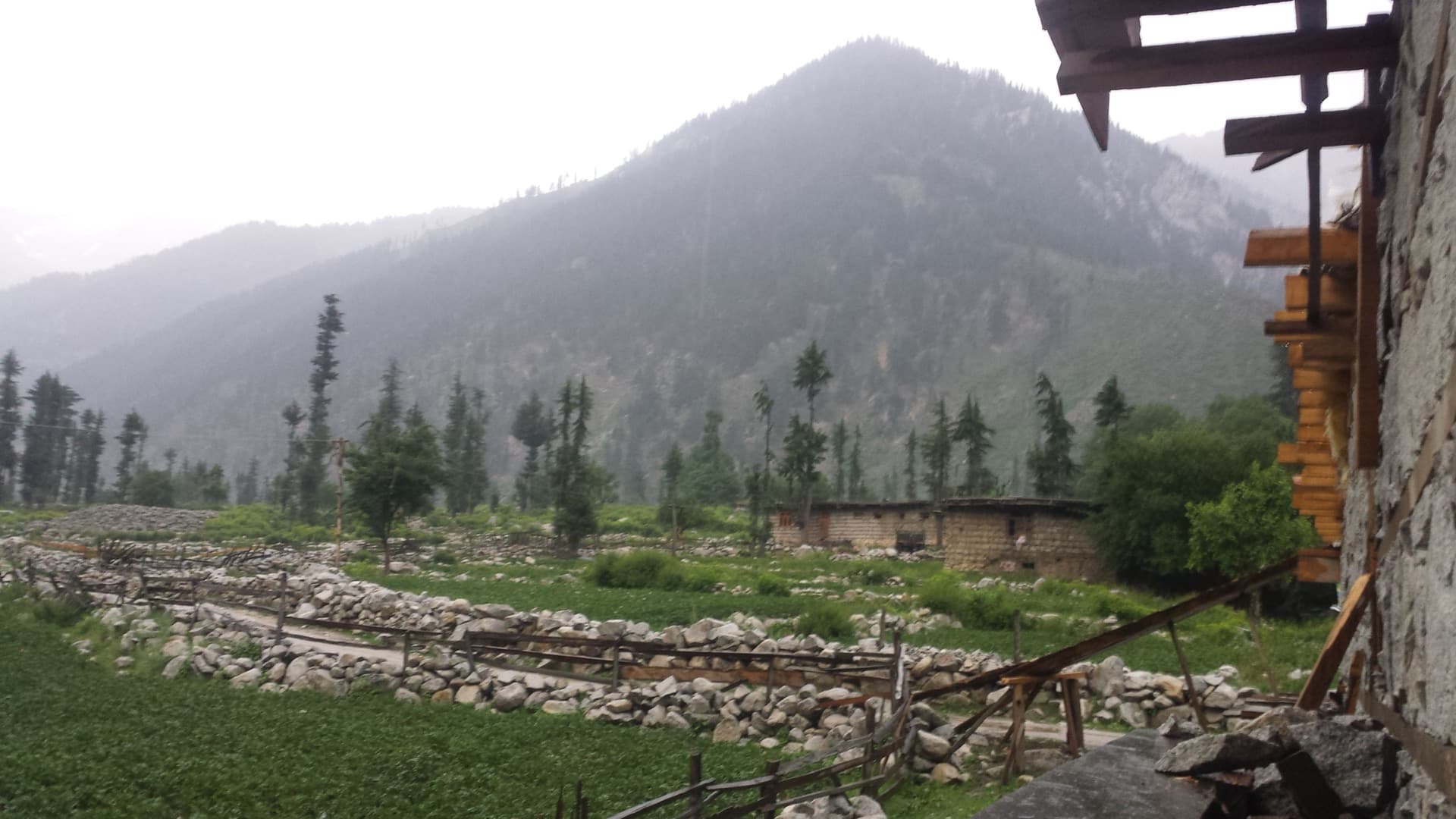
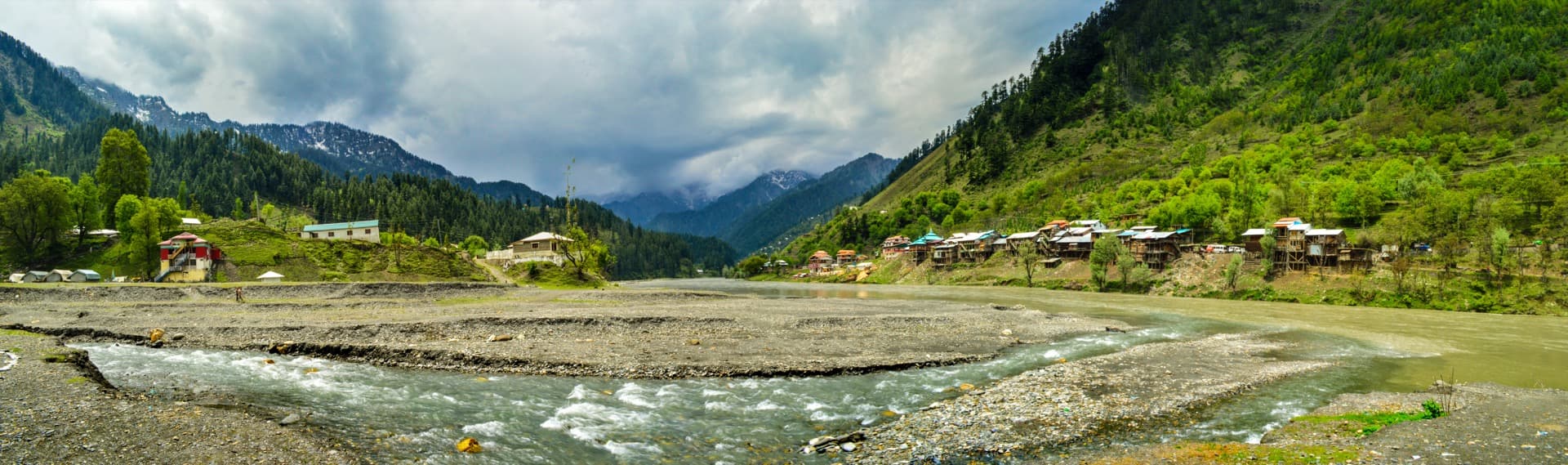
Neelum Valley is, for many travellers, the most beautiful corner of Azad Kashmir, and one of the easiest mountain escapes to reach from the cities. A long, narrow valley of pine forest and terraced villages, it follows the blue green Neelum River for about 200 km, from Muzaffarabad all the way up to the last hamlet at Taobat. For much of that distance the river is the Line of Control, so you often look across the water straight into villages on the Indian side. This guide covers everything you need: how to get to Neelum Valley, the top places to visit with real distances and altitudes, the best time to go, what it costs, the NOC question, and a simple plan to tie it together.
Neelum Valley at a glance
- Where: Azad Kashmir, northeast of Muzaffarabad, along the Neelum River.
- Length: about 200 km, Muzaffarabad to Taobat.
- Best time: April to October, with June to September for the high lakes.
- How long: 4 to 6 days to do the valley justice.
- Famous for: Keran, Sharda, Kel and Arang Kel, and alpine lakes like Ratti Gali.
How to get to Neelum Valley
From Islamabad. The usual route runs through Murree and over the Kohala Bridge into Azad Kashmir, then to Muzaffarabad, the gateway city, about 235 km and roughly five to seven hours to the lower valley. From Muzaffarabad the single valley road heads northeast along the river. The road is paved and fine for a normal car as far as Sharda, but beyond that, for Kel, Arang Kel, Taobat and the lake trailheads, you need a sturdy four wheel drive.
From Lahore. About eleven hours, usually via Islamabad and Murree, so many travellers break the journey overnight or take a tour coach.
Getting around. Shared and private jeeps are the workhorses of the upper valley. Typical fares run in the region of 4,000 to 5,000 rupees for the Sharda to Kel leg, 7,000 to 8,000 for the Ratti Gali Lake jeep from Dowarian, and 8,000 to 9,000 onward to Taobat. Hire through your hotel and share where you can to split the cost.
A note on the NOC and the Line of Control
Because Neelum runs right along the Line of Control, the valley has a sensitive side. Pakistani tourists travel freely, but foreign visitors should check the current No Objection Certificate requirements for Azad Kashmir and the upper border areas before setting out, since rules change. Carry your identification, follow any checkpoint instructions, and avoid filming military posts. None of this should put you off, the valley is welcoming and heavily visited, but it pays to be aware.
The shape of the valley
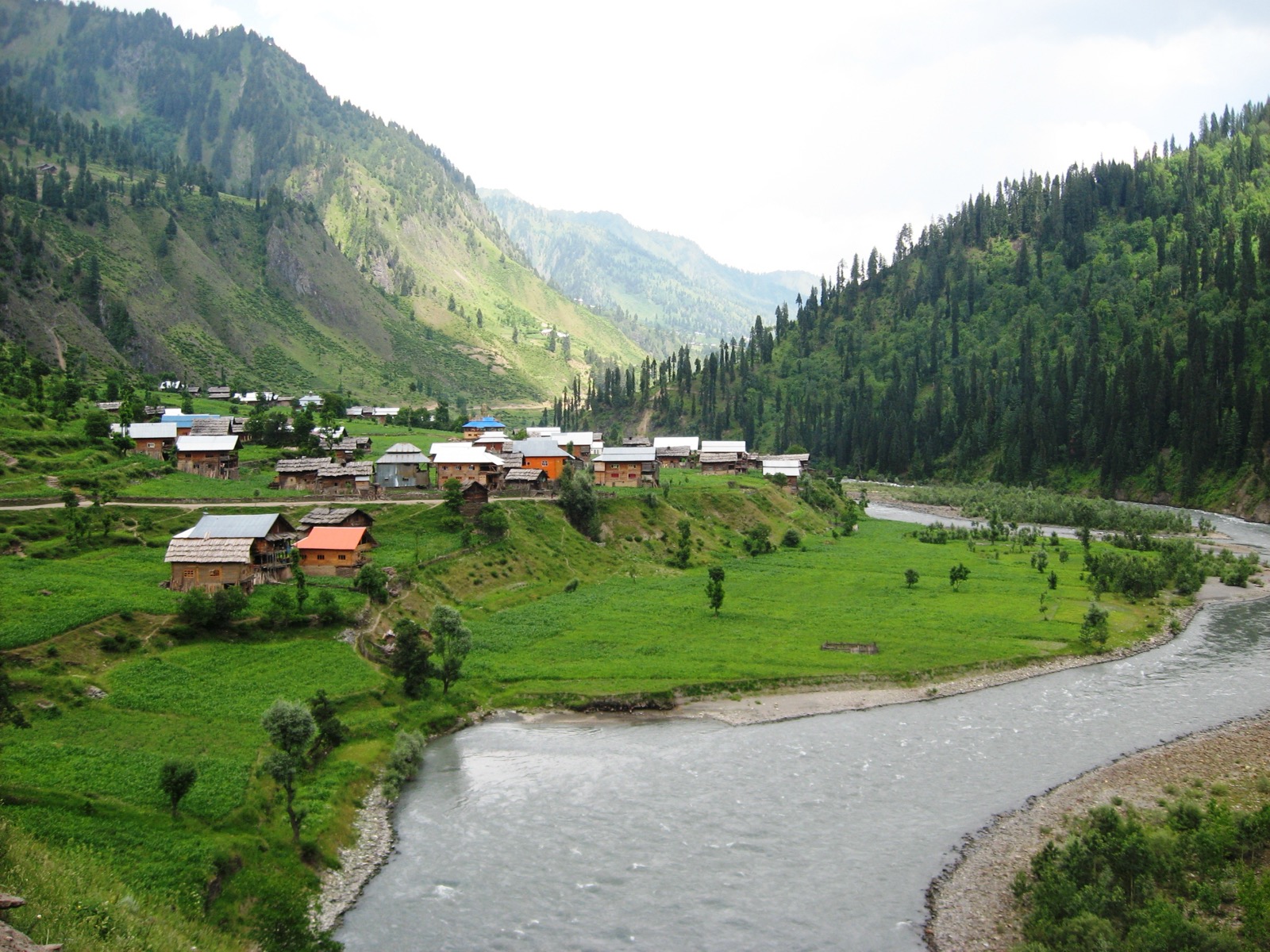
Neelum unfolds in a single line along the river, which makes it easy to picture. From Muzaffarabad you pass the Kutton and Jagran side valley with its waterfall and power station, then the riverside town of Keran, which faces its twin village of the same name across the water in India. A little further is Athmuqam, the main administrative town. From Dowarian a hard track climbs to Ratti Gali Lake. The road then reaches Sharda, with its ancient temple ruins, and Kel, the launch pad for Arang Kel, Taobat and the high lakes. Knowing this order helps you plan a steady drive up the valley and back.
Top places to visit in Neelum Valley
- Keran, about 115 km from Muzaffarabad, a green riverside town and one of the valley's most popular stops, looking directly across the Neelum at the Indian village of the same name.
- Sharda, about 156 km from Muzaffarabad at roughly 1,981 metres, home to the ruins of Sharada Peeth, an ancient temple and centre of learning that gave the Sharada script its name. A historic, atmospheric stop.
- Kel, about 175 km from Muzaffarabad at roughly 2,097 metres, a small town that is the gateway to the upper valley and the jumping off point for Arang Kel, Taobat and Chitta Katha Lake.
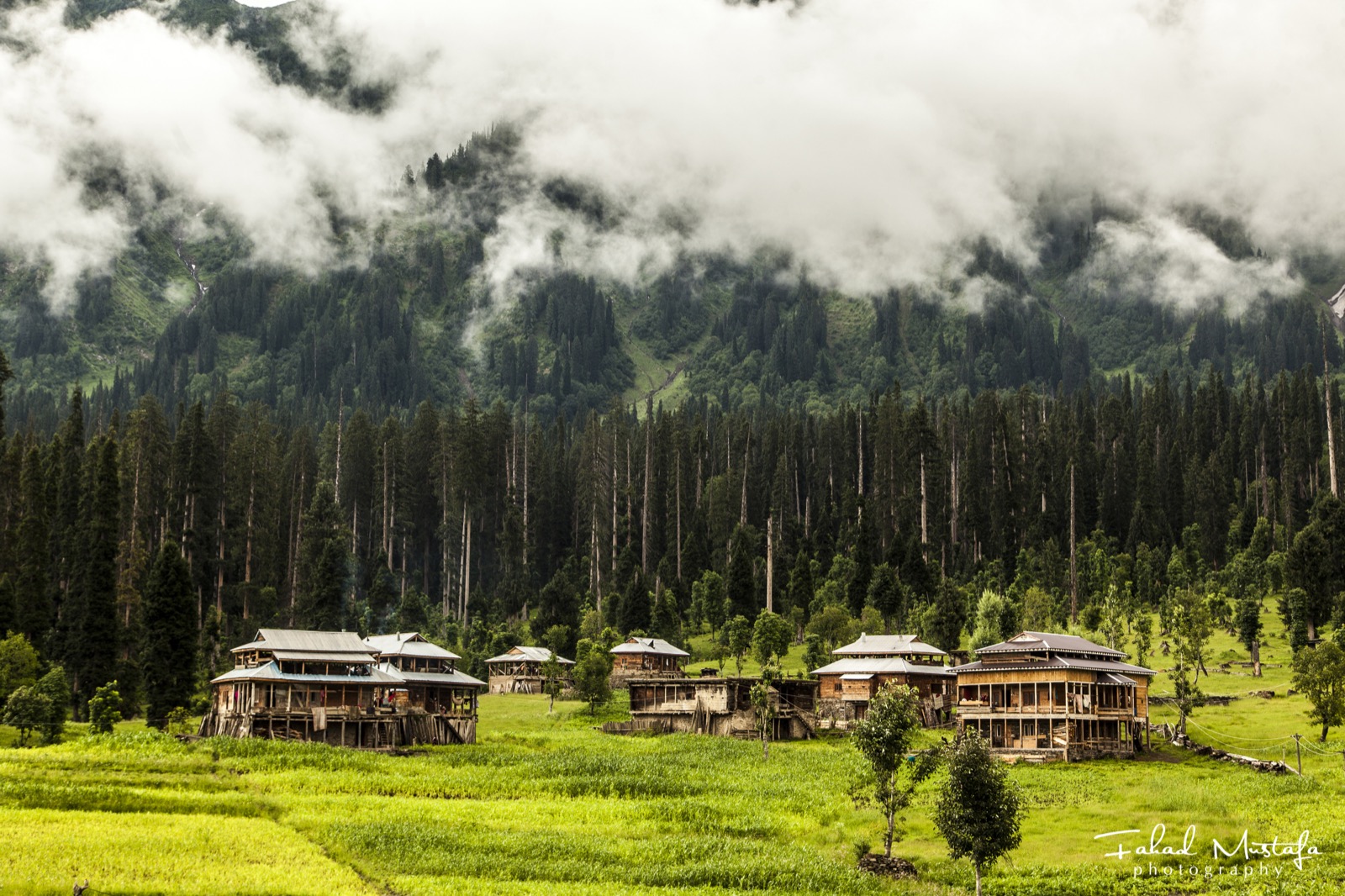
- Arang Kel, the valley's icon, a meadow village perched on a cliff top above Kel at around 2,550 metres, reached by a short chairlift across the river followed by a steep hike, or a roughly two hour walk. The views over the valley are unforgettable.
- Ratti Gali Lake, a dazzling alpine lake fed by glacial melt, reached from Dowarian by a rough jeep track and a short trek, best from June to September. One of the most beautiful lakes in Pakistan.
- Chitta Katha Lake, a high glacial lake above Kel in the Shounter area, a rewarding trek for the fit.
- Shounter Lake and Valley, a side valley off the road to Kel with meadows and a glacial lake.
- Taobat, the last village in the valley, about 216 km from Muzaffarabad, remote and beautiful where the Neelum River meets the Chhatri Nar.
- Kutton and the Jagran Valley, lower down, known for its waterfall and lush forest, an easy first stop on the way up.
Best time to visit Neelum Valley
The valley is firmly seasonal. The sweet spot is April to October. Spring and early summer bring lush green hills and full rivers, while June to September is the only reliable window for the high alpine lakes like Ratti Gali, when the snow has cleared the trails. Autumn, in October, is quieter and golden. From December to February heavy snow closes the upper valley and brings landslide risk, though the lower reaches around Keran can be visited for a snowy escape. Avoid the heaviest monsoon spells in late July and August on the mountain tracks.
Where to stay
Accommodation has grown fast across the valley, mostly in characterful wooden lodges and resorts with river views. Keran and Sharda have the widest choice, from budget guesthouses to comfortable resorts, and Kel has simpler options for those pushing on to Arang Kel and the lakes. Arang Kel itself has basic huts and camping for an unforgettable night on the meadow. Book ahead in the June to August peak and over long weekends, when the valley fills with domestic tourists.
What it costs
Neelum is an affordable trip. Budget travellers can do it on modest daily costs, with inexpensive guesthouses and local food, while the jeep legs to the lakes and upper villages are the main variable expense. Organised tour packages from Islamabad commonly run from around 99,000 rupees for a shorter trip up to 230,000 for longer or more comfortable itineraries, typically including transport, hotels, breakfast and the jeep transfers. Independent travel by public van and shared jeep is much cheaper.
Food in Neelum
The valley's signature is fresh river trout, often pulled from the Neelum and grilled at riverside restaurants where you can pick your own fish. Beyond that, expect hearty Kashmiri and Pahari mountain food: barbecued meats, fresh bread, rajma and rice, and plenty of salty pink Kashmiri chai. The bazaars sell Kashmiri shawls, honey, dried fruit and walnut wood crafts.
A simple four to five day plan
- Day 1: Drive from Islamabad through Murree and Muzaffarabad up to Keran, with a stop at the Kutton waterfall. Overnight Keran.
- Day 2: The full day jeep trip to Ratti Gali Lake from Dowarian, returning to Sharda. Overnight Sharda.
- Day 3: Explore Sharda and the Sharada Peeth ruins, then drive to Kel. Overnight Kel.
- Day 4: The chairlift and hike up to Arang Kel for the meadows and views, with the option to stay the night on top. Overnight Arang Kel or Kel.
- Day 5: A push to Taobat for the remote upper valley, or begin the drive back with a riverside trout lunch.
Practical tips
- Use jeeps for the top end: the road is paved only to Sharda, so Kel, Arang Kel, Taobat and the lakes need a four wheel drive.
- Altitude on the lakes: Ratti Gali and Chitta Katha sit high, so take the trek gently and carry warm layers even in summer.
- Carry cash and ID: card machines are scarce, and you will pass checkpoints along the Line of Control.
- Connectivity is patchy: the regional and one or two national networks work in the towns but fade in the high valley, so download maps offline.
- Book ahead in summer: Neelum is one of the most popular valleys with domestic tourists from June to August.
A little history
Neelum takes its name from the river that runs through it. Its most famous historic site is Sharada Peeth at Sharda, the ruins of an ancient temple and centre of learning that was once among the most important seats of scholarship in the subcontinent, and which gave its name to the Sharada script long used to write Kashmiri. The wider valley was split when the Line of Control was drawn through Kashmir after 1947, which is why so many villages here look across the water at a twin settlement on the Indian side. That layered history, ancient pilgrimage and modern division, gives Neelum a poignancy beyond its scenery.
More lakes and side valleys
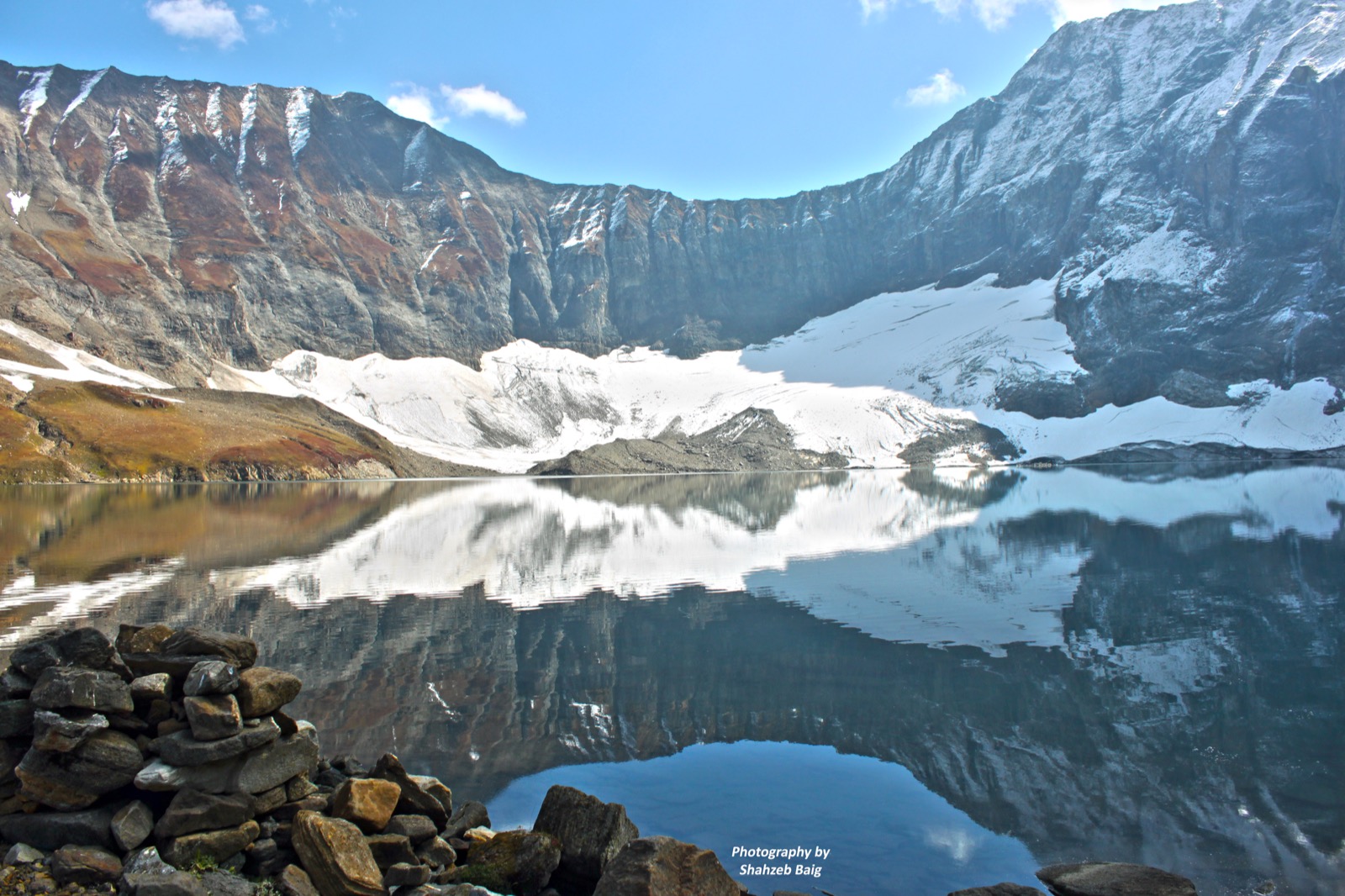
Ratti Gali is the headline, but the valley hides plenty more for those who trek. Above Kel lie the glacial Chitta Katha Lake and the meadows and lake of the Shounter Valley. Toward the top end, the remote Halmat and Janawai areas and the route to Taobat reward slow travel, while lower down the Jagran and Kutton side valley offers an easy forested first stop with its waterfall. Most of the high lakes need a jeep to the trailhead and a hike beyond, and open only in the short summer.
Related guides
Time your trip with our best time to visit Pakistan guide, compare the northern valleys in Naran vs Swat, and see how Kashmir fits a bigger trip in the northern Pakistan itinerary. See the overview on the Neelum Valley destination page or browse every region on the destinations page.
Last updated
Share this article
Frequently asked questions
- Where is Neelum Valley and what is it known for?
- Neelum Valley is in Azad Kashmir, running about 200 km along the Neelum River northeast of Muzaffarabad. It is known for river towns like Keran and Sharda, the meadows of Arang Kel, alpine lakes such as Ratti Gali, and the river that marks the Line of Control with India.
- How do you get to Neelum Valley from Islamabad?
- Drive about 235 km through Murree and Muzaffarabad, roughly five to seven hours to the lower valley. The road is paved to Sharda, after which a four wheel drive is needed for Kel, Arang Kel, Taobat and the lakes.
- Do foreigners need an NOC for Neelum Valley?
- Pakistani tourists generally travel freely, but foreign visitors should check the current No Objection Certificate rules for Azad Kashmir and the upper border zones before travelling, since the valley runs along the Line of Control.
- When is the best time to visit Neelum Valley?
- April to October, with June to September best for the high alpine lakes like Ratti Gali. The lower valley is green across the warmer months, while winter closes much of the upper valley with snow.
- How do you reach Arang Kel?
- From Kel, cross the river by a short chairlift then hike up a steep path, or walk the whole way in about two hours. The meadow village sits around 2,550 metres and rewards the climb with sweeping views.
- How many days do you need for Neelum Valley?
- Four to six days lets you travel up the valley properly, taking in Keran, Sharda, Kel and Arang Kel plus a lake like Ratti Gali, without rushing the long mountain roads.