Photo by Miansari66Website
Peshawar is a meat lover's paradise and one of the most distinctive food cities in Pakistan, where the Pashtun love of simple, high quality grilled and slow cooked meat reaches its finest expression. This is a cuisine of restraint rather than spice: where Lahore piles on ghee and masala, Peshawar lets the meat speak for itself, seasoned often with little more than salt, and the results are extraordinary. This guide explores the food of Peshawar and Khyber Pakhtunkhwa: the legendary Namak Mandi, Kabuli pulao, chapli kabab, the green tea culture and how to eat your way through this ancient frontier city.
The Pashtun philosophy of food
Pashtun cuisine is built on a simple idea: if the meat is good, it needs little adornment. Across Khyber Pakhtunkhwa, from Peshawar to the tribal districts, the food celebrates fresh, fatty, high quality mutton and lamb cooked over charcoal or slowly in its own juices, with minimal spice and a generous hand with salt. There is no heavy gravy hiding the ingredients, no long list of masalas, just meat, fat, salt, sometimes tomato and green chilli, and bread to soak up the juices. This restraint is a point of pride, and it produces some of the most satisfying meat dishes anywhere in the country. It is a cuisine shaped by a pastoral, mountain and frontier culture, and by close ties to neighbouring Afghanistan, whose influence runs through dishes like Kabuli pulao. The food pairs naturally with the city's long history as a Silk Route and frontier hub.
Namak Mandi: the heart of Peshawari food

No food tour of Peshawar is complete without Namak Mandi, the famous market quarter whose name means salt market and which has become synonymous with the city's grilled meat culture. Here, the ritual is unique: you choose your cut of fresh mutton by weight at the entrance, and the kitchen cooks it to order, most famously as a namkeen (salted) karahi, cooked in nothing but the meat's own fat with salt and perhaps a little tomato and green chilli, or grilled as tikka over charcoal. The meat arrives sizzling in heavy iron karahis, eaten communally by hand with fresh naan and washed down with endless cups of green tea. Eating in Namak Mandi, surrounded by the smoke and bustle of the market, is one of the great food experiences in Pakistan, and the simplicity of the cooking only highlights the quality of the meat.
The signature dishes

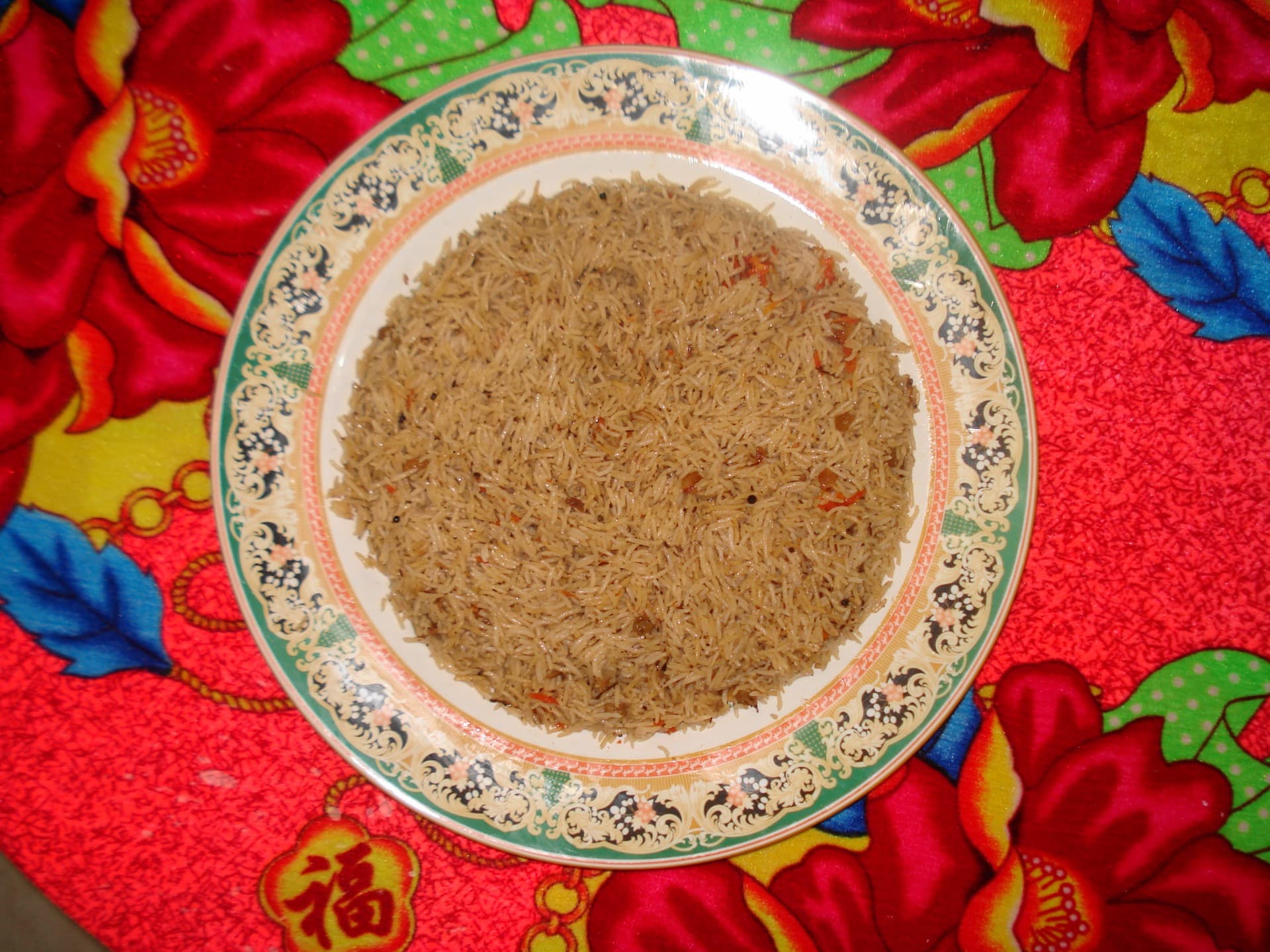
The undisputed king of Peshawari restaurant food is the namkeen or white karahi, mutton cooked in its own fat with salt, fresh tomato and green chilli and nothing else, rich, tender and deeply savoury. Closely related is the Shinwari karahi, named for the Shinwari Pashtuns, a similar style of simple, salt forward mutton karahi that has spread across the whole country. Then there is Kabuli pulao, the magnificent rice dish of Afghan origin beloved across Khyber Pakhtunkhwa: fragrant rice cooked with tender chunks of meat and topped with sweet caramelised carrots and raisins, a beautiful balance of savoury and sweet that is often called the king of pulaos. Chapli kabab, the flat, spiced minced beef patty fried crisp in its own fat, is the region's most famous street food and is covered in depth in our chapli kabab guide. Beyond these, the city serves superb charcoal tikka, seekh kebabs and, in the tribal tradition, landi, whole dried mutton preserved for winter and cooked into hearty stews.
Bread, rice and the supporting cast
As in all Pakistani food, bread and rice carry the meal, and Peshawar bakes some of the best naan in the country, large, soft and blistered from the tandoor, perfect for tearing and scooping up the juices of a namkeen karahi. The Afghan influenced Peshawari naan, sometimes studded with seeds, is a local favourite. Rice appears above all as Kabuli pulao, but also as simpler pulaos and plain rice alongside the meat. Vegetable dishes and daal play a smaller, supporting role here than in Punjab, reflecting the meat centred culture, though they are available, and salad, raw onion, yoghurt and green chilli are the standard accompaniments that cut through the richness of the meat. Fresh fruit, especially the region's excellent melons, peaches and grapes in season, often finishes a meal.
Green tea and sweets
If there is one drink that defines Peshawar, it is green tea, known locally as sabz chai or qahwa, often scented with cardamom and sometimes sweetened, drunk in large quantities after the heavy meat meals to aid digestion. Unlike the milky, sweet doodh patti of the rest of the country, Peshawar leans to this lighter, fragrant green tea, a habit shared with neighbouring Afghanistan and Central Asia. For something sweeter, the city and the wider province are known for sohan halwa, jalebi, and the rich, syrupy sweets sold in the old bazaars, as well as falooda and kulfi in the heat. A pot of green tea sipped slowly in a Namak Mandi tea house, after a feast of grilled mutton, is the perfect, restorative end to a Peshawari meal.
Where and how to eat in Peshawar
The best food in Peshawar is found in its markets and old quarters rather than smart restaurants. Namak Mandi is the essential destination for karahi and tikka, the old city bazaars hide chapli kabab and pulao legends, and Qissa Khwani, the historic storytellers' bazaar, is famous for its tea houses and atmosphere. The experience is communal, hands on and unpretentious: shared karahis, torn naan, no cutlery needed, and green tea flowing throughout. As a visitor, go hungry, eat with your hands as the locals do, and embrace the smoky, bustling market setting, which is as much a part of the experience as the food. Prices are very reasonable for the quality, and the hospitality, as everywhere in Pakistan and especially in Pashtun culture, is overwhelming. For trip planning see our Pakistan trip cost guide and the national Pakistani food guide.
The Afghan connection
Much of what makes Peshawari food distinctive comes from its deep ties to Afghanistan, just across the historic Khyber Pass. For centuries Peshawar has been the great meeting point between the subcontinent and Central Asia, and waves of trade, migration and shared Pashtun culture have woven Afghan dishes firmly into the local table. Kabuli pulao is the clearest example, an Afghan national dish that is equally at home in Peshawar, but the influence runs through the whole cuisine: the emphasis on grilled and simply cooked meat, the green tea culture, the breads and the love of dried fruit and nuts all reflect this Central Asian heritage rather than the Mughal traditions that shaped the food of the plains. Eating in Peshawar, you are tasting a frontier cuisine that belongs as much to the wider Pashtun and Central Asian world as to Pakistan, which is exactly what makes it so distinctive and so worth seeking out.
A meat lover's verdict
For travellers who love meat, Peshawar is quite simply one of the best eating cities in Pakistan, and arguably in this part of the world. The combination of superb quality mutton, the choose it by weight ritual of Namak Mandi, the restrained, salt forward cooking that lets the meat shine, and the communal, smoky market setting adds up to a food experience found nowhere else. Even committed fans of the rich, spicy food of Lahore and Karachi often come away from Peshawar converted to its simpler, purer style. Pair a feast of namkeen karahi and Kabuli pulao with the city's ancient bazaars and frontier history, and you have one of the most rewarding and underrated food destinations in the country. The only real advice is to come hungry and to let the meat, not the spice, be the star.
Related guides
Go deeper on the region's most famous street food in our chapli kabab guide, see the national picture in the Pakistani food guide, and compare the other great food cities in our Lahore and Karachi food guides. Plan a trip with the Chitral and Kalash guide and browse every region on the destinations page.
Last updated
Share this article
Frequently asked questions
- Which food is famous in Peshawar?
- Peshawar is famous for grilled and slow cooked mutton, above all the namkeen (white) karahi cooked in the meat's own fat with just salt, tomato and green chilli, along with Kabuli pulao, chapli kabab, charcoal tikka and seekh kebabs, eaten with fresh naan and green tea. The Namak Mandi market is the heart of it.
- What is Namak Mandi famous for?
- Namak Mandi is Peshawar's famous market quarter known for grilled and karahi mutton. The ritual is to choose your cut of fresh meat by weight, after which the kitchen cooks it to order, most famously as a salted namkeen karahi or charcoal tikka, eaten communally with naan and green tea.
- What is Kabuli pulao?
- Kabuli pulao is a fragrant rice dish of Afghan origin, hugely popular in Peshawar and Khyber Pakhtunkhwa, made with rice cooked in meat broth, tender chunks of mutton or beef, and topped with sweet caramelised carrots and raisins. The balance of savoury and sweet makes it one of the region's most beloved dishes.
- Why is Peshawari food less spicy than other Pakistani food?
- Pashtun cuisine follows a philosophy of letting good quality meat speak for itself, using minimal spice and a generous hand with salt rather than the heavy masalas and gravies of the plains. This restraint, shaped by a frontier culture and close ties to Afghanistan, produces wonderfully pure, meat forward flavours.
- What do people drink with food in Peshawar?
- Green tea, known locally as sabz chai or qahwa and often scented with cardamom, is the signature drink, sipped after the heavy meat meals to aid digestion. This lighter, fragrant tea, shared with Afghanistan and Central Asia, contrasts with the milky sweet tea drunk elsewhere in Pakistan.
- Is Peshawar good for meat lovers?
- Very much so. Peshawar is one of the best meat eating cities in Pakistan, prized for its superb quality mutton, the choose by weight ritual of Namak Mandi, and a restrained cooking style that highlights the meat. Many visitors rate the namkeen karahi and Kabuli pulao among the best meals of their trip.