Photo by Hassan ali7110Website
Pakistani food is one of the great cuisines of the world, a rich, aromatic and deeply regional tradition built on slow cooked meats, fragrant rice, fresh breads, bold spices and a legendary culture of hospitality. From the buttery Mughlai dishes of Punjab to the simple grilled meats of the Pashtun north, the fiery curries of Sindh and the apricot and wheat dishes of the high mountains, eating your way across Pakistan is a journey in itself. This guide is your introduction to Pakistani cuisine: the must-try dishes, the regional differences, the street food, the sweets and drinks, and how to eat well as a traveller.
What is Pakistani cuisine?
Pakistani food sits at a crossroads of Central Asian, Persian, Mughal, Middle Eastern and South Asian influences, refined over centuries into something distinct. Its hallmarks are generous use of spices like cumin, coriander, garam masala, cardamom and chilli, a love of meat (especially mutton, beef and chicken), slow cooking, and bread and rice as the staples that carry every meal. It is heartier and often meatier than neighbouring Indian cuisine, with its own signature dishes, and it is intensely regional, so what you eat in Lahore differs sharply from Karachi, Peshawar or Hunza. Above all, food in Pakistan is about hospitality: guests are fed lavishly, and sharing a meal is the heart of social life.
The must-try dishes

If you try nothing else, work through this list.
- Biryani, the national favourite: fragrant basmati rice layered with spiced meat, saffron and fried onions, with Sindhi and Karachi styles especially prized. See our Pakistani biryani guide.
- Nihari, a slow cooked beef or mutton stew simmered overnight in a rich, spiced gravy, traditionally eaten for breakfast with naan. Our nihari guide goes deep on it.
- Karahi, meat (chicken or mutton) cooked fast in a wok with tomatoes, ginger, green chillies and spices, named after the pan it is cooked in, a restaurant centrepiece.
- Haleem, a thick, slow cooked porridge of wheat, lentils and shredded meat, rich and comforting, especially popular in Ramadan and Muharram. See our haleem guide.
- Chapli kabab, the flat, spiced minced beef patty of the Pashtun north, fried crisp and eaten with naan, covered in our chapli kabab guide.
- Seekh kebab and chicken tikka, marinated grilled meats from the barbecue, smoky and ubiquitous.
- Paya and siri, slow cooked trotters and head, a rich traditional breakfast for the adventurous.
- Daal, lentils cooked countless ways, the everyday backbone of the table.
- Saag, mustard greens slow cooked and served with makai roti (corn bread), a Punjabi winter classic.
- Haleem, nihari and paya together form the great trio of slow cooked breakfast and weekend dishes.
Breads and rice
No Pakistani meal is complete without bread or rice to carry it. Naan and roti (tandoori flatbreads), paratha (flaky, often fried, a breakfast staple), sheermal (a sweet, saffron flatbread) and taftan are baked fresh in tandoor ovens across the country. Rice appears as plain boiled rice, as pulao (rice cooked in spiced broth, milder than biryani), and of course as biryani. The bread is torn and used to scoop curries by hand, the traditional and most enjoyable way to eat.
Street food

Pakistan's street food is a world of its own, cheap, fast and bursting with flavour.
- Gol gappay (pani puri), crisp hollow shells filled with spiced water, a tangy explosion.
- Chaat and dahi bhalay, savoury, tangy snacks of chickpeas, yoghurt, tamarind and spices.
- Samosas and pakoras, fried savoury pastries and fritters, the classic teatime and Ramadan snacks.
- Bun kebab, Pakistan's beloved spiced patty burger, a Karachi street icon.
- Chana chaat and fruit chaat, spiced chickpea and fruit salads.
- Rolls and paratha rolls, grilled meat wrapped in flaky bread, the ultimate street meal.
Eating street food is one of the great pleasures and best value experiences of travelling in Pakistan, and the bustling food streets of the big cities are the place to dive in.
Sweets and desserts
Pakistanis have a serious sweet tooth, and no celebration is complete without mithai (sweets).
- Gulab jamun, deep fried milk dumplings soaked in rose and cardamom syrup.
- Jalebi, crisp, bright orange spirals soaked in syrup, often eaten warm.
- Kheer and firni, creamy rice and ground rice puddings scented with cardamom and topped with nuts.
- Barfi and ladoo, dense milk and gram flour sweets, given at every festival.
- Falooda, an elaborate cold dessert drink of vermicelli, rose syrup, basil seeds, milk and ice cream.
- Kulfi, dense traditional ice cream, often flavoured with pistachio, mango or cream.
- Halwa, in countless forms from carrot (gajar ka halwa) to semolina, rich and ghee laden.
Drinks
- Chai, the milky, sweet, spiced tea that fuels the country, drunk all day.
- Kashmiri chai (pink tea), a salty, pink, nutty tea from the north, beloved in Kashmir, the Galiyat and Gilgit-Baltistan.
- Lassi, a yoghurt drink, sweet or salty, with the thick sweet Punjabi lassi a meal in itself.
- Sugarcane juice and fresh fruit juices, sold from street carts, especially refreshing in the heat.
- Rooh Afza, the iconic rose syrup drink, a Ramadan and summer staple.
Pakistani food region by region
The country's cuisine changes dramatically as you travel, and matching dishes to places is part of the fun.
- Punjab (Lahore) is the heartland of rich, buttery, indulgent food: nihari, paya, butter chicken style karahis, saag, the legendary food streets and the best mithai. Explore it in our Lahore food guide.
- Sindh (Karachi) is the home of fiery biryani, bun kebab, and a cosmopolitan street food scene shaped by migrants from across the subcontinent. See our Karachi food guide.
- Khyber Pakhtunkhwa (Peshawar) is meat country: chapli kabab, tikka, karahi, the famous Namak Mandi grilled meats and Kabuli pulao, simpler and meatier than the Punjabi style. Our Peshawar food guide covers it.
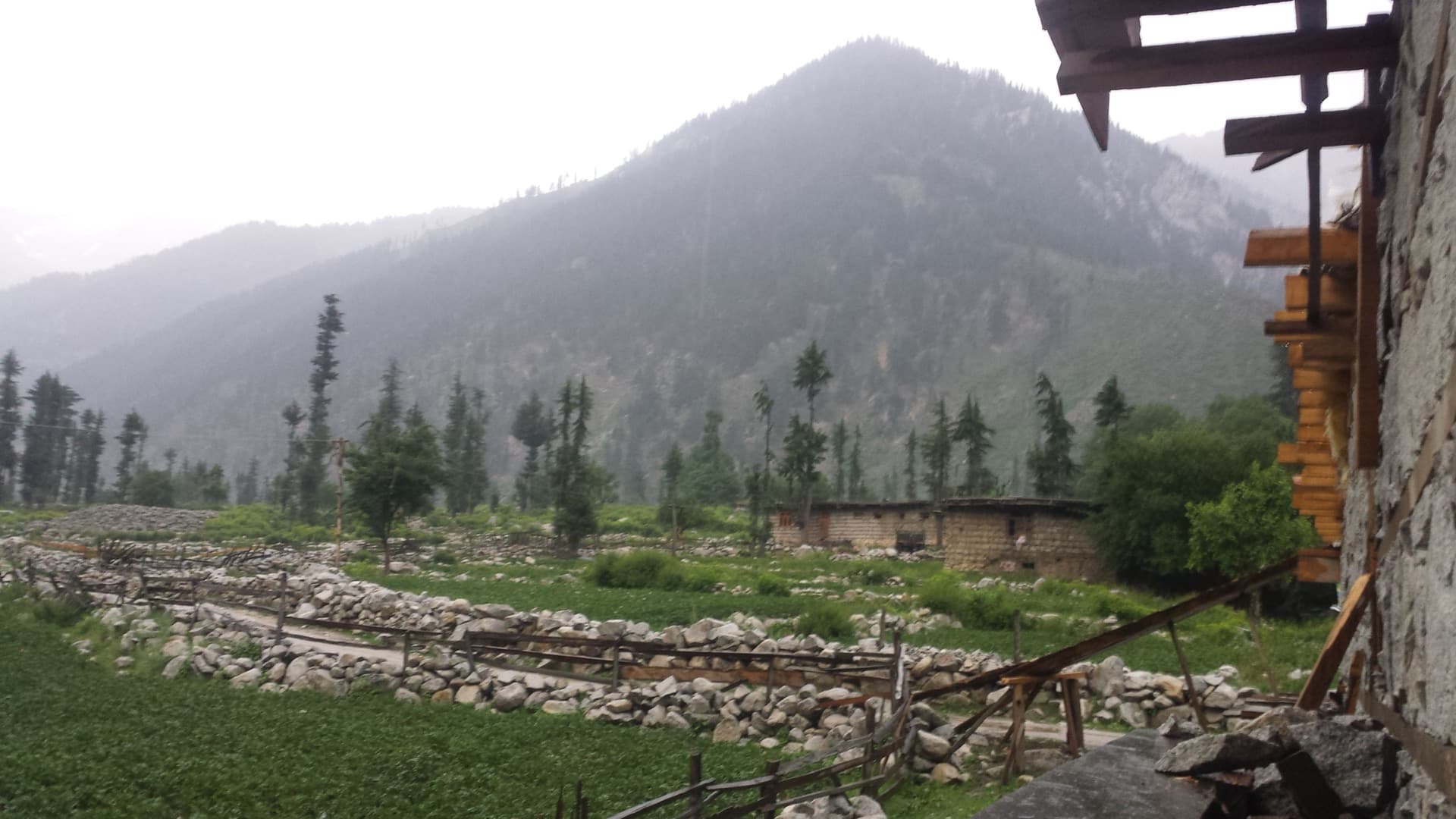
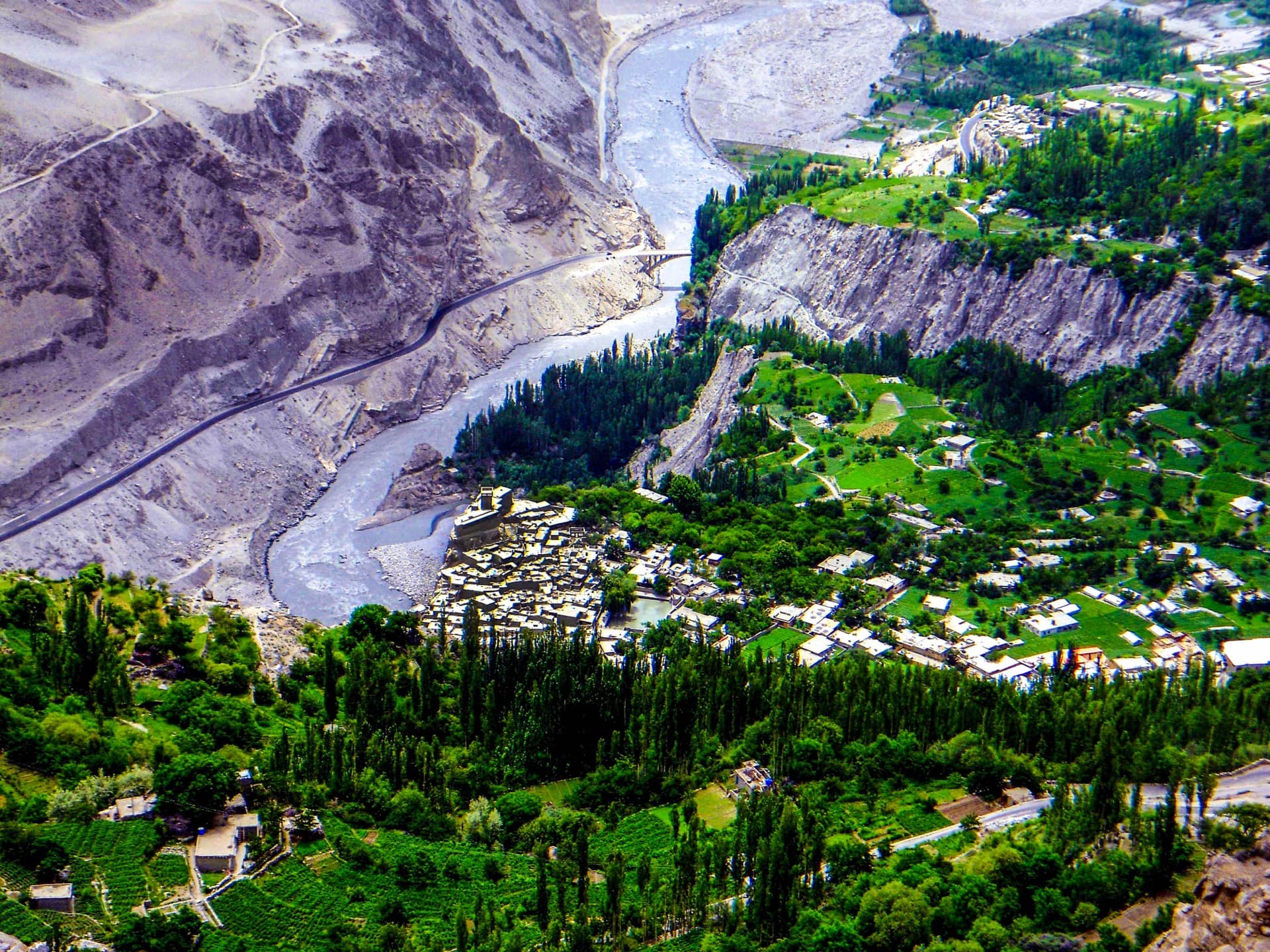
- Gilgit-Baltistan and Hunza have their own mountain cuisine built on apricots, walnuts, buckwheat and dairy, with dishes like chapshuro and harissa unlike anywhere else, covered in our Hunza and Gilgit-Baltistan food guide.
- Balochistan is known for sajji (whole roasted lamb or chicken) and dampukht, slow cooked tribal dishes of the southwest.
The spices and the kitchen
What gives Pakistani food its unmistakable character is the masala, the spice blend at the heart of nearly every dish. Cumin, coriander, turmeric, red chilli, garam masala, cardamom, cloves, cinnamon and black pepper are toasted and ground, onions and tomatoes are slow fried into a rich base called the bhuna, and ginger and garlic paste goes into almost everything. Ghee and oil are used generously, and the technique of slow cooking, whether the overnight simmer of nihari or the dum (sealed steam) method of biryani, is what builds the deep, layered flavours. Fresh coriander, green chillies, lemon and raw onion finish many dishes at the table. Understanding this shared foundation helps explain why dishes that look different are unmistakably part of the same cuisine, and why the smell of a Pakistani kitchen is so distinctive.
How and when Pakistanis eat
Meals follow their own rhythm. Breakfast can be light, with paratha, egg and chai, or a hearty weekend affair of nihari, halwa puri or siri paya that stretches into late morning. Lunch and dinner are the main meals, built around a meat or vegetable curry, daal, rice or bread, salad and yoghurt, eaten together and often by hand. Tea is a constant, taken mid morning and late afternoon with biscuits or savoury snacks. During Ramadan the whole rhythm shifts to the pre dawn sehri and the sunset iftar, when tables groan with fried snacks, fruit, dates and sweet drinks, and food culture reaches its most intense and communal. Festivals like Eid bring elaborate spreads of biryani, kebabs, sweet vermicelli and mithai. Knowing these rhythms helps a traveller time their eating to catch each tradition at its best.
Eating as a traveller
Eating well in Pakistan is easy, cheap and central to the experience. Restaurants range from humble roadside dhabas, where a hearty meal costs a few hundred rupees, to upscale dining in the cities, and the food streets of Lahore, Karachi and Peshawar are unmissable. As a visitor, a few tips help: street food is generally safe at busy, popular stalls with high turnover, the food can be spicy so ask for mild if needed, vegetarians will find plenty in the daal, saag, channay and vegetable dishes, and you should always accept the tea. For budgets and trip planning, see our Pakistan trip cost guide.
A note on hospitality
To understand Pakistani food, you have to understand mehman nawazi, the deep cultural duty of hospitality. Guests are honoured with the best food a household can offer, often far more than anyone can eat, and refusing food can cause offence. Travellers are frequently invited to share meals by strangers, and these home cooked feasts, simple daal and roti or an elaborate spread, are often the most memorable meals of any trip. Food is not just sustenance here, it is the language of welcome. For many travellers, it is the warmth around the table as much as the flavours on it that lingers longest, and more than a few visitors say the meals shared with Pakistani families were the single best part of their entire trip, a reminder that the country's most celebrated dish may simply be its generosity, served without limit at every table from a roadside dhaba to a family home in the mountains.
Related guides
Dive into the regional scenes with our Lahore, Karachi, Peshawar and Hunza and Gilgit-Baltistan food guides, and the dish deep-dives on biryani, nihari, haleem and chapli kabab. Plan the wider trip with best time to visit Pakistan and the Pakistan trip cost guide, and browse every region on the destinations page.
Last updated
Share this article
Frequently asked questions
- What is Pakistan's most popular dish?
- Biryani is the runaway national favourite, a fragrant rice and spiced meat dish eaten across the country, with Sindhi and Karachi styles especially loved. Nihari, a slow cooked beef stew, and karahi, wok cooked meat in tomatoes and chillies, are close contenders.
- What are some traditional Pakistani dishes?
- The classics include biryani, nihari, karahi, haleem, chapli kabab, seekh kebab, chicken tikka, paya, daal and saag, all eaten with fresh naan, roti or rice. Each region has its own specialities, from Lahori nihari to Peshawari chapli kabab and Hunza's chapshuro.
- Is Pakistani food very spicy?
- It can be, but it is about flavour and aroma as much as heat, with spices like cumin, coriander, cardamom and garam masala central to every dish. Heat varies by region and dish, and you can almost always ask for a milder version at restaurants.
- What is the difference between Pakistani and Indian food?
- They share roots but Pakistani cuisine is generally meatier, richer and more influenced by Central Asian, Persian and Mughal traditions, with signature dishes like nihari, chapli kabab, Kabuli pulao and Hunza mountain food, alongside a strong barbecue and slow cooked meat culture.
- What should vegetarians eat in Pakistan?
- Plenty: daal in many forms, saag, channay, aloo and vegetable dishes, paneer, and an abundance of breads, rice, samosas, pakoras and sweets. While the cuisine is meat heavy, vegetarian options are widely available and delicious.
- What are the best Pakistani street foods to try?
- Gol gappay, chaat and dahi bhalay, samosas and pakoras, bun kebab, paratha rolls, and fresh juices and lassi. The food streets of Lahore, Karachi and Peshawar are the best places to sample them, cheaply and at their most authentic.
- What sweets is Pakistan known for?
- Gulab jamun, jalebi, kheer and firni, barfi and ladoo, kulfi, halwa and the elaborate falooda. Sweets are central to every festival and celebration, and mithai shops are found in every town and city across the country.