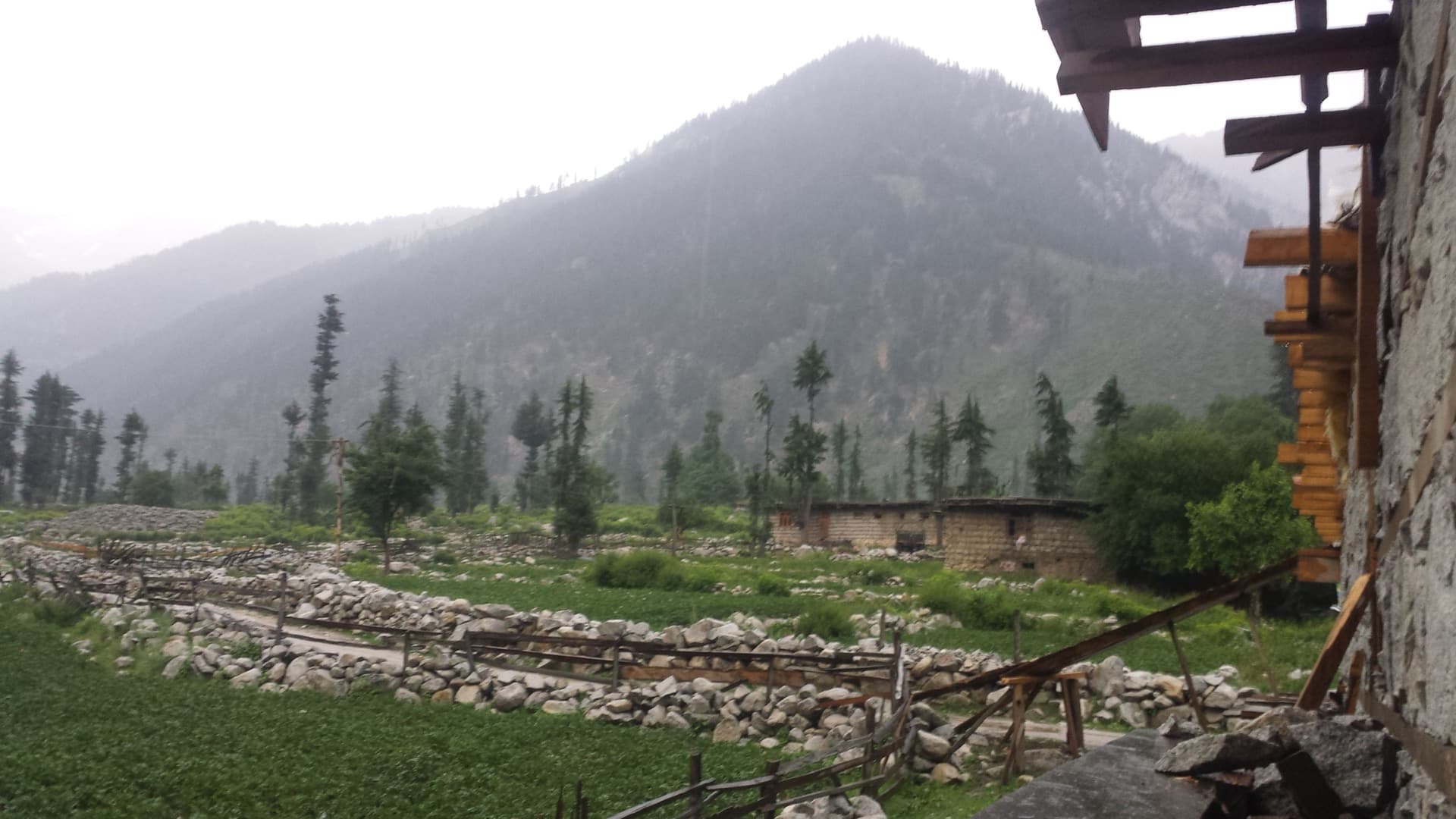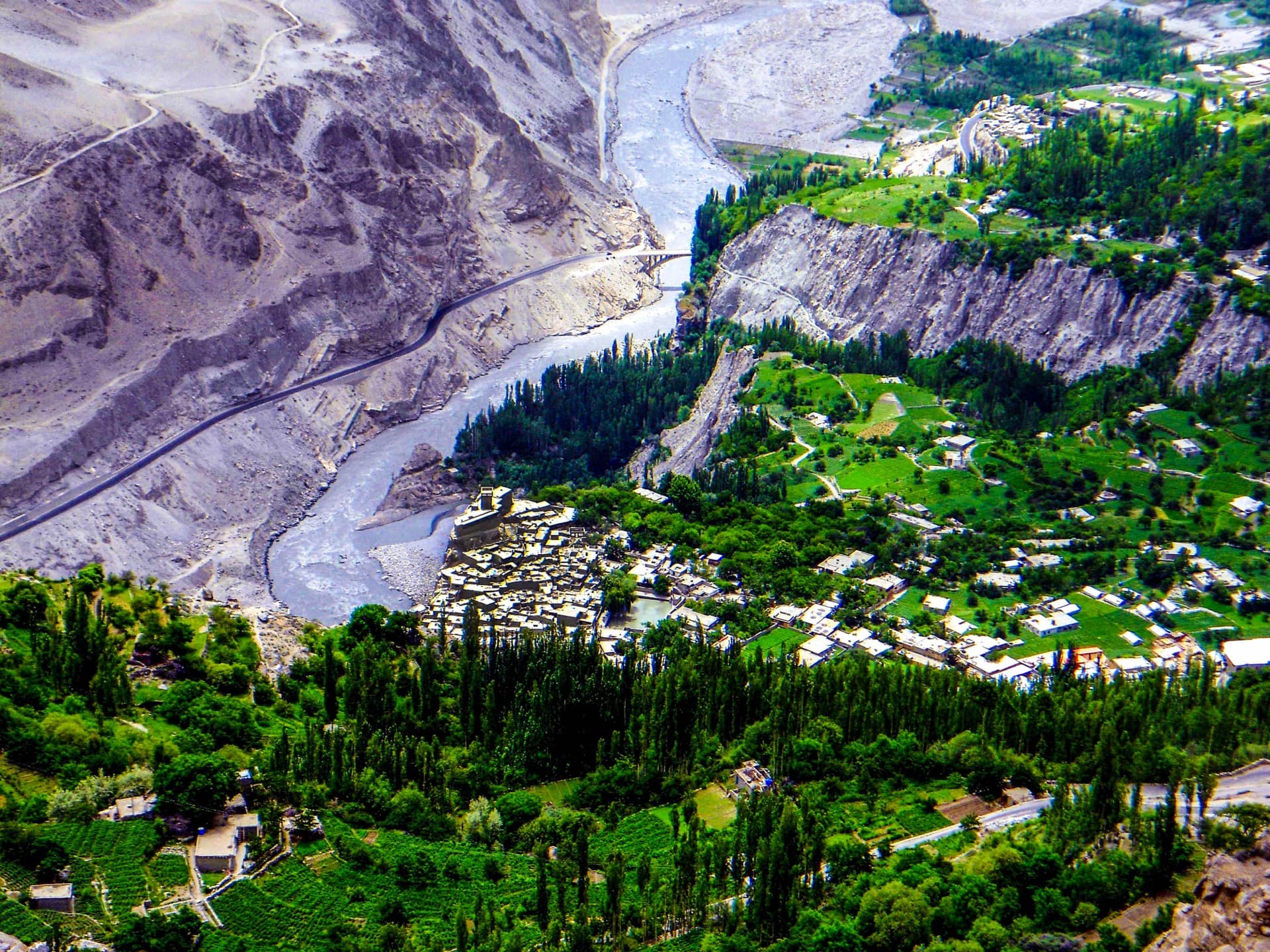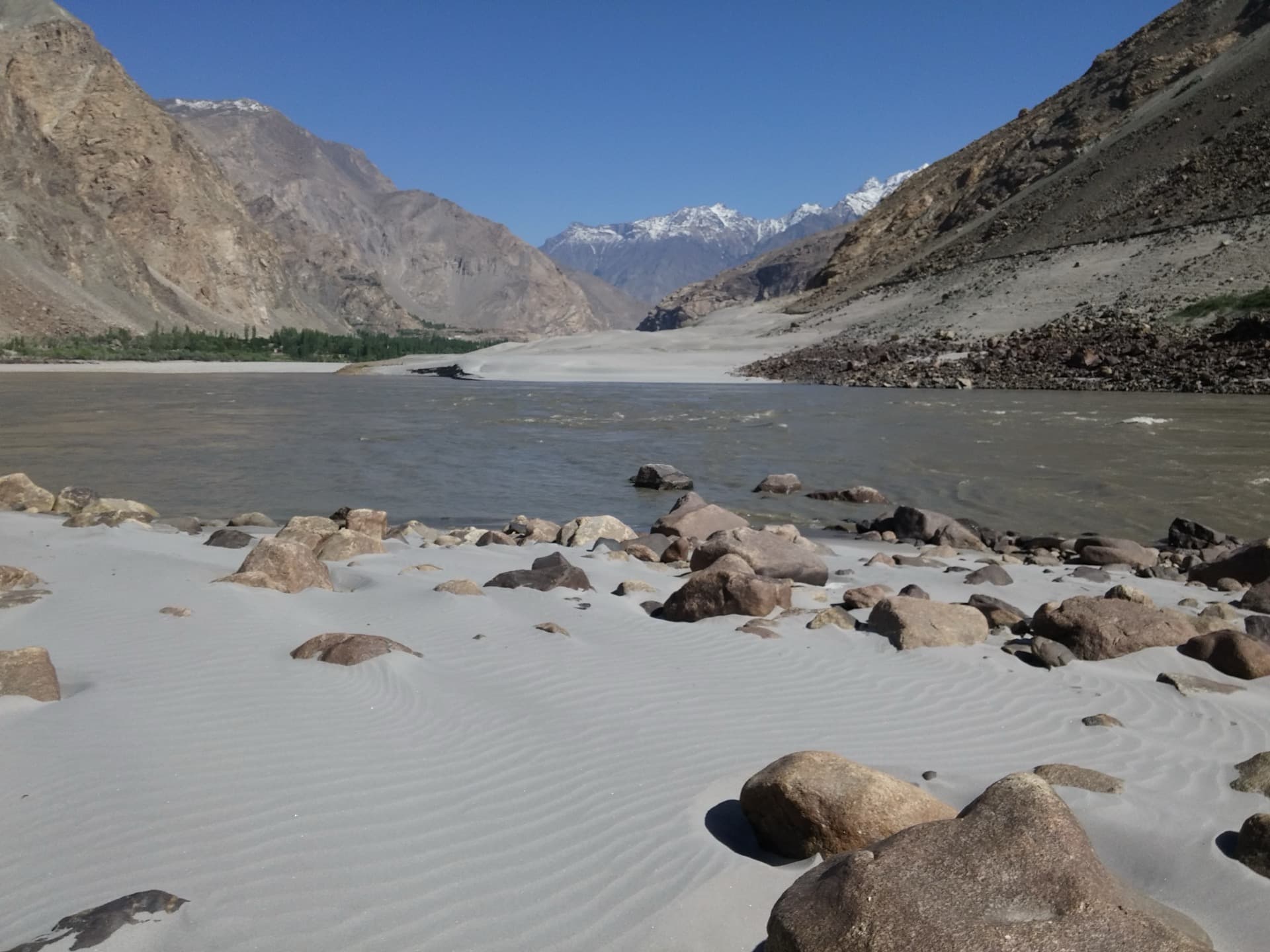
Photo by Narmeen HabibWebsite
For two or three magical weeks each spring, the Hunza valley transforms into one of the most beautiful places on earth, as thousands of apricot, cherry, almond, peach, apple and pear trees burst into clouds of pink and white blossom against a backdrop of snow capped Karakoram peaks. The Hunza blossom season is fast becoming one of Pakistan's signature travel experiences, drawing photographers and travellers from around the world. This guide covers exactly when to go, where to see the best blossoms, how to get there, where to stay, the weather to expect and how to plan a blossom trip, so you can catch Hunza at its most breathtaking.
When is the Hunza blossom season?
The blossom season runs from roughly mid March to late April, but the exact timing depends on altitude, and the bloom moves up the valley as spring advances.
- Lower Hunza blooms first, around the second week of March.
- Central Hunza, around Karimabad and Altit, peaks in late March to early April, the classic window most travellers aim for.
- Upper Hunza, around Gulmit, Ghulkin and Passu, blooms later and can extend into mid to late April.
Because the bloom climbs the valley over several weeks, a well timed trip can chase the blossom from the lower villages up to the high ones. Note that nature keeps its own schedule, and the exact dates shift a little each year with the weather, so build in a few days of flexibility.
What actually blooms
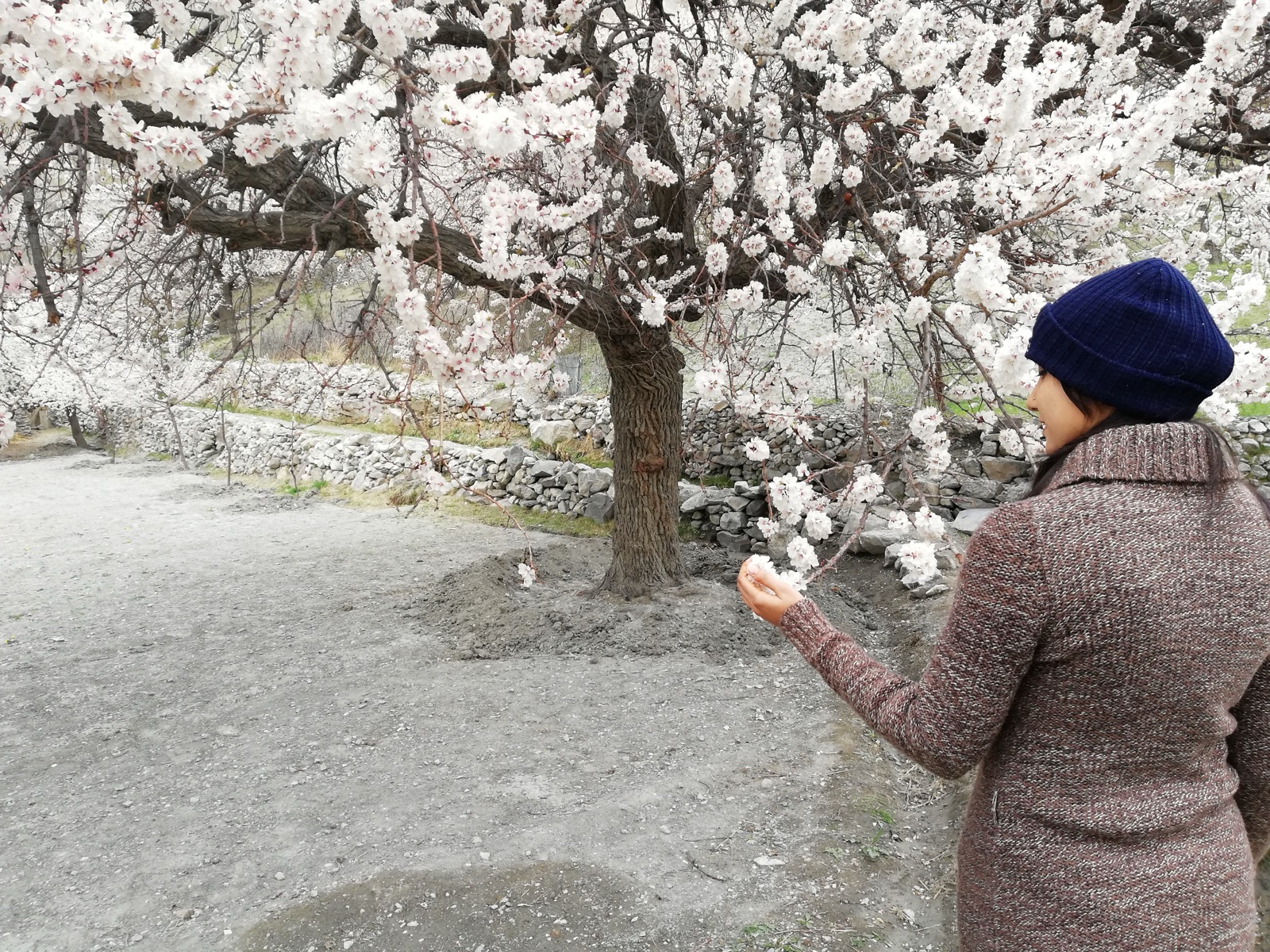
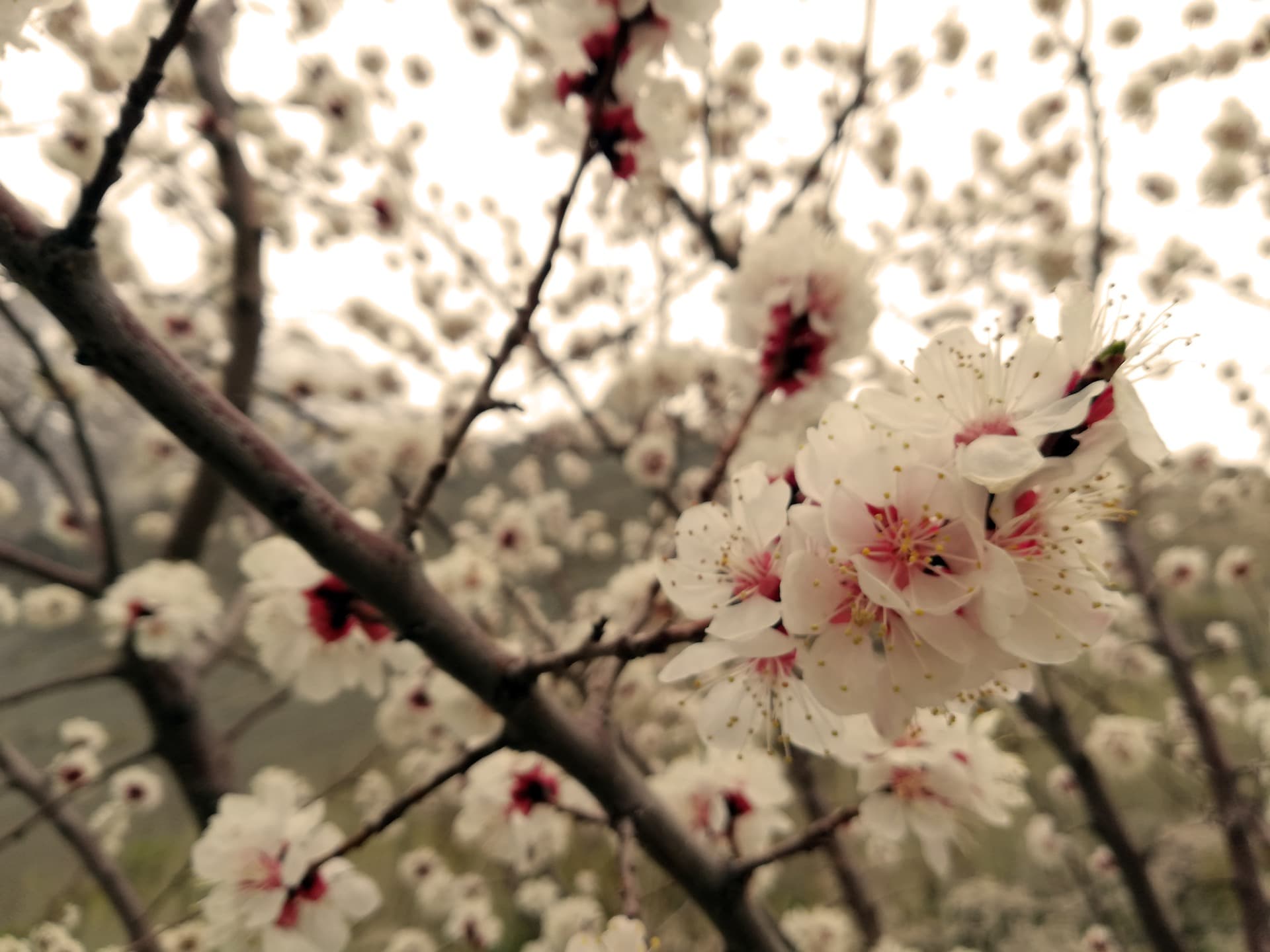
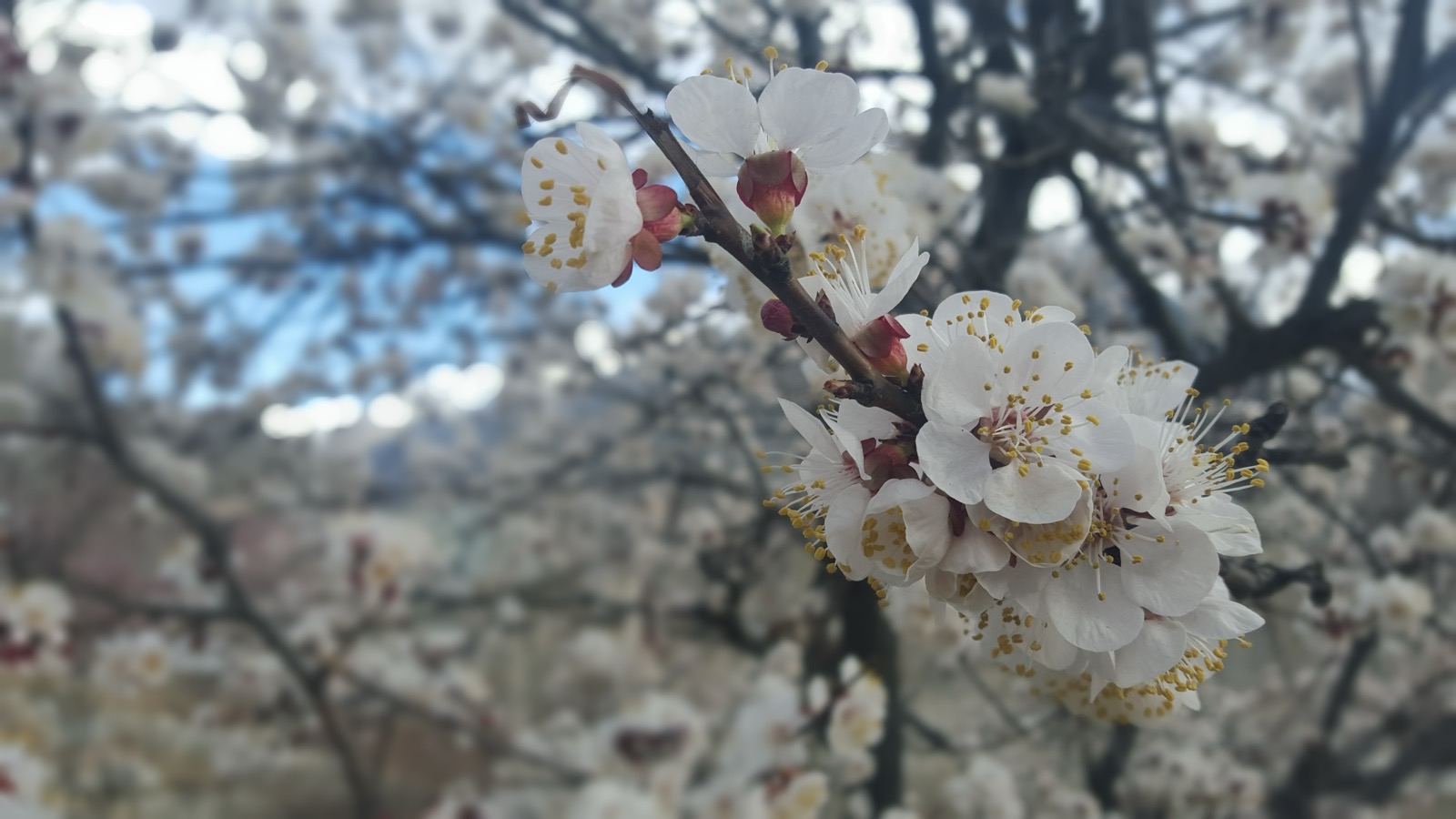
Despite the popular "cherry blossom" label, the dominant tree in Hunza is the apricot, for which the valley is famous, followed by almond, peach, apple, pear and plum, with some cherry trees in the mix. The result is a richer palette than a pure cherry bloom: whites, soft pinks, deeper pinks and the occasional purple, spread across terraced orchards that climb the hillsides. It is this blanket of fruit blossom against the snow peaks, rather than ornamental cherry alone, that makes the Hunza spring so distinctive.
The best places to see the blossom
- Karimabad, the emotional heart of the valley, with blossom lined paths and the old town beneath Baltit Fort.
- Altit Fort and the Royal Garden, a peaceful, historic setting where the orchards frame the ancient fort.
- Duikar and Eagle's Nest, high above Karimabad, for the widest panoramic views over the blossom filled valley, magical at sunrise.
- The Rakaposhi viewpoint, where the orchards sit beneath the towering 7,788 metre peak.
- Nagar valley, across the river, for a striking contrast of blossom against ice and glacier.
- Ganish village, the valley's oldest settlement, blending history with spring colour.
- Attabad Lake, its turquoise water a serene backdrop, with boating on offer.
- Upper Hunza around Gulmit and Passu, for later blossom beneath the dramatic Passu Cones.
How to get to Hunza for the blossom
By air. The fastest route is the flight from Islamabad to Gilgit, about an hour, then a two to three hour drive up the Karakoram Highway to Hunza. The flight is weather dependent and cancellations are common in spring, so keep a road backup.
By road. The drive up the Karakoram Highway from Islamabad takes roughly 14 to 18 hours, usually broken over two days with a night at Chilas or Besham. It is long but spectacular, and in spring the lower valleys are green and blooming the whole way up.
For a fuller picture of getting there and costs, see our Hunza travel guide and Hunza trip cost guides.
Spring weather in Hunza
Spring days are mild and pleasant, typically 10 to 20 degrees, with clear mornings and soft afternoon light that photographers love. Nights are cold, dropping near freezing in upper Hunza, and March can still bring occasional rain or light snow at higher elevations, which only adds to the drama of blossom against fresh snow. Pack warm layers for the evenings and mornings even though the days feel like spring.
Where to stay
Hunza has a wide range of accommodation, and spring is quieter than the summer peak, so you have good choice. Luxury options include Luxus Hunza, the Serena, and hotels around Karimabad, mid range choices include the Darbar Hotel and Eagle's Nest at Duikar for the high views, and budget travellers find friendly family run guesthouses in Karimabad, Gulmit and Ghulkin. Staying in or near Karimabad puts you in the heart of the central Hunza bloom, while a night at Duikar rewards you with a blossom filled sunrise over the whole valley.
Why spring is a special time to visit
Beyond the blossom itself, spring has a big practical advantage: compared to the busy summer months, Hunza is calm and uncrowded in March and April. You get the valley's beauty at its peak without the peak season congestion, hotels are easier to book and often cheaper, and the light is gentler. The combination of fruit blossom, snow peaks, ancient forts and a relaxed atmosphere makes the Hunza spring one of the most rewarding times to visit anywhere in Pakistan, and a strong alternative to the more famous summer trips. The one trade off is that the high passes such as Khunjerab may still be closed by snow, so spring is about the valley and its villages rather than the very highest reaches.
Planning a blossom trip
Aim to be in central Hunza in the last week of March or the first week of April for the most reliable peak bloom, and allow a window of several days rather than a single fixed date, since the timing shifts each year. If you want to maximise your chances, plan a route that starts lower and moves up the valley, so that even if central Hunza is past its best you can catch the later bloom in upper Hunza around Gulmit and Passu. Watch local social media and tour operator updates in March, as they post real time bloom reports. Book flights and the best viewpoint hotels like Eagle's Nest early, since the blossom season has become popular, even if the valley overall is quieter than summer.
The apricot: the lifeblood of Hunza
To understand why the blossom matters so much here, you have to understand the apricot. Hunza is famous across Pakistan for its apricots, and the fruit is woven into the valley's culture, diet and economy. The orchards that erupt in blossom each spring will, by midsummer, hang heavy with fruit that is eaten fresh, dried on rooftops for the long winter, pressed for oil and ground into flour, with even the kernels used. The Hunzakuts' celebrated longevity is often, rightly or not, linked to this apricot rich diet. So when you walk beneath the blossom in March and April, you are seeing the first act of the valley's most important harvest, not merely a pretty display. That connection between the flowers and the food gives the Hunza spring a depth that a purely ornamental bloom could never have, and it is why local families take such pride in the season and welcome visitors who come to share it.
A 3 to 4 day blossom itinerary
A short, well timed trip is enough to drink in the Hunza spring. On day one, fly to Gilgit and drive up to Karimabad, settling in beneath Baltit Fort among the central Hunza orchards. On day two, explore Karimabad, Altit Fort and the Royal Garden on foot, then climb to Duikar for sunset and stay for a blossom filled sunrise the next morning. On day three, cross to the Nagar side for blossom against glacier, visit the Rakaposhi viewpoint, and see Ganish village and Attabad Lake. With a fourth day, drive up to Gulmit and Passu in upper Hunza, where the bloom often lingers later in April beneath the Passu Cones, before heading back. This keeps the trip relaxed while covering the valley's finest blossom spots, and it slots neatly into the calm spring shoulder season. If you have more time, simply add nights rather than sights, since the joy of a blossom trip is lingering among the orchards in the soft spring light rather than rushing between viewpoints.
Spring blossom or autumn colour?
Hunza has two great seasons, and travellers often ask which to choose. Spring, the blossom season, is about delicate pink and white fruit blossom, fresh snow on the peaks, and a sense of the valley waking up, all in calm, uncrowded conditions. Autumn, by contrast, sets the same orchards and poplars ablaze in gold, orange and red through October, a warmer, richer palette with the harvest in full swing. Both are quieter and arguably more beautiful than the busy green summer. If you love soft colour and renewal, come in spring for the blossom; if you love fiery colour and harvest abundance, come in autumn. Many seasoned visitors try to see both at least once, and quietly agree that Hunza in spring and autumn outshines the crowded summer that most tourists settle for. We cover the other side of the year in our autumn in Hunza guide.
Practical tips
- Time it for late March to early April in central Hunza for the most reliable peak bloom.
- Stay flexible: the exact dates move each year with the weather, so allow a few days' window.
- Chase the bloom up the valley: lower Hunza first, then central, then upper Hunza into late April.
- Go to Duikar for sunrise: the high viewpoint gives the widest blossom panorama.
- Pack warm layers: days are mild but mornings and nights are cold, near freezing higher up.
- Keep a road backup: spring flights to Gilgit are often delayed or cancelled for weather.
Related guides
Read the full Hunza travel guide and things to do in Hunza, budget with the Hunza trip cost guide, see the valley's other great season in our autumn in Hunza guide, and time the wider trip with best time to visit Pakistan. Browse every region on the destinations page.
Last updated
Share this article
Frequently asked questions
- When is the cherry blossom season in Hunza?
- The blossom season runs from roughly mid March to late April. Lower Hunza blooms first around the second week of March, central Hunza around Karimabad peaks in late March to early April, and upper Hunza around Gulmit and Passu blooms later into mid to late April.
- Are there really cherry blossoms in Hunza?
- Yes, though the dominant blossom is actually apricot, for which Hunza is famous, alongside almond, peach, apple, pear and plum, with some cherry trees too. Together they blanket the terraced orchards in white and pink, a richer display than ornamental cherry alone.
- What is the best month to see the Hunza blossom?
- Late March to early April is the most reliable window for peak bloom in central Hunza around Karimabad. The season moves up the valley with altitude, so a flexible trip can catch lower Hunza in mid March and upper Hunza into late April.
- Where are the best places to see the blossom in Hunza?
- Karimabad and Altit Fort in central Hunza, the high Duikar and Eagle's Nest viewpoint for panoramas, the Rakaposhi viewpoint, Nagar valley for blossom against ice, Ganish village, Attabad Lake and the upper Hunza villages of Gulmit and Passu for later bloom beneath the Passu Cones.
- Is spring a good time to visit Hunza?
- Yes, one of the best. Beyond the blossom, spring is calm and uncrowded compared to the summer peak, hotels are easier to book and often cheaper, and the light is beautiful. The main trade off is that the highest passes like Khunjerab may still be closed by snow.
- How do you get to Hunza in spring?
- Fly from Islamabad to Gilgit, about an hour, then drive two to three hours to Hunza, keeping a road backup as spring flights are weather dependent. Alternatively drive the Karakoram Highway from Islamabad over about two days, enjoying the blossom in the lower valleys on the way up.