Photo by Waqas.usmanWebsite
Pakistan is not the first country that comes to mind for a ski holiday, yet with three of the world's great mountain ranges meeting inside its borders, it has real, accessible skiing at a fraction of the cost of the Alps. From the commercial slopes of Malam Jabba in Swat to the air force run resort of Naltar near Gilgit and the remote military slopes of Rattu, the country offers a genuine and growing winter sports scene. This guide covers where to ski in Pakistan, the season, the costs, how to get to each resort and what to expect, so you can plan a winter trip to the Pakistani mountains.
The ski resorts of Pakistan
Pakistan has three main ski areas, each with a different character.
- Malam Jabba, in Swat, is the country's main commercial resort, the easiest to reach and the best set up for beginners, families and casual visitors.
- Naltar, near Gilgit, is the air force run resort with the highest chairlift in the country and the deepest skiing culture, where, as locals say, every child knows how to ski.
- Rattu, in the Astore district of Gilgit-Baltistan, is a remote, military operated area with several slopes and even night skiing, but it needs prior permission and serious effort to reach.
Malam Jabba: the main resort
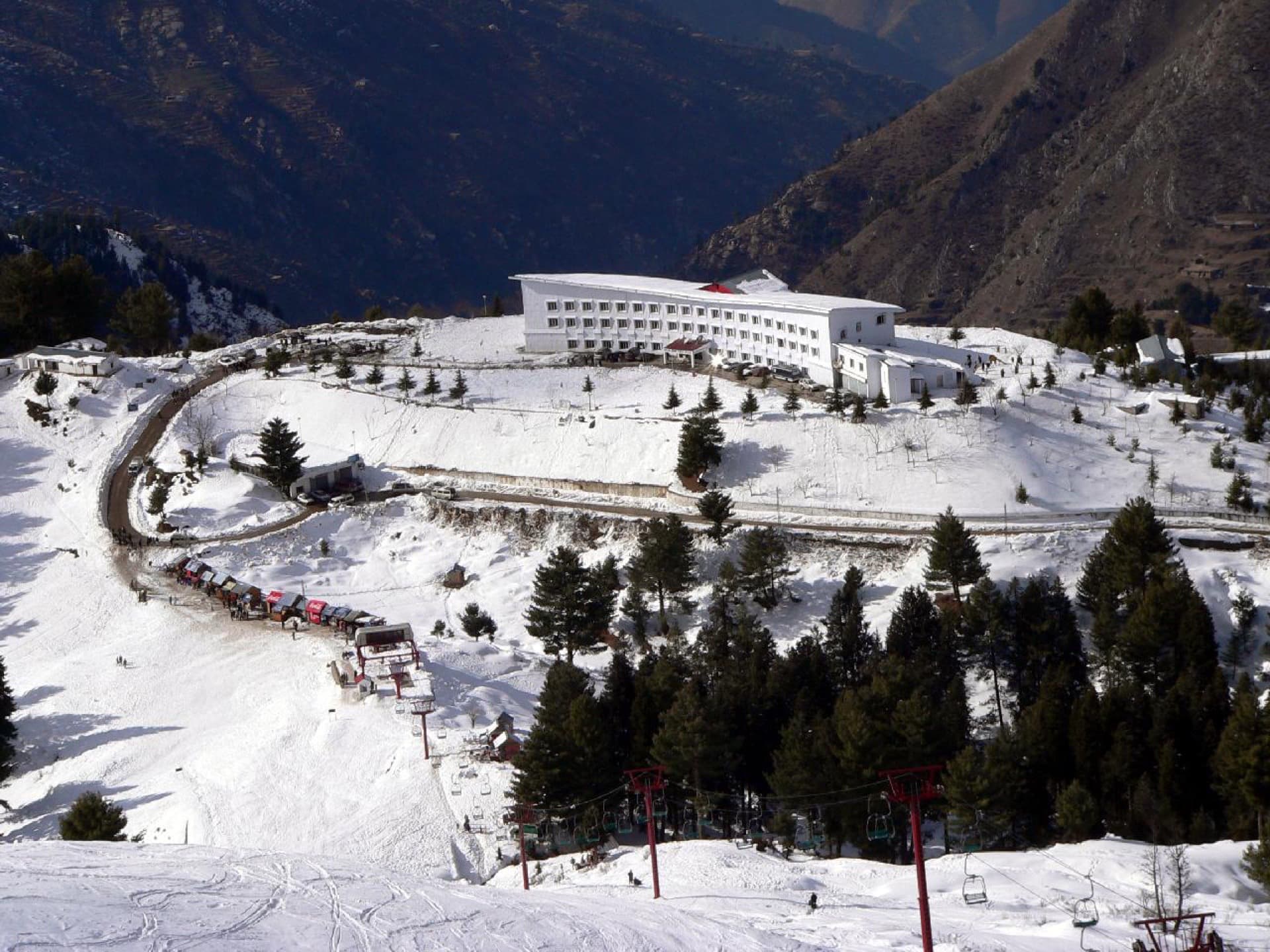
Malam Jabba is Pakistan's flagship ski destination and the right choice for most visitors. Set at around 2,800 metres in the Swat valley, it has a ski slope of roughly 800 metres, a chairlift, artificial snow making and a full range of winter activities, making it the most developed and accessible resort in the country.
- Entry ticket: around 1,200 rupees, redeemable against activities.
- Chairlift: around 1,500 rupees per person.
- Zipline: around 3,500 rupees, or 4,500 for the chairlift and zipline combo.
- Skiing packages: roughly 3,000 rupees per hour, 4,500 for a half day and 6,500 for a full day, with equipment rental for skis, boots, helmets and snowboards available on site.
Beyond skiing, Malam Jabba offers snowboarding, snow tubing, ice skating, a giant swing, a human slingshot, wall climbing and chairlift rides, which makes it a good day out even for non skiers and families. The five star Pearl Continental hotel sits at the top of the resort, with more options in and around Swat. The ski season runs roughly December to February, with the resort sometimes open from late November into March, and winter temperatures of minus ten to minus fifteen degrees.
Getting there: Malam Jabba is about 300 km from Islamabad, reached via the motorway to Peshawar, the Swat Motorway to Chakdara, then the road through Manglor up to the resort, a drive of roughly five to six hours. From Lahore it is about 600 km. It is by far the easiest ski resort to reach in Pakistan.
Naltar: the air force resort
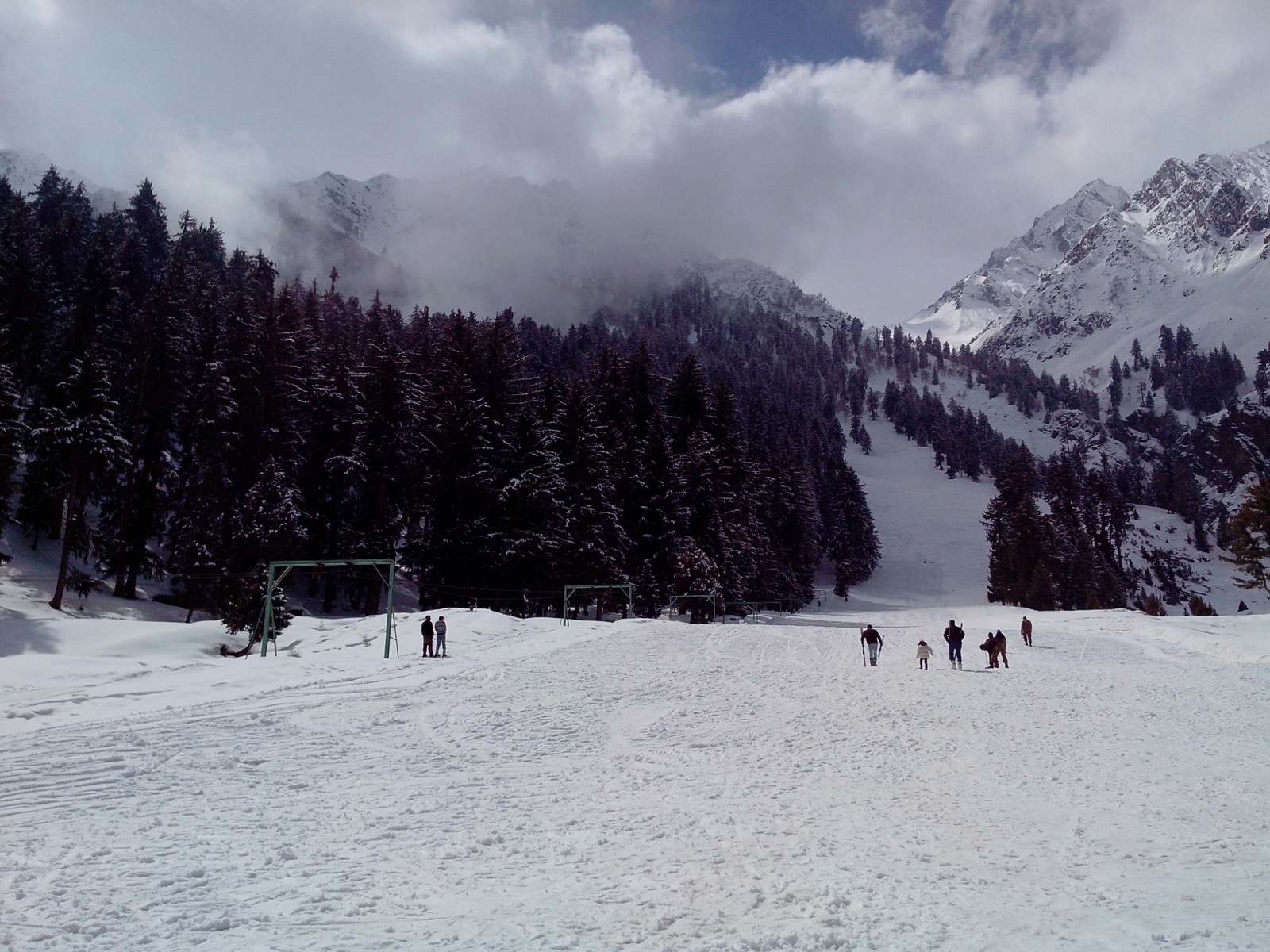
Naltar, a high valley about 34 km from Gilgit, is home to Pakistan's oldest and most serious ski culture, with a resort run by the Pakistan Air Force that boasts the highest chairlift in the country. It has hosted national championships and international competitors, and the air force runs a ski school here. The skiing is excellent and the setting, among pine forest and the famous Naltar lakes, is beautiful, but access is harder: you reach Gilgit by air or the long Karakoram Highway drive, then take a rough two hour jeep ride up into the valley. Naltar suits more committed skiers and those combining it with a wider Gilgit-Baltistan trip. See our Naltar Valley guide for the full picture of the valley.
Rattu: the remote option
Rattu, in the Astore district of Gilgit-Baltistan, is the most remote of the three, a military operated area with three slopes of varying difficulty and the rare offer of night skiing. It is the choice for the adventurous and well connected, since it requires prior permission to visit and a long journey: seven to eight hours to Gilgit, then a further two to three hours to Rattu. Infrastructure is basic, but for serious skiers seeking solitude and a real expedition feel, it is unique.
The ski season
Pakistan's ski season centres on the deep winter. The peak months are January to mid February, when snow cover is most reliable across all three resorts, with the broader season running from December through late February. Malam Jabba, with its artificial snow making, can sometimes open from late November into March, giving it the longest and most dependable season. Because conditions are weather dependent and snowfall varies year to year, it is worth checking resort updates before you travel, and building in flexibility, especially for the high, remote slopes.
What it costs
Skiing in Pakistan is remarkably cheap by international standards. As a rough guide, a one day ski pass runs around 25 US dollars, equipment rental about 15 dollars a day, accommodation from around 25 dollars a night, and meals just a few dollars each. At Malam Jabba specifically, the entry, chairlift and skiing packages above add up to a modest day out, with full day skiing around 6,500 rupees plus rental. Compared to a European or North American ski trip, the savings are enormous, which is a big part of the appeal. For a wider budget picture see our Pakistan trip cost guide.
For beginners and equipment
Malam Jabba is the best place to learn, with gentle slopes, a chairlift, rental gear and instructors available, plus plenty of non skiing activities for a mixed group. Naltar has the air force ski school for those wanting proper tuition in a serious setting. Equipment, skis, boots, helmets and snowboards, can be rented at Malam Jabba and at the organised resorts, so you do not need to bring your own for a casual trip, though dedicated skiers often prefer their own kit. Whatever your level, dress for serious cold, layer well, and protect against sun glare off the snow.
A safety note
It is important to be realistic: Pakistan's ski resorts do not have the dedicated ski patrols, marked avalanche control or rescue infrastructure of established international resorts. Malam Jabba is the most controlled and beginner friendly, while Naltar and especially Rattu are wilder. Ski within your ability, heed local advice, avoid going off piste alone, and treat the mountains with respect. With sensible caution, a Pakistani ski trip is a safe and exhilarating experience, but it is not the managed environment of an Alpine resort.
How to plan a ski trip
For most visitors, the simple plan is Malam Jabba: drive up from Islamabad in winter, base at or near the resort, and enjoy a few days of accessible skiing and snow activities, ideally in January or early February for the best snow. For a bigger adventure, combine a Gilgit trip with skiing at Naltar, flying or driving up and adding the valley's lakes and scenery. Rattu is for the experienced and well organised only. Whichever you choose, the deep winter months are the time, and warm clothing, flexibility around the weather and an early booking for the limited resort hotels are the keys to a smooth trip.
A short history of skiing in Pakistan
Skiing in Pakistan is older than most visitors realise. The sport took root through the armed forces, who needed to operate in the high snowbound mountains and built training facilities that grew into the first resorts, above all at Naltar, where the Pakistan Air Force established a ski school that still trains the country's best skiers and has sent athletes to international competition. For decades skiing was largely a military and local affair, with the children of Naltar growing up on skis as naturally as others grow up on bicycles. Malam Jabba changed the picture in the public imagination, opening as a commercial resort that brought skiing within reach of ordinary tourists, before being damaged during the unrest in Swat and then rebuilt and reopened with new facilities. Today, with Swat peaceful again and winter tourism booming among young Pakistanis, the sport is enjoying a real revival, and the slopes that were once the preserve of the military and a few enthusiasts now draw growing crowds each winter. That history is part of what makes a ski trip here feel like joining something fresh and on the rise rather than a polished, finished product.
Beyond the resorts
For experienced skiers and split boarders, the resorts are only the start. Pakistan's vast high mountains hold enormous untapped potential for ski touring and backcountry descents, and a small but growing number of adventurers come for guided expeditions into the Karakoram and Himalaya, far from any lift. This is serious, expedition style terrain with real avalanche risk and no rescue infrastructure, strictly for the experienced and properly guided, but it represents some of the most exciting and remote skiing left anywhere on earth. For the average visitor, though, the three resorts are where to start, and Malam Jabba in particular offers a safe, fun and astonishingly cheap introduction to skiing in one of the most dramatic mountain settings in the world, with the wilder slopes of Naltar and Rattu waiting for when you are ready for more.
Practical tips
- Choose Malam Jabba for ease: it is the most accessible and beginner friendly resort.
- Time it for January to mid February: the most reliable snow across the resorts.
- Pack for deep cold: winter temperatures fall to minus ten to minus fifteen degrees.
- Rent gear on site: Malam Jabba and the organised resorts have equipment for hire.
- Check conditions and permissions: snowfall varies, and Rattu needs prior permission.
- Keep flights flexible: winter flights to Gilgit for Naltar are often weather affected.
Related guides
Pair this with our Naltar Valley guide and Swat Valley guide, see the wider winter picture in best time to visit Pakistan, budget with the Pakistan trip cost guide, and build a winter route with the northern Pakistan itinerary. Browse every region on the destinations page.
Last updated
Share this article
Frequently asked questions
- Where can you ski in Pakistan?
- Pakistan has three main ski areas: Malam Jabba in Swat, the country's main commercial and most accessible resort; Naltar near Gilgit, run by the air force with the highest chairlift in the country; and Rattu in Astore, a remote military operated area with night skiing that requires prior permission to visit.
- How much is the ticket for Malam Jabba Ski Resort?
- At Malam Jabba the entry ticket is around 1,200 rupees and is redeemable against activities, the chairlift is around 1,500 rupees per person, and skiing packages run roughly 3,000 rupees per hour, 4,500 for a half day and 6,500 for a full day, with equipment rental extra.
- Which is the best ski resort in Pakistan?
- Malam Jabba is the best for most visitors, being the most developed, accessible and beginner friendly, with a chairlift, rental gear and many activities. Naltar is the best for serious skiers, with the highest chairlift and the deepest ski culture, while Rattu is for remote adventure.
- What is the ski season in Pakistan?
- The peak season is January to mid February, when snow cover is most reliable, with the broader season running December through late February. Malam Jabba, which has artificial snow making, can sometimes open from late November into March.
- How do you get to Malam Jabba from Islamabad?
- Malam Jabba is about 300 km from Islamabad, reached via the motorway to Peshawar, the Swat Motorway to Chakdara, then the road through Manglor up to the resort, a drive of roughly five to six hours. It is the easiest ski resort to reach in the country.
- Is skiing in Pakistan safe?
- With sensible caution, yes, though it is not the managed environment of an Alpine resort. Pakistan's resorts lack dedicated ski patrols and avalanche control, so ski within your ability, heed local advice and avoid going off piste alone. Malam Jabba is the most controlled and beginner friendly of the three.