Photo by ImrankhakwaniWebsite
Fairy Meadows and Deosai are two of the most spectacular places in northern Pakistan, both reached from Skardu, and travellers planning a Gilgit-Baltistan trip constantly ask which one to choose. The honest answer is that they are completely different experiences that happen to sit close together, and if you can, you should do both. But if your time or energy is limited, this guide compares them head to head, on scenery, access, difficulty, wildlife, season, cost and atmosphere, so you can decide which suits you, and shows how to combine them on one trip.
The quick verdict
- Choose Fairy Meadows if you want a classic mountain meadow, a face on view of an 8,000 metre giant, a short forest hike and the option of a serious trek to base camp.
- Choose Deosai if you want a vast, otherworldly high plateau, summer wildflowers, brown bears and a glittering alpine lake, all reached by jeep with almost no walking.
- Do both if you have four or five days around Skardu, since they pair naturally and show two totally different faces of the north.
At a glance
- Fairy Meadows: an alpine meadow at 3,300 metres beneath Nanga Parbat (8,126 metres), reached by jeep plus a 5 km hike, open roughly May to September.
- Deosai National Park: a high plateau averaging around 4,100 metres, the second highest on earth, reached entirely by jeep, open only July to September.
- Effort: Fairy Meadows needs a hike; Deosai needs almost none.
- Signature sight: Nanga Parbat at Fairy Meadows; Sheosar Lake, wildflowers and brown bears at Deosai.
What is Fairy Meadows?
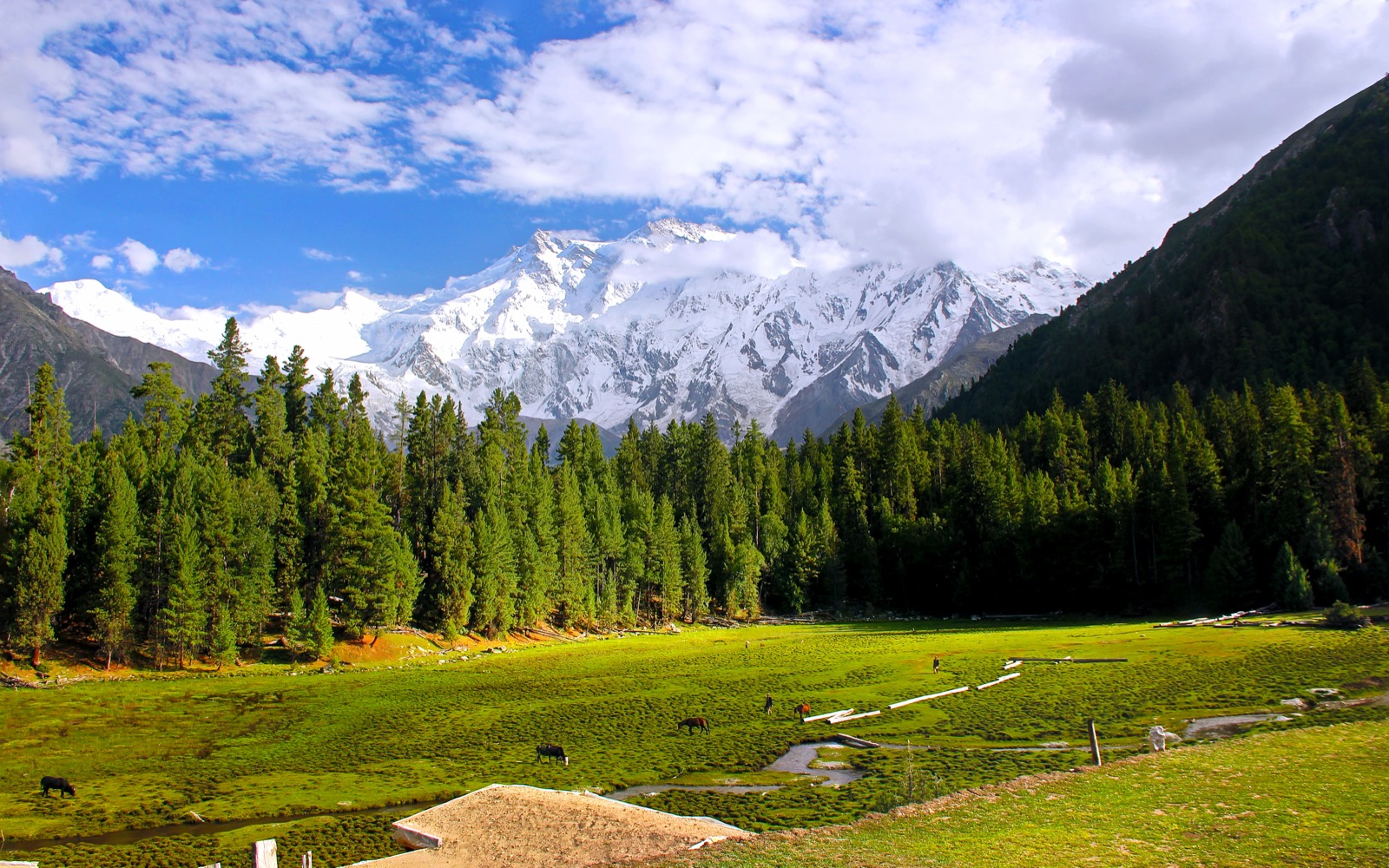
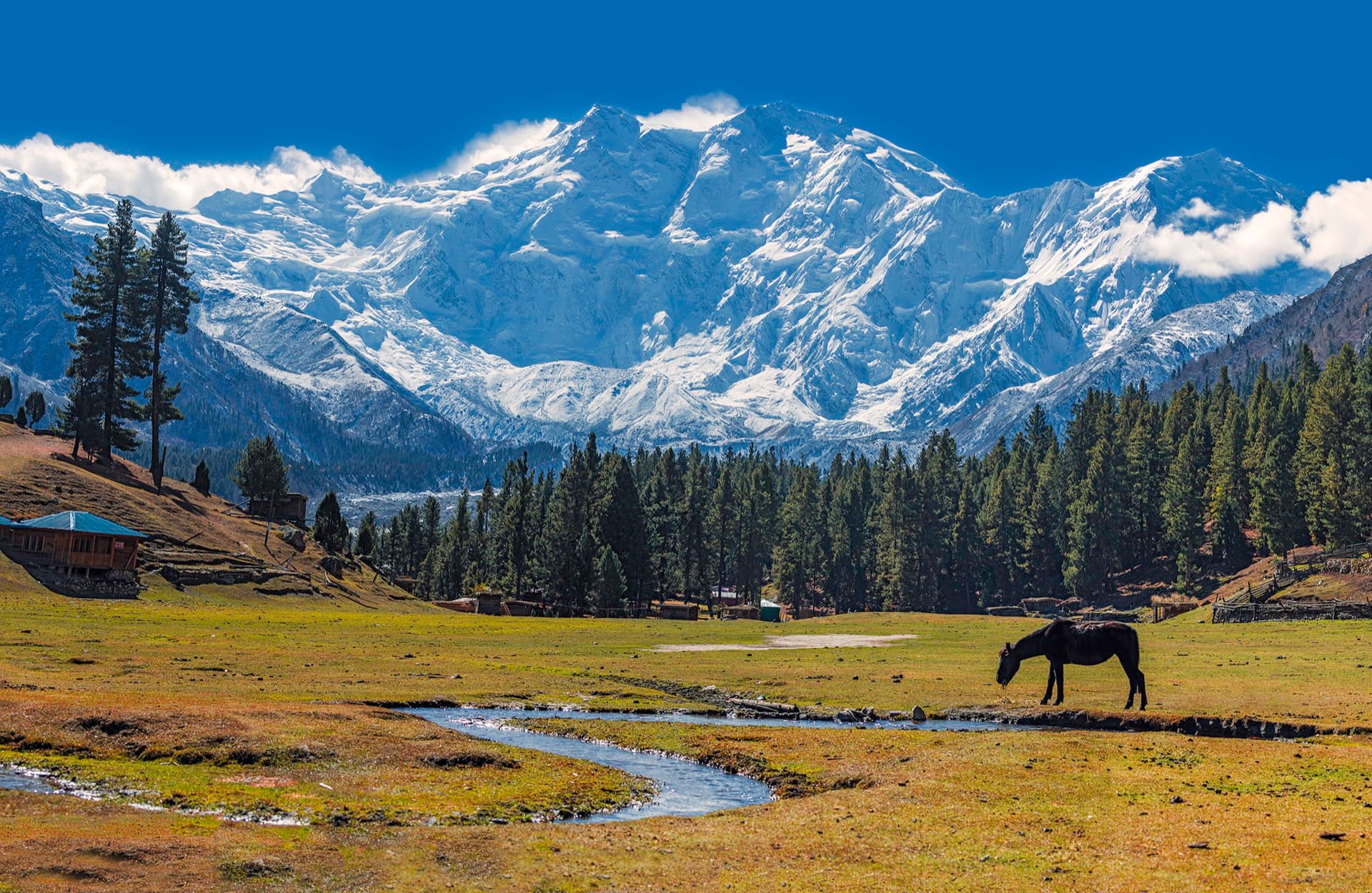
Fairy Meadows is a rolling green alpine meadow on the north face of Nanga Parbat, the ninth highest mountain in the world. You reach it by driving to the Raikot bridge on the Karakoram Highway, taking a local jeep up a famously hair raising track to Tato village, then hiking about 5 km and 700 metres of ascent over two to three hours to the meadow at 3,300 metres. The reward is one of the great mountain views on the planet, the vast Rakhiot face of Nanga Parbat rising directly in front of your cabin, plus onward treks to Beyal camp and Nanga Parbat Base Camp. It is forest, pasture and a single colossal peak.
What is Deosai?
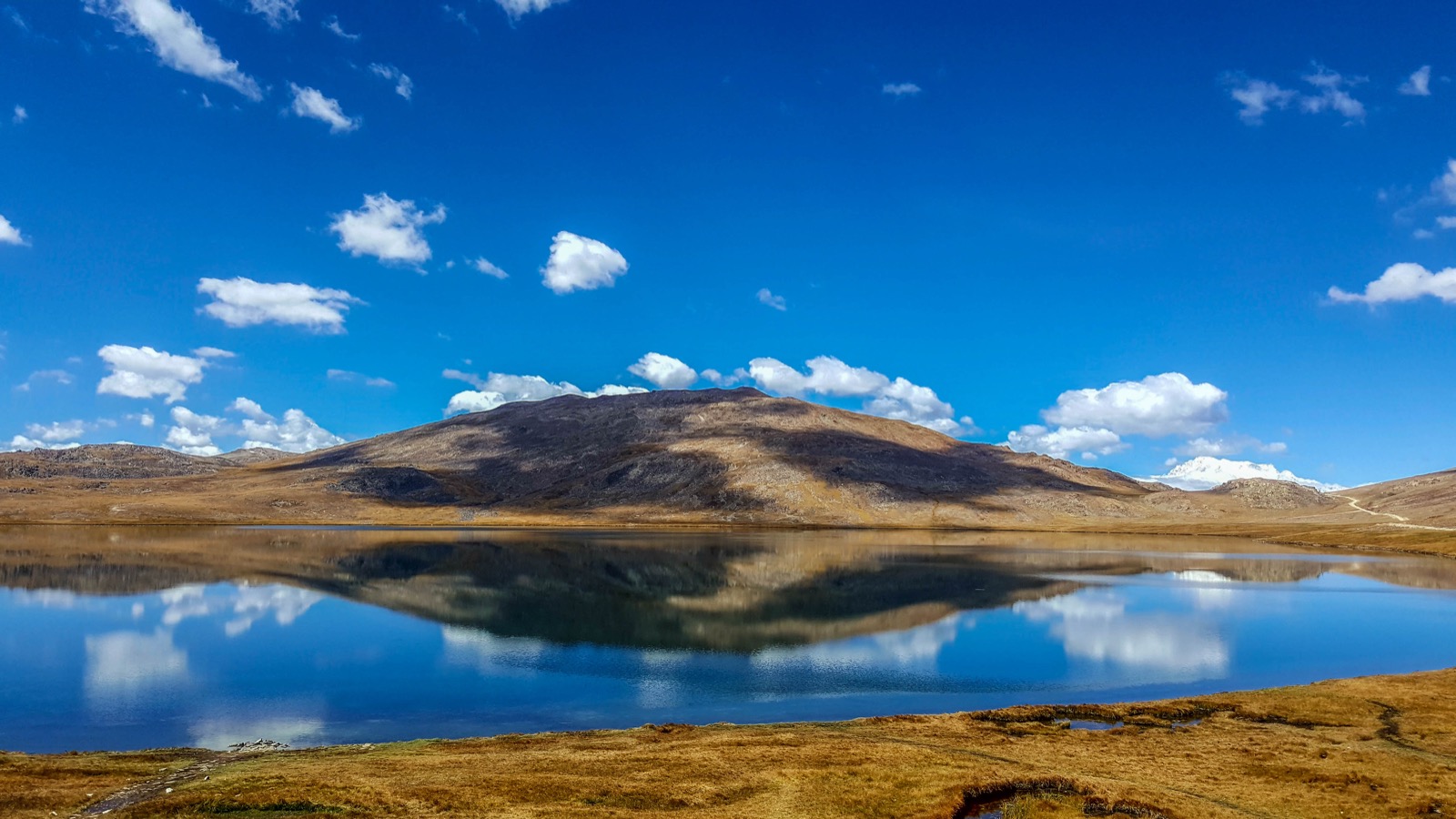
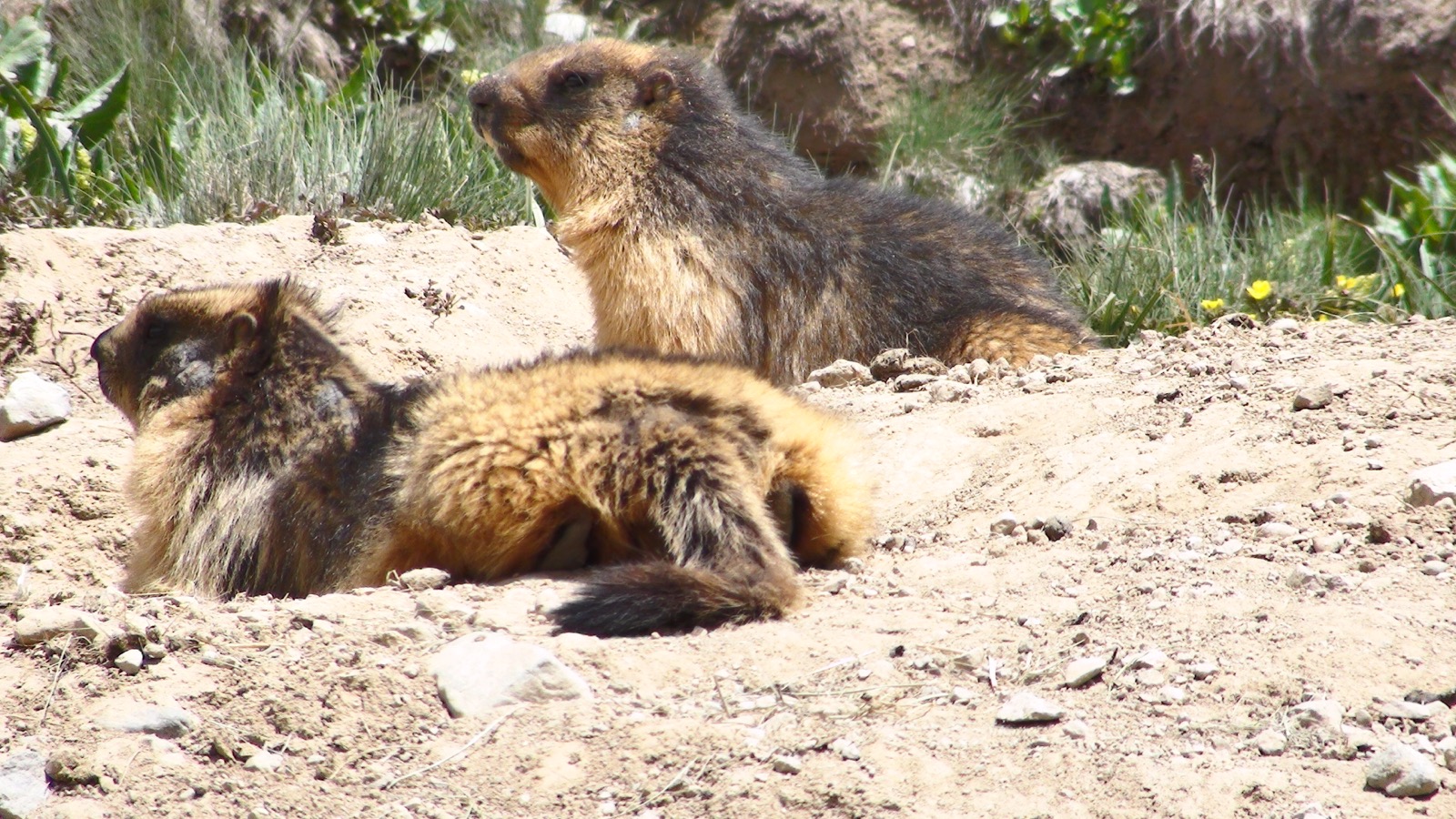
Deosai is the opposite kind of grandeur: not a single peak but an enormous, almost treeless tableland between Skardu and Astore, averaging around 4,100 metres, the second highest plateau on earth after Tibet. For the brief summer it is free of snow, roughly July to September, the grasslands fill with wildflowers, marmots whistle from their burrows and the rare Himalayan brown bear roams, while the deep blue Sheosar Lake glows at 4,250 metres on its western edge. You cross it almost entirely by jeep, a three to four hour traverse from Skardu, with camping at Bara Pani and beside the lake. It is space, sky, wildlife and a sense of being on the roof of the world.
Head to head
Scenery
Both are stunning but utterly different. Fairy Meadows is intimate and vertical: green forest and meadow framing one giant snow mountain. Deosai is immense and horizontal: a rolling sea of grassland and wildflowers under a huge sky, with distant peaks all around. If you want a postcard mountain, Fairy Meadows wins; if you want a landscape unlike anywhere else, Deosai wins.
Getting there and effort
This is the biggest practical difference. Fairy Meadows requires the jeep up the Raikot road plus a real hike of two to three hours that not everyone in a group can manage, though horses are available. Deosai requires no hiking at all: you are driven across it in a jeep, so it suits families, older travellers and anyone who cannot or does not want to trek. Both need a sturdy four wheel drive and a local driver.
Difficulty and altitude
Fairy Meadows at 3,300 metres involves a moderate forest climb, easy for the reasonably fit. The onward base camp trek is genuinely tough. Deosai sits much higher at 4,100 metres and above, so although you barely walk, the altitude itself can leave you breathless and a few people feel it, especially overnighting at Sheosar Lake. Neither is dangerous for most healthy travellers who take it gently.
Wildlife
No contest here: Deosai is a national park created specifically to protect the Himalayan brown bear, and it teems with marmots and birdlife, with snow leopard and ibex in the wider wilderness. Fairy Meadows is about the mountain, not the animals. If wildlife matters to you, Deosai is the clear choice.
Season
Fairy Meadows has the longer window, roughly May to September. Deosai has a much shorter one, essentially July to September, because snow blocks the plateau for the rest of the year, with late July the peak for wildflowers. If you travel in May or June, Deosai may still be closed while Fairy Meadows is open.
Accommodation and atmosphere
Fairy Meadows has wooden cabins and tents on the meadow with cafes, a cosy mountain village feel. Deosai is pure wilderness camping at Bara Pani, Kala Pani or Sheosar Lake, with very basic facilities and bitterly cold nights, but unforgettable stargazing thanks to zero light pollution. Fairy Meadows is more comfortable; Deosai is wilder.
Cost
Both are affordable. Fairy Meadows costs the shared Raikot jeep at roughly 8,000 to 8,500 rupees per vehicle plus cheap cabins from around 500 to 3,000 rupees a night. Deosai charges a park entry fee, around 3,100 rupees for foreign visitors, plus the jeep hire across the plateau, with camping cheap or free. Neither breaks the bank, and both are usually folded into a wider Skardu trip. See our Skardu trip cost and Pakistan trip cost guides for the full picture.
Which should you choose?
- For first time visitors who want the iconic view: Fairy Meadows, for that face on Nanga Parbat moment.
- For families, older travellers or anyone who cannot hike: Deosai, since you see it all from a jeep.
- For trekkers and adventurers: Fairy Meadows, with the base camp trek as the prize.
- For wildlife and wide open wilderness: Deosai, hands down.
- For a short trip in May or June: Fairy Meadows, because Deosai may still be under snow.
- For photographers and stargazers: both, but Deosai's plateau and dark skies are extraordinary.
Can you do both?
Yes, and it is the ideal plan if you have the days. Both are based around Skardu, so a common route spends a couple of nights at Fairy Meadows on the way up or down the Karakoram Highway near the Raikot bridge, then bases in Skardu and crosses Deosai by jeep, ideally with a night at Bara Pani or Sheosar Lake. Allow at least four to five days to do justice to the pair without rushing the long, rough roads. Doing both gives you the two great contrasting landscapes of Gilgit-Baltistan: one giant peak and one endless plateau. Plan the wider loop with our northern Pakistan itinerary.
Best time for each
The overlap window is July to September, when both are open and at their best, with late July ideal for Deosai's wildflowers and the long summer days perfect for the Fairy Meadows trek. If you can only travel in May or June, plan around Fairy Meadows, since Deosai's road is usually still snowbound until late June or July. By October both are winding down, with the Deosai road closing first and the Fairy Meadows cabins following.
Practical tips for both
- Use local jeeps and drivers: both roads are rough and, on the Raikot side, dangerous; only licensed drivers should drive them.
- Pack for cold nights: Fairy Meadows at 3,300 metres and Deosai above 4,000 metres are both cold after dark, even in summer.
- Carry cash: there are no card machines at either, and Deosai has a park entry fee.
- Take altitude gently: especially on Deosai, where the height alone can affect you.
- Allow buffer days: mountain weather and road conditions change, so do not pack the itinerary too tight.
A word on the two headline sights
Part of what makes this comparison so stark is that the two stars could not be more different. Nanga Parbat, the focus of Fairy Meadows, is the ninth highest mountain on earth at 8,126 metres and one of the deadliest, nicknamed the Killer Mountain for its grim early climbing history. From the meadow you sit in complete safety and watch that brutal wall change colour through the day, a single overwhelming object filling the view. Sheosar Lake, the jewel of Deosai, is the opposite: a calm, broad mirror of deep blue at 4,250 metres, set not against one peak but in the middle of an endless rolling plain, with distant snow summits ringing the horizon. One is about vertical drama and a single giant; the other about space, stillness and the sheer scale of an empty high plateau. Seeing both in one trip is like seeing two different planets.
How they fit the rest of the north
Neither place stands alone on a typical itinerary; both slot into a Skardu based loop that can also take in Hunza, the Khunjerab Pass and the Karakoram Highway. Fairy Meadows sits right on that highway near the Raikot bridge, so it is a natural stop on the drive in or out, while Deosai is a day excursion or overnight from Skardu itself, often paired with the Shigar and Khaplu valleys. Travellers building a one to two week northern trip frequently include both alongside Hunza and Skardu town, which is exactly why understanding the difference matters: they are not rivals so much as two essential, contrasting chapters of the same great journey through Gilgit-Baltistan.
Related guides
Read the full Fairy Meadows guide and the Deosai destination page, base yourself with the Skardu travel guide, time it with best time to visit Pakistan, and build the trip with the northern Pakistan itinerary. Browse every region on the destinations page.
Last updated
Share this article
Frequently asked questions
- Is Deosai the highest plateau in the world?
- No, it is the second highest. Deosai averages around 4,100 metres and is the highest plateau in the world after the Changtang in Tibet, which is why its thin air and short snow free season feel so extreme.
- Is the Fairy Meadows trek difficult?
- The hike up to Fairy Meadows is moderate, about 5 km and 700 metres of climb over two to three hours, manageable for the reasonably fit and with horses available. The onward trek to Nanga Parbat Base Camp is much tougher and a full day out.
- Is Deosai worth visiting?
- Very much, if it is open and you can handle the altitude. It is one of the most unusual landscapes in the world, a vast wildflower plateau with brown bears and a brilliant alpine lake, all seen from a jeep with little walking, which makes it accessible to almost everyone.
- Fairy Meadows or Deosai for a night stay?
- Fairy Meadows is the more comfortable overnight, with wooden cabins, cafes and a cosy feel. Deosai is raw wilderness camping at Bara Pani or Sheosar Lake with basic facilities and very cold nights, but the stargazing is unforgettable.
- Can you visit Fairy Meadows and Deosai on the same trip?
- Yes. Both are reached around Skardu, so a four to five day plan can take in Fairy Meadows near the Raikot bridge and then cross Deosai by jeep from Skardu. It is the ideal way to see the two great contrasting landscapes of Gilgit-Baltistan.
- Which is better, Fairy Meadows or Deosai?
- Neither is simply better; they are different. Fairy Meadows offers an iconic peak and a real trek, while Deosai offers a unique high plateau, wildlife and easy jeep access. For the classic view choose Fairy Meadows, for wilderness choose Deosai, and if you can, do both.